How to Setup and Configure 5GHz Wi-Fi for Meta Quest Air Link Wireless VR Streaming (Router)

How to Setup and Configure 5GHz Wi-Fi for Meta Quest Air Link Wireless VR Streaming
With the rise of virtual reality, having a robust and efficient Wi-Fi setup is essential for an immersive experience. The Meta Quest Air Link allows for seamless wireless VR streaming, but to maximize performance, a well-configured 5GHz Wi-Fi network is needed.
Why 5GHz Wi-Fi?
The 5GHz band provides higher data rates and less interference than the 2.4GHz band. This frequency enables faster connections, which is particularly beneficial for high-bandwidth applications like VR streaming.
Router Requirements
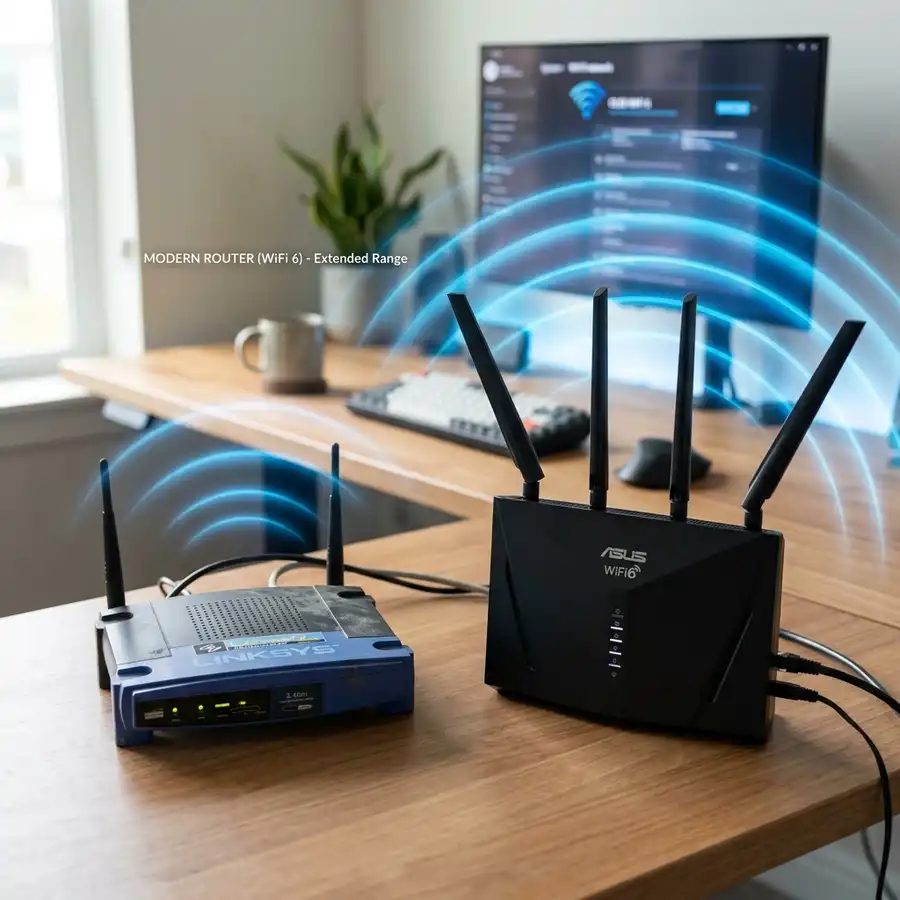
Before diving into configuration, ensure the router supports dual-band functionality. Most modern routers do, but older models may not. Look for routers labeled as 802.11ac or 802.11ax for optimal performance.
Preparing the Router
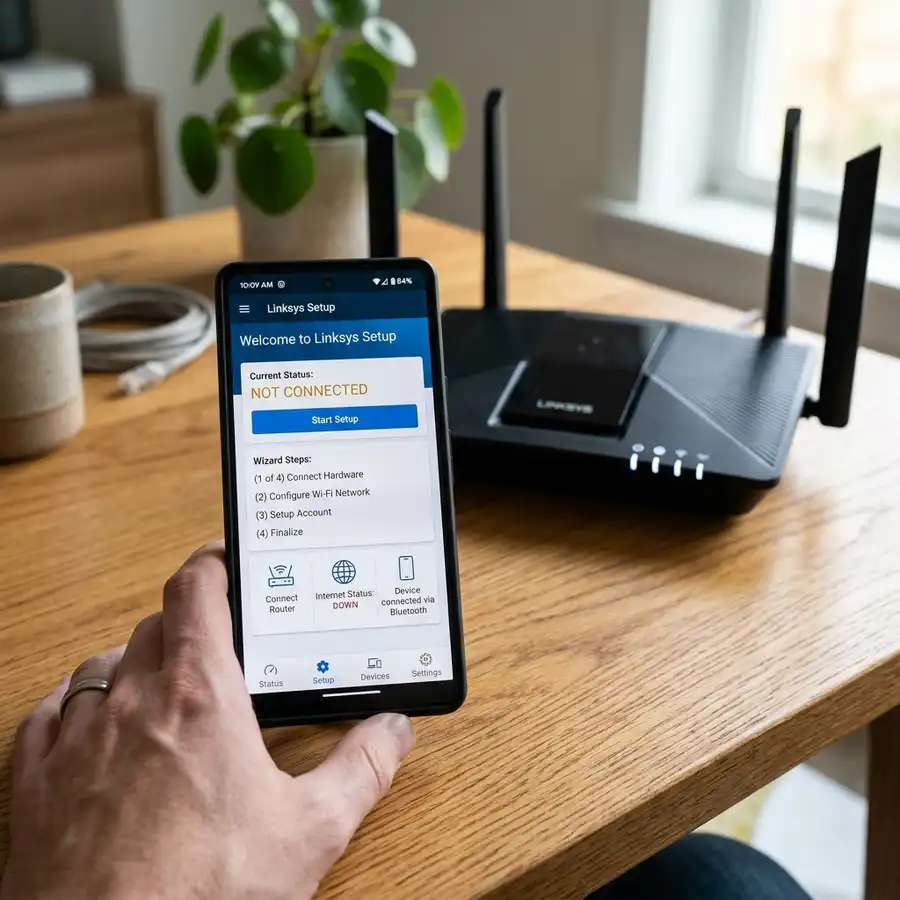
Accessing the router’s settings is the first step. This typically involves entering an IP address into a web browser. The common addresses are 192.168.1.1 or 192.168.0.1. Login credentials are often found on the router or in its manual.
Configuring 5GHz Wi-Fi
Once logged in, navigate to the wireless settings menu. Select the 5GHz band, and ensure it is enabled. Set a unique SSID (network name) for identification. This can help differentiate between the 2.4GHz and 5GHz networks.
Channel Selection
Choosing the right channel is crucial. Channels 36, 40, 44, and 48 are typically recommended for optimal performance. Avoid channels that may overlap with neighboring networks.
Security Settings
For security, select WPA3 if available; otherwise, WPA2 is a solid alternative. Strong passwords should always be used to protect the network.
Optimizing Network Performance
Positioning the router in a central location can enhance signal strength. Avoid physical obstructions and electronic devices that may interfere with the signal.
Connecting the Meta Quest
To connect the Meta Quest to the 5GHz network, navigate to the device's Wi-Fi settings. Select the new 5GHz SSID and enter the password. Once connected, the next step is to enable Air Link.
Enabling Air Link
In the Meta Quest settings, go to the Experimental Features and enable Air Link. This feature allows for wireless streaming from a PC, providing a more immersive VR experience.
Comparison of VR Headsets
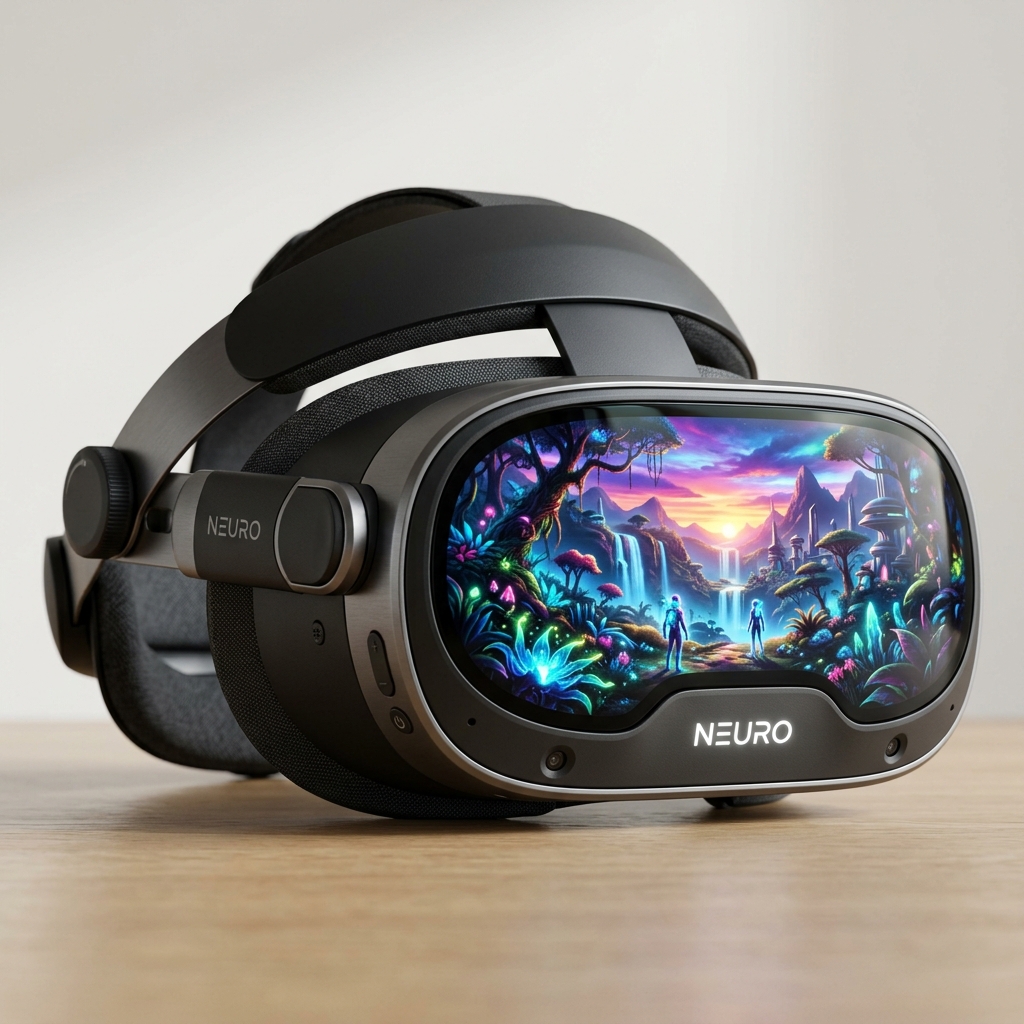
| Headset | Resolution | Refresh Rate | Field of View | Wireless Capability |
|---|---|---|---|---|
| Meta Quest 2 | 1832 x 1920 per eye | 90 Hz | 90 degrees | Yes |
| Meta Quest 3 | 2064 x 2208 per eye | 120 Hz | 110 degrees | Yes |
| Valve Index | 1440 x 1600 per eye | 120 Hz | 130 degrees | Yes |
| HTC Vive Pro 2 | 2448 x 2448 per eye | 120 Hz | 110 degrees | Yes |

Testing the Connection
After setup, testing the connection is advisable. Launch a VR application and observe the performance. Lag or stuttering may indicate a need for further optimization.
Advanced Settings
Some routers offer Quality of Service (QoS) settings. Prioritizing VR traffic can help ensure a smooth streaming experience. Enable QoS and set the Meta Quest as a high-priority device.
Conclusion
Setting up a 5GHz Wi-Fi network for Meta Quest Air Link can significantly enhance the VR experience. With the right configuration and optimization, users can enjoy seamless wireless streaming.
FAQs
What is Air Link in Meta Quest?
Air Link is a feature that allows users to stream VR content wirelessly from a PC to the Meta Quest headset.
Can 5GHz Wi-Fi improve VR streaming quality?
Yes, 5GHz Wi-Fi offers higher data rates and lower latency, which enhances streaming quality and reduces lag.
Do all routers support 5GHz Wi-Fi?
No, only dual-band routers support 5GHz. It’s important to check the specifications before purchasing.
What is the ideal channel for 5GHz Wi-Fi?
Channels 36, 40, 44, and 48 are recommended for optimal performance in the 5GHz range.
Where can the Meta Quest 3 be purchased?
The Meta Quest 3 can be easily found online. For the best deals, visit buy Meta Quest 3.
Understanding 5GHz Wi-Fi Benefits for VR Streaming
5GHz Wi-Fi offers faster speeds and reduced latency, making it ideal for seamless VR experiences. This frequency band is less congested than 2.4GHz, allowing for a more stable connection during intense gaming sessions.
For applications like Meta Quest Air Link, 5GHz ensures that high-definition graphics are delivered without lag. A strong connection minimizes disruptions, enhancing the immersive experience of virtual reality.
Choosing the Right Router for Optimal Performance
Selecting a router that supports Wi-Fi 5 or Wi-Fi 6 is crucial for effective 5GHz streaming. Models such as the ASUS RT-AX3000 or NETGEAR Nighthawk AX12 are excellent choices for high-speed wireless connections.
These routers provide advanced features like MU-MIMO technology, which allows multiple devices to connect simultaneously without degrading performance. This is particularly beneficial when multiple users are connected for VR gaming.
Configuring Your Router for 5GHz Wi-Fi
Access the router's web interface by entering its IP address in a web browser. From there, locate the Wi-Fi settings and enable the 5GHz band if it is not already activated.
It's advisable to set a unique SSID for the 5GHz network to differentiate it from the 2.4GHz band. This helps in connecting the Meta Quest Air Link directly to the faster network.
Optimizing Router Placement for Signal Strength
Router placement significantly affects Wi-Fi performance, especially for 5GHz signals, which have a shorter range. Position the router in a central location within the gaming area to ensure optimal coverage.
Avoid placing the router near walls or obstructions, as these can weaken the signal. Elevating the router can also enhance coverage, allowing for a clearer connection to the VR headset.
Adjusting Channel Settings for Minimal Interference
5GHz Wi-Fi operates on various channels, and selecting the right one can reduce interference from neighboring networks. Use tools like Wi-Fi Analyzer to find the least congested channel in your area.
Manually setting the channel to a less crowded option can improve streaming quality for the Meta Quest Air Link. Regularly checking channel performance is recommended, especially in densely populated areas.
Ensuring Device Compatibility and Updates
Ensure that both the router and the Meta Quest headset are running the latest firmware. Regular updates can improve performance and security, enhancing the overall VR experience.
Check compatibility between the router's 5GHz capabilities and the headset’s requirements. This can prevent connectivity issues and ensure optimal performance during gaming sessions.
Testing Your 5GHz Connection for VR Quality
After configuration, it's essential to test the 5GHz connection for stability and speed. Use speed test applications to measure the download and upload speeds, ensuring they meet the requirements for VR streaming.
A consistent speed of at least 100 Mbps is recommended for a smooth VR experience. Any significant drop in speed may require further adjustments to the router settings.
Troubleshooting Common 5GHz Wi-Fi Issues
Common issues with 5GHz Wi-Fi can include signal drops or slow speeds. If problems arise, restarting the router can often resolve temporary connectivity issues.
For persistent issues, consider changing the channel or adjusting the router's placement. This can help in addressing interference and improving overall performance for VR streaming.
How to Setup and Configure 5GHz Wi-Fi for Meta Quest Air Link Wireless VR Streaming
Setting up a 5GHz Wi-Fi network for Meta Quest Air Link is essential for optimal wireless VR streaming. This guide provides step-by-step instructions to ensure a smooth gaming experience.
Understanding 5GHz Wi-Fi
The 5GHz frequency band offers faster speeds and less interference compared to the 2.4GHz band. It is particularly beneficial for high-bandwidth applications like VR streaming.
Benefits of 5GHz Wi-Fi for VR
- Higher data rates allow for improved graphics and smoother motion.
- Reduced latency enhances the overall responsiveness of the VR experience.
- Less congestion in the 5GHz band means fewer interruptions during gameplay.
Checking Router Compatibility
Before configuring the 5GHz network, ensure your router supports dual-band functionality. Most modern routers, such as the ASUS RT-AX88U and Netgear Nighthawk AX12, come equipped with this capability.
Accessing Router Settings
To configure 5GHz Wi-Fi, access the router’s settings through a web browser. Enter the router's IP address, typically found in the user manual or on the device itself.
Logging Into the Router
Input the admin username and password to log in. Default credentials can often be found on the router or its documentation.
Enabling 5GHz Network
Navigate to the wireless settings section and look for the 5GHz band option. Enable this band if it is not already activated.
Configuring SSID and Password
Set a unique SSID (network name) for the 5GHz network to differentiate it from the 2.4GHz band. Choose a strong password to enhance security.
Adjusting Channel Settings
Select a channel that is less congested to improve performance. Channels 36, 40, 44, and 48 are commonly recommended for 5GHz networks.
Setting Wireless Mode
Choose the appropriate wireless mode, such as 802.11ac or 802.11ax, to ensure compatibility with the Meta Quest headset. These modes support higher speeds suitable for VR.
Saving Changes
After making the necessary adjustments, save the changes and reboot the router if prompted. This ensures that all settings are properly applied.
Connecting Meta Quest to 5GHz Wi-Fi
Once the router is configured, the next step is to connect the Meta Quest headset to the 5GHz Wi-Fi network. Follow these simple steps:
Powering On the Meta Quest
Turn on the Meta Quest headset and ensure it is fully charged for an uninterrupted experience. A low battery can affect performance.
Navigating to Wi-Fi Settings
From the home menu, navigate to the settings and select the Wi-Fi option. This will display available networks.
Selecting the 5GHz Network
Locate the SSID you created for the 5GHz network. Click on it to connect.
Entering the Password
Input the password set during the router configuration. Ensure accuracy to avoid connection issues.
Verifying Connection
Once connected, a confirmation message will appear. Check the network status to ensure a stable connection.
Optimizing Wi-Fi Settings for VR
For the best VR experience, certain optimizations can be made to the router settings. These tweaks enhance performance and reduce lag.
Quality of Service (QoS) Settings
Enable QoS settings on the router to prioritize VR traffic. This ensures that VR streaming receives the necessary bandwidth over other devices.
Enabling MU-MIMO
Multi-User, Multiple Input, Multiple Output (MU-MIMO) allows the router to communicate with multiple devices simultaneously. This feature is beneficial in households with multiple users.
Firmware Updates
Regularly check for firmware updates for the router. Keeping the firmware up to date can improve performance and security.
Troubleshooting Connection Issues
If issues arise during setup or connection, several troubleshooting steps can be taken. These solutions can help restore functionality.
Restarting Devices
Start by restarting both the router and the Meta Quest headset. Often, a simple reboot can resolve connectivity issues.
Checking Signal Strength
Ensure that the headset is within range of the router for optimal signal strength. Walls and other obstructions can impact performance.
Revisiting Router Settings
If problems persist, revisit the router settings to confirm that the 5GHz network is enabled and properly configured.
Using the Meta Quest Air Link
With the 5GHz Wi-Fi network set up, the Meta Quest Air Link can be utilized for wireless VR streaming. Follow these steps to initiate the connection:
Launching the Oculus App
Open the Oculus app on a compatible PC. Ensure that the PC meets the necessary specifications for VR streaming.
Enabling Air Link
In the Oculus app, navigate to the settings and enable Air Link. This allows the headset to connect wirelessly to the PC.
Selecting the PC
The Meta Quest headset will display available PCs. Select the PC running the Oculus app to establish the connection.
Starting VR Streaming
Once connected, the VR streaming experience can begin. Enjoy the immersive world of virtual reality without being tethered to a cable.
Conclusion
Setting up a 5GHz Wi-Fi network for Meta Quest Air Link enhances the wireless VR experience. By following these steps, users can enjoy high-quality streaming with minimal lag.
Regular maintenance and adjustments to the network settings can further improve performance. Happy gaming!