How to Setup and Configure 5GHz Wi-Fi for Meta Quest Air Link Wireless VR Streaming (Rede)

How to Setup and Configure 5GHz Wi-Fi for Meta Quest Air Link Wireless VR Streaming
Setting up a 5GHz Wi-Fi network for Meta Quest Air Link can significantly enhance the wireless VR streaming experience. A strong and stable connection is crucial for uninterrupted gameplay and an immersive experience.
Understanding 5GHz Wi-Fi
The 5GHz frequency band offers faster data rates and less interference compared to the traditional 2.4GHz band. This is especially important in environments with multiple devices competing for bandwidth.
Requirements for Setup
- A compatible router that supports 5GHz Wi-Fi.
- Meta Quest headset with Air Link feature.
- Stable internet connection.
- A PC running compatible VR software.
Router Configuration
Access the router’s settings through a web browser. The router’s IP address is usually printed on the device or can be found in the user manual.
Once logged in, navigate to the wireless settings section. Ensure that the 5GHz band is enabled and configured with a unique SSID and a strong password.
Optimizing Wi-Fi Settings
For improved performance, consider adjusting the channel settings. Channels 36, 40, 44, and 48 are commonly used for 5GHz networks.
Select a channel that experiences the least interference from neighboring networks. Tools like Wi-Fi analyzers can assist in identifying the best option.
Connecting Meta Quest to 5GHz Wi-Fi
Once the 5GHz network is configured, turn on the Meta Quest headset. Navigate to the Wi-Fi settings and select the newly created 5GHz network. Enter the password to connect.
PC Configuration for Air Link
Ensure that the PC is connected to the same 5GHz Wi-Fi network. Open the Oculus app on the PC and enable Air Link in the settings.
It is advisable to check for any updates for the Oculus software to ensure compatibility and performance enhancements.
Testing the Connection
Once the headset is connected, initiate Air Link from the Meta Quest headset. A prompt will appear to confirm the connection to the PC.
It is important to test the connection by launching a VR game. Observing the latency and quality can help determine if additional adjustments are needed.
Comparison of Commercial VR Headsets
| VR Headset | Resolution | Refresh Rate | Field of View | Wireless Capability |
|---|---|---|---|---|
| Meta Quest 2 | 1832 x 1920 per eye | 90 Hz | 89 degrees | Yes |
| Meta Quest 3 | 2064 x 2208 per eye | 120 Hz | 110 degrees | Yes |
| Valve Index | 1440 x 1600 per eye | 144 Hz | 130 degrees | No |
| Pimax 8K X | 3840 x 2160 per eye | 75 Hz | 200 degrees | No |
Enhancing the VR Experience
In addition to setting up a robust 5GHz network, optimizing the physical space can further enhance the VR experience. Ensure that the play area is clear of obstacles and well-lit.
Using a dedicated router for the VR setup can also alleviate congestion from other devices.
Common Issues and Troubleshooting
In case of connectivity issues, resetting the router can resolve many problems. Additionally, restarting the Meta Quest headset and the PC can refresh the connection.
Ensure that no other heavy bandwidth-consuming applications are running on the network during gameplay.
Conclusion
Setting up a 5GHz Wi-Fi network for Meta Quest Air Link can transform the VR experience. Following the outlined steps ensures a smoother, more enjoyable gaming session.
For those considering an upgrade, buy Meta Quest 3 for enhanced performance and features.
FAQ
What is the difference between 2.4GHz and 5GHz Wi-Fi?
2.4GHz offers a longer range but slower speeds, while 5GHz provides faster speeds with a shorter range and less interference.
Can multiple devices use 5GHz Wi-Fi simultaneously?
Yes, multiple devices can connect to a 5GHz network. However, bandwidth may be shared among them, affecting performance.
Is a wired connection better than wireless for VR?
A wired connection typically offers lower latency and higher stability. However, a well-configured 5GHz wireless connection can also be effective.
How can the play area affect VR performance?
A clear and spacious play area reduces the chance of accidents and allows for a more immersive experience. Clutter can lead to interruptions during gameplay.
What should be done if the connection lags?
Checking the network conditions and reducing the number of active devices can help. It may also be necessary to adjust the router settings to optimize performance.
Understanding 5GHz Wi-Fi Benefits for VR Streaming
5GHz Wi-Fi offers higher speeds and lower latency compared to 2.4GHz, making it ideal for seamless VR experiences. This frequency also reduces interference from other household devices, enhancing the overall streaming quality.
Utilizing 5GHz Wi-Fi can significantly improve the visual quality of VR games on devices like the Meta Quest 2. A stable connection ensures that virtual environments load smoothly, allowing for an immersive experience.
Choosing the Right Router for Optimal Performance
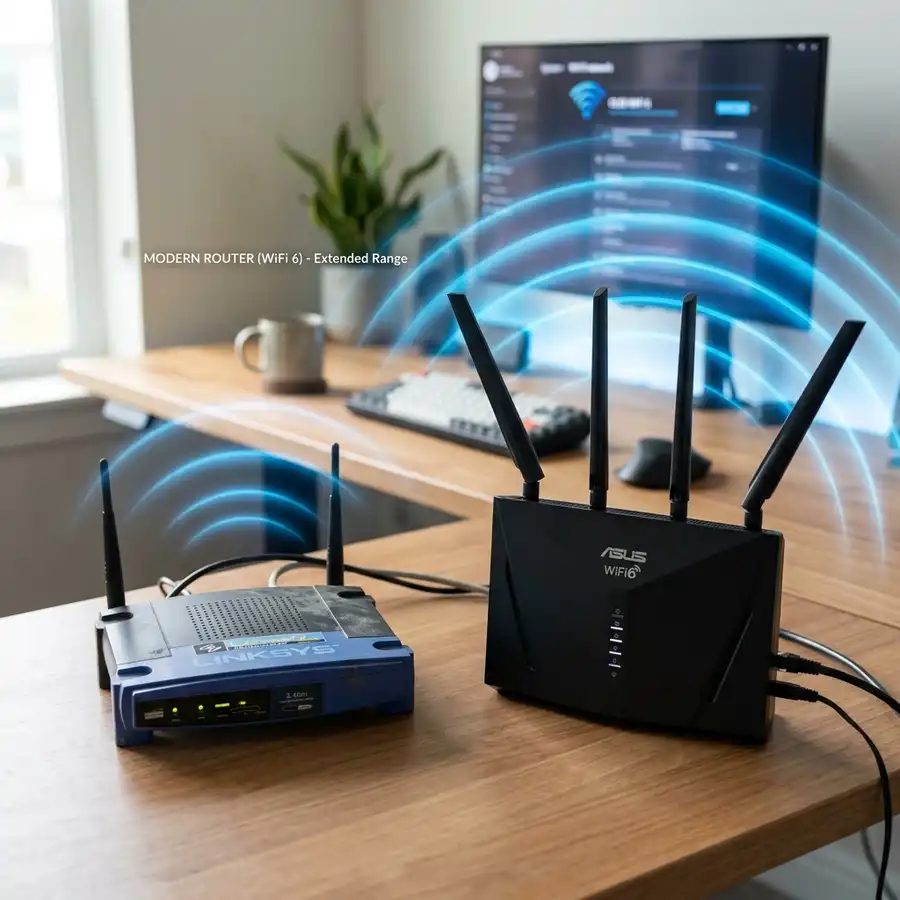
Selecting a router that supports the latest Wi-Fi standards, such as Wi-Fi 6, can greatly enhance performance for VR streaming. Routers from brands like ASUS and Netgear offer reliable options with advanced features for handling high-bandwidth activities.
Consider routers with multiple antennas and MU-MIMO technology to support multiple devices without sacrificing speed. This ensures a strong signal and consistent performance, essential for activities like VR gaming.
Configuring Your Router for 5GHz Wi-Fi
Access your router's settings through a web browser to enable the 5GHz band. Look for the wireless settings section and select the 5GHz option, ensuring it is activated and visible to devices.
Adjust the channel width to 40MHz or 80MHz for better throughput, which is particularly beneficial for VR streaming. Setting the channel to a less congested frequency can also improve connection stability.
Connecting Your Meta Quest to 5GHz Wi-Fi
Ensure your Meta Quest headset is powered on and navigate to the Wi-Fi settings in the device menu. Scan for available networks and select the 5GHz network you configured on your router.
Input the Wi-Fi password when prompted, and once connected, the headset can leverage the improved speed and reduced latency for a better VR experience. Regularly check the connection status for optimal performance.
Optimizing Your Network for VR Streaming
Positioning your router in a central location can eliminate dead zones and improve signal strength throughout your space. Avoid obstacles such as walls and metal objects that can interfere with the Wi-Fi signal.
Disable other bandwidth-heavy applications on the network while using the Meta Quest. Limiting these activities can help maintain a stable connection, ensuring VR games run smoothly without interruptions.
Troubleshooting Common Connection Issues
If experiencing lag or disconnections, first check the distance between the headset and the router. Moving closer can often resolve connectivity problems, allowing for a stronger signal.
Restarting both the router and the Meta Quest headset can also clear temporary glitches. If issues persist, consider updating the router firmware for improved performance and security.
Enhancing Your VR Experience with Additional Tools
Using a dedicated Wi-Fi extender can help boost the signal strength in larger areas, ensuring optimal coverage for VR streaming. This is especially useful in multi-story homes where the router may not reach all areas effectively.
Additionally, employing Quality of Service (QoS) settings on your router can prioritize VR traffic over other devices. This configuration ensures that gaming experiences remain smooth, even when multiple devices are connected to the network.
How to Setup and Configure 5GHz Wi-Fi for Meta Quest Air Link Wireless VR Streaming
Meta Quest Air Link allows users to enjoy a wireless VR streaming experience using the Meta Quest headset. Setting up and configuring a 5GHz Wi-Fi network is crucial for optimal performance and minimal latency during VR gaming sessions.
Understanding 5GHz Wi-Fi
5GHz Wi-Fi operates on a higher frequency than 2.4GHz, offering faster speeds and reduced interference. This makes it ideal for data-intensive applications like VR streaming.
Requirements
- Meta Quest 2 or Meta Quest Pro headset
- Compatible router that supports 5GHz Wi-Fi
- PC with Oculus software installed
- USB-C cable (for initial setup)
Router Configuration
Before connecting the Meta Quest to the 5GHz network, ensure the router is configured correctly. Access the router's settings through a web browser by entering its IP address.
Accessing Router Settings
To access the router settings, connect a device to the router via Ethernet or Wi-Fi. Enter the router's IP address, usually found on the back of the device or in the user manual.
Enabling 5GHz Band
Once logged in, navigate to the wireless settings section. Enable the 5GHz band if it is not already activated. Some routers may require you to create a separate SSID for the 5GHz network.
Optimizing Wi-Fi Channel
Select a less congested channel for the 5GHz network to minimize interference from neighboring networks. Channels 36, 40, 44, and 48 are commonly recommended for optimal performance.
Network Security Settings
Ensure the Wi-Fi security settings utilize WPA3 or WPA2 for robust protection. Avoid using WEP as it is outdated and less secure.
Connecting Meta Quest to 5GHz Wi-Fi
With the router configured, it is time to connect the Meta Quest headset to the 5GHz Wi-Fi network. Put on the headset and navigate to the settings menu.
Navigating to Wi-Fi Settings
In the settings menu, select the 'Wi-Fi' option. The headset will automatically scan for available networks.
Selecting the Correct Network
Locate the 5GHz network created earlier and select it. Enter the Wi-Fi password when prompted and connect.
Configuring Oculus Software on PC
Ensure the Oculus software on the PC is up to date. Launch the software and navigate to the settings menu.
Enabling Air Link
In the Oculus software, find the 'Beta' section under settings. Enable the 'Air Link' option to allow wireless streaming from the PC to the Meta Quest headset.
Launching Air Link from the Headset
After enabling Air Link on the PC, return to the Meta Quest headset. In the settings menu, select 'Experimental Features' and enable Air Link.
Establishing a Connection
With Air Link enabled, navigate back to the Oculus Home menu. Select the 'Oculus Link' option and choose 'Air Link' to establish a connection to the PC.
Testing the Connection
Once connected, launch a VR game or application to test the connection. Monitor for any latency or connection issues during gameplay.
Troubleshooting Common Issues
If issues arise, check the router placement, ensuring it is centrally located and free from obstructions. Additionally, consider restarting both the router and the headset.
Improving Signal Strength
- Keep the router off the floor and elevated on a shelf.
- Avoid placing the router near large metal objects or devices that may cause interference.
- Limit the number of walls between the headset and the router.
Advanced Router Settings
Some routers offer advanced settings that can further optimize performance. Quality of Service (QoS) settings can prioritize VR traffic for improved streaming consistency.
Using Ethernet for PC Connection
For the best performance, connect the PC to the router using an Ethernet cable. This provides a stable connection and reduces latency when streaming to the headset.
Recommended Routers for VR Streaming
| Router Model | Max Speed | Recommended For |
|---|---|---|
| Asus RT-AX88U | 6000 Mbps | High-end gaming |
| Nighthawk AX12 (RAX120) | 6000 Mbps | Large homes |
| TP-Link Archer AX6000 | 6000 Mbps | Budget-friendly option |
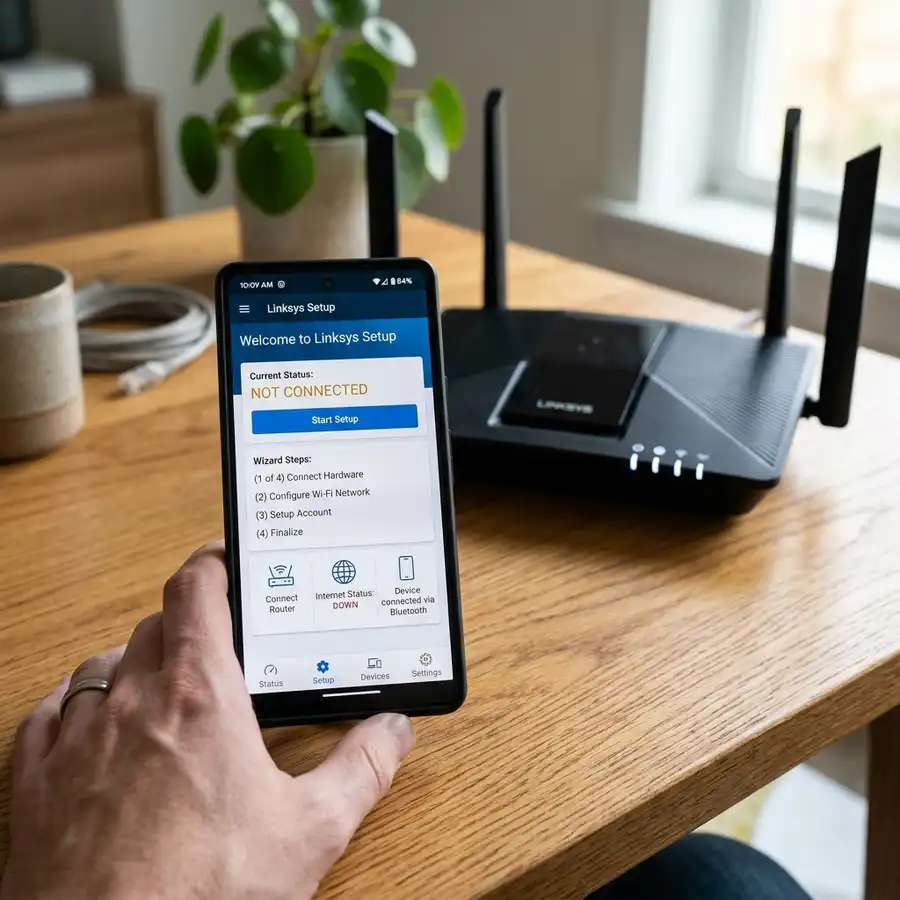
| Linksys MR9600 | 6000 Mbps | Mesh networking |
Maintaining Connection Quality
Regularly check for software updates for both the headset and the Oculus software on the PC. Keeping software up to date can help maintain connection quality and performance.
Benefits of 5GHz Wi-Fi for VR Streaming
Utilizing a 5GHz network for VR streaming offers several benefits. These include reduced latency, higher bandwidth, and improved overall performance compared to 2.4GHz networks.
Conclusion
Setting up and configuring a 5GHz Wi-Fi network for Meta Quest Air Link wireless VR streaming is essential for an immersive gaming experience. Following the outlined steps will ensure a stable and high-quality connection for VR enthusiasts.