How to Setup and Configure 5GHz Wi-Fi for Meta Quest Air Link Wireless VR Streaming

How to Setup and Configure 5GHz Wi-Fi for Meta Quest Air Link Wireless VR Streaming
In the realm of virtual reality, achieving a seamless experience is paramount. The Meta Quest Air Link feature allows for wireless streaming of VR content, but it requires a robust network connection. A 5GHz Wi-Fi setup is essential for optimal performance.
Understanding the Importance of 5GHz Wi-Fi
The 5GHz band offers advantages over the traditional 2.4GHz band. It provides faster speeds, less interference, and higher bandwidth, making it ideal for data-intensive applications like VR streaming.
Essential Equipment for Setup
Before diving into the configuration process, ensure that the following equipment is available:
- A compatible router that supports 5GHz Wi-Fi.
- The Meta Quest headset.
- A stable internet connection.
Configuring Your Router for 5GHz Wi-Fi
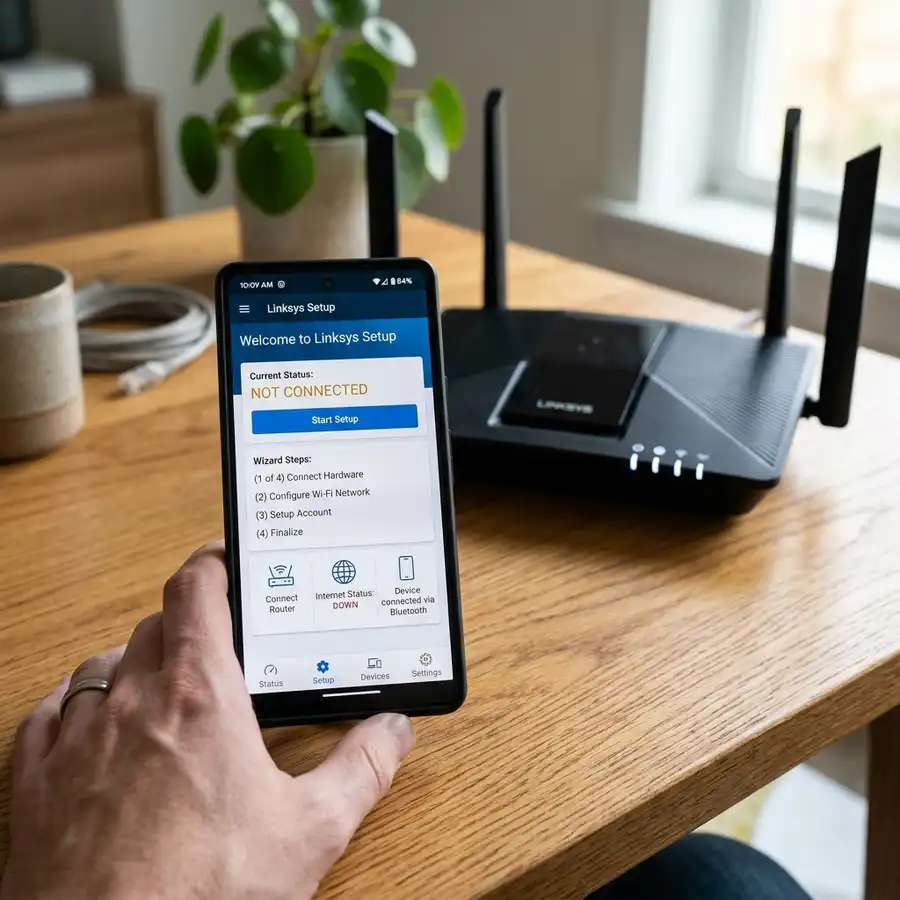
Access the router’s settings through a web browser. Typically, this involves entering the router's IP address in the address bar. Common IP addresses include 192.168.1.1 or 192.168.0.1.
Login using the admin credentials. If these have not been changed, they can often be found on a sticker on the router itself.
Enabling the 5GHz Band
Locate the wireless settings section in the router's interface. There should be an option to enable the 5GHz band. Ensure that this option is activated.
Choosing the Right Channel
Selecting the right channel can significantly reduce interference. Channels 36, 40, 44, and 48 are recommended for optimal performance.
Configuring the Meta Quest for Air Link
Once the router is set up, the next step involves configuring the Meta Quest headset. Ensure that the headset is updated to the latest software version.
Activating Air Link
Navigate to the settings menu on the headset. Under the "Experimental Features" section, enable Air Link. A list of available networks will be displayed.
Connecting to the 5GHz Network
Select the previously configured 5GHz network from the list. Enter the Wi-Fi password when prompted, and confirm the connection.
Testing the Connection
After a successful connection, it is crucial to test the network's performance. Launch a VR game or experience that is known for its graphics intensity. This will provide a good indication of the network's capability.
Comparison of Popular VR Headsets
| VR Headset | Resolution | Refresh Rate | Wireless Capability | Price |
|---|---|---|---|---|
| Meta Quest 2 | 1832 x 1920 per eye | 90 Hz | Yes | $299 |
| Meta Quest 3 | 2064 x 2208 per eye | 120 Hz | Yes | buy Meta Quest 3 |
| Valve Index | 1440 x 1600 per eye | 120 Hz | Yes | $999 |
| HTC Vive Pro 2 | 2448 x 2448 per eye | 120 Hz | Yes | $799 |
| Pico Neo 3 | 1832 x 1920 per eye | 90 Hz | Yes | $499 |

Frequently Asked Questions
What is the advantage of using 5GHz Wi-Fi for VR streaming?
The 5GHz band offers higher speeds and less interference, which is crucial for smooth VR experiences.
Can 2.4GHz Wi-Fi be used for Meta Quest Air Link?
While it is possible to use 2.4GHz, it is not recommended due to lower speeds and higher latency.
How can network performance be optimized for VR?
Ensuring a direct line of sight to the router and minimizing obstructions can help optimize performance.
Is it necessary to have a dedicated router for VR streaming?
A dedicated router can enhance performance, but it is not strictly necessary if the existing network is robust.
What should be done if connection issues occur?
Check the router settings, restart the devices, and ensure that the headset is updated to the latest software version.
Understanding 5GHz Wi-Fi Benefits for VR Streaming
The 5GHz frequency band offers higher speeds and less interference compared to the traditional 2.4GHz band. This makes it an ideal choice for low-latency applications such as VR streaming with Meta Quest.
By utilizing the 5GHz band, users can enjoy smoother gameplay and reduced frame drops, enhancing the overall virtual reality experience. The increased bandwidth allows for high-definition streaming without compromising performance.
Additionally, 5GHz Wi-Fi is less congested, making it easier to maintain a stable connection, especially in environments with multiple devices. This ensures an uninterrupted immersive experience in the Meta Quest Air Link.
Choosing the Right Router for Optimal Performance
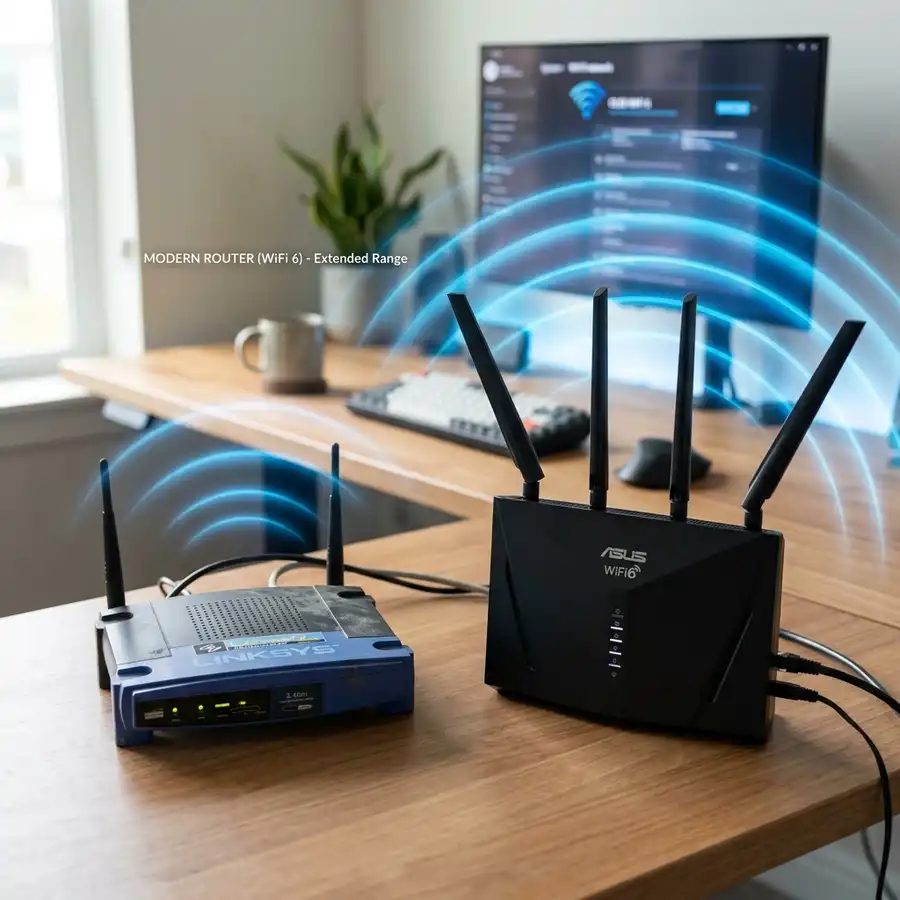
Selecting a router that supports the 802.11ac or 802.11ax (Wi-Fi 6) standards is essential for achieving the best 5GHz performance. These routers provide faster speeds and improved range, critical for VR streaming.
Look for routers with multiple antennas and MU-MIMO technology to support multiple devices simultaneously without sacrificing speed. This feature is particularly useful in households with several smart devices.
Ensure that the router is placed in a central location to maximize coverage. This positioning helps to reduce dead zones and maintain a strong signal for the Meta Quest headset during gaming sessions.
Configuring Your Router for 5GHz Wi-Fi
Access the router's settings through a web browser by entering its IP address, usually found on the back of the device. Navigate to the wireless settings and enable the 5GHz band if it is not already active.
Set a unique SSID for the 5GHz network to distinguish it from the 2.4GHz network, ensuring easy identification when connecting devices. It is also advisable to select a less crowded channel to minimize interference from neighboring networks.
Adjusting the channel width to 40MHz or 80MHz can further enhance performance. This setting allows for wider data lanes, improving the overall throughput of the wireless connection.
Connecting Your Meta Quest to the 5GHz Network
To connect the Meta Quest to the newly configured 5GHz network, turn on the headset and navigate to the settings menu. Select the Wi-Fi option and find the SSID of the 5GHz network created earlier.
Enter the network password when prompted to establish the connection. Once connected, the headset will automatically remember the network for future use, simplifying the process for subsequent sessions.
Verifying the connection strength in the settings can help ensure optimal performance. A strong signal is crucial for reducing latency and enhancing the VR streaming experience.
Optimizing Your Home Network for VR Streaming
For the best VR experience, consider prioritizing bandwidth for your Meta Quest device through Quality of Service (QoS) settings on your router. This feature allows you to allocate more resources to the VR headset, minimizing lag during gameplay.
Disconnecting any unnecessary devices from the network can also help reduce congestion, ensuring that the Meta Quest receives the maximum available bandwidth. Limiting background applications that consume internet resources can further enhance performance.
Regularly updating the router's firmware can also improve stability and security, ensuring the best possible experience during VR streaming. Keeping the network secure with a strong password is equally important to prevent unauthorized access.
Troubleshooting Common 5GHz Wi-Fi Issues
If the Meta Quest struggles to maintain a stable connection to the 5GHz network, consider checking for interference from other electronic devices. Microwaves and cordless phones can disrupt the signal, so positioning the router away from such devices is advisable.
Sometimes, simply rebooting the router can resolve connectivity issues. Additionally, adjusting the channel settings may help in overcoming interference from neighboring networks.
Using a Wi-Fi analyzer app can assist in identifying the least congested channels, optimizing the network for better performance. This proactive approach can lead to a more enjoyable VR experience.
Enhancing Your VR Experience with Additional Equipment
Utilizing a Wi-Fi range extender can help improve coverage in larger homes, ensuring that the 5GHz signal reaches all areas where VR play occurs. This addition can significantly reduce dead spots and enhance connectivity.
An Ethernet connection from the router to a gaming PC can also provide a stronger backbone for streaming, reducing latency and improving overall performance during demanding VR sessions. This setup is particularly beneficial for users who often switch between wired and wireless play.
Investing in a dedicated gaming router designed for low-latency applications can further elevate the VR experience. These routers often come with features tailored for gamers, ensuring optimal performance during intense sessions.
How to Setup and Configure 5GHz Wi-Fi for Meta Quest Air Link Wireless VR Streaming
The Meta Quest is a powerful VR headset that offers a wireless streaming feature known as Air Link. To achieve the best performance with this feature, it is essential to configure your Wi-Fi network to run on the 5GHz band.
Understanding 5GHz Wi-Fi
5GHz Wi-Fi offers several advantages over the traditional 2.4GHz band. These advantages include faster speeds, less interference, and more available channels, making it ideal for bandwidth-intensive applications like VR gaming.
Equipment Required
Before setting up the 5GHz Wi-Fi for Meta Quest Air Link, ensure you have the following equipment:
- A compatible router that supports 5GHz Wi-Fi
- Meta Quest 2 or Meta Quest Pro headset
- A gaming PC with a compatible graphics card
- Ethernet cable (optional, but recommended for the PC)
Step 1: Check Router Compatibility
First, confirm that the router supports dual-band frequencies. Most modern routers will have this capability, but it is advisable to verify its specifications.
Step 2: Access Router Settings
Log into your router's settings page using a web browser. The URL is often 192.168.1.1 or 192.168.0.1. Refer to the router's manual for specific instructions.
Step 3: Enable 5GHz Band
Once logged in, navigate to the wireless settings section. Locate the option to enable the 5GHz band if it is not already activated.
Step 4: Configure SSID and Password
Set a unique SSID for the 5GHz network to differentiate it from your 2.4GHz network. Additionally, create a strong password to secure the network.
| Headset Model | Recommended 5GHz Channel | Recommended Security Protocol |
|---|---|---|
| Meta Quest 2 | Channel 36 | WPA3 |
| Meta Quest Pro | Channel 40 | WPA3 |
Step 5: Optimize Router Settings
For optimal performance, adjust the channel width of the 5GHz band to 40MHz or 80MHz. This setting allows for faster data transfer rates, which is critical for VR streaming.
Step 6: Connect the PC to the Router
If possible, connect the gaming PC directly to the router using an Ethernet cable. This wired connection enhances stability and reduces latency during gaming.
Step 7: Update Router Firmware
Ensure that the router firmware is updated to the latest version. Manufacturers regularly release updates that can improve performance and security.
Step 8: Connect Meta Quest Headset
Put on the Meta Quest headset and navigate to the settings menu. Locate the Wi-Fi settings and connect to the 5GHz network you just configured.
Step 9: Enable Air Link
Within the headset, go to the Experimental Features section under settings. Enable the Air Link feature to start streaming content from the PC.
Step 10: Launch the Oculus App
On the gaming PC, open the Oculus app. Ensure the app is running in the background while using Air Link.
Troubleshooting Common Issues
If experiencing connectivity issues or lag, consider the following troubleshooting tips:
- Check the distance between the headset and the router. Walls and obstacles can weaken the signal.
- Reduce the number of devices connected to the 5GHz network to ensure more bandwidth is available for VR streaming.
- Reboot the router and headset to refresh the connections.
Conclusion
Setting up the 5GHz Wi-Fi for Meta Quest Air Link enhances the wireless VR experience significantly. By following the outlined steps, users can ensure a smooth and enjoyable streaming experience.
Additional Tips for Best Performance
To further improve the VR streaming experience, consider the following tips:
- Position the router in a central location to maximize coverage.
- Use a dual-band router with Quality of Service (QoS) settings to prioritize VR traffic.
- Regularly check for firmware updates for both the router and the Meta Quest headset.
Recommended Routers for 5GHz Wi-Fi
Here is a list of routers that are known for their excellent performance with 5GHz Wi-Fi:
| Router Brand | Router Model | Maximum Speed |
|---|---|---|
| Netgear | Nighthawk RAX50 | 4500 Mbps |
| Asus | RT-AX86U | 5700 Mbps |
| TP-Link | Archer AX6000 | 5952 Mbps |
Final Thoughts
Wireless VR streaming can be an incredible experience when set up correctly. By utilizing the 5GHz Wi-Fi band and following the configuration steps, the Meta Quest headset can deliver smooth and immersive gameplay.
For the best results, regularly monitor the network performance and make adjustments as necessary. Enjoy the world of virtual reality with optimal connectivity!