How to Setup and Configure 5GHz Wi-Fi for Meta Quest Air Link Wireless VR Streaming
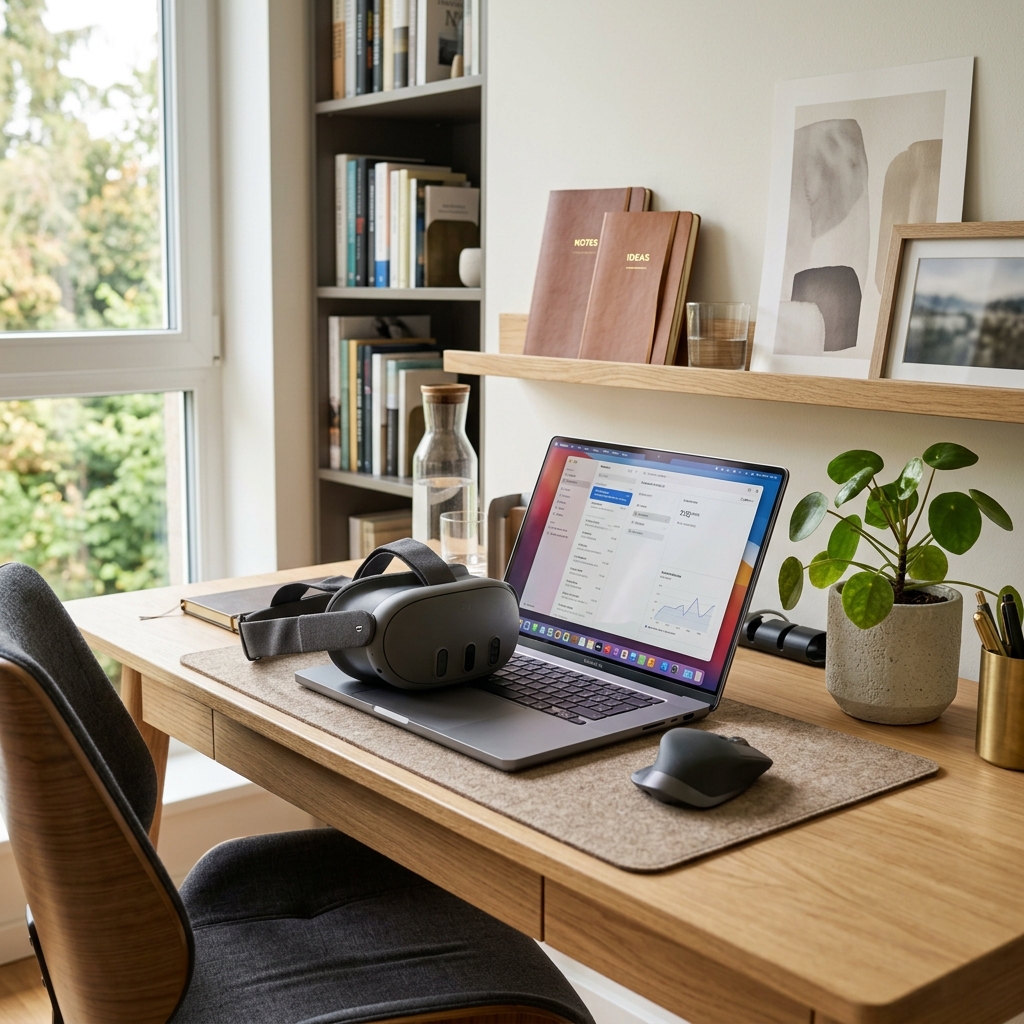
How to Setup and Configure 5GHz Wi-Fi for Meta Quest Air Link Wireless VR Streaming
Setting up and configuring 5GHz Wi-Fi for Meta Quest Air Link wireless VR streaming can significantly enhance the virtual reality experience. This guide provides a thorough walkthrough to ensure optimal performance and connectivity.
The Meta Quest Air Link utilizes a robust 5GHz Wi-Fi connection to deliver high-quality streaming with reduced latency. It is crucial to configure the network correctly to maximize performance.
Understanding 5GHz Wi-Fi
5GHz Wi-Fi offers higher speeds and less interference compared to 2.4GHz bands. However, it has a shorter range, making placement of the router vital for optimal connectivity.
Comparison of Popular VR Headsets
| Headset Model | Display Resolution | Refresh Rate | Field of View | Wireless Capability |
|---|---|---|---|---|
| Meta Quest 3 | 2064 x 2208 per eye | 120 Hz | 110 degrees | Yes, with Air Link |
| Meta Quest 2 | 1832 x 1920 per eye | 90 Hz | 90 degrees | Yes, with Air Link |
| HTC Vive Focus 3 | 2448 x 2448 per eye | 90 Hz | 110 degrees | Yes, standalone |
| Valve Index | 1440 x 1600 per eye | 120 Hz (up to 144 Hz) | 130 degrees | No, wired only |
| PlayStation VR2 | 2000 x 2040 per eye | 90/120 Hz | 110 degrees | No, wired only |
| Apple Vision Pro | Not specified | Not specified | Not specified | Yes, wireless |
Step-by-Step Setup Guide for 5GHz Wi-Fi
- Ensure the router supports dual-band (2.4GHz and 5GHz) Wi-Fi.
- Log in to the router's web interface, usually accessed via a web browser.
- Navigate to the wireless settings section.
- Enable the 5GHz band if it is not already enabled.
- Set the SSID (network name) for the 5GHz band. Choose a unique name to distinguish it from 2.4GHz.
- Choose a channel for the 5GHz band. Channels 36, 40, 44, and 48 are recommended for optimal performance.
- Set the security mode to WPA3 or WPA2 for better security.
- Create a strong password for the Wi-Fi network.
- Save the settings and restart the router if required.
- Connect the Meta Quest headset to the newly configured 5GHz Wi-Fi network.
DomineTec Tip: For optimal performance, ensure that the router is positioned close to the play area. Consider using a mesh network for better coverage. Explore options to buy Meta Quest 3 for an enhanced VR experience.
Optimizing the Meta Quest for Air Link
After setting up the Wi-Fi, the next step is to optimize the Meta Quest headset for Air Link usage. This ensures a seamless VR experience during gameplay.
Configuring the Meta Quest Headset
Launch the Meta Quest app on a compatible device. Navigate to the settings menu and select the 'Experimental Features' section.

Enable the 'Air Link' option. This feature allows the headset to connect wirelessly to a PC running compatible VR software.
Ensuring PC Compatibility
The PC used for streaming VR content must meet specific hardware requirements. A powerful GPU and adequate RAM are essential for a smooth experience.
Common Issues and Troubleshooting
Even with the best setup, issues may arise during wireless streaming. Familiarizing with common problems and their solutions is beneficial.
Connection Drops
If the connection drops frequently, check the distance between the headset and the router. Repositioning the router closer may help.
Low Frame Rates
Low frame rates can occur due to high network congestion. Reducing the number of connected devices may alleviate this issue.
For additional troubleshooting, consult the guide on how to fix meta quest 2 tracking lost error.

Frequently Asked Questions
1. What are the benefits of using 5GHz Wi-Fi for VR streaming?
5GHz Wi-Fi provides higher data rates and less interference, resulting in smoother streaming and reduced latency for VR applications.
2. Can 5GHz Wi-Fi penetrate walls effectively?
5GHz signals have a shorter range and are less capable of penetrating walls than 2.4GHz signals, making router placement crucial.
3. Is it possible to connect multiple Quest headsets to the same network?
Yes, multiple Quest headsets can connect to the same 5GHz network. However, ensure the router can handle the increased bandwidth demand.
4. How can performance be further improved beyond Wi-Fi configuration?
Upgrading the router to one that supports Wi-Fi 6 or utilizing a wired connection for the PC can enhance performance.
5. Are there specific routers recommended for VR streaming?
Routers with dual-band capabilities, high throughput, and low latency, such as the ASUS RT-AX3000 or NETGEAR Nighthawk AX12, are recommended for VR streaming.
Understanding 5GHz Wi-Fi Benefits for VR Streaming
5GHz Wi-Fi offers a higher frequency band that significantly reduces interference from other devices, making it ideal for VR streaming. This results in smoother gameplay and minimized latency, enhancing the overall virtual reality experience.
With increased bandwidth, 5GHz networks support higher data rates, accommodating the demands of VR headsets like the Meta Quest 2. This ensures crisp visuals and responsive controls, which are crucial for an immersive experience.
Choosing the Right Router for Optimal Performance
Selecting a router that supports 5GHz is essential for effective VR streaming. Look for dual-band routers with features like MU-MIMO and beamforming to optimize performance and coverage.
Popular models such as the ASUS RT-AX88U and Netgear Nighthawk AX12 are excellent choices, providing fast speeds and reliability for demanding applications like Meta Quest Air Link. Investing in a high-quality router can significantly enhance streaming quality.
Configuring Your Router for VR Streaming
Access the router's configuration page through a web browser to set up the 5GHz band. Ensure the SSID is distinct from the 2.4GHz band to avoid confusion when connecting devices.
Adjust settings such as channel width to 40MHz or 80MHz to maximize bandwidth and select a channel with minimal interference. This configuration is crucial for achieving optimal streaming performance with Meta Quest Air Link.
Enhancing Wi-Fi Range and Signal Strength
To improve the 5GHz signal strength, position the router in a central location, away from walls and obstructions. This placement reduces dead zones, ensuring a strong connection throughout the space.
Utilizing Wi-Fi extenders or mesh systems can further enhance coverage, especially in larger homes. Devices like the Eero Pro 6 can provide seamless connectivity, allowing for smooth VR streaming experiences.
Connecting Meta Quest to 5GHz Wi-Fi
To connect Meta Quest to the 5GHz network, navigate to the settings menu and select the Wi-Fi option. Ensure the headset is within range of the router to establish a strong connection.
Input the network password when prompted, and verify that the headset is connected to the correct 5GHz SSID. A stable connection is vital for optimal performance during VR sessions.
Testing Your Connection for VR Streaming
Before diving into VR experiences, conduct a speed test to ensure the 5GHz connection meets streaming requirements. A minimum of 30 Mbps is recommended for smooth performance with Meta Quest Air Link.
Utilize tools and apps designed for network testing to check for latency and packet loss. This proactive approach helps identify potential issues that could affect the VR streaming experience.
Troubleshooting Common 5GHz Wi-Fi Issues
If connectivity problems arise, consider adjusting the router's channel settings to avoid interference from nearby networks. Switching to a less congested channel can significantly improve performance.
Rebooting the router and headset can also resolve temporary glitches. Keeping firmware updated on both the router and Meta Quest ensures optimal compatibility and performance.
How to Setup and Configure 5GHz Wi-Fi for Meta Quest Air Link Wireless VR Streaming
Setting up a 5GHz Wi-Fi network for Meta Quest Air Link is essential for an optimal wireless VR streaming experience. The 5GHz band provides higher speeds and lower interference compared to the 2.4GHz band, making it the ideal choice for VR applications.
Understanding 5GHz Wi-Fi
The 5GHz frequency offers more channels, which reduces congestion and allows for faster data transmission. This is particularly important for VR streaming, where low latency and high bandwidth are crucial.
Benefits of 5GHz Wi-Fi for VR Streaming
- Higher Data Rates: The 5GHz band supports faster data rates, resulting in smoother streaming.
- Less Interference: Fewer devices operate on the 5GHz band, minimizing interference and improving connection stability.
- Reduced Latency: Lower latency is critical for a seamless VR experience, making 5GHz an optimal choice.
Requirements
Before setting up the 5GHz Wi-Fi network, ensure the following requirements are met:
- A compatible router with 5GHz support.
- Meta Quest headset, such as the Meta Quest 2 or Meta Quest Pro.
- A stable internet connection with sufficient bandwidth.
Step 1: Check Router Capabilities
First, verify that the Wi-Fi router supports dual-band functionality, specifically the 5GHz band. Most modern routers come equipped with this feature, but it is always good to check the specifications.
Step 2: Access Router Settings
To configure the router, access its settings by entering the router's IP address in a web browser. This address is typically found on the router's label or in the user manual.
Step 3: Log in to the Router
Enter the router’s username and password to log in. If the default credentials have not been changed, this information can often be found in the documentation as well.
Step 4: Enable 5GHz Band
Once logged in, navigate to the wireless settings section. Look for the option to enable the 5GHz band if it is not already activated.
Step 5: Set SSID and Password
Assign a unique SSID (network name) for the 5GHz network. This makes it easier to identify when connecting devices. Additionally, create a strong password to secure the network.
Step 6: Adjust Channel Settings
Choose a channel that is less crowded to optimize performance. Channels 36, 40, 44, and 48 are commonly recommended for 5GHz networks.
Step 7: Save Changes
After making all necessary adjustments, save the changes and restart the router if prompted. This ensures all settings take effect.
Step 8: Connect Meta Quest to 5GHz Network
On the Meta Quest headset, navigate to the settings menu and select the Wi-Fi option. Locate the newly created 5GHz SSID and connect by entering the password.
Step 9: Optimize Router Placement
For the best connection, position the router in a central location within the space where VR will be used. Avoid placing the router near walls or obstructions, as these can weaken the signal.
Step 10: Test the Connection
After connecting the headset to the 5GHz network, test the connection quality. Launch a VR application to check for latency and performance.
Troubleshooting Connection Issues
If experiencing issues with the connection, consider the following troubleshooting steps:
- Ensure the headset is within range of the router.
- Restart both the router and the VR headset.
- Check for firmware updates for the router.
- Reduce the number of connected devices on the 5GHz network.
Recommended Routers for VR Streaming
| Router Model | Max Speed | Features |
|---|---|---|
| Asus RT-AX86U | 5700 Mbps | Wi-Fi 6, Gaming features, AiProtection |
| Netgear Nighthawk AX12 | 6000 Mbps | Wi-Fi 6, 12 streams, Smart Connect |
| TP-Link Archer AX6000 | 5952 Mbps | Wi-Fi 6, 8 Gigabit ports, Advanced security |
Additional Tips for Optimal Performance
To further enhance the VR streaming experience, consider the following tips:
- Enable Quality of Service (QoS) settings on the router to prioritize VR traffic.
- Regularly update the router's firmware to maintain performance and security.
- Consider using a wired connection for the VR gaming PC to ensure a stable connection.
Conclusion
Setting up a 5GHz Wi-Fi network for Meta Quest Air Link enhances the wireless VR streaming experience significantly. Following these steps ensures a stable and high-speed connection, minimizing latency and maximizing enjoyment.
By choosing the right router and optimizing settings, users can enjoy immersive VR experiences without interruption. With the proper setup, the possibilities for virtual reality gaming become limitless.




