How to Setup and Configure 5GHz Wi-Fi for Meta Quest Air Link Streaming
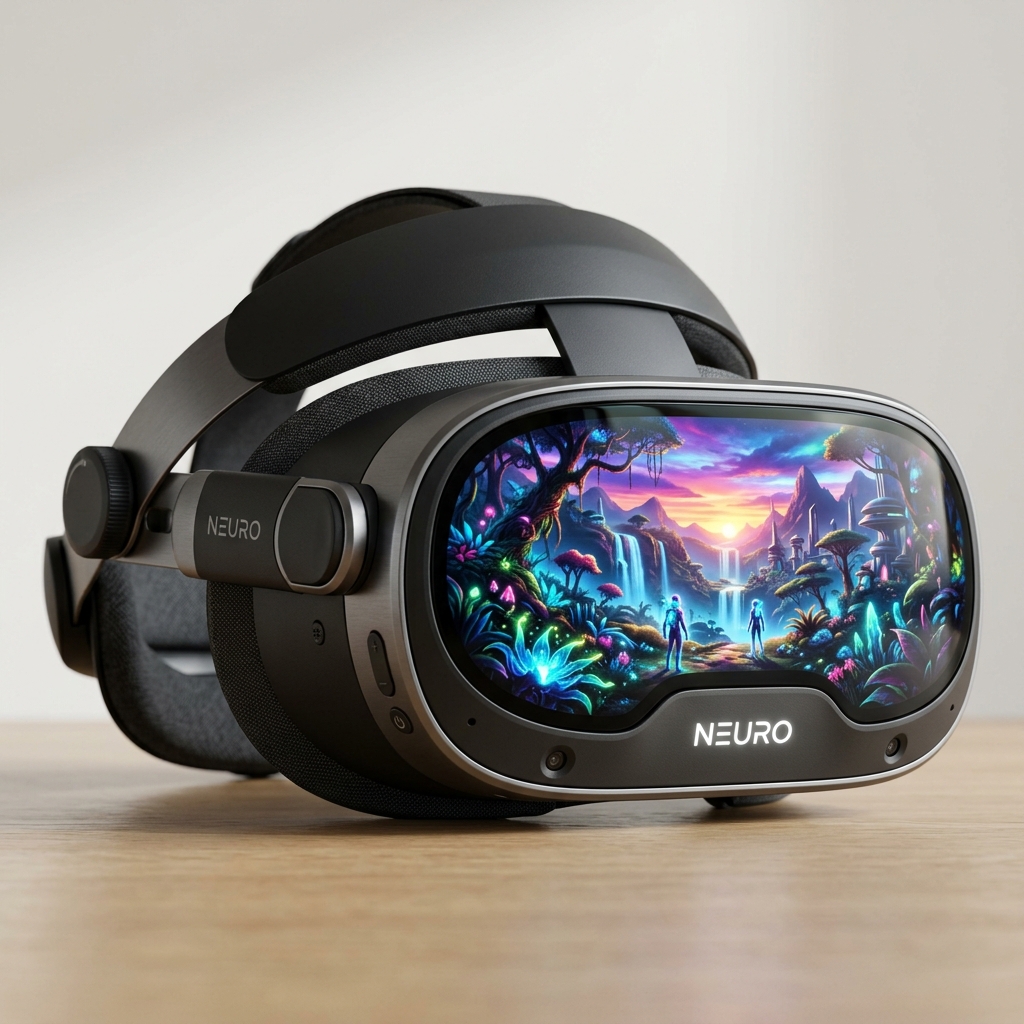
How to Setup and Configure 5GHz Wi-Fi for Meta Quest Air Link Streaming
Setting up and configuring 5GHz Wi-Fi for Meta Quest Air Link streaming ensures a seamless and immersive virtual reality experience. This guide provides a comprehensive approach to optimizing Wi-Fi settings for high-performance VR streaming.
Understanding 5GHz Wi-Fi and Its Advantages
5GHz Wi-Fi operates on a higher frequency than 2.4GHz, offering faster data rates and reduced interference. This frequency is critical for applications like VR streaming, where latency and bandwidth are key factors.
Comparison of Popular VR Headsets
| Model | Display Resolution | Refresh Rate | Field of View | Wi-Fi Compatibility |
|---|---|---|---|---|
| Meta Quest 3 | 2064 x 2208 per eye | 120Hz | 110 degrees | Wi-Fi 6 |
| Meta Quest 2 | 1832 x 1920 per eye | 90Hz | 89 degrees | Wi-Fi 5 |
| HTC Vive Focus 3 | 2448 x 2448 per eye | 90Hz | 110 degrees | Wi-Fi 6 |
| Valve Index | 1440 x 1600 per eye | 120Hz | 130 degrees | Wi-Fi 5 (requires adapter) |
| PlayStation VR2 | 2000 x 2040 per eye | 120Hz | 110 degrees | Wi-Fi 5 (requires adapter) |
| Apple Vision Pro | 3200 x 3400 per eye | 60Hz | 120 degrees | Wi-Fi 6 |
Step-by-Step Guide to Configuring 5GHz Wi-Fi
Follow these steps to set up and configure 5GHz Wi-Fi for optimal Meta Quest Air Link streaming:
- Check the router's capabilities to ensure it supports 5GHz Wi-Fi.
- Access the router settings by entering its IP address in a web browser.
- Log in with the administrator credentials.
- Navigate to the Wireless settings section.
- Enable the 5GHz Wi-Fi band if not already enabled.
- Set the SSID (network name) for easy identification.
- Choose a channel with the least congestion, ideally 36, 40, 44, or 48.
- Configure the security settings to WPA3 for enhanced security.
- Set a strong password for the Wi-Fi network.
- Save the settings and reboot the router.
- Connect the Meta Quest headset to the 5GHz network.
- Launch the Air Link feature in the Meta Quest settings.
- Ensure the PC has the Oculus software updated and running.
- Start streaming VR content wirelessly.
DomineTec Tip: Consider using a dedicated router for enhanced performance. For a complete guide on managing device backups, check how to backup iPhone to computer without iCloud.
Optimizing Network Performance
To maximize performance, ensure minimal distance and obstacles between the router and the Meta Quest headset. Consider using a Wi-Fi extender if the signal strength is weak.
Adjusting Quality of Service (QoS) settings on the router can prioritize bandwidth for VR applications. This ensures that streaming is smooth even with other devices on the network.
Advanced Configuration Options
Advanced users may explore configuring MU-MIMO (Multi-User, Multiple Input, Multiple Output) for simultaneous connections. This technology enhances throughput for multiple devices, crucial for busy households.
Another consideration is enabling Beamforming, which focuses the Wi-Fi signal towards the headset for improved connectivity.
For the best results, ensure the router firmware is up-to-date. Manufacturers often release updates that can enhance performance and security.
Benefits of Using Wi-Fi 6 with Meta Quest
For those considering a new router, Wi-Fi 6 offers several advantages over previous standards. Enhanced speed, increased capacity, and reduced latency are significant improvements.
Utilizing a Wi-Fi 6 router can further enhance the experience with the Meta Quest lineup, especially for demanding VR applications. For detailed insights on this, refer to the article on wi-fi 6 benefits on meta quest 3 for wireless vr streaming using dedicated router.
Conclusion
Successfully setting up and configuring 5GHz Wi-Fi for Meta Quest Air Link streaming not only improves performance but also enhances the overall VR experience. By following the step-by-step guide and optimizing network settings, streaming can be both reliable and enjoyable.
Frequently Asked Questions
What is the ideal distance between the router and the Meta Quest headset?
Keeping the distance under 30 feet and minimizing obstacles will enhance signal strength.
Can using 2.4GHz Wi-Fi affect streaming quality?
Yes, 2.4GHz Wi-Fi is more prone to interference and lower speeds, making it less suitable for VR streaming.
What is the benefit of using WPA3 security?
WPA3 offers improved security features, protecting the network from unauthorized access.
How can network congestion be minimized?
Using a dedicated router for VR streaming and managing bandwidth allocation can significantly reduce congestion.
Is it necessary to update router firmware regularly?
Yes, updating firmware can fix bugs, improve performance, and enhance security features.
Understanding 5GHz Wi-Fi Advantages
5GHz Wi-Fi offers faster speeds and reduces interference compared to the traditional 2.4GHz band. This is particularly beneficial for high-bandwidth applications like VR streaming with the Meta Quest 2.
Utilizing 5GHz ensures a smoother experience, as it provides more channels and less congestion, enhancing overall streaming performance.
For VR applications, lower latency is crucial, making the 5GHz band a superior choice for seamless gameplay and immersive experiences.
Router Compatibility and Setup
Ensure that the router supports 5GHz Wi-Fi. Popular models like the ASUS RT-AX88U or Netgear Nighthawk AX12 are excellent choices for high-performance streaming.
During setup, access the router's configuration page through a web browser and enable the 5GHz band. This will often be found in the wireless settings section.
SSID naming for the 5GHz band can help differentiate it from the 2.4GHz network, aiding in easy identification during device connection.
Configuring QoS Settings
Quality of Service (QoS) settings can prioritize bandwidth for specific devices, ensuring the Meta Quest receives the necessary resources for optimal streaming. This can be configured through the router's settings interface.
By allocating more bandwidth to the VR headset, latency is minimized, enhancing the overall user experience during gaming sessions.
Some routers even feature pre-set profiles for gaming devices, which can simplify the setup process significantly.
Optimizing Network Placement
The physical placement of the router plays a crucial role in 5GHz Wi-Fi performance. Positioning the router in a central location can help provide better coverage throughout the area.
Obstructions like walls and furniture can weaken the signal, so clear pathways are recommended for optimal connectivity. Elevating the router can also improve signal strength.
Using Wi-Fi extenders or mesh systems can help eliminate dead zones, ensuring a consistent connection for VR streaming.
Adjusting Channel Settings
Manually selecting the Wi-Fi channel can reduce interference from neighboring networks. Tools like Wi-Fi analyzers can help identify the least crowded channels in your environment.
Setting the 5GHz band to a non-overlapping channel can enhance performance, especially in densely populated areas.
Regularly monitoring channel performance is advisable, as changing environments may necessitate adjustments for optimal streaming quality.
Network Security Considerations
To protect your 5GHz network, ensure strong security protocols are in place, such as WPA3 encryption. This adds an essential layer of security against unauthorized access.
Regularly changing the Wi-Fi password can further enhance security, preventing potential intruders from utilizing bandwidth during gaming sessions.
Monitoring connected devices can also help identify any unauthorized access, allowing for timely action to maintain network integrity.
Testing Network Performance
Before streaming, conducting speed tests can confirm that the network provides sufficient bandwidth for VR gaming. Ideal speeds for Meta Quest Air Link should exceed 30 Mbps.
Using tools like Ookla Speedtest can provide insights into upload and download speeds, ensuring that the network is optimized for the best possible experience.
Regular testing can help identify potential issues before they impact gameplay, allowing for prompt troubleshooting.
Updating Firmware Regularly
Keeping the router's firmware updated is essential for maintaining performance and security. Manufacturers often release updates that can enhance functionality and fix bugs.
Most routers have an option for automatic updates in their settings, making it easier to ensure that the latest features and security measures are in place.
Regularly checking for firmware updates can help maintain a stable and efficient 5GHz network for seamless VR streaming.
How to Setup and Configure 5GHz Wi-Fi for Meta Quest Air Link Streaming
Streaming VR content using Meta Quest's Air Link feature can greatly enhance the virtual reality experience. To achieve optimal performance, setting up and configuring a 5GHz Wi-Fi network is essential.
Understanding 5GHz Wi-Fi
5GHz Wi-Fi operates on a frequency band that allows for faster data transfer rates compared to 2.4GHz. However, it has a shorter range, making it ideal for environments where the router is in close proximity.
Choosing 5GHz over 2.4GHz is particularly beneficial for VR applications that require high bandwidth and low latency. This frequency is less susceptible to interference, providing a more stable connection.
Choosing the Right Router
Not all routers are created equal when it comes to streaming VR content. A dual-band router that supports 5GHz is recommended for the best experience.
- TP-Link Archer AX6000 - A high-performance router with excellent range and speed.
- Asus ROG Rapture GT-AX11000 - Designed for gamers, this router provides robust performance.
- Nighthawk AX12 by NETGEAR - Offers advanced features for seamless streaming.
Setting Up the Router
Begin the setup process by connecting the router to a power source and your internet modem. Once powered on, access the router’s configuration page through a web browser.
The configuration page can be accessed by entering the router's IP address, usually found on the device or in the user manual. Common IP addresses include 192.168.0.1 or 192.168.1.1.
Configuring 5GHz Settings
After logging into the router's admin interface, navigate to the wireless settings. Look for options specifically for the 5GHz band.
- SSID: Change the SSID (network name) to something recognizable for easy identification.
- Channel Selection: Set the channel to a less congested one, like 36, 40, or 44, to minimize interference.
- Security: Use WPA3 security for the best protection and performance.
- Password: Create a strong password to secure the network.
Connecting the Meta Quest to the 5GHz Network
Once the router is configured, turn on the Meta Quest headset. Navigate to the settings menu and select 'Wi-Fi' to view available networks.
Locate the previously set SSID for the 5GHz network and enter the password. Ensure the headset is connected before proceeding to the next steps.
Optimizing Network Settings
For the best streaming experience, adjust the Quality of Service (QoS) settings on the router. This prioritizes VR traffic over other types of data.
Enabling QoS can help reduce latency and improve overall performance while using Meta Quest Air Link. Consult the router’s manual for specific instructions on enabling this feature.
Reducing Interference
To minimize potential interference, consider the placement of the router. Ideally, it should be positioned in an elevated location, away from walls, metal objects, and other electronic devices.
Reducing the distance between the router and the Meta Quest headset can significantly enhance streaming quality. A direct line of sight can further improve the connection.
Testing the Connection
With the Meta Quest headset connected to the 5GHz network, it's time to test the connection. Begin by launching the Air Link feature from the settings menu.
Monitor the performance while streaming content. Look for signs of lag or buffering, which may indicate a need for further adjustments.
Troubleshooting Common Issues
If connection issues arise, ensure that the headset remains within range of the router. Physical obstructions can lead to degraded performance.
Restarting both the router and the Meta Quest headset can often resolve temporary connectivity problems. This simple step can refresh network settings and improve performance.
Advanced Router Settings
For users comfortable with advanced configurations, consider enabling features such as Band Steering. This helps devices automatically connect to the best frequency band available.
Additionally, some routers offer options to adjust the transmission power of the 5GHz signal. Increasing this power can enhance range but may also lead to more interference.
Wireless Extenders and Mesh Networks
If the 5GHz signal struggles to reach all areas of the space, consider using a wireless extender or a mesh network system. This can help eliminate dead zones and provide a consistent connection.
Popular mesh systems like the Google Nest Wi-Fi or Eero Pro can provide comprehensive coverage and improve performance for VR streaming.
Conclusion
Setting up and configuring a 5GHz Wi-Fi network for Meta Quest Air Link streaming is crucial for ensuring a smooth and enjoyable VR experience. Following the steps outlined can help maximize performance.
With the right equipment and configuration, users can enjoy high-quality streaming without interruptions, making the most of their VR adventures.




