How to Setup and Remove 3D Printing Supports: Tree vs Normal
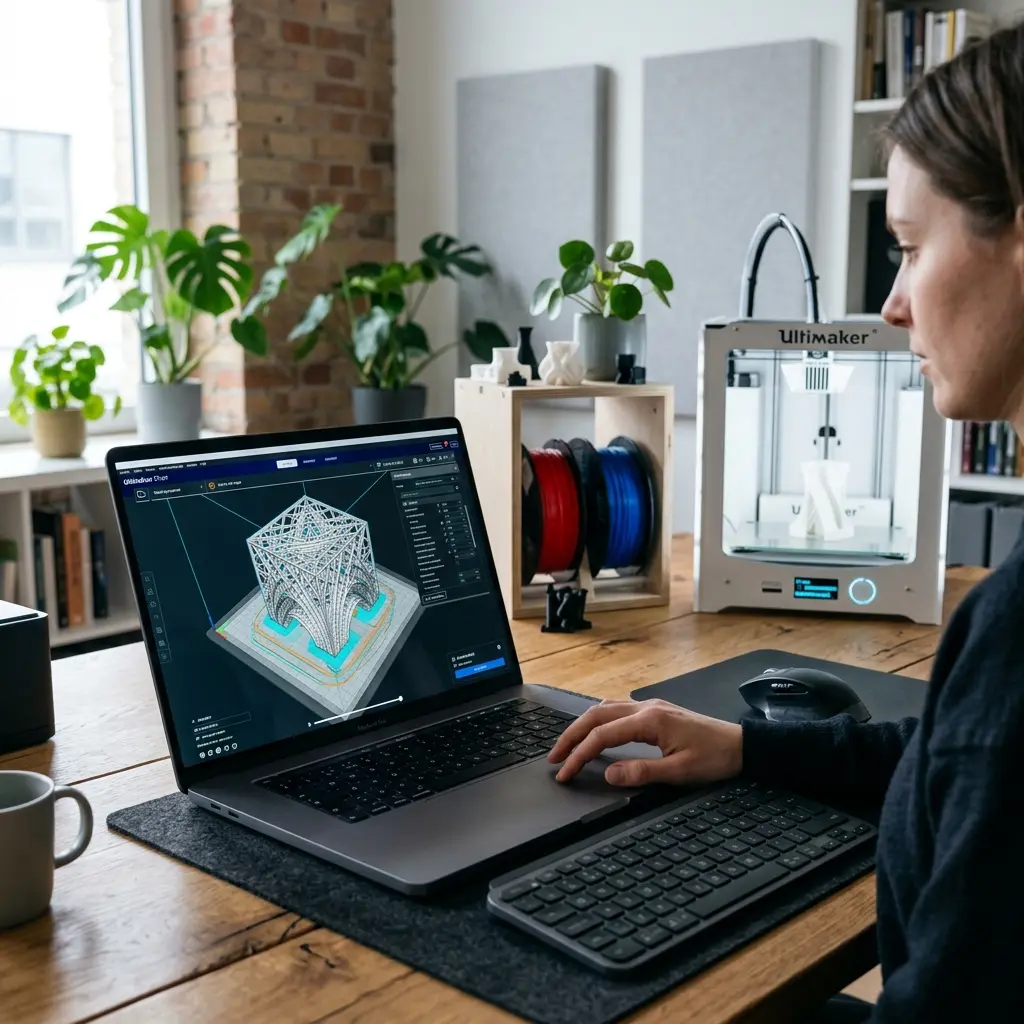
How to Setup and Remove 3D Printing Supports: Tree vs Normal
3D printing supports are essential structures that assist in the successful production of complex models. They provide necessary support for overhangs and intricate geometries, ensuring that the final product maintains its intended form. This document explores the differences between tree and normal supports, including setup instructions, advantages, disadvantages, and removal techniques.
Understanding 3D Printing Supports
Supports are temporary structures added to a 3D print to prevent collapse during the printing process. There are two primary types of supports: normal supports and tree supports.
- Normal Supports: These are linear structures that connect the print to the build plate, supporting overhangs and bridging gaps.
- Tree Supports: A branching support structure that extends from a single point and spreads out to support various parts of the model.
Setting Up Normal Supports
Configuration Steps
Setting up normal supports requires careful configuration in slicing software. The following settings should be adjusted:
- Support Density: Determines how solid the supports will be; higher density offers more stability.
- Support Z Distance: The gap between the support and the model, which affects removal ease.
Optimal Settings for Normal Supports
| Setting | Recommended Value |
|---|---|
| Support Density | 15-25% |
| Z Distance | 0.1-0.2 mm |
| Support Pattern | Grid or Lines |
Removing Normal Supports
To remove normal supports, carefully cut them away with pliers or a knife. Proper removal can prevent damage to the model, preserving its integrity.
Setting Up Tree Supports
Configuration Steps
Tree supports require different settings compared to normal supports. Adapting the following configurations is essential:
- Branch Angle: The angle at which branches extend from the trunk; adjustments can optimize support placement.
- Branch Density: Controls how many branches are generated for support; higher values create more contact points.
Optimal Settings for Tree Supports
| Setting | Recommended Value |
|---|---|
| Branch Angle | 60-75 degrees |
| Branch Density | 5-10% |
| Support Structure | Tree-like branches |
Removing Tree Supports
Tree supports are generally easier to remove due to their design, which minimizes contact with the model. Care should still be taken to avoid damaging delicate features during the removal process.
Comparative Analysis: Tree vs Normal Supports
| Feature | Normal Supports | Tree Supports |
|---|---|---|
| Support Structure | Vertical columns | Branching pattern |
| Material Usage | Higher material consumption | Less material usage |
| Ease of Removal | Moderate difficulty | Generally easier |
| Print Quality | Good for flat surfaces | Better for complex geometries |
Conclusion
Choosing between normal and tree supports depends on the specific requirements of the print. Understanding the differences and settings can significantly enhance the quality and efficiency of the 3D printing process.
Frequently Asked Questions
What are the types of 3D printing supports?
The main types are normal supports and tree supports, differing in structure and application.
How do tree supports compare to normal supports?
Tree supports use less material and are easier to remove, making them suitable for complex models.
What should be considered when setting up supports?
Factors like model complexity, desired finish, and material type should be considered during setup.
Can supports affect the final print quality?
Yes, improperly configured supports can leave marks or affect the overall quality of a print.
What are common methods for removing supports?
Common methods include using pliers, applying gentle pressure, or using heat to soften the supports.




