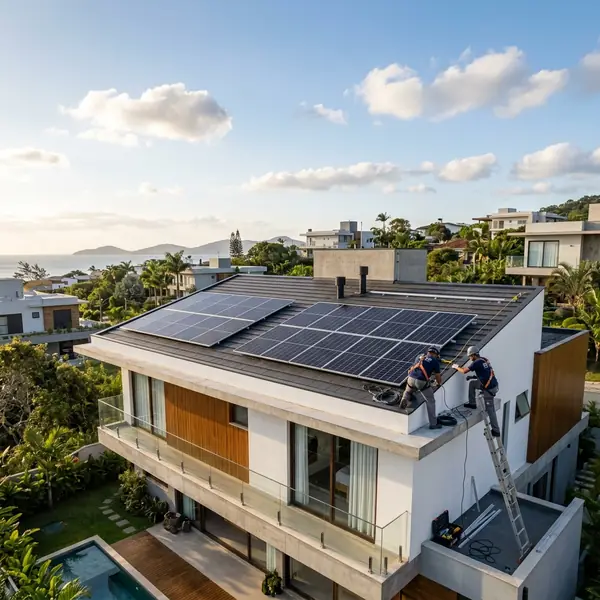
Safely cleaning rooftop solar panels requires safety harnesses, clean water, and a soft-bristled brush without chemicals.
Introduction to Cleaning Solar Panels
Safely cleaning rooftop solar panels requires safety harnesses, clean water, and a soft-bristled brush without chemicals. Choosing and installing the right system ensures energy independence and long-term utility bill reductions.
Maintaining the efficiency of your rooftop solar panels is important for optimal energy production. Over time, dirt, dust, bird droppings, and other debris can accumulate on the surface. Regular cleaning ensures that your panels operate at their best.
However, it is vital to clean them safely to avoid damage. This guide will walk you through the best practices for cleaning solar panels without compromising their integrity.
Understanding the Importance of Clean Solar Panels
Dirty solar panels can significantly reduce energy output. Studies have shown that soiling can lead to a decrease in efficiency by up to 25% in some cases. This means you could be losing money on your electricity bill.
According to the National Renewable Energy Laboratory (NREL), just a small amount of dirt can block sunlight and hinder performance. Keeping your panels clean is an investment in maximizing your solar energy production.
When to Clean Your Solar Panels
Timing is key when it comes to cleaning your solar panels. Ideally, you should assess your panels after significant weather events, such as heavy rain or dust storms. If you notice a significant accumulation of grime or debris, it’s time for a cleaning.
In general, most homeowners should clean their solar panels at least once or twice a year. However, if you live in a particularly dusty area or near trees, you may need to do this more frequently.
Signs Your Solar Panels Need Cleaning
Here are some signs that your solar panels may need a clean:
- Visible dirt or debris on the surface of the panels.
- Lower energy production compared to previous months.
- Bird droppings or leaves obstructing sunlight.
Safety Precautions Before Cleaning
Safety should always be your top priority when cleaning rooftop solar panels. Here are important precautions you should take:
- Wear a safety harness if you are working on a slope.
- Make sure to have someone with you for assistance.
- Use a sturdy ladder that is rated for your weight.
Gathering Your Cleaning Supplies
To clean your solar panels effectively, you will need a few basic supplies:
- Soft-bristled brush or sponge.
- Hose with a spray nozzle or a bucket of clean water.
- Safety harness and ladder for access.
- Non-abrasive soap (optional, avoid chemicals).
Step-by-Step Guide to Cleaning Solar Panels
Step 1: Prepare the Area
Before you start cleaning, ensure that the area around your panels is clear. Remove any obstacles, such as garden furniture or debris that could cause accidents.
Check the weather forecast, as cleaning is best done on a cloudy day to avoid rapid drying of water, which can leave streaks.
Step 2: Safety First
Put on your safety harness and secure it properly. If you are using a ladder, ensure it is on a stable surface and someone is holding it for you.
Never attempt to clean your panels in windy or rainy conditions, as this can increase the risk of accidents.
Step 3: Rinse the Panels
Use a hose with a spray nozzle to lightly rinse the panels. This will help to remove loose dirt and debris without scrubbing.
A gentle rinse is enough to remove most of the dirt and will prepare the surface for a more thorough cleaning.
Step 4: Clean with a Soft Brush
Using a soft-bristled brush or sponge, gently scrub the surface of the solar panels. Be sure to apply minimal pressure to avoid scratching the glass.
It is advisable to work from the top of the panels downwards to ensure that dirt is not pushed back onto cleaned areas.
Step 5: Rinse Again
After scrubbing, rinse the panels again thoroughly with clean water. This will help to remove any remaining soap or dirt.
Make sure to rinse from the top down to prevent any soap residue from being left behind.
Step 6: Inspect Your Panels
Once cleaned, take a moment to inspect your solar panels for any signs of damage, such as cracks or loose connections. If you find any issues, contact a professional for repairs.
Regular inspections can help you catch potential problems early on.
Common Mistakes to Avoid
Using Harsh Chemicals
Many homeowners make the mistake of using harsh chemicals to clean their solar panels. These can damage the surface and impair their efficiency.
Stick to plain water or a mild soap solution to keep your panels safe.
Cleaning in Direct Sunlight
Cleaning solar panels in direct sunlight can cause water to dry too quickly, leaving streaks and spots. It is best to clean them during early morning or late afternoon when temperatures are cooler.
Neglecting Regular Maintenance
Some homeowners overlook regular maintenance, thinking that rain will clean their panels. While rain can help, it often isn’t enough to remove all debris.
Make it a habit to check your panels periodically to ensure they are clean and functioning optimally.
Professional Cleaning Services
If you are uncomfortable cleaning your solar panels or if they are located in hard-to-reach places, consider hiring a professional service. They have the tools and expertise to clean your panels safely and effectively.
Typically, professional cleaning services can charge anywhere from $150 to $300 depending on the size of your solar array. This investment can yield better efficiency and save you time.
Conclusion
Cleaning your rooftop solar panels is a straightforward process when done safely. By using the right tools and techniques, you can maintain your solar system's efficiency for years to come.
Always prioritize safety and consider hiring professionals if needed. Your solar investment deserves proper care, and your efforts can significantly impact your energy savings.
DomineTec Tip: Always check your warranty terms; some manufacturers recommend specific cleaning methods to avoid voiding your warranty.
FAQs
Can I use vinegar to clean my solar panels?
It's best to avoid vinegar, as it can be too acidic. Stick to plain water or a mild soap solution.
Is it safe to walk on my roof while cleaning?
If your roof is steep or slippery, it’s not safe to walk on. Use a harness and ensure you have proper support.
Do I need to hire professionals to clean my solar panels?
If you’re uncomfortable with heights or your panels are hard to reach, hiring professionals is a good option.
What is the best time of day to clean solar panels?
The best time to clean is early in the morning or late afternoon when temperatures are cooler and there’s less sun.
For more information on solar energy maintenance, check out our articles on installing solar systems and how solar energy works.
For additional resources, visit the National Renewable Energy Laboratory.
Understanding the Risks of Dirty Solar Panels
Solar panels are designed to harness sunlight efficiently, but dirt, dust, and debris can significantly reduce their performance. This reduction in performance can lead to lower energy production and may even cause long-term damage if not addressed properly. Understanding the environmental factors affecting your panels helps you prioritize cleaning schedules.
Among the factors influencing the cleanliness of your panels are geographic location, weather conditions, and surrounding vegetation. Areas with high pollution levels or frequent dust storms may require more frequent cleaning. In contrast, locations with consistent rainfall might naturally wash away dirt, reducing the need for manual cleaning.
Neglecting to clean solar panels can lead to a buildup of grime that blocks sunlight. This not only diminishes efficiency but may also cause overheating, which can damage the panels and decrease their lifespan. Regular maintenance is important to ensure optimal performance and a longer life for your solar energy system.
Choosing the Right Time for Cleaning
Timing is key when it comes to cleaning solar panels. Ideally, you should clean them during times when they are cool, such as early morning or late afternoon. Cleaning panels during peak sunlight hours can lead to thermal shock, which may crack the glass surface.
Additionally, cooler temperatures make it easier to manage water and cleaning solutions without them drying too quickly.
It’s also important to consider the weather forecast before cleaning. Avoid cleaning after heavy rain, as the panels may still be slippery, posing a safety hazard. Similarly, if high winds or storms are predicted, wait until the weather is stable to prevent accidents.
Lastly, factor in your local environment. If you live near construction sites or areas with frequent bird activity, you might need to adjust your cleaning schedule. Keeping your panels clean not only maximizes efficiency but also extends their lifespan.
important Tools for Safe Cleaning
Having the right tools is critical for the safe cleaning of solar panels. Start with a soft-bristle brush or a microfiber cloth designed for delicate surfaces. These tools will help you avoid scratching the glass while effectively removing dirt and debris.
A squeegee can also be beneficial for wiping down surfaces after cleaning.
Using a hose with a spray nozzle is an excellent option for rinsing panels. Avoid using high-pressure washers, as they can damage the panels and the wiring. Instead, opt for a gentle spray to ensure thorough yet safe rinsing.
When it comes to cleaning solutions, always choose mild, non-abrasive soap or specialized solar panel cleaners. Avoid using harsh chemicals, as they can leave residues that may harm the panels' functionality. Remember, the goal is to clean without causing any damage.
Step-by-Step Cleaning Process
Follow these steps for a comprehensive and safe cleaning of your solar panels. Begin by shutting down your solar energy system according to the manufacturer’s instructions. This precaution ensures that you are not at risk of electric shock and protects the system from any potential damage during cleaning.
Next, use a soft-bristle brush to gently remove loose debris like leaves or dust. Be careful around edges and corners where dirt tends to accumulate. Afterward, spray the panels with water from a hose to loosen any remaining grime.
For stubborn stains or residues, mix a mild soap solution and apply it with a soft cloth or sponge. Gently scrub the surface without applying too much pressure. Once cleaned, rinse the panels thoroughly to remove all soap residues.
Finally, use a squeegee to remove excess water, ensuring there are no streaks left behind.
Do solar panels generate electricity without direct sunlight?
Yes, they produce power on cloudy days but at a reduced capacity of 10% to 25%. They do not generate electricity at night.
How much maintenance do home solar panels require?
Maintenance is minimal, typically involving cleaning the panels twice a year and performing a system health check.
Do I need battery storage for my solar energy system?
It is not required for grid-tied systems, but batteries are vital for off-grid operations or backup power during grid blackouts.
Can I completely eliminate my monthly electricity bill?
You cannot reach absolute zero because most utilities charge a basic monthly grid connection fee regardless of production.




