How to Clean a Hardened Steel Nozzle Using a Steel Wire Brush Safely
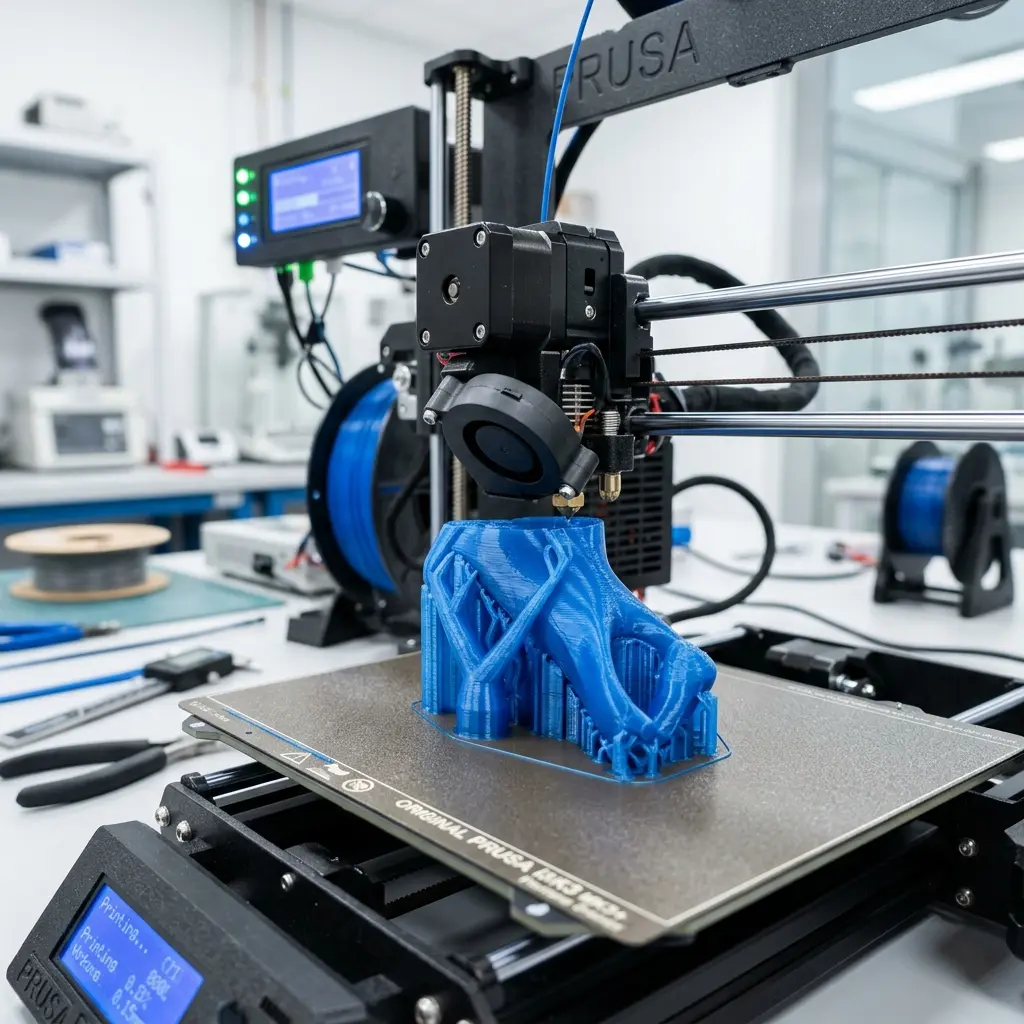
Cleaning a hardened steel nozzle using a steel wire brush can restore its functionality and improve print quality.
Understanding Hardened Steel Nozzles
Hardened steel nozzles are essential components in 3D printing, offering durability and resistance to wear.
These nozzles can endure high temperatures, making them ideal for printing with abrasive materials like carbon fiber and metal-filled filaments.
Properties of Hardened Steel Nozzles
Hardened steel nozzles possess specific properties that contribute to their effectiveness in 3D printing.
These properties include high tensile strength, thermal conductivity, and corrosion resistance.
| Property | Description |
|---|---|
| Tensile Strength | Ability to withstand tension without breaking. |
| Thermal Conductivity | Efficient heat transfer for optimal melting of filament. |
| Corrosion Resistance | Resists degradation when exposed to various materials. |
Reasons for Cleaning a Hardened Steel Nozzle
Over time, nozzles can accumulate residue from filament, leading to clogs and reduced extrusion quality.
Regular cleaning ensures optimal performance, enhances print quality, and extends the lifespan of the nozzle.
Impact of Clogs on Print Quality
Clogs can severely affect the output quality of 3D prints.
Common issues include under-extrusion, layer separation, and surface imperfections.
Essential Safety Precautions
Before starting the cleaning process, it is crucial to follow certain safety precautions to avoid injuries.
Wearing safety goggles protects the eyes from metal fragments, and gloves safeguard the hands against sharp edges.
Gathering the Necessary Tools
To clean a hardened steel nozzle effectively, gather the following tools:
- Steel wire brush
- Heat source (e.g., a heat gun or soldering iron)
- Safety goggles
- Protective gloves
- Compressed air (optional)
Step-by-Step Guide to Cleaning the Nozzle
Follow these detailed steps to clean the hardened steel nozzle safely and effectively:
- Ensure the 3D printer is powered off and cool.
- Wear safety goggles and gloves for protection.
- Remove the nozzle from the printer using the appropriate tools.
- Heat the nozzle with a heat gun or soldering iron to soften any residue.
- Gently scrub the nozzle with the steel wire brush to remove buildup.
- Use compressed air to blow out any remaining debris.
- Allow the nozzle to cool before reinstallation.
Comparative Analysis of Cleaning Tools
| Tool | Pros | Cons |
|---|---|---|
| Steel Wire Brush | Effective at removing tough deposits | Can scratch the nozzle if used improperly |
| Heat Gun | Quickly softens residue | Requires caution to avoid overheating |
| Compressed Air | Blows out debris without contact | Not effective for stubborn clogs |
DomineTec Tip: For better results, consider soaking the nozzle in a suitable solvent for a few minutes before scrubbing.
Common Mistakes to Avoid
Several mistakes can undermine the cleaning process and lead to further issues.
Avoid excessive force when using the wire brush, as this can damage the nozzle's surface.
Maintaining Your Nozzle Post-Cleaning
Once the nozzle is cleaned, proper maintenance helps prolong its life.
Regular inspections and cleaning schedules can prevent severe clogs and maintain print quality.
Best Practices for Nozzle Maintenance
Implementing best practices can improve the longevity of the nozzle.
- Perform a visual inspection before each print session.
- Keep the filament dry to reduce residue buildup.
- Use high-quality filaments to minimize clogs.
Frequently Asked Questions
How often should the nozzle be cleaned?
The frequency of cleaning depends on usage and the type of filament used. Regular users may benefit from a monthly cleaning routine.
Can a clogged nozzle affect print quality?
Yes, a clogged nozzle can lead to under-extrusion, stringing, and poor surface finish in prints. Regular maintenance is essential.
Is it safe to use a wire brush on the nozzle?
Using a wire brush is safe when done carefully. It is important to avoid excessive force to prevent damaging the nozzle.
What types of filaments require more frequent cleaning?
Filaments that are abrasive, such as carbon fiber or metal-filled materials, typically create more residue and require more frequent cleaning.
Can a dirty nozzle lead to printer damage?
A dirty nozzle can cause prints to fail, leading to wasted materials and potential damage to other printer components if clogs occur.




