How to Clean and Unclog Hardened Steel Nozzles: Cleaning Filaments Guide
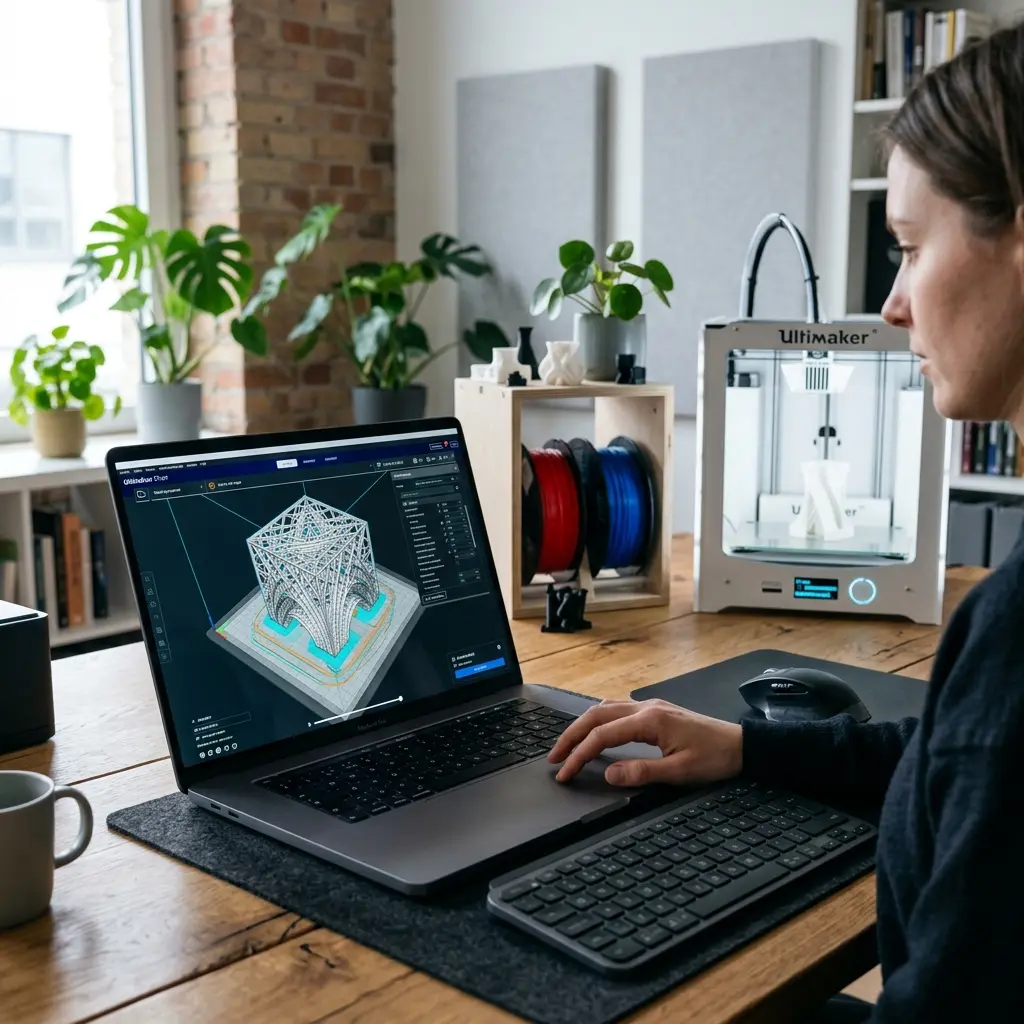
To clean and unclog hardened steel nozzles, specific cleaning filaments and methods can be employed effectively.
Understanding the Importance of Cleaning Nozzles
Regular maintenance of 3D printer nozzles is crucial for optimal performance. Hardened steel nozzles, in particular, are designed for high-temperature materials but can become clogged due to residue buildup.
Common Causes of Clogs in Hardened Steel Nozzles
Clogs may occur from various sources, including the use of low-quality filaments, incorrect temperature settings, or poor material storage. Over time, carbonized material can accumulate, making it difficult for the filament to flow smoothly.
Recommended Cleaning Filaments
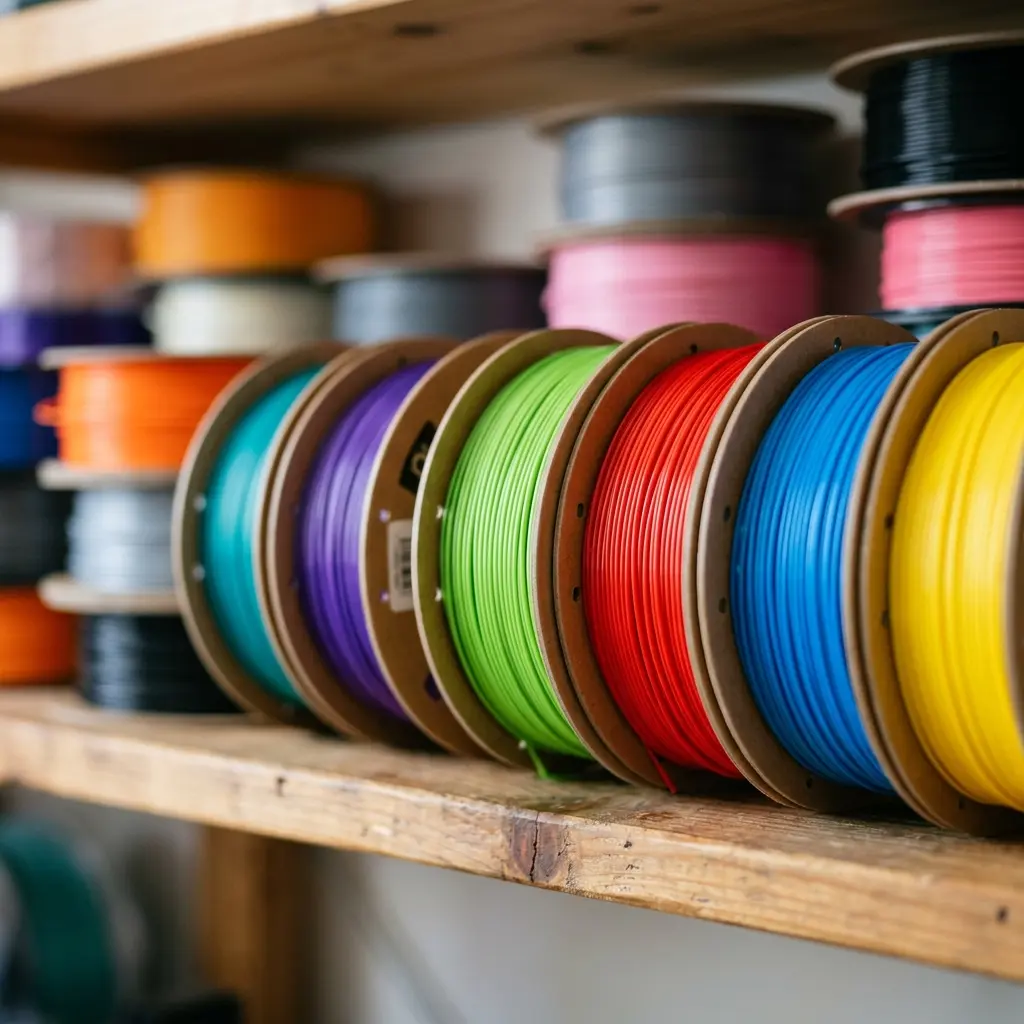
Using specialized cleaning filaments can significantly ease the unclogging process. The following table highlights popular cleaning filaments and their specifications:
| Filament Type | Melting Point (°C) | Diameter (mm) | Recommended Use |
|---|---|---|---|
| Cleaning PLA | 160-220 | 1.75 | General clogs |
| Cleaning ABS | 210-250 | 1.75 | High-temperature clogs |
| Cleaning Nylon | 240-260 | 1.75 | Durable clogs |
Step-by-Step Guide to Cleaning Hardened Steel Nozzles
The following steps outline a comprehensive approach to cleaning hardened steel nozzles:
- Heat the nozzle to the operating temperature of the last used filament.
- Unload the filament from the printer.
- Insert the cleaning filament into the nozzle.
- Extrude a small amount of cleaning filament to push out any residual material.
- Allow the nozzle to cool down to room temperature.
- Remove the cleaning filament, which should carry away debris.
Visual Inspection and Maintenance
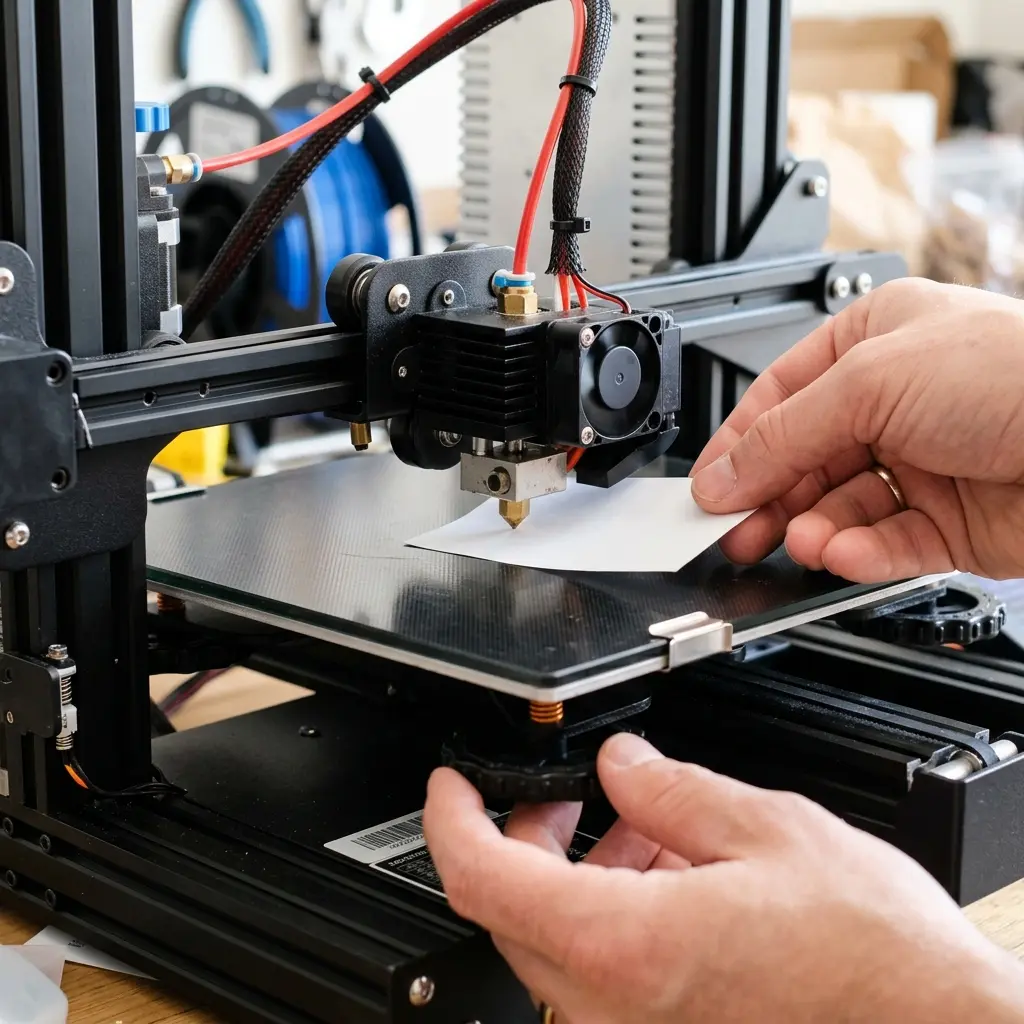
After cleaning, inspecting the nozzle for any remaining debris is essential. If debris persists, repeat the cleaning process to ensure thoroughness.
Ensuring that the nozzle is clear will enhance printing quality and reduce future clogs. Regular visual inspections contribute to the maintenance of optimal performance.
Additional Cleaning Techniques
In addition to using cleaning filaments, other methods can be employed to maintain nozzle cleanliness:
DomineTec Tip: For severe clogs, consider using a needle or nozzle cleaning kit, which can effectively dislodge stubborn material without damaging the nozzle.
Preventive Measures to Avoid Clogs
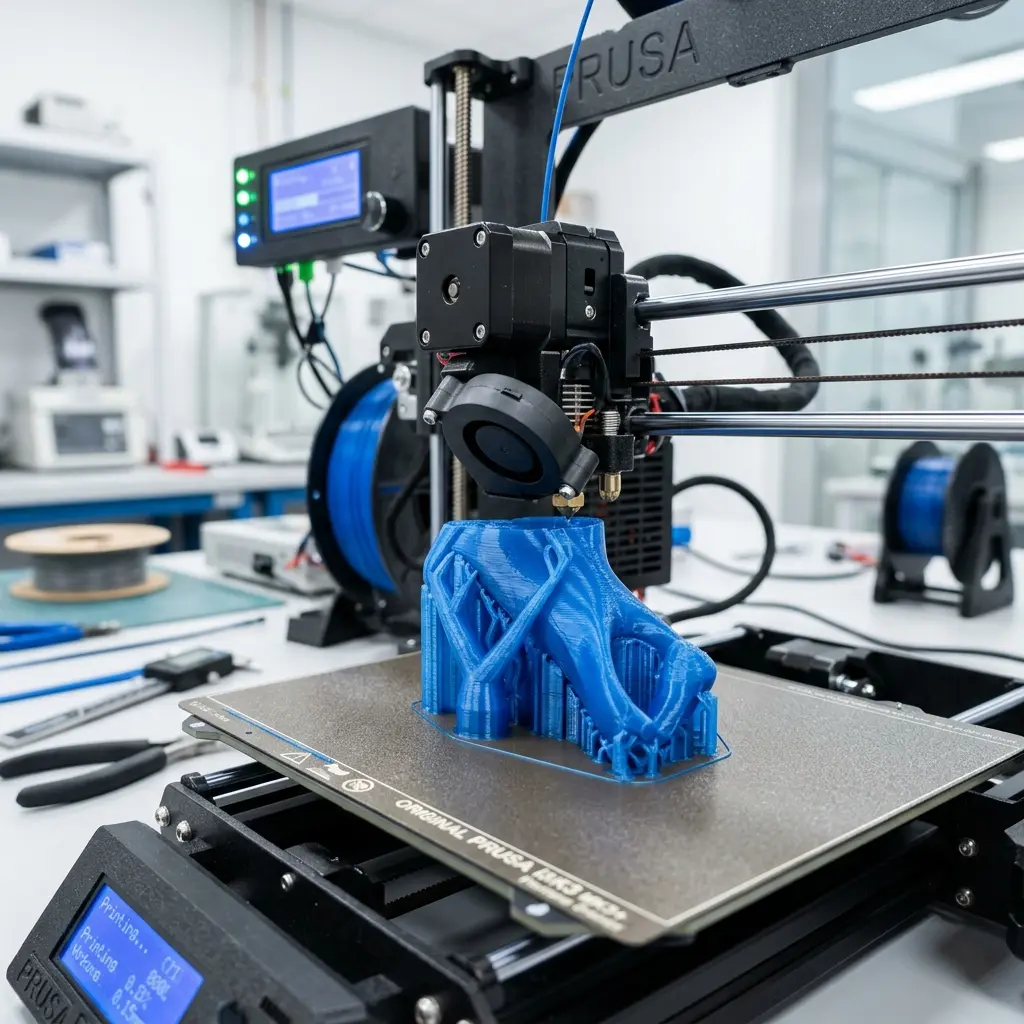
Taking proactive steps can help prevent nozzle clogs from occurring in the first place. Here are some recommendations:
- Use high-quality filaments that are compatible with your printer.
- Ensure proper storage of filaments to avoid moisture absorption.
- Regularly check and calibrate printing temperatures.
- Perform routine maintenance on the printer to keep it in optimal condition.
Advanced Cleaning Techniques
In cases where standard cleaning methods are insufficient, advanced techniques may be necessary. These methods can provide a deeper clean and restore nozzle functionality effectively.
Soaking in Cleaning Solutions
Soaking the nozzle in a cleaning solution can help dissolve stubborn clogs. Common solutions include acetone or specialized cleaning agents designed for 3D printer components.
To perform this method:
- Remove the nozzle from the printer.
- Submerge the nozzle in the cleaning solution for several hours.
- Rinse thoroughly with warm water and dry completely before reinstallation.
Using a Sonic Cleaner
A sonic cleaner can effectively remove debris from nozzles using ultrasonic waves. This method is particularly useful for intricate nozzles with complex geometries.
Follow these steps for sonic cleaning:
- Fill the sonic cleaner with a suitable cleaning solution.
- Place the nozzle in the cleaner and set the timer according to the manufacturer's instructions.
- After cleaning, rinse and dry the nozzle thoroughly.
Understanding Nozzle Sizes and Their Impact on Clogging
Nozzle size plays a significant role in the likelihood of clogs. Smaller nozzles are more susceptible to blockages due to their limited flow capacity.
The table below illustrates common nozzle sizes and their typical applications:
| Nozzle Size (mm) | Typical Use | Clog Susceptibility |
|---|---|---|
| 0.2 | High-detail prints | High |
| 0.4 | Standard prints | Medium |
| 0.8 | Fast prints | Low |
Checklist for Regular Nozzle Maintenance
Implementing a maintenance checklist can streamline the process of keeping nozzles clean. The following checklist aids in comprehensive nozzle care:
- Inspect nozzle after every 5 prints.
- Use cleaning filament after every 10 prints.
- Perform a thorough cleaning every month.
- Check filament quality regularly.
- Calibrate printer settings every month.
- Store filaments in airtight containers.
Conclusion and Final Thoughts
Maintaining clean and unclogged hardened steel nozzles is essential for achieving high-quality 3D prints. By using appropriate cleaning filaments and techniques, you can ensure a smoother printing experience and extend the life of your printer.
Frequently Asked Questions
What are the best filaments for cleaning nozzles?
Cleaning PLA, ABS, and nylon filaments are highly recommended for unclogging hardened steel nozzles. Each type has specific melting points suitable for various materials.
How often should nozzles be cleaned?
Nozzles should be cleaned regularly, especially after printing with materials known for producing residue. A routine inspection after every few prints can be beneficial.
Can a clogged nozzle affect print quality?
Yes, a clogged nozzle can lead to uneven extrusion, layer adhesion issues, and overall poor print quality. Maintaining a clean nozzle is crucial for optimal performance.
Is it safe to use a needle for unclogging nozzles?
Using a needle can be safe if done carefully. However, it is essential to avoid damaging the nozzle tip, which can lead to more severe issues.
What temperature should be used for cleaning filament?
The temperature should match the last filament used or slightly exceed it, allowing the cleaning filament to flow and push out any residue effectively.




