How to Clean and Flush a Brass Nozzle Using Specialized Cleaning Filament
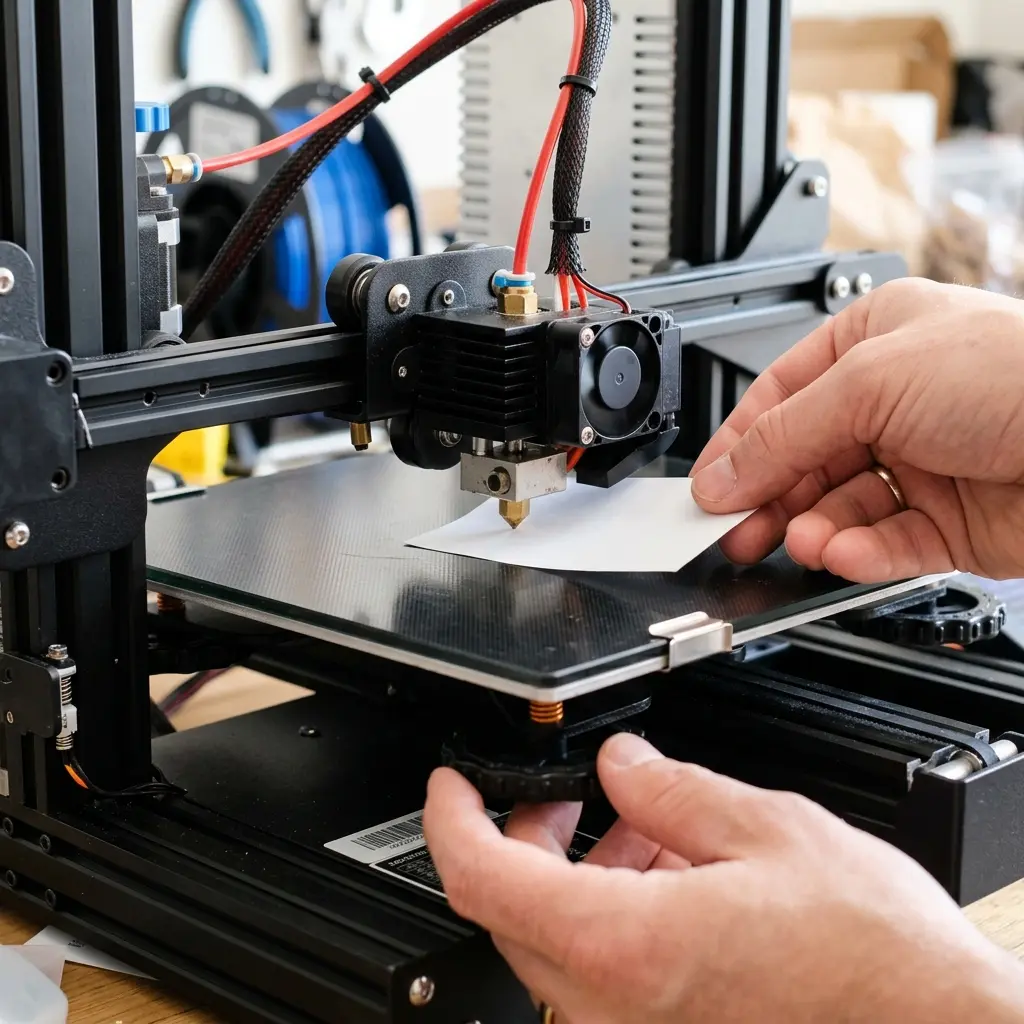
Cleaning and flushing a brass nozzle with specialized cleaning filament ensures optimal performance and longevity.
Understanding the Importance of Cleaning a Brass Nozzle
Brass nozzles are common in 3D printing due to their excellent thermal conductivity and durability. However, they can accumulate residue over time, leading to clogs and inconsistent extrusion.
Regular maintenance is essential to prevent these issues, ensuring a smooth printing process and high-quality outputs. Specialized cleaning filament effectively removes buildup without damaging the brass material.
What is Specialized Cleaning Filament?
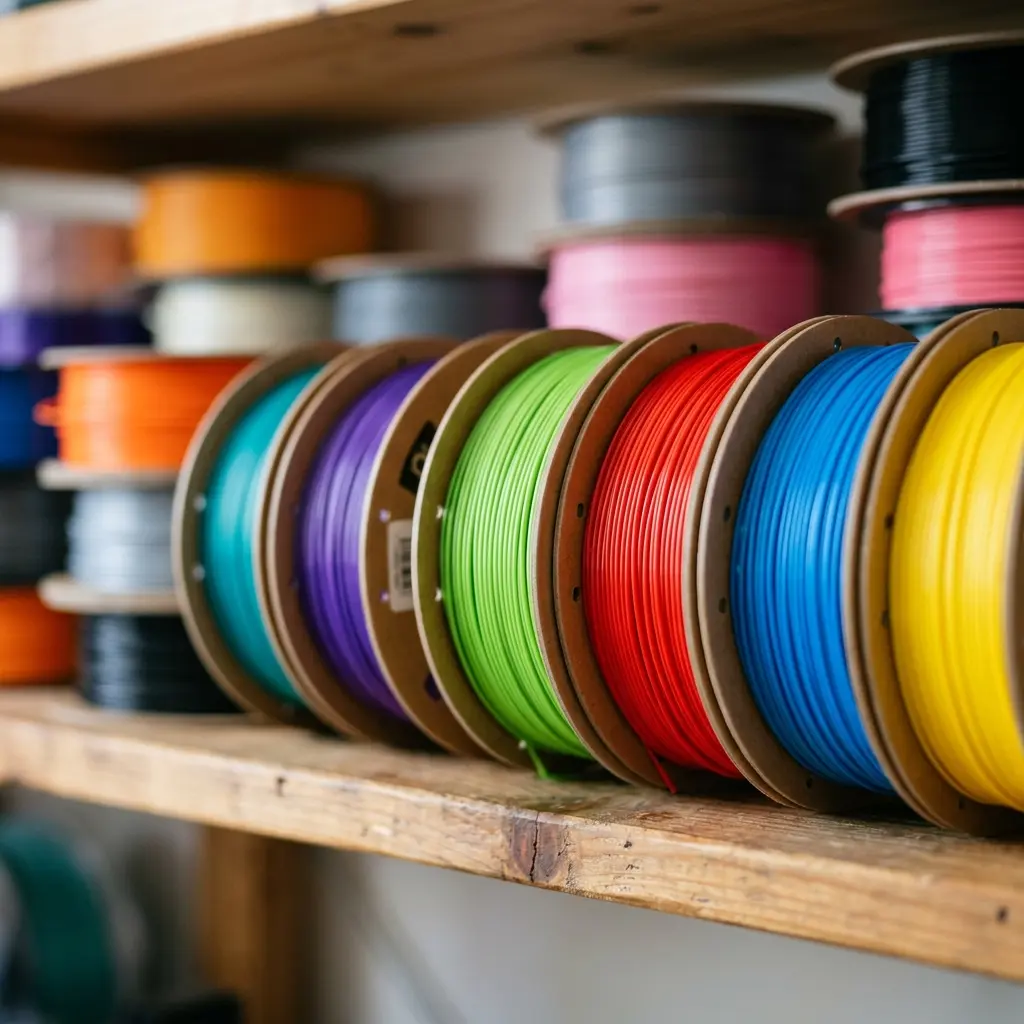
Specialized cleaning filament is designed to clean printer nozzles and hot ends effectively. Unlike standard filaments, these cleaning materials have unique properties that help dissolve and remove plastic residue.
Typically made from a combination of polymers, cleaning filaments can soften at lower temperatures, making them ideal for flushing out obstructions in brass nozzles. The filament can also help clean the internal components of the hot end.
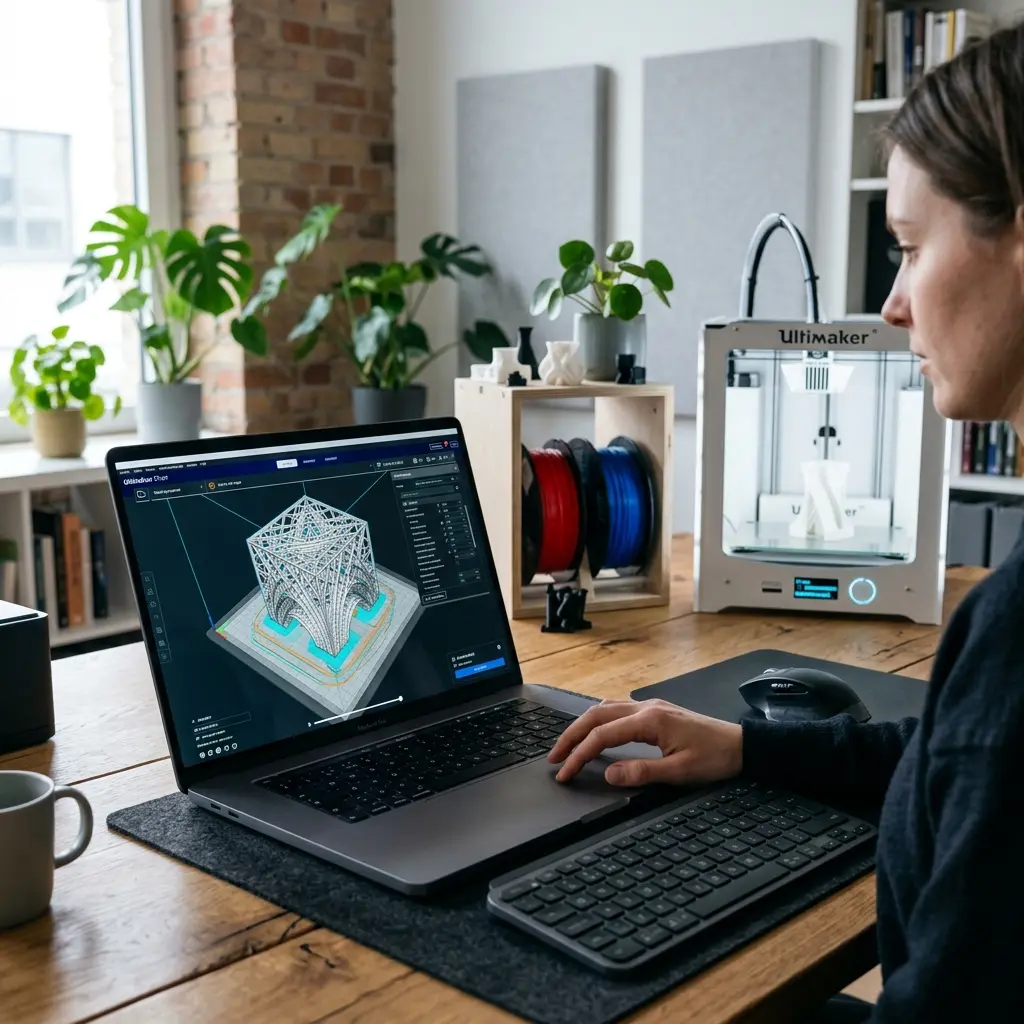
Step-by-Step Guide to Clean and Flush a Brass Nozzle
Cleaning a brass nozzle involves several essential steps to ensure thorough cleaning. Follow the steps outlined below for effective results:
- Turn off the 3D printer and allow it to cool down to a safe temperature.
- Remove the filament currently loaded in the printer.
- Heat the nozzle to the temperature required for the cleaning filament, usually around 230°C to 250°C.
- Insert the specialized cleaning filament into the hot end.
- Extrude the cleaning filament until you see a consistent flow of material.
- Once the filament has extruded completely, allow the nozzle to cool down.
- Remove any remaining cleaning filament from the hot end.
- Reassemble the nozzle and test print a small object.
Comparing Cleaning Filaments: Features and Specifications
Different cleaning filaments have varying features and specifications that affect their performance. Below is a comparative table showcasing some popular cleaning filament options.
| Filament Type | Temperature Range | Material Properties | Recommended Usage |
|---|---|---|---|
| Polyamide | 230°C - 260°C | High flexibility, good adhesion | General cleaning of brass nozzles |
| TPU | 220°C - 240°C | Elasticity, less brittle | Cleaning and prevention of clogs |
| PLA Blend | 190°C - 210°C | Environmentally friendly, low odor | Light cleaning tasks |
Tips for Effective Brass Nozzle Maintenance
Maintaining a brass nozzle extends its lifespan and improves print quality. Below are several tips to ensure optimal maintenance.
DomineTec Tip: Consider using cleaning filament regularly, especially after intensive printing sessions. This proactive approach will reduce the likelihood of clogs.
Common Issues and Troubleshooting
Even with proper maintenance, issues may arise with brass nozzles. Understanding common problems can help in troubleshooting effectively.
For instance, if the filament does not extrude properly, it may indicate a clog or that the nozzle has not been adequately heated. Ensuring the right temperature and using the appropriate cleaning filament can mitigate these issues.
Frequently Asked Questions
How often should a brass nozzle be cleaned?
A brass nozzle should be cleaned regularly, especially after extensive printing sessions or when switching between different filament types.
Can specialized cleaning filament be used with any 3D printer?
Most specialized cleaning filaments are compatible with a wide range of 3D printers. However, it is essential to check the manufacturer's recommendations before use.
What are the signs that a nozzle needs cleaning?
Common signs include inconsistent extrusion, unusual noises during printing, and visible filament buildup around the nozzle.
Is it safe to use cleaning filament?
Yes, when used according to the manufacturer's instructions, cleaning filament is safe and effective for maintaining nozzle performance.
Can cleaning filaments damage the nozzle?
When used correctly, cleaning filaments are designed not to damage brass nozzles. However, overheating the nozzle can lead to damage, so temperature control is crucial.
Advanced Techniques for Nozzle Cleaning
In addition to using specialized cleaning filaments, there are advanced techniques that can enhance the cleaning process. These methods may require additional tools and careful handling.
Cold Pull Method
The cold pull method is a popular technique among experienced 3D printing enthusiasts. This process involves heating the nozzle, then cooling it down while pulling the filament out to remove debris.
- Heat the nozzle to the printing temperature of the last filament used.
- Insert the cleaning filament and allow it to soften for a few moments.
- Cool the nozzle to around 90°C, then pull the filament out slowly.
- The pulling action should remove any clogs or residue.
Using a Needle or Wire
A more hands-on approach involves using a fine needle or wire to physically dislodge any clogs. This should be done with caution to avoid damaging the nozzle.
- Ensure the nozzle is heated to a safe temperature.
- Insert the needle into the nozzle opening gently.
- Move the needle around to dislodge any trapped material.
- Withdraw the needle and check if the flow is restored.
Checklist for Nozzle Maintenance
To streamline the maintenance process, a checklist can be beneficial. Below is a detailed checklist for effective brass nozzle maintenance.
- Ensure regular cleaning schedule based on print volume.
- Inspect the nozzle for visible signs of wear or damage.
- Use specialized cleaning filament after switching filament types.
- Monitor extrusion consistency during prints.
- Perform cold pulls or needle cleaning as necessary.
- Keep spare nozzles on hand for quick replacements.
- Document maintenance activities for future reference.
The Role of Temperature in Nozzle Performance
Temperature control plays a crucial role in the performance of brass nozzles. It affects the viscosity of the filament and the likelihood of clogs.
Using the appropriate temperature for different filament types is essential for optimal extrusion. Below is a table showing recommended temperatures for various filament materials.
| Filament Type | Recommended Temperature (°C) |
|---|---|
| PLA | 190 - 220 |
| ABS | 220 - 250 |
| PETG | 230 - 250 |
| TPU | 220 - 240 |
Conclusion
Regular cleaning and maintenance of brass nozzles are essential for achieving high-quality 3D prints. Utilizing specialized cleaning filament and implementing advanced cleaning techniques can significantly improve nozzle performance.
By following the outlined steps and guidelines, users can ensure their 3D printers operate smoothly and efficiently. Maintaining a clean nozzle not only extends its lifespan but also enhances the overall printing experience.




