How to Clean a Brass Nozzle Using a Brass Wire Brush While Hot Safely
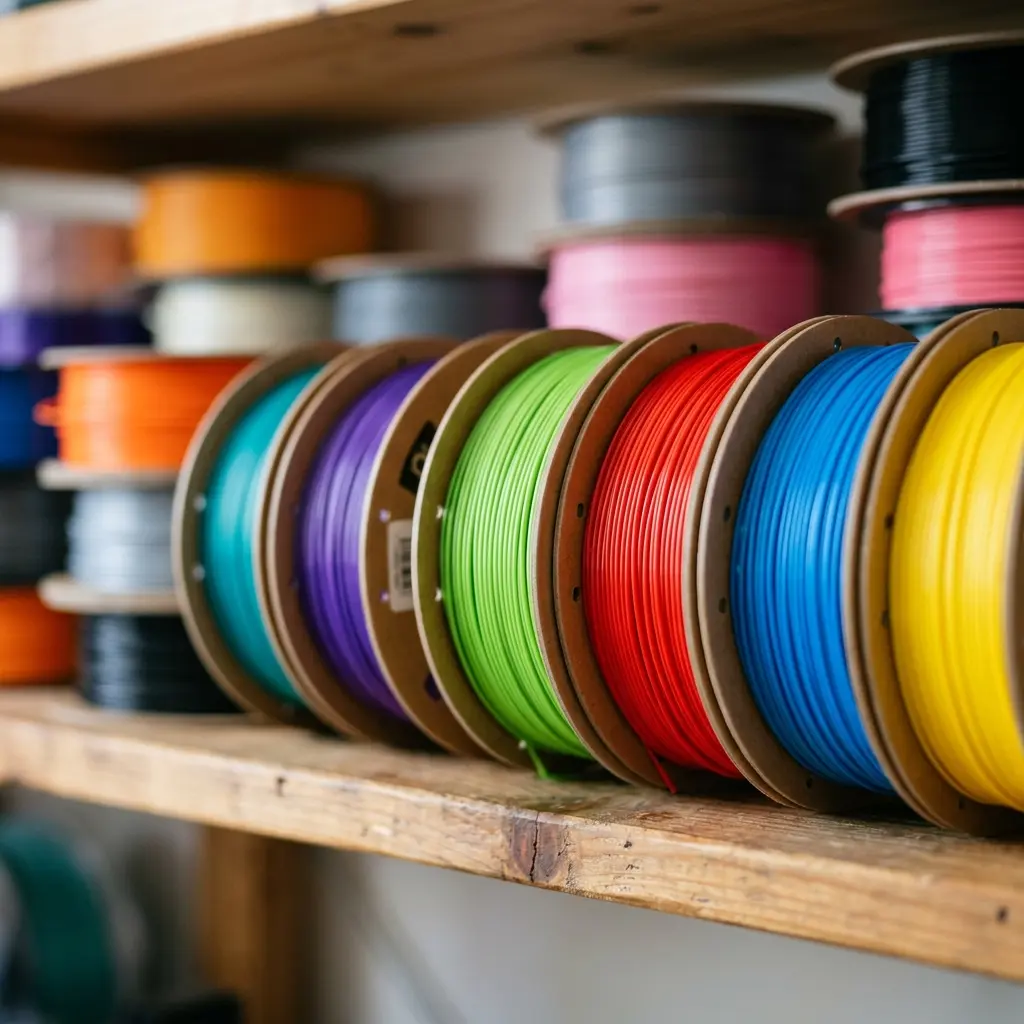
Cleaning a brass nozzle using a brass wire brush while hot is an effective method to maintain optimal performance and prevent clogs.
Understanding the Importance of Cleaning a Brass Nozzle
A brass nozzle is a crucial component in many 3D printers, especially for those using materials like PLA and ABS. Over time, residues from filaments can accumulate, leading to poor extrusion and print quality.
Regular cleaning ensures that the nozzle remains free from blockages and maintains consistent filament flow. This practice is essential for achieving high-quality prints and prolonging the lifespan of the nozzle.
Safety Precautions Before Cleaning
Cleaning a brass nozzle while hot involves certain risks. Adhering to safety precautions is critical to avoid burns and other injuries.
Ensure heat-resistant gloves are worn to protect hands during the cleaning process. Additionally, safety goggles should be used to shield the eyes from any debris or particles that may be dislodged during cleaning.
Materials Needed for Cleaning
To clean a brass nozzle effectively, gather the following materials:
- Brass wire brush
- Heat-resistant gloves
- Safety goggles
- Isopropyl alcohol (optional, for additional cleaning)
- Compressed air (for drying)
Having these materials on hand will facilitate a smooth cleaning process while ensuring safety.
Step-by-Step Guide to Cleaning a Brass Nozzle
Follow these steps to clean a brass nozzle safely and effectively:
- Preheat the 3D printer to the recommended temperature for the filament currently used.
- Once at temperature, carefully remove the nozzle from the printer using appropriate tools.
- Put on heat-resistant gloves and safety goggles.
- Using the brass wire brush, gently scrub the exterior of the nozzle while it is still hot.
- Focus on areas with visible residue buildup, applying moderate pressure.
- For a thorough clean, dip the brush in isopropyl alcohol and scrub again.
- After cleaning, use compressed air to blow away any debris.
- Allow the nozzle to cool before reattaching it to the printer.
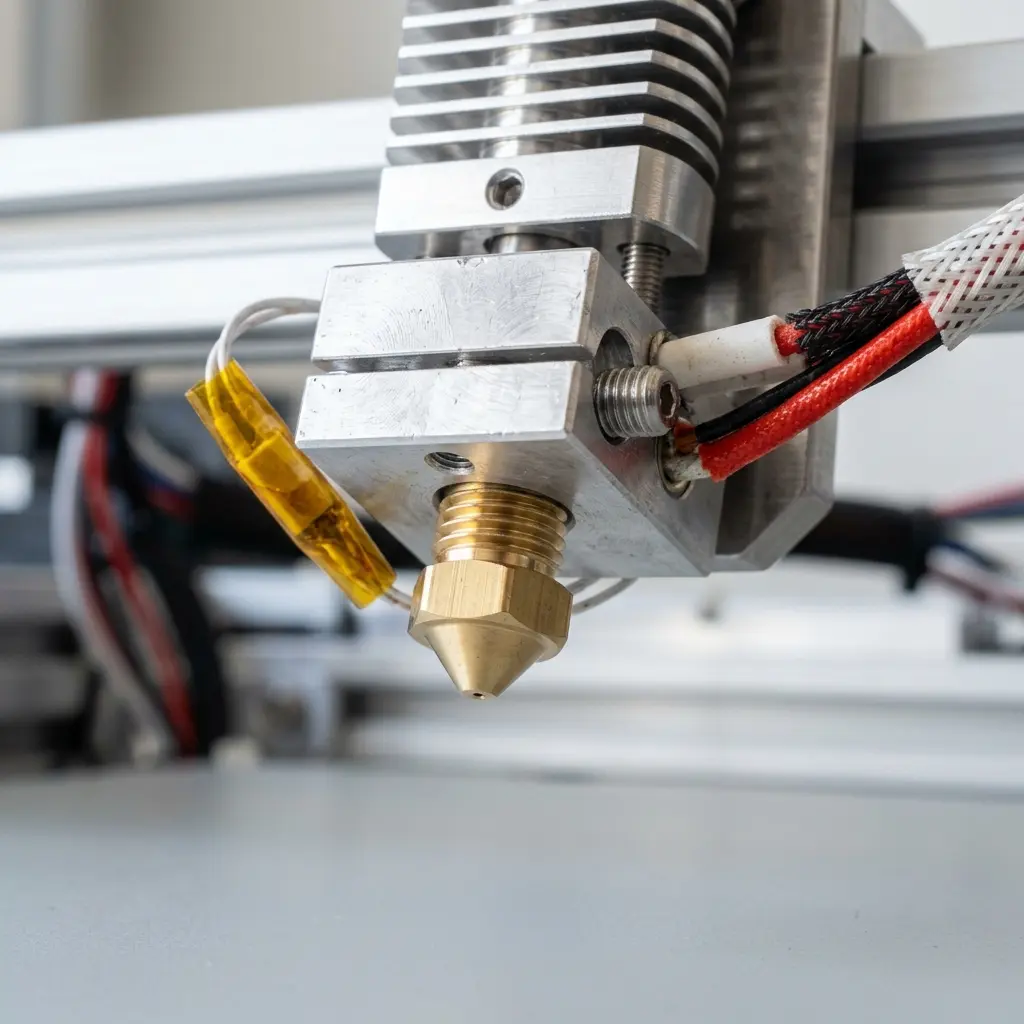
Technical Specifications of Brass Nozzles
Understanding the specifications of brass nozzles can provide insight into their maintenance. The table below outlines common specifications:
| Specification | Description |
|---|---|
| Material | Brass |
| Temperature Resistance | Up to 260°C |
| Diameter Options | 0.2mm, 0.4mm, 0.6mm, 0.8mm |
| Typical Use | PLA, ABS, PETG |
Common Issues Resulting from Poor Maintenance
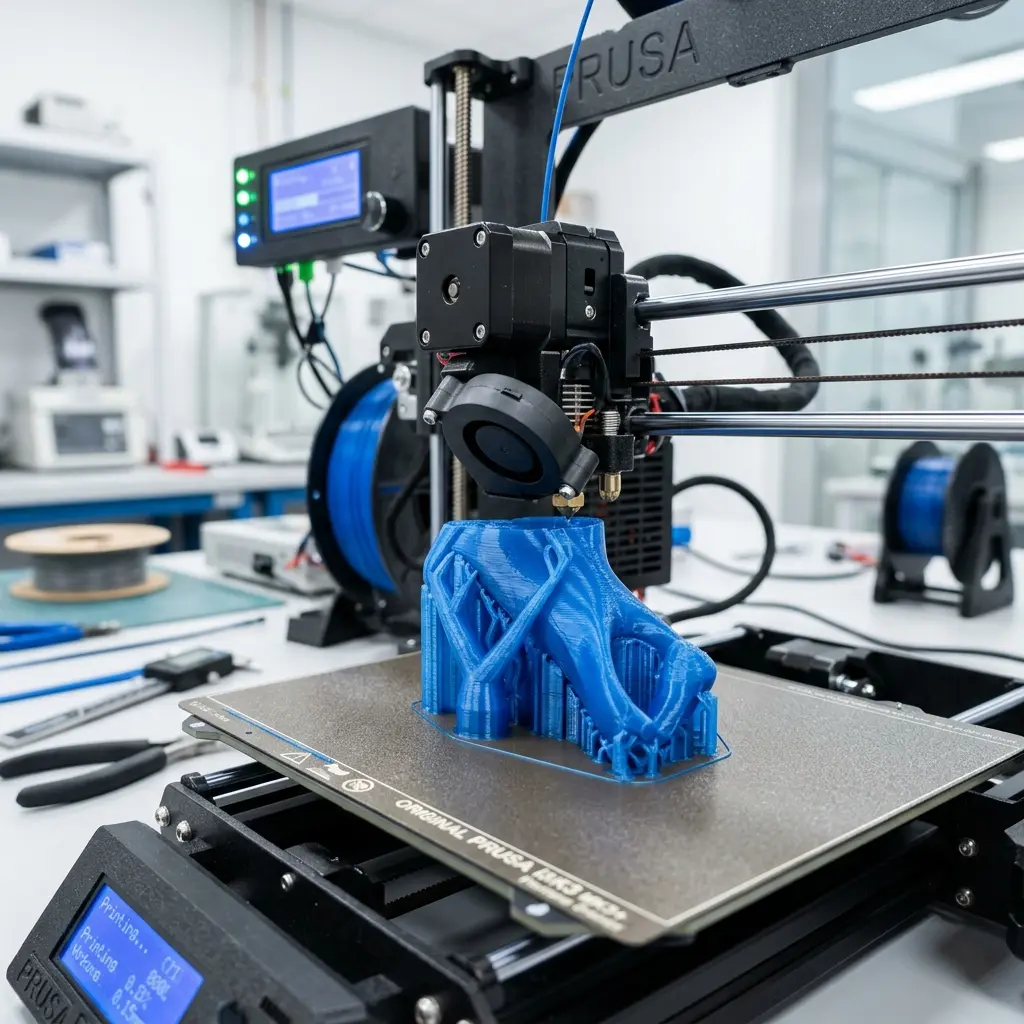
Neglecting to clean a brass nozzle can lead to multiple problems, significantly impacting 3D printing quality. Clogs are the most common issue, resulting from filament residue buildup.
A clogged nozzle can disrupt the filament flow, leading to under-extrusion or even complete print failure. Additionally, poor maintenance may result in inconsistent layer adhesion and print surface quality.
DomineTec Tip: Regularly schedule cleaning sessions based on filament usage to maintain optimal performance and reduce the frequency of clogs.
Best Practices for Maintaining Brass Nozzles
In addition to regular cleaning, several best practices can enhance the lifespan of brass nozzles:
- Use high-quality filaments to minimize residue buildup.
- Adjust printing temperatures to appropriate levels to reduce carbonization.
- Perform routine maintenance checks on the nozzle and extruder assembly.
Implementing these practices can significantly reduce the need for emergency cleaning and prolong the life of the nozzle.
Frequently Asked Questions
How often should a brass nozzle be cleaned?
The frequency of cleaning depends on filament usage. For regular users, cleaning after every 10 to 20 prints is advisable to prevent clogs.
Can a brass nozzle be cleaned without removing it from the printer?
While it is possible to clean a nozzle while installed, removing it allows for a more thorough cleaning and inspection of the nozzle.
Is it safe to use a wire brush on a brass nozzle?
Yes, using a brass wire brush is safe and effective for cleaning brass nozzles, as it does not damage the material when used correctly.
What are the signs that a brass nozzle needs cleaning?
Signs include inconsistent extrusion, visible filament buildup on the exterior, and increased printing failures or defects.
Can other materials be used instead of a brass wire brush?
While brass wire brushes are recommended, alternatives like soft brushes or specialized cleaning tools may be used, but they may not be as effective.
Understanding Filament Types and Their Impact on Nozzle Maintenance
Different types of filament can impact the frequency and methods of nozzle cleaning. Understanding these differences can help in selecting the right cleaning strategy.
The most common filaments used in 3D printing include PLA, ABS, PETG, and TPU. Each of these materials has unique properties that affect how they interact with the brass nozzle.
| Filament Type | Characteristics | Cleaning Frequency | Common Issues |
|---|---|---|---|
| PLA | Biodegradable, low melting point | Every 10-20 prints | Clogs due to overheating |
| ABS | Durable, high melting point | Every 5-10 prints | Filament residue and carbonization |
| PETG | Strong, resistant to impact | Every 15-20 prints | Stringing and clogs |
| TPU | Flexible, rubber-like | After every print | Inconsistent extrusion and buildup |
Checklist for Nozzle Maintenance
Adhering to a maintenance checklist can streamline the cleaning process. Consider the following checklist for effective nozzle maintenance:
- Check for visible filament buildup before each print.
- Inspect the nozzle temperature settings for each filament type.
- Ensure all cleaning materials are available before starting.
- Perform a cleaning session after a specific number of prints.
- Document any changes in print quality or issues encountered.
Conclusion
Regular maintenance and cleaning of brass nozzles are essential for optimal 3D printing performance. Understanding the cleaning process, safety precautions, and best practices will help in maintaining the quality of prints.
Utilizing the information provided in this guide will contribute to a more efficient printing experience and extend the lifespan of your brass nozzle. Always stay informed about the materials you are using and adjust your cleaning process accordingly.




