How to Clean and Unclog a Brass Nozzle Using an Acupuncture Needle Safely
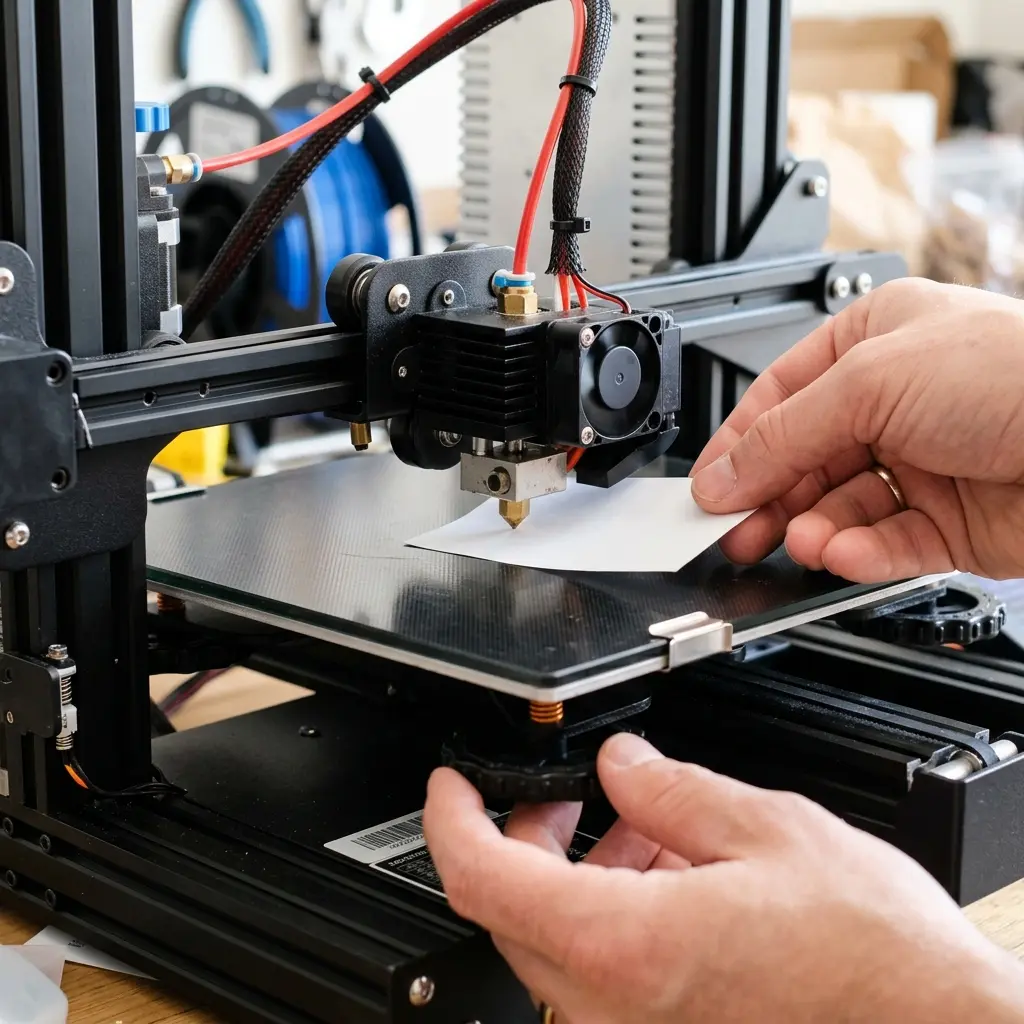
Cleaning and unclogging a brass nozzle can be efficiently achieved using an acupuncture needle while ensuring safety throughout the process.
Understanding the Importance of Brass Nozzle Maintenance
Brass nozzles are crucial components in various applications, particularly in 3D printing and fluid dispensing. Regular maintenance is essential for optimal performance.
Over time, residues from materials can accumulate and lead to clogs, which may disrupt functionality. Understanding how to clean these nozzles effectively ensures longevity and reliability.
Gathering the Necessary Tools for the Task
Before beginning the cleaning process, gather the following tools: an acupuncture needle, a soft cloth, a cleaning solution, and a magnifying glass. These items will aid in the efficient cleaning of the nozzle.
The acupuncture needle serves as the primary tool for unclogging. It is thin enough to fit into the nozzle while being sturdy enough to clear obstructions.
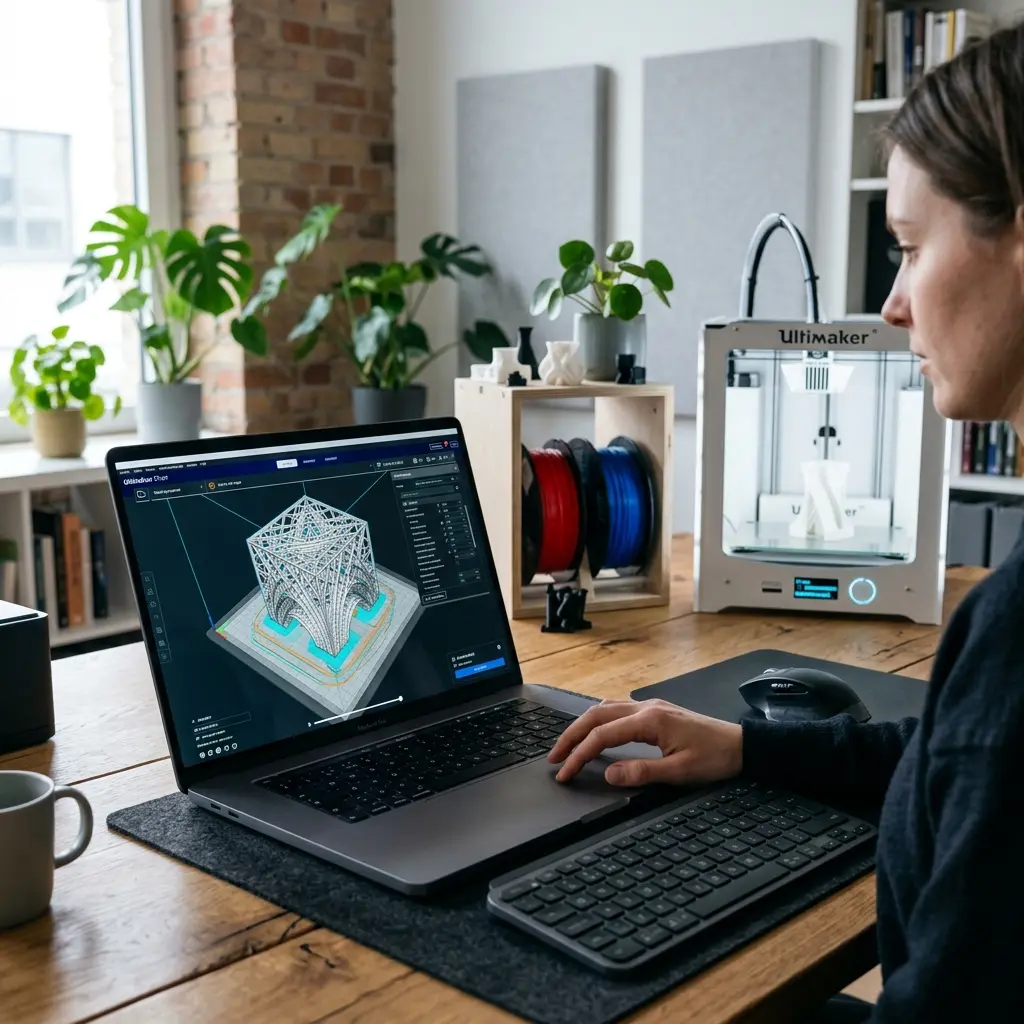
Step-by-Step Guide to Clean and Unclog a Brass Nozzle
Follow these steps meticulously to ensure a thorough cleaning of the brass nozzle:
- Ensure the nozzle is completely cooled down before handling it.
- Detach the nozzle from the 3D printer or device it is attached to.
- Inspect the nozzle for visible debris or buildup.
- Soak the nozzle in a cleaning solution for approximately 30 minutes.
- Use the acupuncture needle to gently poke into the nozzle opening, carefully removing any clogs.
- Wipe the nozzle with a soft cloth to remove any leftover cleaning solution.
- Reattach the nozzle to the device, ensuring it is secure.
- Run a test print or operation to check if the clog is cleared.
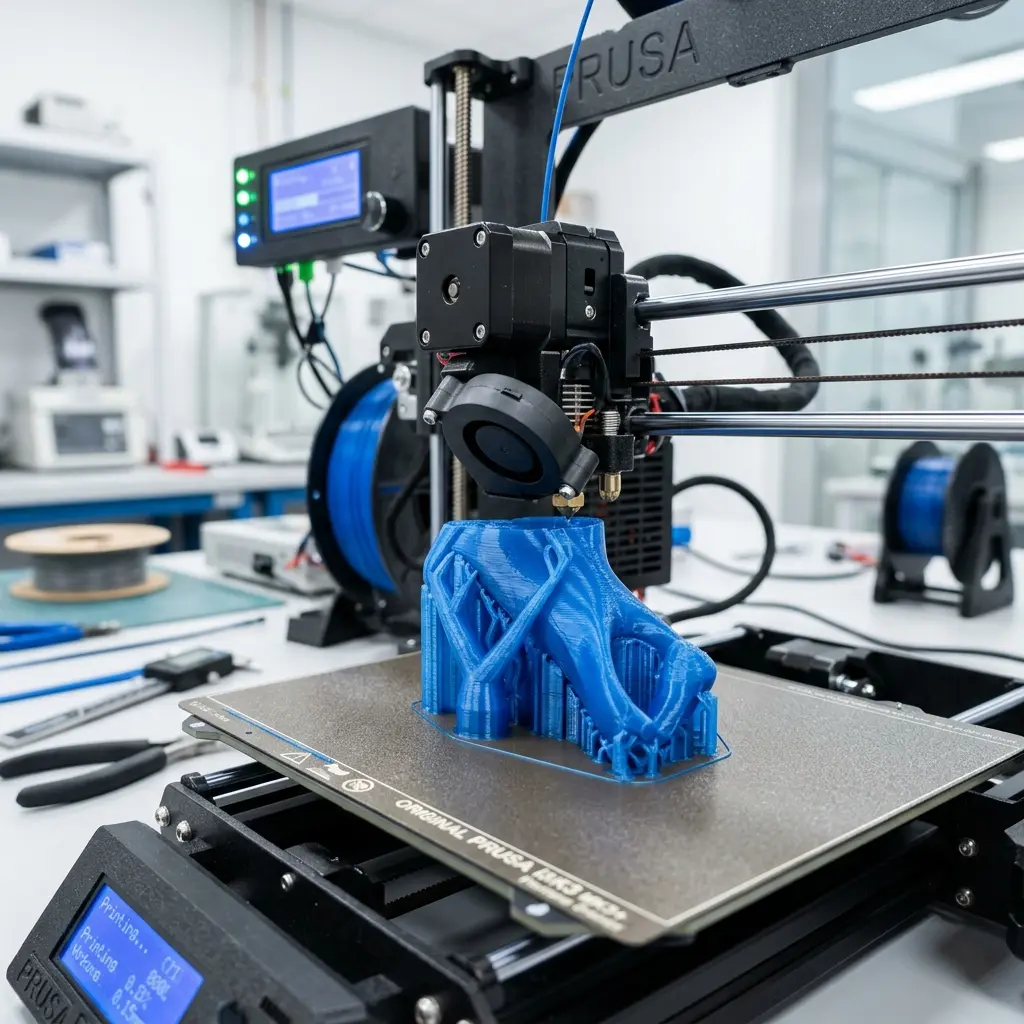
Safety Precautions When Using an Acupuncture Needle
Safety is paramount while cleaning with sharp tools. Here are critical precautions to follow:
Always handle the acupuncture needle with care to avoid injuries. Keep the workspace clean and organized to minimize accidents.
Additionally, ensure that the cleaning solution used is appropriate for brass and does not pose any health risks. Wear gloves and goggles if necessary to protect against splashes.
Why Use an Acupuncture Needle for Cleaning?
The choice of an acupuncture needle is strategic due to its slim profile, which allows access to tight spaces within the nozzle. This tool provides precision that broader tools cannot match.
Furthermore, the material of the needle typically does not scratch or damage the brass, preserving the quality of the nozzle. This makes it an ideal choice for delicate cleaning tasks.
Comparative Analysis of Cleaning Tools
| Tool | Pros | Cons |
|---|---|---|
| Acupuncture Needle | Precision, thin profile, no damage to brass | Requires careful handling |
| Wire Brush | Effective for heavy buildup | Can scratch and damage the nozzle |
| Screwdriver | Useful for removing larger clogs | Not suitable for fine cleaning |
| Compressed Air | Quick and effective for loose debris | May not reach deeper clogs |
DomineTec Tip: Consider using a dedicated cleaning solution designed for brass components to enhance the cleaning process.
Conclusion and Maintenance Best Practices
Regular maintenance of brass nozzles will significantly enhance their lifespan and functionality. Implement routine cleaning schedules based on usage frequency.
Incorporating a cleaning regimen will help in identifying potential issues before they escalate, ensuring a smooth operation of your equipment.
Frequently Asked Questions
How often should a brass nozzle be cleaned?
Cleaning frequency depends on usage but should generally occur after every few prints or whenever a clog is suspected.
Can other tools be used instead of an acupuncture needle?
While other tools can be used, an acupuncture needle is preferred for its precision and minimal risk of damage to the nozzle.
What types of cleaning solutions are safe for brass nozzles?
Use cleaning solutions specifically designed for brass or general-purpose cleaners that do not contain harsh chemicals.
Is it safe to use heat during the cleaning process?
Using heat can help soften clogs but should only be applied with caution to avoid burns or damaging the nozzle.
What signs indicate that a nozzle is clogged?
Signs of a clog include inconsistent extrusion, unusual noises during operation, and visible filament buildup around the nozzle.
Advanced Techniques for Nozzle Cleaning
Beyond basic cleaning, advanced techniques can be employed for stubborn clogs. The following methods can provide additional options:
Soaking in Acetone
Soaking the nozzle in acetone can dissolve certain types of plastic residues. However, ensure the nozzle is completely brass without any coatings that might be affected by acetone.
Ultrasonic Cleaning
Ultrasonic cleaners can be effective for thoroughly cleaning nozzles. This method uses high-frequency sound waves to agitate a cleaning solution, effectively removing build-up.
Using Heat Gun or Soldering Iron
Applying gentle heat with a heat gun or soldering iron can help melt any hard clogs. Be cautious to avoid overheating, which can warp or damage the nozzle.
Checklists for Effective Maintenance
Pre-Cleaning Checklist
- Power off the device and unplug it.
- Gather all necessary cleaning tools.
- Ensure the workspace is clean and well-lit.
- Wear protective equipment if needed.
Post-Cleaning Checklist
- Inspect the nozzle for any remaining debris.
- Test the nozzle by running a small amount of filament through it.
- Document any issues encountered for future reference.
- Store tools properly to avoid damage.
Common Problems and Solutions
| Problem | Symptoms | Proposed Solution |
|---|---|---|
| Clogged Nozzle | Inconsistent extrusion, filament jams | Use acupuncture needle and soak in cleaning solution |
| Overheating | Filament burns or smokes | Reduce temperature settings and ensure proper airflow |
| Under-extrusion | Weak layer adhesion, gaps in prints | Check for clogs and adjust flow rate settings |
| Stringing | Thin strands between prints | Adjust retraction settings and temperature |




