How to Calibrate Motion Sensors on Meta Quest Pro Controllers
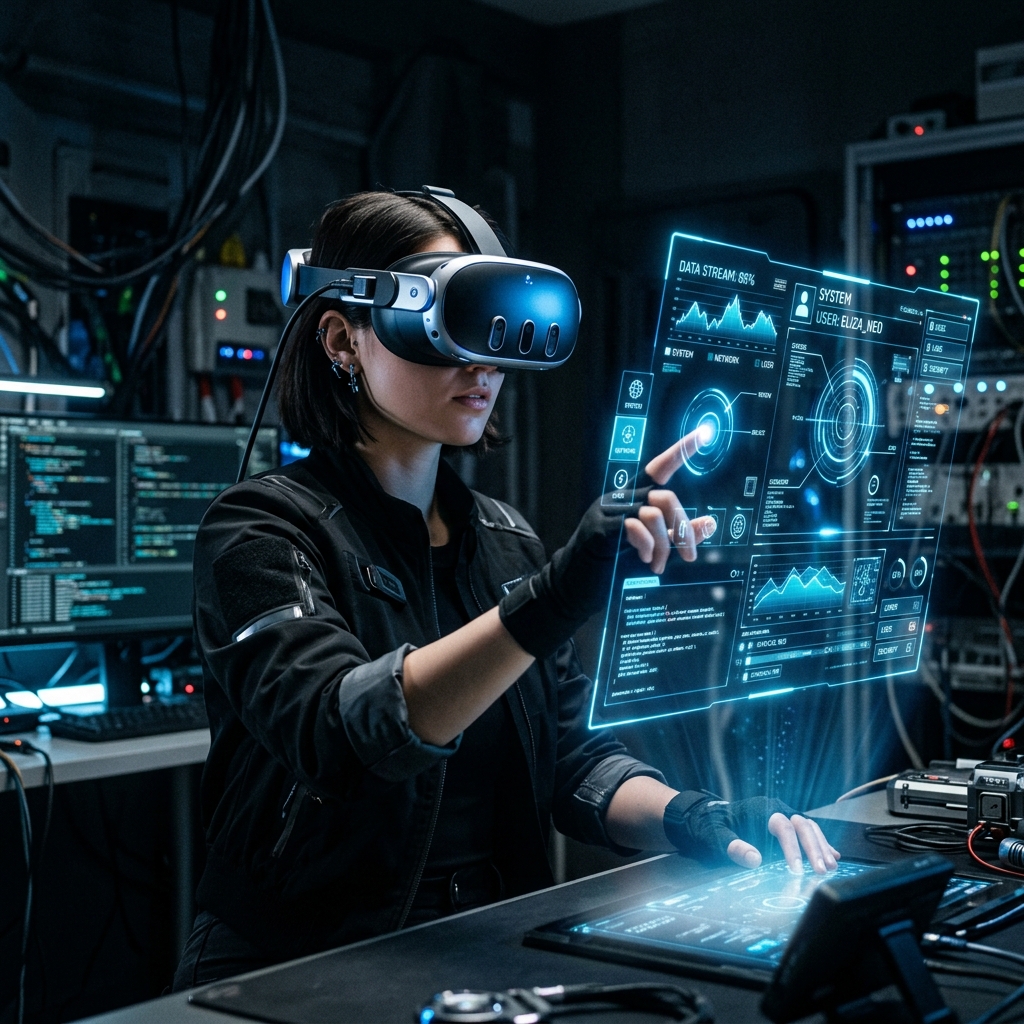
How to Calibrate Motion Sensors on Meta Quest Pro Controllers
The Meta Quest Pro controllers play a crucial role in enhancing the immersive experience of virtual reality. Proper calibration of motion sensors is necessary to ensure accurate tracking and a seamless interaction within virtual environments.
Understanding Motion Sensors
Motion sensors in VR controllers detect orientation and movement, allowing users to interact naturally with digital environments. These sensors rely on gyroscopes, accelerometers, and magnetometers to provide precise input.
Importance of Calibration
Calibration is essential for correcting any drift or inaccuracies in the tracking of the motion sensors. When not calibrated, users may experience lag or misalignment, detracting from the overall experience.
Steps to Calibrate Motion Sensors
- Ensure Proper Setup: Make sure the play area is clear of obstacles. Adequate lighting is essential for the best tracking performance.
- Access Settings: From the main menu of the Meta Quest Pro, navigate to the settings panel.
- Select Controller Settings: Look for the controller options within the settings menu.
- Choose Calibration: Select the calibration option, which may be labeled as "Calibrate Motion Sensors" or similar.
- Follow On-Screen Instructions: The interface will guide through the necessary steps, which may include moving the controllers in specific patterns.
- Test the Calibration: After calibration, test the controllers within a VR application to ensure improved tracking performance.
When to Recalibrate
Recalibration may be necessary if there are noticeable tracking issues or after significant changes in the play environment. Frequent calibration can also be beneficial for maintaining optimal performance.
Comparison of VR Headsets
| VR Headset | Resolution | Refresh Rate | Field of View | Price |
|---|---|---|---|---|
| Meta Quest Pro | 1800 x 1920 | 90Hz | 110° | $999 |
| Valve Index | 1440 x 1600 | 120Hz | 130° | $999 |
| HTC Vive Pro 2 | 2448 x 2448 | 120Hz | 120° | $799 |
| Oculus Rift S | 2560 x 1440 | 80Hz | 110° | $399 |
| PlayStation VR2 | 2000 x 2040 | 120Hz | 110° | $549 |
Enhancing the VR Experience
Beyond calibration, users can enhance their VR experience through regular updates and maintenance. Keeping the software up to date ensures the best functionality and access to new features.
Common Issues and Troubleshooting
Users may encounter issues such as tracking loss or controller lag. These problems can often be resolved through recalibration or by ensuring the controllers are fully charged.
Conclusion
Calibrating motion sensors on Meta Quest Pro controllers is crucial for an immersive VR experience. By following the outlined steps, users can enjoy seamless interactions within their virtual environments.
FAQs
How often should motion sensors be calibrated?
Calibration should be performed whenever tracking issues arise or after significant changes in the environment.
What should be done if controllers are not responding?
If controllers are unresponsive, check the battery level and ensure they are within range of the headset.
Can calibration improve tracking accuracy?
Yes, proper calibration significantly improves tracking accuracy, enhancing the overall VR experience.
Is it necessary to recalibrate after software updates?
While not always necessary, recalibrating after major software updates can help resolve any new tracking issues.
Where can the Meta Quest Pro be purchased?
The Meta Quest Pro can be purchased from various retailers or online platforms. For the latest deals, visit here.
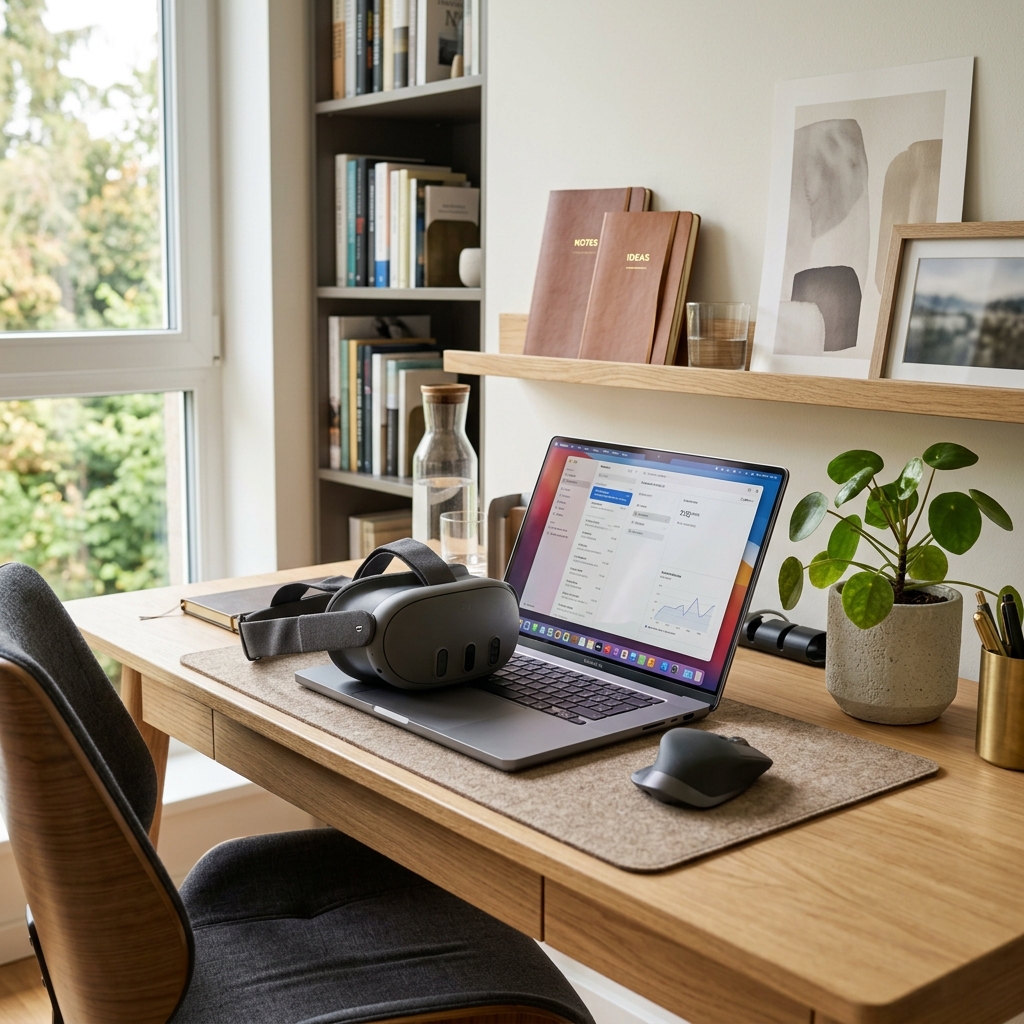
Understanding Motion Sensors in Meta Quest Pro Controllers
The Meta Quest Pro controllers utilize advanced motion sensors to provide an immersive VR experience. These sensors track hand movements with high precision, ensuring accurate interaction within virtual environments.
Understanding how these sensors work is crucial for effective calibration. Proper calibration optimizes responsiveness and enhances gameplay comfort.
Preparing for Calibration
Before calibrating motion sensors, ensure that the Meta Quest Pro headset and controllers are fully charged. A stable power source prevents interruptions during the calibration process.
Finding a clear and unobstructed space is essential. This allows the sensors to accurately detect movements without interference from external objects.
Accessing Calibration Settings
Calibration settings can be accessed through the Meta Quest Pro system menu. Navigate to the settings icon and select the controllers section to begin the calibration process.
It is important to locate the specific option for motion sensor calibration. This ensures that all relevant settings are adjusted for optimal performance.
Calibrating the Motion Sensors
Follow the on-screen instructions to initiate the calibration process. This typically involves moving the controllers in specific patterns to help the sensors learn their range of motion.
During calibration, maintain a steady hand and ensure that movements are smooth. This allows the sensors to accurately capture the full extent of controller capabilities.
Testing Sensor Calibration
After completing the calibration process, it is crucial to test the motion sensors. Engage in a few VR games or applications to verify that the controllers respond accurately to movements.
If there are discrepancies in the response, re-access the calibration settings and repeat the process. Consistency is key for an immersive experience.
Troubleshooting Calibration Issues
Calibration issues may arise due to environmental factors or obstructions. Ensure that the play area is clear and that there are no reflective surfaces nearby that could interfere with sensor performance.
If problems persist, consider resetting the controllers and repeating the calibration process. This can often resolve lingering issues with sensor accuracy.
Maintaining Optimal Sensor Performance
Regular maintenance of the Meta Quest Pro controllers helps maintain sensor performance. Clean the sensors gently to remove any dust or debris that may affect tracking accuracy.
Periodic recalibration is recommended, especially after significant changes in the play environment. Keeping the calibration up to date enhances the overall VR experience.
Exploring Advanced Calibration Techniques
For those seeking deeper customization, exploring advanced calibration techniques may be beneficial. These techniques can provide finer control over sensitivity and tracking responsiveness.
How to Calibrate Motion Sensors on Meta Quest Pro Controllers
Calibrating motion sensors on Meta Quest Pro controllers is essential for ensuring optimal performance and accuracy. This guide provides step-by-step instructions for users looking to fine-tune their controllers.
Understanding Motion Sensor Calibration
Motion sensor calibration involves adjusting the sensors within the controller to ensure they accurately detect movement. Proper calibration can enhance gameplay and user experience in virtual reality environments.
Why Calibration is Important
Calibration is crucial for several reasons. It helps to minimize drift and improve tracking accuracy.
- Improved Accuracy: Ensures that movements are reflected accurately in the virtual environment.
- Reduced Drift: Minimizes any unintended movements that can occur over time.
- Enhanced User Experience: Provides a more immersive and enjoyable gaming experience.
Prerequisites for Calibration
Before proceeding, ensure the following prerequisites are met:
- Meta Quest Pro headset is fully charged and updated to the latest firmware.
- Controllers are charged and synced with the headset.
- A clear play area free of obstacles to allow for full range of motion.
Step-by-Step Calibration Process
The calibration process for Meta Quest Pro controllers is straightforward. Follow these steps for effective calibration:
Step 1: Access Settings
Start by putting on the Meta Quest Pro headset and navigating to the main menu. From there, access the settings menu.
Step 2: Select Devices
Within the settings menu, find and select the "Devices" option. This section will display all connected devices, including the controllers.
Step 3: Choose Controller Calibration
Locate the option for "Controller Calibration" within the Devices menu. This option will guide users through the calibration steps.
Step 4: Follow On-Screen Instructions
Once in the calibration menu, follow the on-screen instructions provided by the system. This will typically include movements that need to be performed with the controllers.
Step 5: Perform Calibration Movements
Users will be prompted to move the controllers in specific directions. Make sure to follow these instructions closely for the best results.
Step 6: Confirm Calibration
After performing the required movements, confirm the calibration settings. The system will process the inputs and finalize the calibration.
Common Issues During Calibration
While calibrating, users may encounter common issues. Understanding these can lead to better troubleshooting.
- Inaccurate Tracking: Ensure the play area is well-lit and free from reflective surfaces.
- Unresponsive Controllers: Check battery levels and ensure the controllers are synced with the headset.
- Calibration Failure: Restart the headset and repeat the calibration process if it fails.
Post-Calibration Testing
Once calibration is complete, it is essential to test the controllers. This can be done in a VR application or a game.
- Check Responsiveness: Ensure that movements are accurately reflected within the virtual environment.
- Test Various Angles: Move the controllers in different directions to ensure full range of motion is tracked.
Maintaining Controller Performance
To maintain optimal performance of Meta Quest Pro controllers, regular calibration is recommended. Additionally, keeping the firmware updated can prevent potential issues.
When to Recalibrate
Recalibration may be necessary in several scenarios. It is good practice to recalibrate after significant updates or if performance issues arise.
- After firmware updates or software changes.
- When experiencing tracking issues or inaccuracies.
- After prolonged use without calibration.
Conclusion
Proper calibration of Meta Quest Pro controllers is vital for an optimal VR experience. By following the outlined steps, users can ensure their controllers perform at their best.
Regular maintenance and recalibration can significantly enhance the accuracy and responsiveness of the controllers. Enjoy the immersive world of virtual reality with calibrated motion sensors!
Understanding Motion Sensor Technology
Motion sensors in VR controllers, such as those in the Meta Quest Pro, rely on a combination of accelerometers and gyroscopes. These sensors work together to track the orientation and movement of the controller in real-time.
By understanding how these sensors operate, users can appreciate the importance of regular calibration. Proper calibration ensures a seamless and immersive experience in virtual environments.
Other VR models, like the Valve Index and HTC Vive Pro, utilize similar technology, highlighting the universal significance of motion sensor accuracy across different platforms. This shared reliance on precise sensor technology underlines the need for effective calibration practices.
Common Calibration Issues
Calibration issues can manifest in various ways, such as inaccurate tracking or delayed input response. These problems can lead to frustration during gameplay, detracting from the overall experience.
Many users encounter drifting issues, where the controller appears to move on its own. Identifying these common calibration issues is the first step toward achieving optimal performance with devices like the Meta Quest Pro.
Users of other VR systems, including Oculus Rift S and PlayStation VR, may face similar challenges. Recognizing these issues can help in developing effective solutions for smoother interactions in virtual settings.
Tips for Maintaining Sensor Accuracy
To maintain sensor accuracy, regular calibration is key. It is advisable to recalibrate after significant environmental changes or when the controller has been moved to a different location.
Keeping the sensors clean and free from obstructions can also enhance performance. Ensuring a clear line of sight to the tracking cameras helps avoid interference that could affect accuracy.
Additionally, using the controllers in well-lit areas can improve tracking reliability. Following these simple tips can significantly enhance the overall experience for users of the Meta Quest Pro and other VR devices like the Oculus Quest 2.