How to Calibrate Motion Sensors on Meta Quest Go Controllers
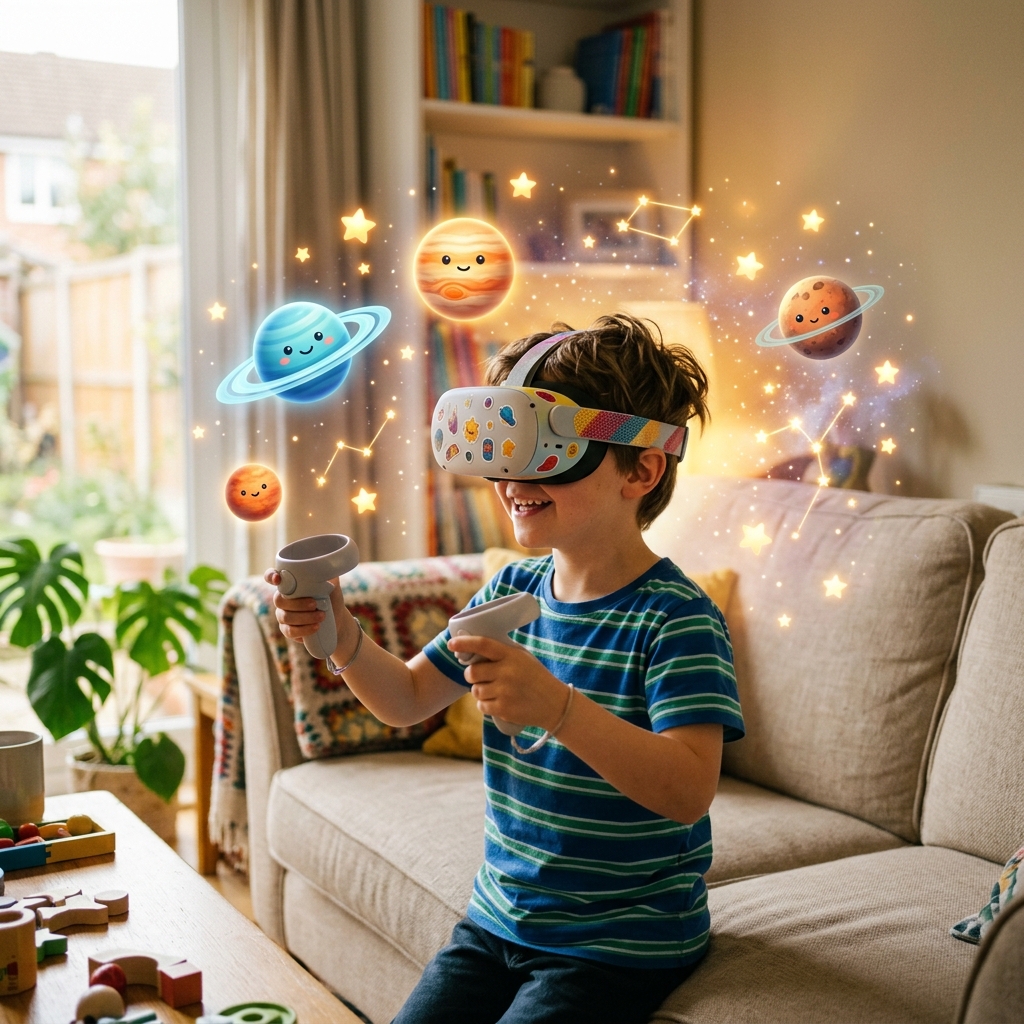
How to Calibrate Motion Sensors on Meta Quest Go Controllers
Calibrating motion sensors on Meta Quest Go controllers is essential for optimizing performance and ensuring an immersive virtual reality experience. This guide provides a comprehensive approach to achieving accurate calibration for enhanced interactions.
Understanding Motion Sensors
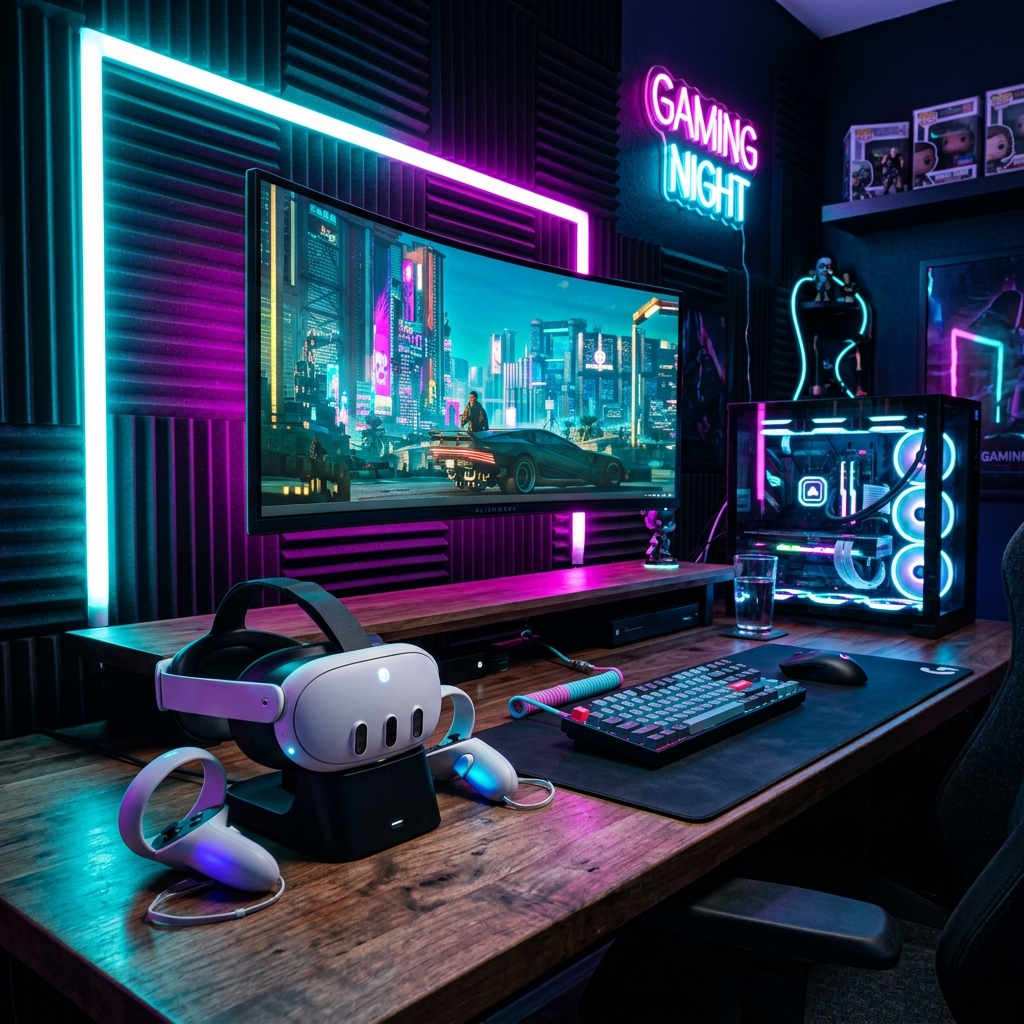
Motion sensors in VR controllers detect orientation and movement, translating physical actions into the virtual space. Proper calibration of these sensors ensures precision in user inputs, minimizing lag and inaccuracies.
Why Calibration is Necessary
Calibration compensates for drift, enhances tracking accuracy, and aligns the virtual environment with user movements. Regularly calibrating motion sensors is crucial for maintaining an optimal experience, especially in fast-paced gaming scenarios.
Step-by-Step Guide to Calibrate Motion Sensors
- Ensure the Meta Quest Go headset is powered on and properly connected to the controllers.
- Navigate to the settings menu from the main interface.
- Select the "Devices" option and choose "Controllers."
- Look for the "Calibrate" option and initiate the calibration process.
- Follow on-screen instructions, which may include moving the controllers in specific patterns.
- Complete the calibration and test the responsiveness in a virtual environment.
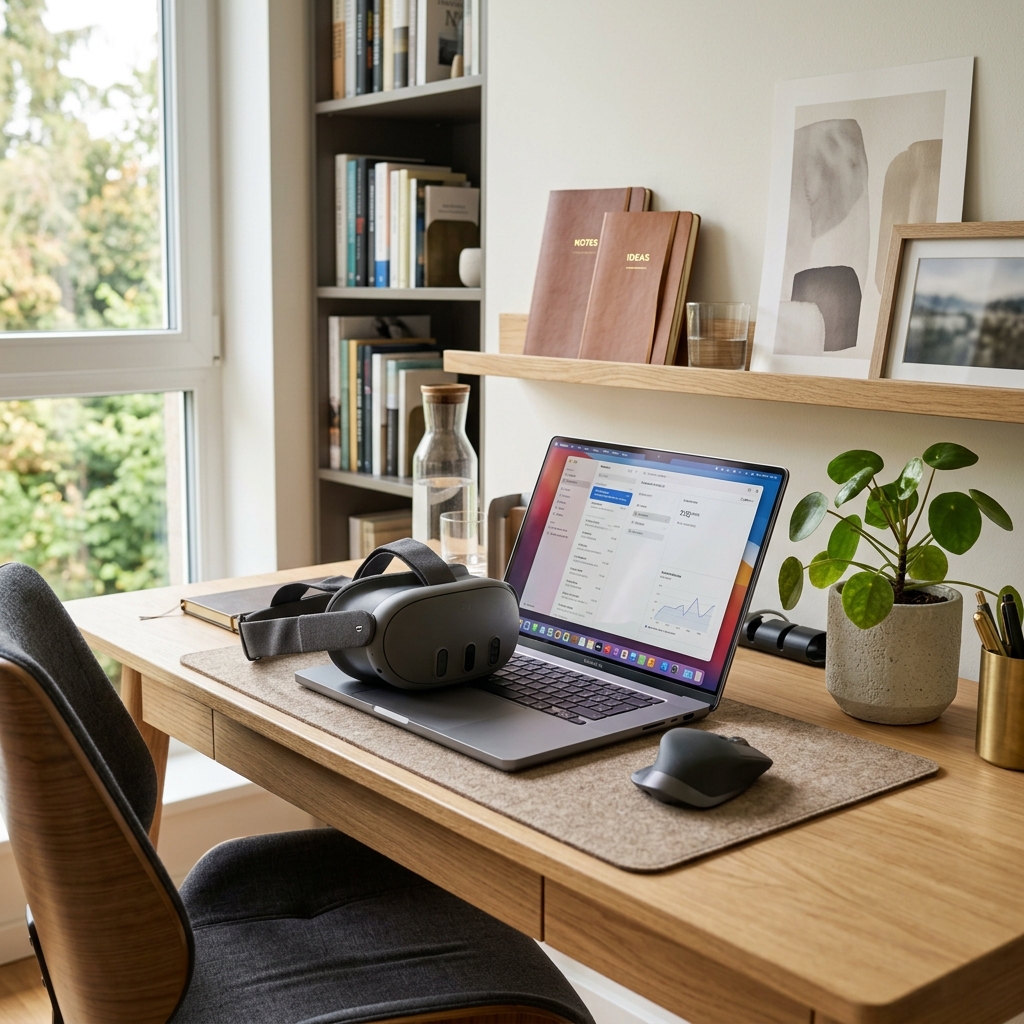
Specifications Comparison of Popular VR Headsets
| Model | Display Resolution | Refresh Rate | Field of View | Audio | Wireless Capability |
|---|---|---|---|---|---|
| Meta Quest 3 | 2064 x 2208 per eye | 120Hz | 110 degrees | Spatial Audio | Yes |
| Meta Quest 2 | 1832 x 1920 per eye | 120Hz | 90 degrees | Integrated Audio | Yes |
| HTC Vive Focus 3 | 2448 x 2448 per eye | 90Hz | 110 degrees | Hi-Res Audio | Yes |
| Valve Index | 1440 x 1600 per eye | 144Hz | 130 degrees | High-Fidelity Audio | No |
| PlayStation VR2 | 2000 x 2040 per eye | 120Hz | 110 degrees | 3D Audio | Yes |
| Apple Vision Pro | 3400 x 3024 per eye | 120Hz | 120 degrees | Spatial Audio | Yes |
DomineTec Tip: Regular calibration can prevent performance degradation. For those seeking to optimize overall device functionality, consider learning how to backup iPhone to computer without iCloud.
Common Issues and Troubleshooting
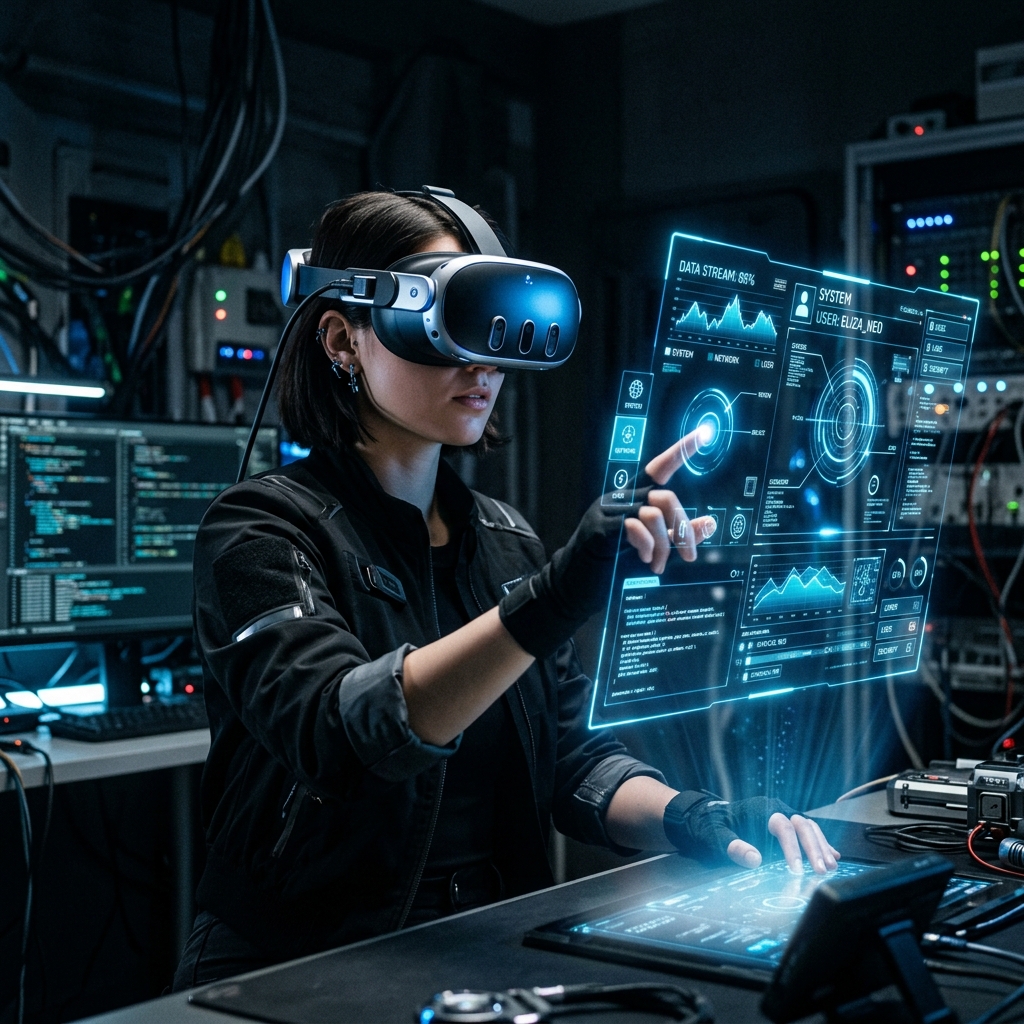
During the calibration process, issues such as unresponsive controllers or inconsistent tracking may arise. Identifying these issues early can contribute to a smoother user experience.
Controller Not Responding
Check battery levels; low power can lead to erratic behavior. Replace batteries or recharge controllers as necessary.
Calibration Drift
Drift can occur due to environmental factors or improper initial calibration. Repeating the calibration process in a stable environment is often the best solution.
Advanced Calibration Techniques
For users seeking enhanced precision, advanced calibration techniques can be employed. These techniques often involve using external calibration tools or software.
Using Calibration Software
Specialized software can assist in fine-tuning motion sensor settings, providing detailed feedback on performance. This software typically connects via USB to the headset or controllers.
External Calibration Tools
Devices such as motion capture systems can provide unparalleled precision. These systems track controller movement in real-time, adjusting calibration settings to achieve optimal accuracy.
Maintaining Your Controllers
Proper maintenance is essential for long-term performance of Meta Quest Go controllers. Regular cleaning and storage practices can prolong their lifespan.
Cleaning the Controllers
Use a microfiber cloth to gently clean the exterior of the controllers. Avoid harsh chemicals that could damage the surface.
Storage Best Practices
Store controllers in a cool, dry place away from direct sunlight. This prevents overheating and protects the internal components from damage.
Exploring Additional Accessories
Enhancing the VR experience can involve considering additional accessories for Meta Quest Go. Accessories can improve comfort and tracking accuracy.
Grip Covers
Grip covers can enhance comfort and provide better traction during use. This can be especially beneficial during longer gaming sessions.
Tracking Accessories
Using dedicated tracking accessories can improve the overall tracking quality. Some options include external sensors placed in the play area.
Ensuring Compatibility with Other Devices
Meta Quest Go controllers may also interact with other VR systems. Compatibility is crucial for users who own multiple VR systems.
Cross-Platform Compatibility
Check the specifications of different VR headsets to understand compatibility. For instance, controllers from various systems may not function interchangeably.
Using Third-Party Software
Some third-party software allows for broader compatibility between devices. Research options carefully to avoid issues with performance.
Conclusion
Calibrating motion sensors on Meta Quest Go controllers is a pivotal step in enhancing the VR experience. Following the outlined steps ensures optimal controller performance and user satisfaction.
Understanding Motion Sensors in VR Controllers
Motion sensors are crucial for delivering an immersive virtual reality experience. They track the position and orientation of the controllers, allowing for precise interactions within the virtual environment.
Types of Motion Sensors Used in Meta Quest Go Controllers
The Meta Quest Go controllers utilize a combination of accelerometers and gyroscopes. These sensors work together to provide accurate motion tracking and orientation data.
Common Issues with Motion Sensor Calibration
Users may experience drift or unresponsiveness in their controllers due to improper calibration. Understanding these issues can help in troubleshooting and achieving optimal performance.
Step-by-Step Guide to Calibrating Your Controllers
Follow these steps to effectively calibrate your Meta Quest Go controllers. Proper calibration can enhance your gaming experience significantly.
- Ensure your controllers are fully charged before calibration.
- Navigate to the settings menu in your Meta Quest Go interface.
- Select the 'Controller Settings' option to begin the calibration process.
- Follow the on-screen instructions to complete the calibration.
Tips for Maintaining Optimal Sensor Performance
Regular maintenance can prevent calibration issues from arising. Here are some tips to keep your sensors functioning optimally.
- Avoid exposing your controllers to extreme temperatures or moisture.
- Keep the sensors clean and free from dust or debris.
- Store your controllers in a safe place when not in use.
Advanced Calibration Techniques for Enthusiasts
For users seeking to fine-tune their experience, advanced calibration techniques can be beneficial. These methods can help achieve a higher level of precision in tracking.
- Experiment with different grip styles to find what works best for you.
- Utilize third-party calibration tools if available.
When to Seek Professional Help
If calibration issues persist despite following the recommended steps, it may be time to seek professional assistance. A technician can diagnose hardware issues that may be affecting performance.
Conclusion: The Importance of Proper Calibration
Proper calibration of your Meta Quest Go controllers is essential for an immersive VR experience. Taking the time to calibrate can significantly enhance your enjoyment and performance in virtual environments.
Understanding Motion Sensors in Meta Quest Go Controllers
Motion sensors in Meta Quest Go controllers are essential for an immersive virtual reality experience. These sensors track the position and orientation of the controllers, allowing for precise interactions within the VR environment.
Each controller is equipped with accelerometers and gyroscopes that work together to detect movement. This technology enables users to perform actions like pointing, grabbing, and navigating seamlessly in a 3D space.
Understanding how these sensors function is crucial for effective calibration. Proper calibration ensures that movements are accurately reflected in the virtual world, enhancing the overall user experience.
Preparing for Calibration
Before starting the calibration process, ensure that the Meta Quest Go controllers are fully charged. A low battery can lead to inaccurate readings and hinder the calibration process.
Clear the area around you of any obstacles that might interfere with the sensors. A clean, open space allows for better tracking and minimizes the chances of errors during calibration.
It is also advisable to remove any reflective surfaces nearby. Reflections can confuse the sensors, leading to miscalibrated movements and a frustrating experience in VR.
Step-by-Step Calibration Process
Begin the calibration process by accessing the settings menu on the Meta Quest Go headset. Navigate to the controller settings where the calibration option is located.
Follow the on-screen instructions to initiate the calibration. This typically involves moving the controllers in specific patterns to allow the sensors to recalibrate accurately.
Once the calibration is complete, test the controllers by performing various movements. This ensures that the calibration was successful and that the sensors are functioning correctly.
Common Calibration Issues and Solutions
Sometimes, users may encounter issues during calibration, such as unresponsive controllers. This can often be resolved by restarting the Meta Quest 3nd controllers to reset the connection.
If the calibration seems off, check for any obstructions in the environment. Moving to a different location with better lighting and fewer reflective surfaces can significantly improve sensor performance.
In cases where calibration fails repeatedly, consider updating the firmware of the Meta Quest Go. Keeping the software up-to-date can resolve bugs and enhance the overall functionality of the controllers.
Maintaining Optimal Sensor Performance
Regular maintenance of the Meta Quest Go controllers is essential for optimal sensor performance. Ensure that the controllers are clean and free from dust or debris that might obstruct the sensors.
Store the controllers in a safe place when not in use to prevent physical damage. Proper storage helps maintain the integrity of the sensors and prolongs the lifespan of the controllers.
Additionally, periodically recalibrating the controllers can help maintain accuracy over time. This is especially important if the controllers are used frequently or in different environments.
Advanced Calibration Techniques
For users seeking enhanced performance, advanced calibration techniques can be employed. These techniques often involve using external tools or software designed for precise motion tracking.
Some users may opt to use calibration mats or markers to assist in achieving higher accuracy. These tools can provide reference points for the sensors, leading to improved tracking fidelity.
Engaging with community forums or expert resources can also provide insights into advanced calibration methods. Learning from experienced users can lead to discovering new techniques that enhance the VR experience.
Conclusion: The Importance of Calibration
Calibration is a vital process for ensuring that Meta Quest Go controllers function optimally. Properly calibrated controllers lead to a more immersive and enjoyable virtual reality experience.
By understanding the calibration process and addressing common issues, users can enhance their interactions within VR environments. A well-calibrated setup allows for seamless navigation and interaction, making every session more engaging.
Investing time in calibrating motion sensors pays off in the long run, providing a smoother and more responsive VR experience. Embracing these practices can transform how users engage with virtual reality technology.
Discover more valuable tech guides from DomineTec to elevate your setup, such as the buyer comparison on how to buy Meta Quest 3 or learn the direct steps to backup iPhone to computer without iCloud.
Frequently Asked Questions
1. How do one start the calibration process for the Meta Quest Go controllers?
To start the calibration process, ensure your controllers are charged and powered on. Then, navigate to the settings menu in your Meta Quest Go and select the option for controller calibration.
2. What should one do if the calibration fails?
If the calibration fails, try resetting your controllers by turning them off and on again. Make sure there are no obstructions around the sensors and attempt the calibration process again.
3. How often should one calibrate the Meta Quest Go controllers?
It is recommended to calibrate your controllers whenever you notice tracking issues or after significant updates to the system software. Regular calibration can help maintain optimal performance.
4. Can one calibrate the controllers without the headset?
No, the calibration process requires the headset to be connected to the controllers. The headset provides the necessary feedback for accurate calibration.
5. What are the signs that the controllers need calibration?
Signs that your controllers may need calibration include erratic tracking, delayed response to movements, or if the pointer does not align with your hand movements accurately.




