How to Calibrate Motion Sensors on Meta Quest Controllers
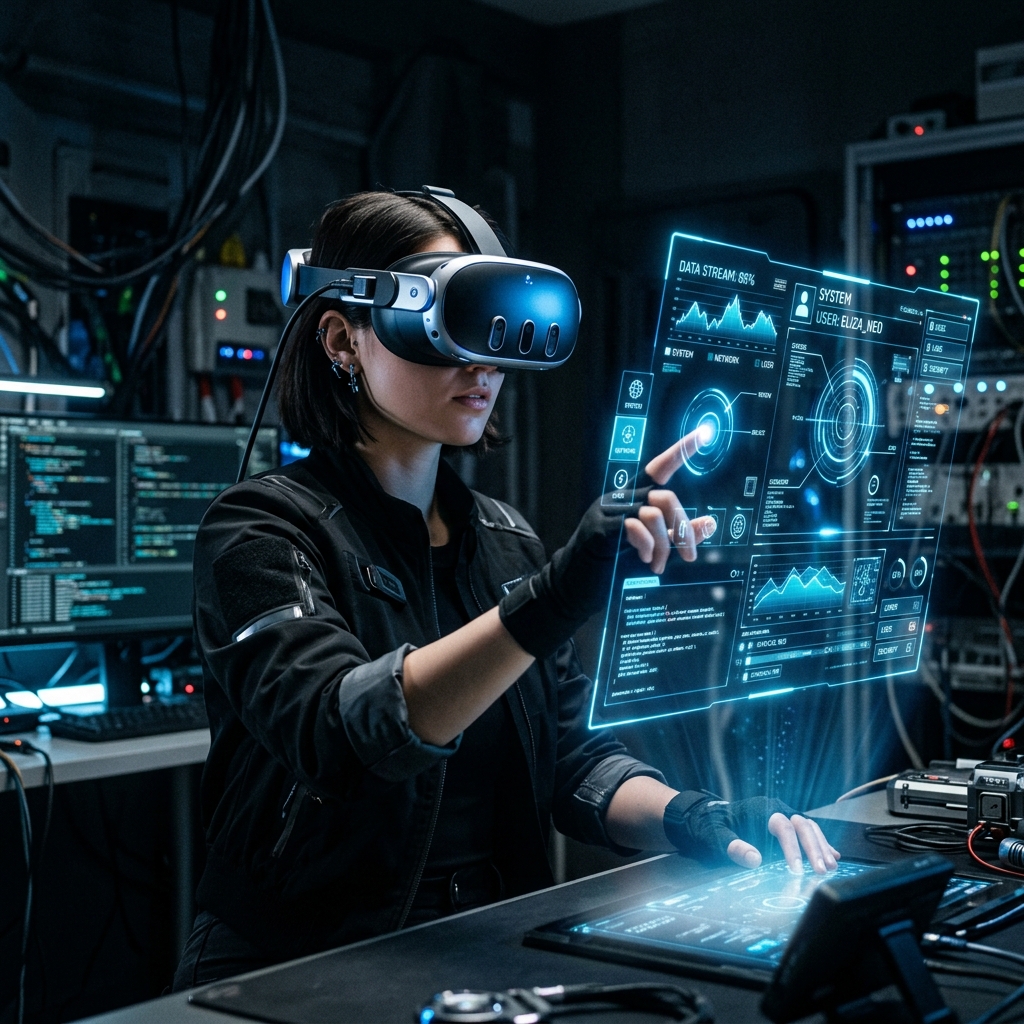
How to Calibrate Motion Sensors on Meta Quest Controllers
Calibrating motion sensors on Meta Quest controllers is essential for an optimal virtual reality experience. Proper calibration ensures accurate tracking, improved gameplay, and a more immersive environment. To achieve precise calibration, follow the effective steps outlined in this article. Understanding how to calibrate motion sensors on Meta Quest controllers can significantly enhance the user experience.Understanding the Motion Sensors
Meta Quest controllers utilize advanced motion sensors to track movements in real-time. These sensors rely on gyroscopes, accelerometers, and optical tracking to detect orientation and position. Accurate calibration is crucial for these sensors to function effectively. Misalignment can lead to tracking errors, causing a frustrating experience during gameplay or application use.Specifications Comparison of Popular VR Headsets
| Model | Tracking Technology | Controllers | Resolution | Field of View | Price |
|---|---|---|---|---|---|
| Meta Quest 3 | Inside-out | Touch Plus | 2064 x 2208 per eye | 110 degrees | $499 |
| Meta Quest 2 | Inside-out | Touch | 1832 x 1920 per eye | 90 degrees | $299 |
| HTC Vive Focus 3 | Inside-out | Vive Controllers | 2448 x 2448 per eye | 90 degrees | $999 |
| Valve Index | External base stations | Index Controllers | 1440 x 1600 per eye | 130 degrees | $999 |
| PlayStation VR2 | Inside-out | Sense Controllers | 2000 x 2040 per eye | 110 degrees | $549 |
| Apple Vision Pro | External tracking | Custom Controllers | 3000 x 3000 per eye | 120 degrees | $3499 |
Step-by-Step Guide to Calibrating Motion Sensors
- Ensure the Meta Quest headset is fully charged and powered on.
- Navigate to the settings menu from the home screen.
- Select "Devices" and then choose "Controllers."
- Access the option for "Calibrate Motion Sensors."
- Follow on-screen instructions to position the controllers and complete the calibration process.
- Test the calibration by moving the controllers in various directions to ensure accurate tracking.
- Repeat the calibration if necessary, especially after firmware updates.
DomineTec Tip: Regular calibration can significantly improve the performance of your controllers. Consider checking calibration before intense gaming sessions or after extended breaks. For optimal performance, you may want to buy Meta Quest 3.
Common Issues and Troubleshooting
Sometimes, issues may arise even after proper calibration. Common problems include inaccurate tracking or lag in response. If tracking seems off, consider the following troubleshooting steps: - Ensure there are no obstructions between the controllers and the headset. - Check for firmware updates for both the headset and the controllers. - Restart the headset and reattempt calibration. - Consult the user manual for additional calibration guidance. For further troubleshooting, refer to the article on how to fix meta quest 2 and 3 tracking lost error.Conclusion
Frequently Asked Questions
1. How often should motion sensors be calibrated?
Calibration should be performed regularly, especially after firmware updates or prolonged use.2. What should be done if the calibration fails?
If calibration fails, ensure there are no obstructions and restart the headset before attempting again.3. Can the calibration process affect gameplay performance?
Yes, improper calibration can lead to lag and inaccurate tracking, negatively impacting gameplay.4. Are there any specific environmental conditions that affect calibration?
5. Is it possible to reset controller calibration to default settings?
Yes, there is usually an option to reset controllers to default settings within the device settings menu.Understanding Motion Sensors in Meta Quest Controllers
Motion sensors in Meta Quest controllers are essential for an immersive virtual reality experience. These sensors track movements, translating them into actions within the VR environment.
Getting familiar with how these sensors operate can enhance gaming and application interaction. Proper calibration ensures precision and responsiveness.
Importance of Calibrating Motion Sensors
Calibration is crucial for achieving accurate tracking in VR experiences. Without proper calibration, movements may appear jittery or unresponsive.
Regular calibration helps maintain optimal performance, especially after prolonged use or following updates. This can lead to a more enjoyable and seamless VR experience.
Step-by-Step Calibration Process
To calibrate motion sensors, start by ensuring the controllers are fully charged. This prevents any power-related issues during the calibration process.
Next, navigate to the settings menu in the Meta Quest interface. Look for the option related to controller settings to begin the calibration.
Using the Calibration Tool
The Meta Quest offers a built-in calibration tool for the controllers. This tool guides users through the calibration steps, making the process user-friendly.
Follow on-screen prompts, which may include positioning the controllers in specific orientations. This ensures accurate sensor alignment and functionality.
Troubleshooting Calibration Issues
If calibration fails, check for any obstructions or interference in the play area. Objects that block the sensors can lead to inaccurate readings.
Additionally, ensure that the firmware of the Meta Quest and controllers is up to date. Outdated software can cause calibration problems.
When to Recalibrate Motion Sensors
Recalibration may be necessary after significant environmental changes. For instance, moving to a new play area or rearranging furniture can impact sensor performance.
Also, consider recalibrating after software updates. These updates may affect how sensors operate and track movements.
Benefits of Regular Calibration
Regular calibration leads to enhanced accuracy in tracking movements. This is especially beneficial in fast-paced gaming scenarios where precision is key.
It also improves the overall user experience, making interactions feel more natural and intuitive. Consistent calibration can prolong the lifespan of the controllers.
Additional Resources for Calibration
Community forums also serve as a valuable tool for troubleshooting calibration-related issues. Engaging with other users can provide insights and tips for optimal calibration practices.
How to Calibrate Motion Sensors on Meta Quest Controllers
Calibrating the motion sensors on Meta Quest controllers is essential for ensuring optimal performance during virtual reality experiences. Proper calibration enhances accuracy and responsiveness, creating a more immersive environment for users.
Understanding Motion Sensors
Motion sensors in VR controllers track movement and orientation to translate physical actions into the virtual world. These sensors are crucial for interactions such as pointing, selecting, and navigating within VR applications.
Why Calibration is Important
Calibration is necessary to maintain precision in tracking, especially if the controllers have experienced heavy use or if users have changed their play area. An uncalibrated controller may lead to unwanted lag or incorrect movements in VR.
Preparing for Calibration
Before starting the calibration process, ensure that the Meta Quest 2 controllers are fully charged. Low battery levels can affect sensor performance and lead to inaccurate calibration results.
Additionally, clear the play area of any obstructions that could interfere with the sensors. A clean space allows for more accurate tracking and helps avoid interruptions during calibration.
Steps to Calibrate Meta Quest Controllers
Follow these steps to calibrate the motion sensors on Meta Quest controllers:
- Step 1: Power on the Meta Quest headset and ensure it is connected to the controllers.
- Step 2: Navigate to the Settings menu from the main interface of the headset.
- Step 3: Select the "Devices" option, then choose "Controllers" from the list.
- Step 4: Look for the "Calibrate" option and select it.
- Step 5: Follow the on-screen prompts to reposition the controllers as instructed.
- Step 6: Complete the calibration by confirming the adjustments made.
Additional Calibration Tips
For better calibration results, consider the following tips:
- Ensure that the play area is well-lit, as this improves tracking accuracy.
- Keep the controllers away from reflective surfaces, which can interfere with sensor readings.
- Recalibrate the controllers periodically, especially after extensive use or changes in environmental conditions.
Common Calibration Issues
Users may encounter several issues during the calibration process. Recognizing these can help troubleshoot effectively.
- Controller Drift: This occurs when the controller does not accurately reflect the user's movements. Recalibrating usually resolves this issue.
- Inconsistent Tracking: If the tracking appears erratic, check the lighting conditions and ensure the sensors are free from obstructions.
- Unresponsive Controllers: If the controller does not respond after calibration, ensure that the battery is charged and the device is properly paired with the headset.
Using the Meta Quest App
Calibration can also be performed using the Meta Quest mobile app. This option provides an alternative for users who prefer a mobile interface.
To calibrate via the app, follow these steps:
- Download and install the Meta Quest app on a compatible smartphone.
- Connect the app to the Meta Quest headset.
- Access the settings menu in the app and select "Controllers."
- Choose the calibration option and follow the on-screen instructions.
Testing the Calibration
After calibration, it is vital to test the controllers to ensure they are functioning correctly. Launch a VR game or application that utilizes the controllers heavily.
Observe the responsiveness and accuracy of the controllers during gameplay. If inconsistencies are noted, repeat the calibration process as necessary.
Maintaining Controller Performance
Regular maintenance of the Meta Quest controllers can help sustain their performance. Simple practices can extend their lifespan and improve calibration accuracy.
- Keep the controllers clean by wiping them with a soft, dry cloth to remove dust and oils.
- Avoid dropping or impacting the controllers, as physical damage can affect sensor calibration.
- Store the controllers in a safe place when not in use to prevent accidental damage.
Firmware Updates
Firmware updates can also enhance controller performance and fix bugs related to motion tracking. Regularly check for updates through the Meta Quest headset settings or the mobile app.
To update the firmware, follow these steps:
- Navigate to the Settings menu on the headset.
- Select "About" and check for available updates.
- Follow the prompts to install any updates found.
Conclusion
Calibrating the motion sensors on Meta Quest controllers is a straightforward process that significantly improves user experience in virtual reality. By following the outlined steps and tips, users can ensure their controllers are always performing at their best.
Regular calibration and maintenance will lead to a more enjoyable and immersive VR experience. With attention to detail and proper care, the Meta Quest controllers can provide seamless interactions in the virtual world.
Understanding the Importance of Motion Sensor Calibration
Calibrating motion sensors is vital for achieving an immersive virtual reality experience. Proper calibration ensures that movements are accurately reflected in the VR environment, enhancing gameplay and interaction.
For devices like the Meta Quest 2 and Meta Quest Pro, accurate calibration can significantly reduce latency and improve responsiveness. This allows users to feel more connected to their virtual surroundings, making for a more enjoyable experience.
Neglecting to calibrate motion sensors can lead to frustrating gameplay, where movements are misinterpreted. This can detract from the overall enjoyment of VR experiences, making calibration an essential step for all users.
Common Issues with Motion Sensors and Their Solutions
Users may encounter a variety of issues with motion sensors, including drift and inaccurate tracking. These problems can often be resolved with a simple recalibration process.
For instance, the Oculus Quest series may experience tracking loss due to obstructions or poor lighting conditions. Ensuring a clear play area and adequate lighting can help mitigate these issues and improve sensor performance.
Another common issue is the controllers not syncing properly with the headset. In such cases, resetting the devices and recalibrating the motion sensors can restore their functionality and enhance the overall VR experience.
Best Practices for Maintaining Motion Sensor Accuracy
Maintaining the accuracy of motion sensors involves regular calibration and proper usage of the devices. Users should make it a habit to recalibrate their Meta Quest controllers whenever they notice any tracking inconsistencies.
Keeping the play area clutter-free is another essential practice. A clean, well-lit environment allows the sensors to function optimally, reducing the risk of interference from objects and shadows.
Lastly, users should stay updated on firmware and software updates. These updates often include improvements to motion tracking algorithms, which can enhance the performance of devices such as the Meta Quest 3 and Meta Quest Pro.




