How to Calibrate Motion Sensors on Meta Quest 3 Pro Lite VR Controllers (Control Setup)

How to Calibrate Motion Sensors on Meta Quest 3 Pro Lite VR Controllers (Control Setup)
Calibrating motion sensors on the Meta Quest 3 Pro Lite VR controllers is essential for achieving optimal performance. Proper calibration ensures accurate tracking and enhances the overall virtual reality experience.
Understanding Motion Sensors in VR
Motion sensors play a crucial role in tracking user movements in virtual reality environments. These sensors detect orientation and positioning, translating physical actions into digital responses.
Why Calibration Matters
Calibration helps to eliminate discrepancies between the user's real-world movements and how they are interpreted in the virtual space. Without proper calibration, users may experience lag, drifting, or inaccurate positioning.
Steps to Calibrate Motion Sensors
Calibrating the motion sensors on Meta Quest 3 Pro Lite controllers can be accomplished through a series of straightforward steps. Following these will ensure the best performance.
Step 1: Prepare the Environment
Ensure that the calibration area is well-lit and free from obstructions. A clear space allows the sensors to accurately detect movements.
Step 2: Access the Settings Menu
Navigate to the settings menu on the Meta Quest 3 interface. This is where the calibration options are found. Look for the section dedicated to controller settings.
Step 3: Initiate Calibration
In the controller settings, select the option to calibrate motion sensors. Follow the on-screen instructions to begin the calibration process.
Step 4: Perform Calibration Movements
The system may prompt to perform specific movements, such as rotating and tilting the controllers. It is critical to follow these prompts accurately for effective calibration.
Step 5: Confirm Calibration
Once the movements are completed, the system will confirm if calibration was successful. If not, repeat the previous steps until a successful calibration is achieved.
Comparative Analysis of VR Headsets
Understanding various VR headsets can provide additional insights into the Meta Quest 3 Pro Lite’s capabilities. Below is a comparison table featuring specifications of some popular commercial VR headsets.
| VR Headset | Resolution | Refresh Rate | Field of View | Tracking Type | Price |
|---|---|---|---|---|---|
| Meta Quest 3 Pro Lite | 2064 x 2208 per eye | 120Hz | 110° | Inside-out | Buy Meta Quest 3 |
| Valve Index | 1440 x 1600 per eye | 144Hz | 130° | External | $999 |
| HTC Vive Pro 2 | 2448 x 2448 per eye | 120Hz | 120° | External | $799 |
| Pico 4 | 2160 x 2160 per eye | 90Hz | 105° | Inside-out | $499 |
| Oculus Rift S | 2560 x 1440 | 80Hz | 110° | External | $399 |
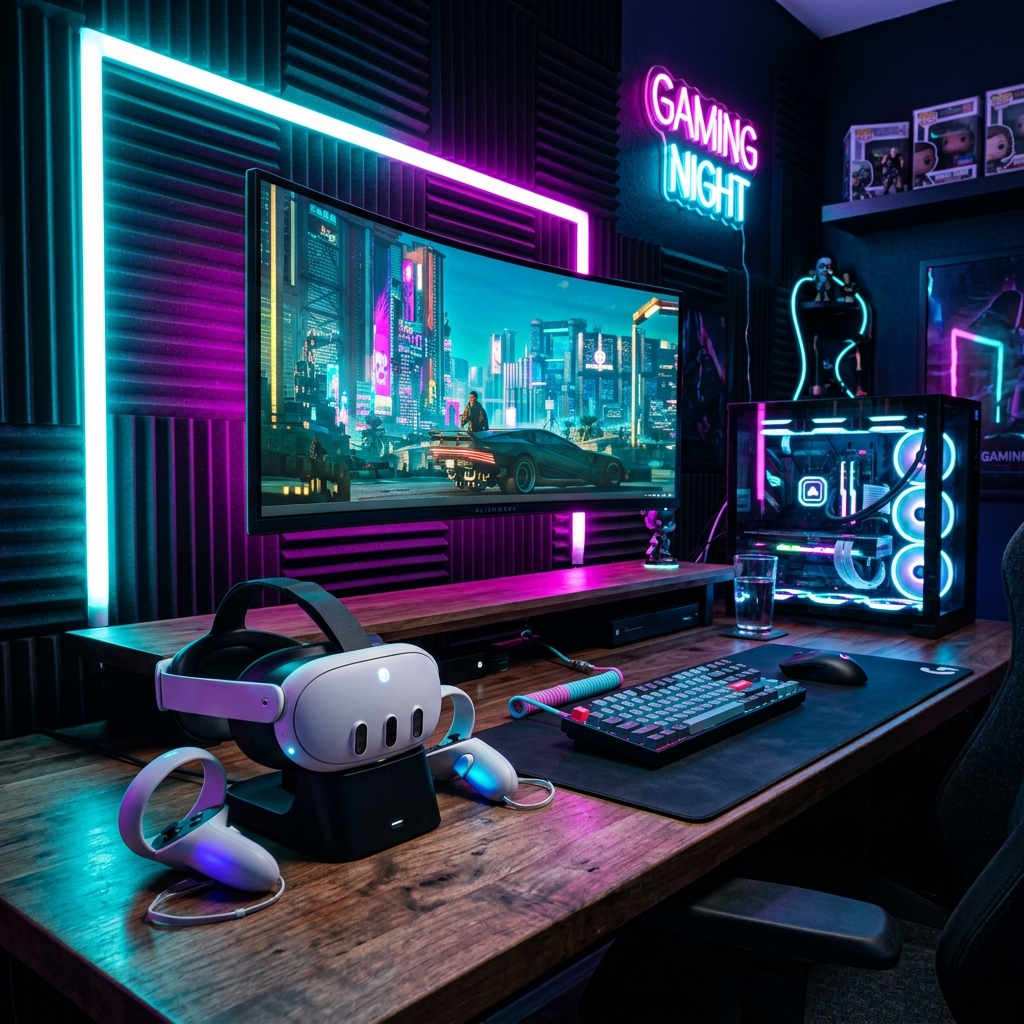
Enhancing Your VR Experience
Calibrating motion sensors is just one aspect of optimizing the VR experience. Regular updates to the headset software and controllers can also contribute to improved performance.
Common Issues and Troubleshooting
While calibration is typically straightforward, issues may occasionally arise. Some common problems include inaccurate tracking and persistent drift.
Checking for Interference
Ensure that there are no reflective surfaces or other electronic devices that could interfere with the sensors. This can significantly impact tracking accuracy.
Recalibrating After Updates
After any software updates, it is advisable to recalibrate the motion sensors. Updates may adjust how the sensors function, necessitating a fresh calibration.
FAQ
How often should motion sensors be calibrated?
It is recommended to calibrate motion sensors every few months or after significant software updates for optimal performance.
Can calibration be done wirelessly?
Yes, calibration can be performed wirelessly through the headset's settings menu. Ensure the headset and controllers are paired correctly.
What to do if calibration fails?
If calibration fails, check the environment for obstructions and ensure the controllers are charged. Repeat the calibration process if necessary.
Is it possible to reset the calibration settings?
Yes, the settings can be reset through the settings menu. Look for the reset option under the controller settings.
Do different games require separate calibrations?
Most games use the same calibration settings. However, some may require adjustments based on specific gameplay mechanics.
Understanding Motion Sensors in Meta Quest 3 Pro Lite
Motion sensors in the Meta Quest 3 Pro Lite controllers play a crucial role in delivering an immersive VR experience. They track hand movements and translate them into the virtual environment seamlessly.
Familiarizing yourself with how these sensors work can enhance gameplay and interaction. Proper calibration ensures accurate tracking, reducing latency and improving overall performance.
Initial Setup for Controller Calibration
Before calibrating motion sensors, ensure that the controllers are fully charged and connected to the headset. A stable connection is essential for accurate calibration results.
Position the VR headset in a well-lit area, as lighting can affect sensor performance. Clear the surrounding space of obstacles to facilitate a smooth calibration process.
Steps to Calibrate Motion Sensors
Access the settings menu within the Meta Quest 3 Pro Lite interface to begin the calibration process. Look for the option labeled "Controller Calibration" to initiate the setup.
Follow the on-screen prompts, which will guide through the calibration steps. This typically involves moving the controllers in specific patterns to allow the system to capture sensor data.
Common Calibration Issues and Solutions
Calibration issues may arise due to interference from other electronic devices or improper lighting conditions. If sensors do not respond accurately, check for these environmental factors.
Repositioning the headset and controllers, or resetting them, can often resolve calibration problems. Ensuring that all firmware is updated can also help maintain optimal sensor performance.
Testing the Calibration Effectiveness
After calibration, it is essential to test the controllers within a VR environment. Engage in a few activities that require precise movement to determine if the calibration was successful.
Maintaining Optimal Sensor Performance
Keeping the Meta Quest 3 Pro Lite controllers clean and free from obstructions is vital for maintaining sensor accuracy. Regularly check for dirt or wear that could affect performance.
Additionally, ensuring that the surrounding environment remains free from reflective surfaces can prevent tracking errors. A clutter-free space enhances sensor function significantly.
Advanced Calibration Techniques
For users seeking enhanced performance, advanced calibration techniques may be employed. Utilizing specialized calibration software can provide more precise adjustments.
Consulting online forums or user groups can offer insights into innovative calibration methods that others have successfully implemented. Experimenting with different techniques can yield better tracking results.
Resources for Further Learning
Numerous online resources and tutorials are available for those interested in mastering the calibration process. Official Meta support pages provide comprehensive guides and troubleshooting tips.
YouTube channels and VR communities offer video tutorials and user experiences that can enhance understanding. Utilizing these resources can lead to improved calibration skills and overall VR enjoyment.
How to Calibrate Motion Sensors on Meta Quest 3 Pro Lite VR Controllers
Calibrating motion sensors on the Meta Quest 3 Pro Lite VR controllers is essential for achieving optimal performance in virtual reality environments. Proper calibration ensures that movements are tracked accurately, enhancing the overall gaming and interactive experience.
Understanding Motion Sensors
Motion sensors in VR controllers utilize accelerometers and gyroscopes to detect orientation and movement. These sensors play a crucial role in translating physical movements into the virtual space.
Importance of Calibration
Calibration helps in correcting any discrepancies between the user's movements and the VR system's tracking. This process ensures that the virtual environment responds accurately to the user's actions.
Steps to Calibrate Motion Sensors
Follow these steps to calibrate the motion sensors in Meta Quest 3 Pro Lite VR controllers:
- Step 1: Ensure that the controllers are fully charged and paired with the headset.
- Step 2: Navigate to the settings menu on the Meta Quest 3 Pro headset.
- Step 3: Select the "Devices" option and then choose "Controllers."
- Step 4: Look for the "Calibrate" option and select it.
Preparing for Calibration
Before starting the calibration process, make sure to clear the surrounding area of any obstacles. This will help to ensure that the sensors can accurately detect movement without interference.
Executing the Calibration Process
Once the calibration option is selected, the user will be prompted to follow on-screen instructions. This usually involves moving the controllers in specific patterns to help the system understand their orientation.
- Move the controllers in a circular motion.
- Tilt the controllers up and down, as well as side to side.
Completing Calibration
After completing the movement patterns, the system will process the data and finalize the calibration. A confirmation message will appear to indicate that the calibration was successful.
Troubleshooting Calibration Issues
If calibration does not yield the desired results, consider the following troubleshooting tips:
- Ensure that the controllers are within range of the headset.
- Check for any firmware updates that may improve tracking performance.
- Reset the controllers by removing and reinserting the batteries.
Understanding Controller Tracking Modes
The Meta Quest 3 Pro Lite controllers offer different tracking modes, which can affect the calibration process. Familiarizing oneself with these modes can lead to a better calibration experience.
| Tracking Mode | Description |
|---|---|
| 6DoF (Six Degrees of Freedom) | Allows movement in all directions (up, down, left, right, forward, backward). |
| 3DoF (Three Degrees of Freedom) | Tracks rotation but not positional movement. |
Using the Calibration Tool
The calibration tool integrated into the Meta Quest 3 Pro system provides a guided experience for users. This tool is designed to facilitate a smooth calibration process by offering visual cues.
Best Practices for Motion Sensors
To maintain optimal performance of motion sensors, consider the following best practices:
- Regularly calibrate the controllers, especially after significant movement or environmental changes.
- Keep the controllers clean and free from obstructions.
- Use the controllers in a well-lit area to enhance tracking accuracy.
Environmental Considerations
The environment plays a significant role in the effectiveness of motion sensor tracking. Avoid reflective surfaces and bright lights that may interfere with sensor readings.
Software Updates
Regularly check for software updates on the Meta Quest 3 Pro headset. Updates often include enhancements to tracking algorithms and overall system performance.
Community and Support Resources
Engaging with the Meta Quest community can provide additional tips and support. Online forums and user groups often share valuable experiences and solutions.
When to Seek Professional Help
If persistent issues occur despite calibration efforts, seeking professional help may be necessary. Authorized service centers can provide in-depth diagnostics and repairs.
Conclusion
Calibrating motion sensors on the Meta Quest 3 Pro Lite VR controllers is a straightforward process that significantly enhances the VR experience. Following the outlined steps and tips will lead to improved tracking accuracy and user satisfaction.
Regular maintenance and calibration ensure that the controllers perform at their best, allowing users to fully immerse themselves in the virtual worlds available on the Meta Quest platform.
Understanding the Importance of Motion Sensor Calibration
Calibrating motion sensors on the Meta Quest 3 Pro Lite VR controllers is crucial for an immersive experience. Proper calibration enhances accuracy and responsiveness, allowing users to fully enjoy their virtual reality adventures.
Many users may not realize that even slight miscalculations in sensor calibration can lead to a diminished gaming experience. Ensuring that controllers are correctly calibrated can significantly improve gameplay, making every movement feel natural and fluid.
Investing time in calibration can also extend the lifespan of the controllers. By maintaining optimal performance, users can avoid issues that may arise from neglected sensor adjustments.
Common Calibration Issues and How to Fix Them
Many users encounter common issues during the calibration process, such as drift or delayed response times. Recognizing these problems early allows for timely adjustments and a smoother user experience.
Another frequent issue is the inconsistent tracking of movements, which can be particularly frustrating during fast-paced gaming sessions. Regular calibration checks can help mitigate these inconsistencies.
Lastly, environmental factors such as lighting and reflective surfaces can affect sensor performance. Taking the time to set up a proper gaming area can prevent these external factors from interfering with calibration efforts.
Tips for Maintaining Optimal Performance
To keep the Meta Quest 3 Pro Lite VR controllers functioning at their best, regular maintenance is essential. Simple tasks, such as cleaning the sensors and checking for updates, can make a significant difference.
Storing the controllers in a safe, dry place also helps to maintain their performance. Avoiding exposure to extreme temperatures or moisture ensures longevity and reliability.
Finally, engaging with the VR community online can provide valuable insights and tips. Learning from the experiences of others can lead to improved calibration techniques and overall better performance.