How to Calibrate Motion Sensors on Meta Quest 3 Pro Lite VR Controllers
How to Calibrate Motion Sensors on Meta Quest 3 Pro Lite VR Controllers
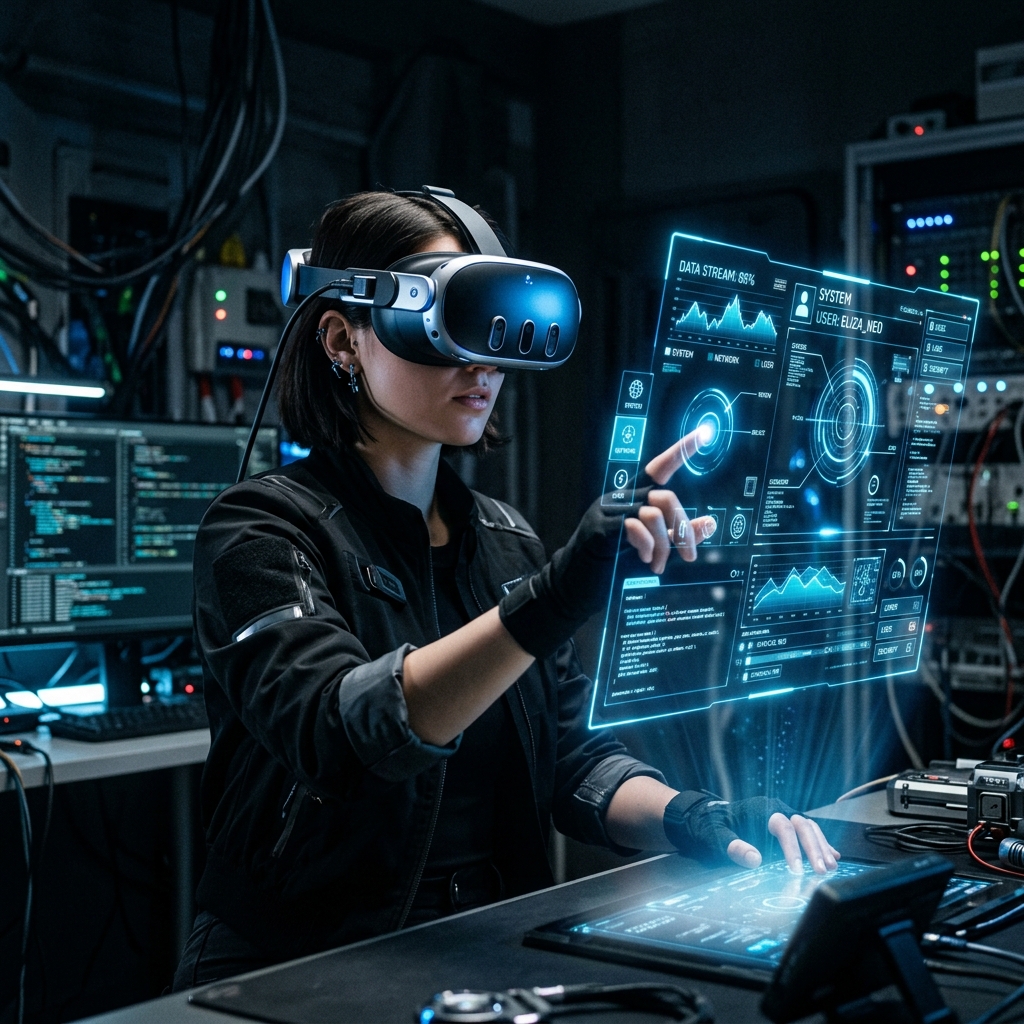
Calibration of motion sensors is a crucial step in ensuring an immersive experience in virtual reality. The Meta Quest 3 Pro Lite VR controllers are equipped with advanced technology, making proper calibration essential for optimal performance.
Understanding Motion Sensors
Motion sensors in VR controllers track the user's movements in real-time. This allows for a seamless interaction with the virtual environment.
Calibration ensures that the sensors accurately interpret movement, reducing lag and enhancing the overall experience.
Why Calibrate the Controllers?
Calibrating the motion sensors can improve precision and responsiveness. This is particularly important in fast-paced gaming scenarios, where every millisecond counts.
Moreover, proper calibration can alleviate issues such as drifting, where the virtual pointer moves without user input.
Preparing for Calibration
Before beginning the calibration process, ensure that the controllers are fully charged. A low battery can lead to inaccurate readings during calibration.
Additionally, clearing the play area of any obstacles can help in achieving the best results.
Calibration Steps
Follow these steps to calibrate the motion sensors on the Meta Quest 3 Pro Lite VR controllers:
- Open the Meta Quest app on the connected device.
- Navigate to the settings menu by selecting the gear icon.
- Choose the 'Devices' option, then select the controllers.
- Look for the 'Calibrate' option and select it.
- Follow the on-screen instructions, which may include moving the controllers in specific patterns.
- Once the calibration is complete, test the controllers in a VR environment to ensure accuracy.
Calibration Tips
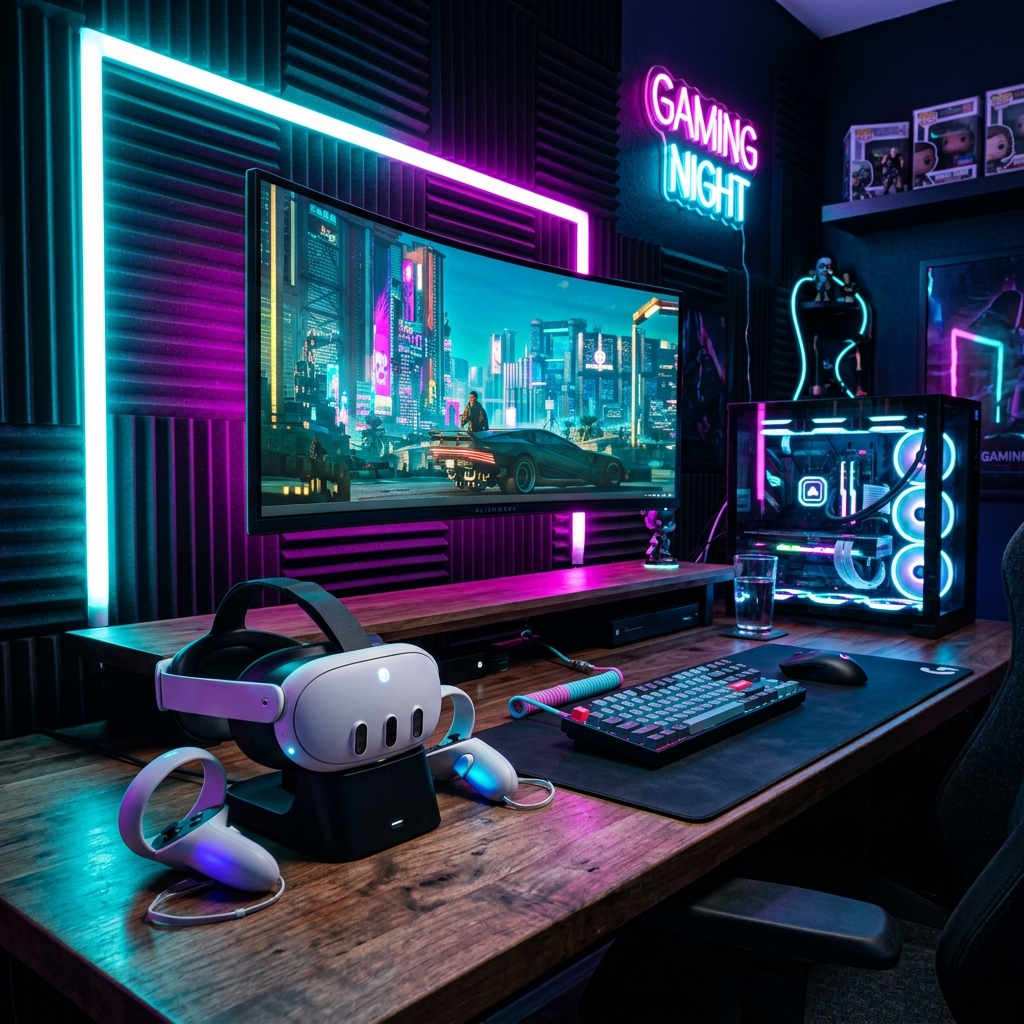
For the best results, calibration should be done in a well-lit environment. Good lighting helps the sensors function optimally.
It is also advisable to perform calibration regularly, especially after significant updates or changes in the play area.
Comparison of Popular VR Headsets
| VR Headset | Resolution | Refresh Rate | Field of View | Price |
|---|---|---|---|---|
| Meta Quest 3 | 2064 x 2208 per eye | 120 Hz | 90 degrees | Starting at $499 |
| Valve Index | 1440 x 1600 per eye | 120 Hz | 130 degrees | $999 |
| HTC Vive Pro 2 | 2448 x 2448 per eye | 120 Hz | 120 degrees | $799 |
| Oculus Rift S | 2560 x 1440 | 80 Hz | 110 degrees | $399 |
| Pimax 8K X | 3840 x 2160 per eye | 75 Hz | 200 degrees | $1,299 |
Post-Calibration Testing
After calibration, testing the controllers in various applications is beneficial. This helps ensure that movement is smooth and responsive.
If any discrepancies are noticed, it may be necessary to recalibrate the sensors.
Common Issues and Troubleshooting
Occasionally, users may encounter issues like persistent drifting or unresponsive controls. These can often be resolved by recalibrating the controllers.
In cases where problems persist, consulting the official support resources or forums may provide additional solutions.
Conclusion
Calibrating motion sensors on the Meta Quest 3 Pro Lite VR controllers is essential for an immersive experience. By following the outlined steps and tips, users can ensure that their VR interactions are as engaging and responsive as possible.
FAQ
How often should the controllers be calibrated?
It is advisable to recalibrate the controllers whenever significant updates occur or after a change in the play environment.
What should be done if calibration fails?
If calibration fails, ensure that the controllers are charged and that the play area is clear of obstructions before attempting again.
Can calibration affect gameplay experience?
Yes, proper calibration can significantly enhance the gameplay experience by reducing lag and improving accuracy.
Is it necessary to calibrate each controller separately?
Typically, calibration applies to both controllers simultaneously, but individual calibration can be performed if issues arise with one controller.
What are the signs that calibration is needed?
Common signs include drifting controls and unresponsive movements, indicating that recalibration is necessary.
Understanding Motion Sensors in Meta Quest 3 Pro Lite Controllers
Motion sensors are critical components in VR controllers, allowing for precise tracking of movements. The Meta Quest 3 Pro Lite utilizes advanced technology to enhance your virtual reality experience.
Proper calibration of these sensors ensures optimal performance during gameplay. This can lead to a more immersive and enjoyable VR experience.
Importance of Calibration for Accurate Tracking
Calibration is essential for achieving accurate motion tracking in VR. Without proper calibration, you may experience drift or lag during interactions in the virtual environment.
Ensuring that motion sensors are calibrated correctly can significantly improve the responsiveness of your controllers. This results in a smoother and more engaging experience in various VR applications.
Preparing Your Environment for Calibration
Before calibrating the motion sensors, it is important to choose an appropriate space. A well-lit area free from obstructions will provide the best conditions for accurate sensor performance.
Make sure to clear the surrounding space of obstacles and reflective surfaces that may interfere with tracking. This preparation sets the stage for successful calibration.
Steps to Calibrate Motion Sensors
To start the calibration process, access the settings menu on the Meta Quest 3 Pro Lite. Navigate to the controller settings where the calibration option is located.
Follow the on-screen instructions to complete the calibration, which often involves moving the controllers in specific patterns. This process helps the system understand the optimal range of motion for your devices.
Troubleshooting Calibration Issues
If calibration does not seem to work as expected, check for any obstructions or interference in the environment. Sometimes, simply repositioning the setup can resolve tracking issues.
Ensuring that the firmware of the Meta Quest 3 Pro Lite is up to date can also help eliminate bugs that may affect calibration. Regular updates can enhance overall controller performance.
Testing Your Controllers Post-Calibration
After calibration, it is crucial to test the controllers to ensure they are functioning correctly. Engage in a few VR activities to assess the responsiveness and accuracy of the motion sensors.
If any issues persist, revisit the calibration settings or consider performing the process again. Consistent testing can help maintain optimal performance in various VR scenarios.
Enhancing Your VR Experience with Proper Calibration
Properly calibrated motion sensors can significantly enhance the overall VR experience. This leads to more immersive gameplay and a greater sense of presence in virtual environments.
Investing time in calibration pays off by improving accuracy and reducing frustration during use. Enjoy a seamless experience with the Meta Quest 3 Pro Lite by ensuring your controllers are always calibrated.
Seeking Help from the Community
If calibration issues persist, consider reaching out to online communities or forums dedicated to VR enthusiasts. Many users share tips and tricks that can provide solutions to common problems.
Engaging with fellow Meta Quest 3 Pro Lite users can also offer insights into best practices for maintaining controller performance. Collaboration can lead to improved experiences for all users.
How to Calibrate Motion Sensors on Meta Quest 3 Pro Lite VR Controllers
Calibrating motion sensors on VR controllers is essential for an optimal gaming experience. The Meta Quest 3 Pro Lite offers advanced motion tracking capabilities, making calibration an important step for users.
Understanding Motion Sensors
Motion sensors in VR controllers detect movement and orientation. This data is crucial for translating physical actions into virtual interactions.
Meta Quest 3 Pro Lite controllers utilize a combination of accelerometers and gyroscopes. These sensors work together to provide precise tracking of hand movements and gestures.
Why Calibration is Important
Calibration ensures that the motion sensors are accurately aligned with the user’s movements. This alignment minimizes discrepancies between what the user does and what happens in the virtual environment.
Improperly calibrated sensors can lead to lag, drift, or incorrect tracking, which can disrupt the immersive experience. Regular calibration helps maintain accuracy and responsiveness.
Steps to Calibrate Motion Sensors
Follow these steps to calibrate the motion sensors on Meta Quest 3 Pro Lite controllers:
- Ensure that the VR headset is fully charged and turned on.
- Put on the headset and navigate to the main menu.
- Select the 'Settings' option from the menu.
- Scroll to the 'Devices' section and select 'Controllers.'
- Choose the option for 'Calibrate Motion Sensors.'
- Follow the on-screen instructions to complete the calibration process.
Pre-Calibration Checklist
Before initiating the calibration process, it is advisable to perform a few checks. These checks can help ensure a smooth calibration experience.
- Make sure the play area is clear of obstructions.
- Check that the controllers are free from dirt and debris.
- Ensure the headset cameras are clean and unobstructed.
Calibration Process Explained
During the calibration process, the software will guide users through specific movements. These movements help the system analyze the range of motion and orientation of the controllers.
The user may be prompted to rotate, tilt, or move the controllers in various directions. This allows the software to gather data on how the controllers respond to physical inputs.
Post-Calibration Tips
After calibration, it is beneficial to test the controllers in a game or application. This helps ensure that the calibration was successful and that the motion tracking is accurate.
If issues are still present, users may need to recalibrate or check for firmware updates. Keeping the device software up to date can enhance performance and resolve bugs.
Common Issues and Troubleshooting
Even after calibration, users may encounter some common issues with motion sensors. Understanding these issues can help in troubleshooting effectively.
- Drifting: If the controllers appear to drift, recalibrating may help. Ensure the play area is well-lit and clear of obstacles.
- Lag: Delays in motion tracking can be caused by low battery levels or interference. Check battery status and proximity to other devices.
- Inaccurate tracking: If movements do not translate correctly in the VR environment, try recalibrating or restarting the headset.
Importance of a Clear Play Area
A clear play area is crucial for effective motion tracking. Obstructions can interfere with the sensors' ability to detect movements accurately.
Ensure that there are no objects within the designated play space that could obstruct the line of sight between the controllers and the headset's sensors. This will greatly enhance the calibration process.
Additional Calibration Techniques
In addition to the standard calibration process, there are advanced techniques that can be utilized. These techniques can help in fine-tuning the performance of the motion sensors.
- Conduct a manual calibration by moving the controllers in a systematic manner. This may involve specific patterns or movements as directed by the calibration tool.
- Experiment with different lighting conditions in the play area. Sometimes, changing the lighting can improve sensor accuracy.
- Use calibration software or third-party applications designed to enhance motion sensor performance.
Keeping Controllers Updated
Regularly updating the firmware of the Meta Quest 3 Pro Lite controllers can improve performance. Firmware updates often include bug fixes and enhancements related to motion tracking.
To check for updates, navigate to the settings menu in the headset and select the 'Software Update' option. Follow the prompts to install any available updates.
When to Recalibrate
Recalibration should be performed periodically or when significant changes occur. Changes such as moving to a different location or after extended periods of non-use can affect sensor accuracy.
Additionally, users might want to recalibrate if they notice any degradation in motion tracking performance. This proactive approach can help maintain an optimal VR experience.
Conclusion
Calibrating the motion sensors on Meta Quest 3 Pro Lite controllers is a vital part of ensuring an immersive VR experience. Following the outlined steps and tips can help users achieve accurate and responsive tracking.
Regular maintenance and calibration will enhance the overall performance of the controllers. By taking these steps, users can fully enjoy the capabilities of their Meta Quest 3 Pro Lite VR system.
| Device | Calibration Frequency | Issues to Consider |
|---|---|---|
| Meta Quest 3 Pro Lite | Every few weeks or after major moves | Drifting, lag, inaccurate tracking |
| Oculus Rift S | As needed based on performance | Calibration issues, sensor alignment |
| Valve Index | Regularly during extensive use | Motion tracking inaccuracies |