How to Calibrate Motion Sensors on Meta Quest 3 Pro Controllers
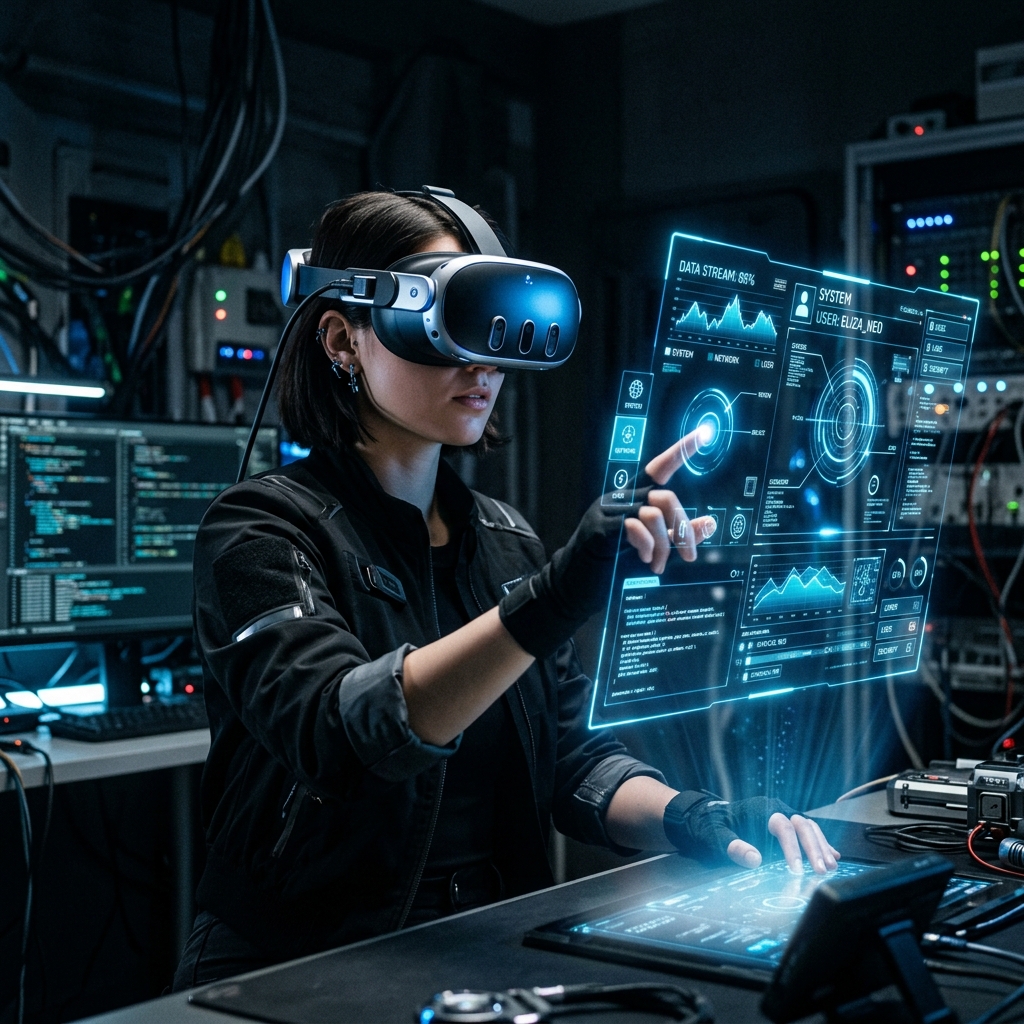
How to Calibrate Motion Sensors on Meta Quest 3 Pro Controllers
Calibrating motion sensors on Meta Quest 3 Pro Controllers is essential for an immersive and accurate virtual reality experience. Proper calibration enhances tracking precision, ensuring that movements are reflected accurately in the virtual environment.
Understanding Motion Sensors
Motion sensors in VR controllers are responsible for detecting orientation and movement. These sensors utilize accelerometers and gyroscopes to track motion in three-dimensional space.
When these sensors are not calibrated correctly, discrepancies between physical movements and virtual representations can occur. This guide provides a step-by-step process for calibration.
Prerequisites for Calibration
Before proceeding with calibration, ensure that the following conditions are met:
- Meta Quest 3 headset is fully charged.
- Controllers are paired and functioning correctly.
- A clear and open space for movement is available.
Calibration Process
The calibration process typically involves the following steps:
1. Accessing the Settings
Begin by navigating to the settings menu within the Meta Quest 3 interface. This can be achieved by selecting the gear icon within the home environment.
2. Selecting Controller Settings
Within the settings menu, find and select the 'Controllers' option. This section includes various options for managing controller settings.
3. Initiate Calibration
Locate the calibration option available in the controller settings. Select this option to begin the calibration process.
4. Follow On-Screen Instructions
Carefully follow the on-screen instructions provided during the calibration process. It is crucial to perform the required movements as directed.
5. Testing Calibration
Once calibration is completed, conduct a test to ensure that the motion sensors are accurately tracking movements. This can be done by moving the controllers in various directions and observing the virtual response.
Maintaining Calibration
Regular calibration is recommended to maintain optimal performance, especially after updates or changes in the play environment. Setting a reminder to calibrate before extensive use can enhance the overall experience.
Comparison of VR Headsets
| VR Headset | Resolution | Refresh Rate | Field of View | Tracking Type |
|---|---|---|---|---|
| Meta Quest 3 | 2064 x 2208 per eye | 120 Hz | 110 degrees | Inside-Out |
| Valve Index | 1440 x 1600 per eye | 144 Hz | 130 degrees | External |
| HTC Vive Pro 2 | 2448 x 2448 per eye | 120 Hz | 120 degrees | External |
| Pico 4 | 2160 x 2160 per eye | 90 Hz | 105 degrees | Inside-Out |
| PlayStation VR 2 | 2000 x 2040 per eye | 120 Hz | 110 degrees | External |
Frequently Asked Questions
What is the importance of calibrating motion sensors on VR controllers?
Calibration enhances accuracy, ensuring that physical movements are accurately represented in the virtual space.
How often should motion sensors be calibrated?
It is advisable to calibrate before each extensive usage session or after any significant changes in the play environment.
Can calibration be done without the headset on?
Calibration typically requires the headset to be on to provide real-time feedback during the process.
What should be done if the calibration does not seem effective?
If calibration is ineffective, a factory reset of the controllers may be necessary, followed by a fresh calibration.
Where can Meta Quest 3 be purchased?
For those interested, buying the Meta Quest 3 can be done through various online retailers.
Understanding Motion Sensors
Motion sensors in VR controllers are crucial for an immersive experience, tracking every movement accurately. These sensors detect orientation and position, allowing for fluid interactions within virtual environments.
Knowing how these sensors work can enhance gameplay and reduce motion sickness. Proper calibration ensures responsiveness, making every action feel natural and engaging.
Pre-Calibrating Your Environment
Before calibrating motion sensors, ensure the play area is clear of obstacles and well-lit. A clutter-free space allows for better tracking and minimizes interference during the calibration process.
Checking the surface you are standing on is also important, as uneven surfaces can affect sensor performance. A stable, flat area provides the best conditions for accurate calibration.
Steps to Calibrate Motion Sensors
To begin calibration, access the settings menu on the Meta Quest 3 Pro interface. From there, navigate to the controller settings and select the calibration option.
Follow the on-screen instructions carefully, moving the controllers as directed. This process typically involves rotating and tilting the controllers to establish a baseline for motion tracking.
Testing Calibration Accuracy
After calibration, it is essential to test the accuracy of the motion sensors. Engage in a few activities that require precise movements, such as aiming or manipulating objects.
If the movements feel off, it may indicate the need for recalibration. Repeating the calibration process can help fine-tune the sensor accuracy for optimal performance.
Common Calibration Issues
Several issues can arise during the calibration of motion sensors, such as drift or lag in response times. These problems can often be attributed to environmental factors or incorrect initial setups.
Identifying and resolving these issues involves checking for obstructions and ensuring that the sensors are clean. Regular maintenance can keep the calibration process smooth and effective.
Using Software Updates for Calibration
Software updates for the Meta Quest 3 Pro may include improvements to motion sensor calibration. Regularly checking for updates ensures that controllers operate with the latest enhancements and bug fixes.
Advanced Calibration Techniques
For those seeking enhanced performance, advanced calibration techniques may be explored. These can include manual adjustments to sensitivity settings, allowing for a more tailored experience.
Utilizing third-party tools or software may also assist in achieving a more precise calibration. However, caution is advised to avoid compromising the system's integrity.
When to Seek Professional Help
If persistent issues occur despite following calibration procedures, consider seeking professional assistance. Expert technicians can diagnose underlying problems that may not be apparent during standard calibration.
How to Calibrate Motion Sensors on Meta Quest 3 Pro Controllers
The Meta Quest 3 Pro controllers are designed to deliver a seamless virtual reality experience. Proper calibration of motion sensors is essential to ensure accurate tracking and responsiveness during gameplay.
Understanding Motion Sensors
Motion sensors in VR controllers detect orientation and movement, translating physical actions into the virtual environment. Calibration ensures that these sensors align correctly with the user's movements.
Why Calibration is Important
Calibration is crucial for various reasons. It enhances tracking accuracy, reduces latency, and provides a more immersive experience.
Pre-Calibration Steps
Before starting the calibration process, ensure the following:
- Controllers are fully charged.
- Ensure the Meta Quest 3 headset is updated to the latest software version.
- Clear the play area of any obstructions.
Accessing Calibration Settings
To calibrate the motion sensors, follow these steps:
- Put on the Meta Quest 3 headset.
- Navigate to the main menu using the right controller.
- Select the 'Settings' option.
- Scroll down to 'Device' settings.
- Choose 'Controller Calibration'.
Performing Calibration
Once in the Controller Calibration menu, follow these instructions:
- Press the designated button on the controller to initiate calibration.
- Hold the controller steady and ensure it is facing forward.
The system will prompt you to perform specific movements to calibrate the sensors. These may include:
- Rotate the controller clockwise and counterclockwise.
- Tilt the controller up and down.
- Move the controller in a circular motion.
Completing Calibration
After performing the required movements, the system will process the calibration data. A confirmation message will appear once the calibration is complete.
Troubleshooting Calibration Issues
If calibration does not succeed, consider the following troubleshooting steps:
- Check for obstructions in the play area.
- Ensure there is adequate lighting.
- Reset the controllers by turning them off and on again.
Common Calibration Problems
Some common issues users may encounter include:
| Issue | Description | Solution |
|---|---|---|
| Inaccurate tracking | Controller does not respond accurately to movements. | Recalibrate the controller and ensure proper alignment. |
| Delayed response | There is a noticeable lag between movement and response. | Check for battery levels and update firmware. |
| Controller drift | Controller moves without any input. | Perform a recalibration and check for environmental interference. |
Best Practices for Maintaining Controllers
Regular maintenance can prolong the life of Meta Quest 3 Pro controllers. Here are some best practices:
- Keep the controllers clean and free from dust and debris.
- Avoid exposing controllers to extreme temperatures.
- Store them in a safe place when not in use.
Advanced Calibration Techniques
For users seeking optimized performance, advanced calibration techniques can be applied. These include:
- Using external tracking systems for enhanced accuracy.
- Adjusting sensitivity settings through the VR software.
Utilizing Calibration Tools
Some third-party tools can assist with calibration. Tools such as:
- VR calibration software
- External motion tracking devices
These tools can provide more in-depth analysis and adjustment capabilities.
Conclusion
Calibrating the motion sensors on Meta Quest 3 Pro controllers is a straightforward process that significantly enhances the VR experience. By following the outlined steps and maintaining the controllers, users can enjoy seamless and immersive gameplay.
Additional Resources
For further assistance, consider the following resources:
- Meta Quest 3 user manual
- Online support forums
- Official Meta support website
These resources provide additional guidance and troubleshooting tips for any issues encountered.
Understanding the Importance of Calibration
Calibration is essential for optimizing motion sensor performance in VR controllers. Properly calibrated controllers enhance user experience by ensuring accurate tracking and responsiveness.
For models like the Meta Quest 2 and Valve Index, calibration can significantly reduce motion sickness and improve gameplay precision. This is particularly beneficial in fast-paced games or immersive simulations.
Neglecting calibration may lead to frustrating gameplay experiences. Ensuring controllers are calibrated can make the difference between a good session and a great one.
Common Issues with Motion Sensors
Motion sensors can experience drift, which affects the accuracy of tracking. This drift can make it challenging to interact with the virtual environment effectively.
Another common issue is latency, where there is a noticeable delay between movement and response in the VR environment. This can be particularly problematic for competitive gaming or dynamic experiences.
Tips for Maintaining Your VR Equipment
Regular maintenance of VR equipment can ensure longevity and performance. Keeping lenses clean and controllers charged is essential for a seamless experience.
Storing controllers in a dedicated, dust-free space can prevent wear and tear. Avoiding extreme temperatures and direct sunlight can also help maintain the integrity of the sensors.
Additionally, periodic recalibration after significant use can keep the sensors functioning optimally. This simple practice goes a long way in enhancing overall VR enjoyment.
Understanding Motion Sensor Technology
Motion sensors play a crucial role in virtual reality, enabling users to interact naturally with their environment. By tracking movements with precision, devices like the Meta Quest 3 Pro ensure a seamless experience that enhances immersion.
Different VR models, including the HTC Vive and Valve Index, utilize advanced motion sensor technology to achieve real-time tracking. This technology allows for a more engaging and responsive gameplay experience.
As gaming continues to evolve, understanding the underlying technology of motion sensors can help users appreciate the advancements that enhance their virtual reality experiences. Knowledge of these systems can also aid in troubleshooting and calibration.
Common Issues with Motion Sensors
Despite their sophisticated design, motion sensors can sometimes face calibration issues that affect performance. Users may notice lag, drift, or unresponsiveness in their controllers, which can detract from the overall experience.
These issues may arise due to environmental factors, such as lighting conditions or reflective surfaces that confuse the sensors. Identifying and addressing these common problems can lead to a smoother and more enjoyable VR experience.
Tips for Optimal Sensor Performance
To ensure the best performance from motion sensors, users should maintain a clutter-free play area. This reduces the likelihood of interference that can disrupt the sensors' ability to track movements accurately.
Additionally, regular updates of the VR system software can improve sensor performance and introduce new calibration features. Staying informed about updates can unlock better functionality and enhance user experience.
Using a designated play space with proper lighting can significantly boost the effectiveness of motion sensors. Consistency in the play environment helps create a reliable tracking experience across various VR models.