How to Calibrate Motion Sensors on Meta Quest 3 Lite Controllers
How to Calibrate Motion Sensors on Meta Quest 3 Lite Controllers
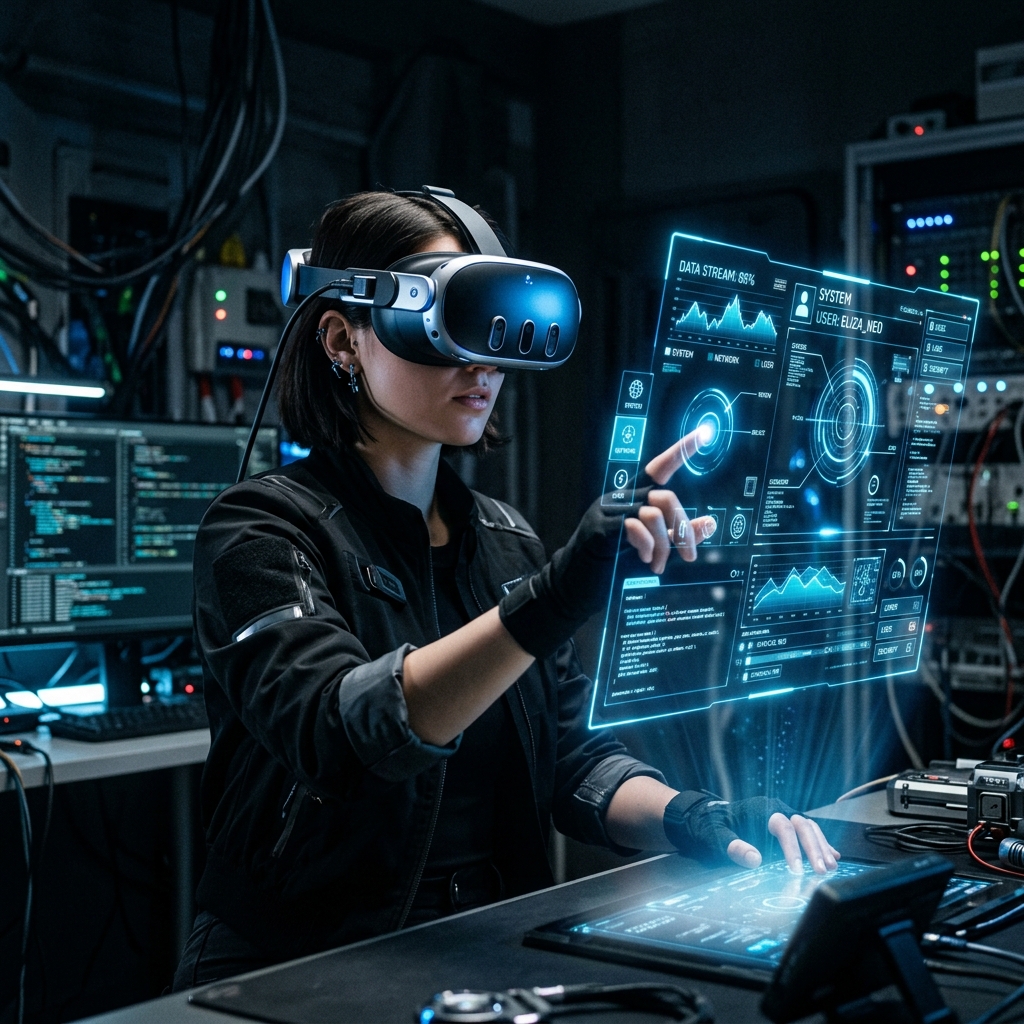
The Meta Quest 3 Lite controllers are designed to enhance the virtual reality experience. Proper calibration of motion sensors is essential for achieving optimal performance.
Understanding Motion Sensors
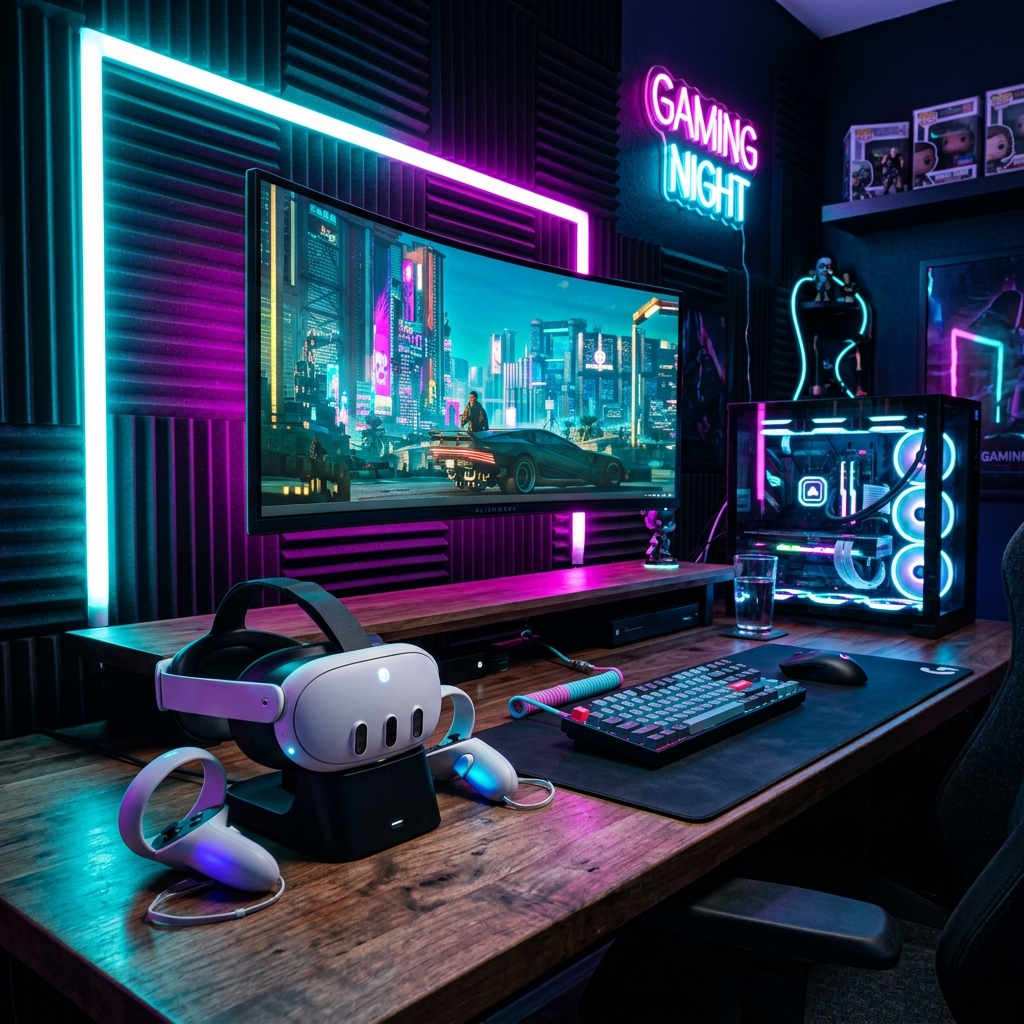
Motion sensors in VR controllers track the user's movements, translating them into the virtual environment. Accurate calibration ensures that these movements are reflected correctly in the game.
Inaccurate calibration can lead to a disjointed experience, causing frustration during gameplay.
Importance of Calibration
Calibration improves the responsiveness and accuracy of movements in VR. It allows for a more immersive experience, reducing latency and drift that may occur over time.
Regular calibration is recommended to maintain the best possible performance of the controllers.
Steps for Calibration
Calibrating the motion sensors on Meta Quest 3 Lite controllers can be performed easily through the device settings. Follow these steps for effective calibration:
- Power on the Meta Quest 3 Lite headset.
- Navigate to the settings menu using the main interface.
- Select the 'Devices' option, then find 'Controllers.'
- Choose 'Calibrate' to begin the calibration process.
- Follow on-screen instructions that guide through the calibration steps.
- After calibration is complete, test the controllers in a VR environment.
Common Calibration Issues
Even with proper calibration, issues may arise. Drift, where the controllers appear to move without user input, can occur.
In such cases, recalibrating the controllers or resetting them to factory settings may help resolve the issue.
Comparison of VR Headsets
| VR Headset | Resolution | Refresh Rate | Field of View | Price |
|---|---|---|---|---|
| Meta Quest 3 | 2064 x 2208 | 120 Hz | 110 degrees | $499 |
| Valve Index | 1440 x 1600 | 144 Hz | 130 degrees | $999 |
| HTC Vive Pro 2 | 2448 x 2448 | 120 Hz | 120 degrees | $799 |
| Pico 4 | 2160 x 2160 | 90 Hz | 105 degrees | $429 |
Enhancing the VR Experience
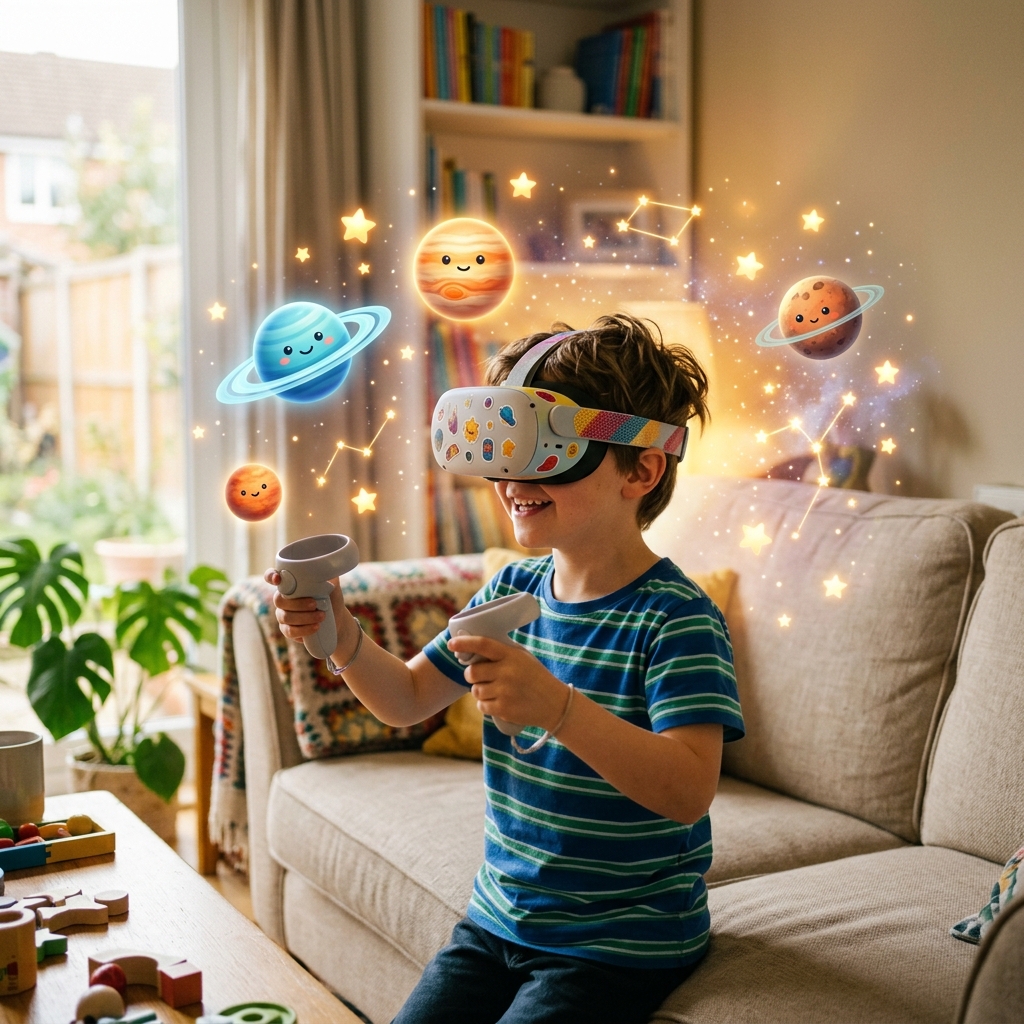
Calibration is just one part of optimizing the VR experience. Regular software updates and maintenance of the headset and controllers ensure peak performance.
Utilizing accessories and a dedicated play area can further enhance immersion and enjoyment.
Additional Tips
Keep the area clear of obstacles to prevent interruptions during gameplay. Using a play area that is well-lit can also aid the sensors in tracking movements more effectively.
Consider checking for firmware updates regularly as they may include improvements to sensor accuracy and performance.
Conclusion
Calibrating motion sensors on Meta Quest 3 Lite controllers is essential for an immersive VR experience. Following the outlined steps ensures that users can enjoy smooth and accurate movements in their virtual environments.
For those looking for the best deals, buying Meta Quest 3 is a wise choice.
FAQ
What is the purpose of calibrating motion sensors?
Calibration ensures that the controller accurately reflects user movements, enhancing the VR experience.
How often should calibration be performed?
Calibration should be performed regularly, especially if issues like drift are experienced.
Can calibration fix all motion sensor issues?
While calibration can resolve many issues, persistent problems may require further troubleshooting or resetting the device.
What should be done if calibration fails?
If calibration fails, recheck the steps and ensure the play area is clear of obstacles. Restarting the headset may also help.
Are there any accessories that help improve calibration?
Using a dedicated play area and ensuring good lighting can significantly improve sensor tracking and calibration accuracy.
Understanding Motion Sensors in Meta Quest 3 Lite Controllers
Motion sensors in Meta Quest 3 Lite controllers play a crucial role in delivering an immersive virtual reality experience. These sensors detect orientation and movement, allowing for precise tracking of hand gestures and actions.
Calibration ensures that these sensors function optimally, minimizing latency and improving overall responsiveness. Proper calibration can significantly enhance the accuracy of user interactions within VR environments.
Preparing for Calibration
Before beginning the calibration process, ensure that the controllers are fully charged. Low battery levels can affect sensor performance and lead to inaccurate calibration results.
Clear the area of any obstructions that may interfere with the tracking capabilities of the sensors. A well-lit, unobstructed environment is ideal for achieving the best calibration outcomes.
Step-by-Step Calibration Process
To calibrate the motion sensors, access the settings menu on the Meta Quest 3 Lite. Look for the controller settings and select the calibration option to initiate the process.
Follow the on-screen instructions carefully, which typically involve moving the controllers in specific patterns. This movement helps the sensors learn and adapt to your unique usage style.
Troubleshooting Common Calibration Issues
If calibration fails, check for any physical obstructions in the play area that may hinder sensor performance. Additionally, ensure that the controller firmware is up to date to mitigate any software-related issues.
Repeated calibration attempts may be necessary if the sensors do not respond as expected. In such cases, consider restarting the headset and trying the calibration process again.
Maintaining Optimal Sensor Performance
Regular calibration of motion sensors is recommended to maintain optimal performance. Frequent use and environmental changes can affect the accuracy of the sensors over time.
Exploring Advanced Calibration Options
Some users may benefit from exploring advanced calibration settings available within the Meta Quest 3 Lite interface. These settings can fine-tune sensor responsiveness based on individual preferences.
Understanding the Impact of Calibration on Gameplay
Properly calibrated motion sensors can dramatically improve gameplay by providing more accurate tracking and responsiveness. This accuracy is particularly important in fast-paced games where precision is key.
Resources for Further Assistance
How to Calibrate Motion Sensors on Meta Quest 3 Lite Controllers
Calibrating motion sensors on Meta Quest 3 Lite controllers is essential for an optimal virtual reality experience. Proper calibration enhances accuracy and responsiveness during gameplay and interactions.
Understanding Motion Sensor Calibration
Motion sensor calibration ensures that the controllers accurately track movement and orientation. This process compensates for any discrepancies that may arise from user movement or external factors.
Why Calibration is Important
- Improves tracking accuracy during gameplay.
- Reduces latency and enhances responsiveness.
- Increases overall user comfort and experience.
Pre-Calibration Steps
Before starting the calibration process, ensure your Meta Quest 3 Lite controllers are charged and connected to the headset. Additionally, make sure the play area is clear of obstructions.
Calibration Process
Follow these steps to calibrate the motion sensors on your Meta Quest 3 Lite controllers:
- Open the Meta Quest 3 menu by pressing the Oculus button on your right controller.
- Navigate to the “Settings” option using the thumbstick.
- Select “Device” from the settings menu.
- Choose “Controllers” to access controller settings.
- Locate the “Calibrate Motion Sensors” option and select it.
Performing the Calibration
Once you initiate the calibration, follow the on-screen instructions. Typically, this involves moving the controllers in specific patterns to allow the system to gather necessary data.
Calibration Patterns
The calibration may require users to perform several movement patterns. Common patterns include:
- Rotating the controller in a circle.
- Waving the controller up and down.
- Moving the controller side to side.
Post-Calibration Steps
After completing the calibration patterns, the system will process the data. A confirmation message will indicate whether the calibration was successful.
Troubleshooting Calibration Issues
If calibration fails or the motion sensors seem unresponsive, several troubleshooting steps may help. Check the following:
- Ensure the controllers are fully charged.
- Verify that the headset and controllers are updated to the latest firmware.
- Reboot the headset and try the calibration process again.
Maintaining Controller Calibration
Regular calibration may be necessary, especially if the controllers are frequently used in different environments. Consider recalibrating after significant changes in play area or controller usage.
Using Calibration Data Effectively
Understanding the calibration data can help in fine-tuning the VR experience. Adjusting settings based on this data can lead to improved gameplay performance.
Additional Tips for Optimal Calibration
- Calibrate in a well-lit area to enhance sensor accuracy.
- Avoid reflective surfaces that may confuse sensors.
- Keep the controllers away from any electronic devices that may emit interference.
Calibrating for Different VR Experiences
Different VR games and applications may have unique requirements for motion tracking. Calibration may need to be adjusted based on specific game mechanics.
Benefits of Proper Calibration
Proper calibration enhances the immersive experience of virtual reality. Users can expect smoother interactions and more precise control when motion sensors are accurately calibrated.
Conclusion
Calibrating motion sensors on Meta Quest 3 Lite controllers is a straightforward process that can significantly enhance the VR experience. Following the outlined steps ensures optimal performance, allowing users to fully enjoy their virtual adventures.
Understanding the Role of Motion Sensors
Motion sensors are essential for an immersive VR experience, especially in devices like the Meta Quest 2 and Meta Quest Pro. They track the player's movements and translate them into the virtual environment, enhancing realism.
These sensors utilize accelerometers and gyroscopes to detect orientation and motion. When calibrated correctly, they provide smooth, responsive gameplay, reducing the chances of motion sickness and improving overall enjoyment.
In devices such as the Valve Index and HTC Vive, similar technology ensures that movements are captured accurately. This attention to detail allows players to engage fully with their virtual surroundings.
Common Calibration Issues and Solutions
Calibration issues can arise from various factors, including improper setup or environmental interference. Players may experience lag or unresponsive controls, which can detract from the gaming experience.
To resolve these issues, it is crucial to ensure that the play area is clear of obstructions. Additionally, resetting the sensors can often restore functionality and improve performance.
For example, the Oculus Rift S users may encounter similar challenges. By familiarizing oneself with troubleshooting steps, players can maintain optimal sensor performance.
Best Practices for Motion Sensor Maintenance
Regular maintenance of motion sensors can prolong their lifespan and ensure consistent performance. Keeping the sensors clean and free from dust is vital for accurate tracking.
It's also beneficial to recalibrate the sensors periodically, especially after significant movement or changes in the play area. This helps to maintain precision and enhances the overall gaming experience.
For users of devices like the PlayStation VR and Samsung Odyssey, following these maintenance practices can lead to smoother gameplay. Taking the time for upkeep will pay off in more enjoyable and immersive sessions.
Understanding Motion Sensor Technology
Motion sensors are crucial for creating immersive virtual reality experiences. They detect and interpret movements, allowing users to interact effortlessly with digital environments.
In devices like the Meta Quest 3 and Oculus Rift S, advanced motion sensors provide precision tracking. This technology enhances gameplay, making each movement feel fluid and natural.
By understanding how these sensors work, users can better appreciate the importance of proper calibration. A well-calibrated system ensures that every gesture translates accurately into the virtual world.
Common Issues with Motion Sensor Calibration
Even the best VR systems can encounter calibration issues. Common problems include lag, drift, and unresponsive controls, which can hinder the overall experience.
These issues often stem from environmental factors, such as lighting and reflective surfaces. Identifying these factors is key to ensuring smooth operation of motion sensors.
Addressing calibration problems promptly can save users from frustration. Proper maintenance and periodic recalibration can eliminate many of these common challenges.
Tips for Optimal Calibration Conditions
Creating the right environment for calibration can significantly improve sensor performance. A well-lit room, free from reflective surfaces, is ideal for accurate tracking.
Users should also ensure that the play area is spacious and free of obstacles. This not only aids in calibration but also enhances overall safety during gameplay.
Regularly checking the setup and adjusting as necessary can maintain optimal conditions. Consistency in the calibration environment leads to a more enjoyable VR experience.