How to Calibrate Motion Sensors on Meta Quest 3 Controllers
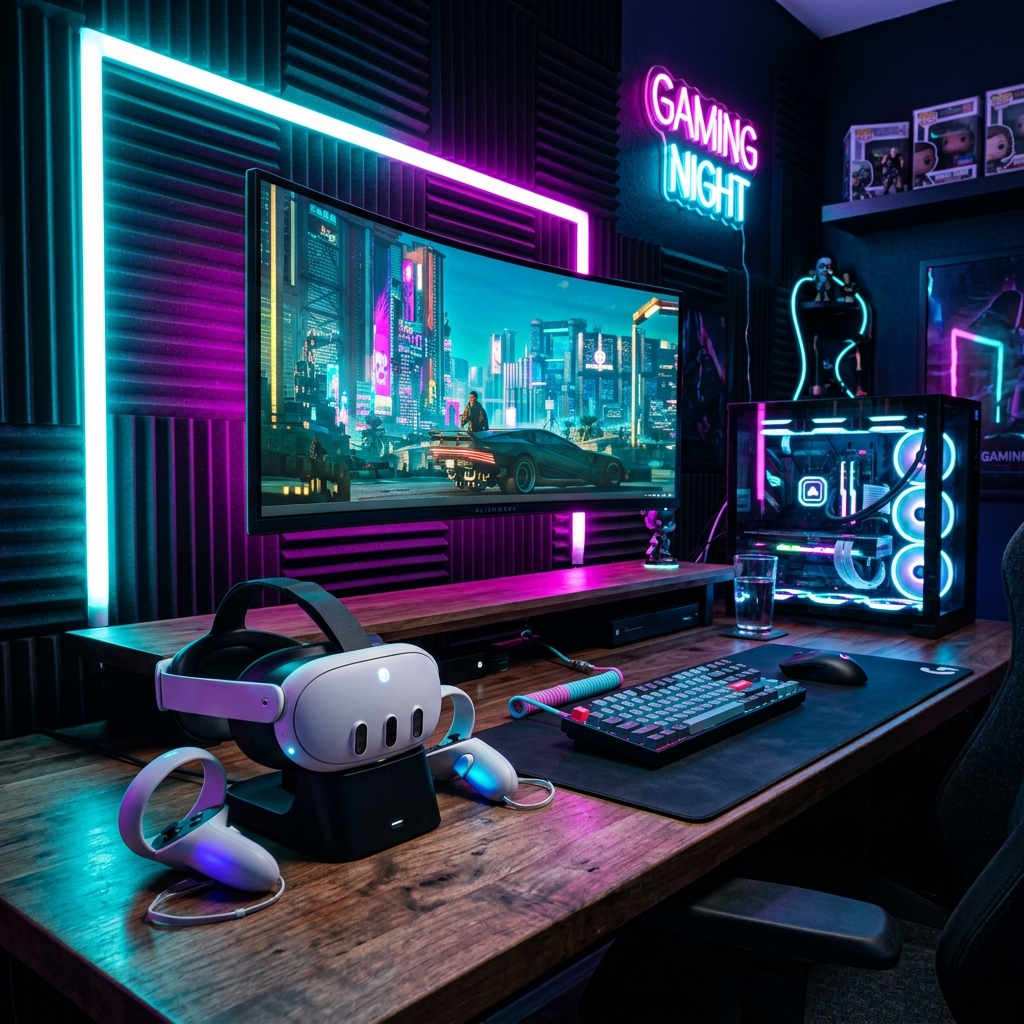
How to Calibrate Motion Sensors on Meta Quest 3 Controllers
Calibrating motion sensors on Meta Quest 3 controllers is crucial for optimal performance in virtual reality experiences. Proper calibration ensures accurate tracking, enhances immersion, and minimizes motion sickness.
Why Calibration Matters
Calibration of motion sensors in VR controllers not only improves tracking precision but also contributes to a more seamless gaming experience. Users can encounter issues such as drift or lag without proper calibration, leading to frustration during gameplay.
How to Calibrate Motion Sensors on Meta Quest 3 Controllers
Follow these steps to ensure motion sensors on Meta Quest 3 controllers are calibrated correctly:
- Power on the Meta Quest 3 headset and put it on.
- Navigate to the Settings menu using the right controller.
- Select “Device” from the settings options.
- Choose “Controllers” to access controller settings.
- Click on “Calibrate” under the motion sensor section.
- Follow the on-screen instructions to complete the calibration process.
- Test the controllers by performing basic movements and ensuring accurate tracking.
Technical Specifications Comparison
Understanding the specifications of various VR headsets can aid in recognizing the unique features of the Meta Quest 3. Below is a comparison table of popular VR headsets:
| Model | Resolution | Refresh Rate | Field of View | Tracking Technology | Price Range |
|---|---|---|---|---|---|
| Meta Quest 3 | 2064 x 2208 per eye | 120 Hz | 110 degrees | Inside-Out Tracking | $499 |
| Meta Quest 2 | 1832 x 1920 per eye | 90 Hz | 90 degrees | Inside-Out Tracking | $299 |
| HTC Vive Focus 3 | 2448 x 2448 per eye | 90 Hz | 110 degrees | Inside-Out Tracking | $999 |
| Valve Index | 1440 x 1600 per eye | 120 Hz | 130 degrees | External Tracking | $999 |
| PlayStation VR2 | 2000 x 2040 per eye | 120 Hz | 110 degrees | Inside-Out Tracking | $549 |
| Apple Vision Pro | 4000 x 3000 per eye | 120 Hz | 120 degrees | Inside-Out Tracking | $3499 |
Common Issues and Troubleshooting
Occasionally, users may encounter issues even after calibration. Here are some common problems and troubleshooting tips:
- Drifting motion: Ensure the play area is well-lit and free from obstructions.
- Unresponsive controllers: Restart the headset and check battery levels.
- Inaccurate tracking: Re-calibrate the controllers following the steps above.
- Lagging movements: Check for interference from other electronic devices.
- Controller not pairing: Ensure Bluetooth is enabled on the headset and perform a factory reset if necessary.
DomineTec Tip: For the best experience, consider buying Meta Quest 3 during promotional periods for additional savings.
Enhancing the VR Experience
Calibration is just one aspect of optimizing the VR experience. Users can also explore various settings such as the Guardian system and custom comfort settings for a better fit.
Additional Accessories for Meta Quest 3
Investing in quality accessories can elevate the Meta Quest 3 experience. Consider purchasing:
- Comfortable head straps for improved ergonomics.
- Additional battery packs for extended playtime.
- Lens protectors to safeguard against scratches.
- VR gloves for enhanced interactivity.
- Carrying cases for portability.
Conclusion
Calibrating motion sensors on Meta Quest 3 controllers is essential for achieving an immersive virtual reality experience. Proper calibration, along with addressing common issues, can significantly enhance gameplay and interaction.
Frequently Asked Questions
1. How often should motion sensors be calibrated on Meta Quest 3 controllers?
Calibration should be performed whenever there are noticeable tracking issues or after moving to a new play area.
2. Can controller calibration affect gameplay?
Yes, improper calibration can lead to inaccurate tracking, resulting in a frustrating gaming experience.
3. What should be done if calibration fails?
If calibration fails, check the environment for obstructions and ensure good lighting, then retry the process.
4. Is it possible to reset the controllers if issues persist?
Yes, factory resetting the controllers can resolve persistent issues and restore default settings.
5. Can an Xbox controller be connected to Meta Quest 3?
Yes, users can follow instructions on how to connect an xbox one controller to meta quest via bluetooth for additional control options.
Understanding Motion Sensors in Meta Quest 3 Controllers
The Meta Quest 3 controllers are equipped with advanced motion sensors that enhance the virtual reality experience. These sensors track hand movements and gestures to provide a seamless interaction with the VR environment.
Proper calibration of these motion sensors is essential for achieving the best performance. It ensures that movements are accurately reflected in the virtual space without delays or inaccuracies.
Familiarity with the calibration process can significantly improve gameplay and interactions. A well-calibrated controller can make a noticeable difference in precision and responsiveness.
Preparing for Calibration
Before starting the calibration process, ensure that the Meta Quest 3 headset and controllers are fully charged. Low battery levels can affect sensor performance and calibration accuracy.
Clear the surrounding area of any obstructions that might interfere with sensor tracking. A clutter-free space allows for better detection of motion and positioning.
It is also advisable to update the firmware of the Meta Quest 3 and its controllers. Keeping the software up to date can resolve existing issues and enhance sensor functionality.
Step-by-Step Calibration Process
To calibrate the motion sensors, start by accessing the settings menu on the Meta Quest 3. Navigate to the controller settings where calibration options are available.
Follow the on-screen instructions carefully for optimal results. This may involve moving the controllers in specific patterns or orientations.
After completing the calibration steps, test the controllers in a game or application to ensure that they are responding accurately to movements. Re-calibration may be necessary if discrepancies are noticed.
Common Calibration Issues
Calibration issues can arise due to various factors, such as lighting conditions or obstructions in the play area. Ensuring proper ambient lighting can improve sensor accuracy.
Another common problem is misalignment of the sensors. If the controllers do not feel responsive, recalibrating in a different position may help resolve the issue.
Environmental factors, such as reflective surfaces, can also interfere with sensor performance. Adjusting the play area can mitigate these disruptions and enhance calibration effectiveness.
Maintaining Optimal Sensor Performance
Regular maintenance of the Meta Quest 3 controllers can prevent calibration issues over time. Keep the controllers clean and free from dust to ensure that sensors function optimally.
It is beneficial to periodically recalibrate the controllers, especially after significant changes in the play environment. This helps to maintain precise tracking and responsiveness.
Using the controllers within the recommended range ensures that the motion sensors remain effective. Staying within the optimal play space can enhance the overall VR experience.
Using Third-Party Calibration Tools
Several third-party applications can assist in calibrating Meta Quest 3 controllers. These tools often provide additional features that enhance the calibration process.
When using third-party software, ensure that it is reputable and compatible with the Meta Quest 3. Reliable applications can offer valuable insights and adjustments for sensor performance.
However, caution is advised as improper use of such tools may lead to further calibration issues. It is always best to follow official guidelines when possible.
Feedback and Support for Calibration
If calibration issues persist, seeking assistance from Meta's customer support can provide helpful solutions. They offer guidance tailored to specific problems encountered during the calibration process.
User forums and communities can also be valuable resources for troubleshooting calibration challenges. Sharing experiences with other Meta Quest 3 users may reveal effective solutions.
Feedback from these interactions can lead to improvements in future firmware updates, enhancing the overall user experience with the controllers.
Final Thoughts on Calibration
Calibrating the motion sensors on Meta Quest 3 controllers is crucial for an immersive VR experience. Taking the time to ensure proper calibration can vastly improve gameplay and interaction.
By following the recommended steps and addressing common issues, users can maximize the potential of their VR setup. A well-calibrated controller can make every session more enjoyable and engaging.
Embracing regular maintenance and updates will ensure sustained performance and enjoyment from the Meta Quest 3 and its controllers.
How to Calibrate Motion Sensors on Meta Quest 3 Controllers
Calibrating motion sensors on Meta Quest 3 controllers is essential for ensuring an optimal virtual reality experience. Proper calibration helps in achieving accurate tracking and enhances the overall responsiveness of the controllers.
Understanding Motion Sensors
Motion sensors in VR controllers are responsible for detecting orientation and movement in three-dimensional space. They use a combination of accelerometers, gyroscopes, and sometimes magnetometers to track motion accurately.
Importance of Calibration
Calibration is crucial as it allows the system to interpret the sensor data correctly. Without calibration, users may experience drift, lag, or inaccurate tracking, which can lead to a frustrating experience in virtual environments.
Preparing for Calibration
Before starting the calibration process, ensure that the Meta Quest 3 headset and controllers are fully charged. It is also advisable to perform the calibration in a well-lit room free from obstructions.
- Check battery levels of the Meta Quest 3 controllers.
- Ensure the room is well-lit and free from reflective surfaces.
- Remove any obstructions that might interfere with sensor tracking.
Accessing the Calibration Menu
To calibrate the motion sensors, access the settings menu on the Meta Quest 3 headset. Follow these steps:
- Put on the Meta Quest 3 headset.
- Press the Oculus button on the right controller to bring up the universal menu.
- Select the "Settings" option from the menu.
- Navigate to "Devices" and select "Controllers."
- Look for the "Calibrate" option and choose it.
Calibrating the Controllers
Once in the calibration menu, the process is straightforward. Follow the on-screen instructions to complete the calibration.
- Hold the controllers at waist level, parallel to the ground.
- Press the "Start Calibration" button on the screen.
- Follow any additional prompts, such as moving the controllers in specific patterns.
Completing the Calibration
After following the prompts, the system will process the calibration data. This may take a few seconds. Once completed, a confirmation message will appear on the screen.
It is recommended to test the controllers immediately after calibration. Move the controllers around to ensure they are responding accurately to movements.
Troubleshooting Calibration Issues
If issues persist after calibration, there are several troubleshooting steps to consider. These can help identify and resolve any underlying problems.
- Check the battery levels again to ensure they are sufficient.
- Restart the Meta Quest 3 headset and try the calibration process again.
- Ensure that the controllers are within the tracking range of the headset.
Recalibrating Motion Sensors
Recalibration may be necessary if the tracking performance degrades over time. Regular recalibration can help maintain optimal performance, especially after software updates or changes in the play area.
To recalibrate, simply repeat the calibration steps outlined earlier. It is a quick process and can significantly enhance gameplay.
Using External Sensors
In some cases, users may consider using external sensors to improve tracking accuracy. This is particularly useful in larger play areas or when using accessories that may interfere with built-in sensors.
- Consider setting up external sensors if available.
- Ensure they are properly positioned for optimal tracking coverage.
Maintaining Your Controllers
Regular maintenance of the Meta Quest 3 controllers can prevent issues with motion sensors. Here are a few tips to keep them in good condition:
- Keep the controllers clean by wiping them with a soft, dry cloth.
- Avoid exposing them to extreme temperatures or moisture.
- Store them in a safe place when not in use.
When to Seek Professional Help
If problems persist after multiple calibration attempts, it may be necessary to seek professional assistance. Contacting Meta support or visiting a certified service center can provide additional solutions.
Documenting issues and error messages can help support teams diagnose the problem more effectively.
Conclusion
Calibrating motion sensors on Meta Quest 3 controllers is a straightforward process that greatly enhances the VR experience. Regular calibration, maintenance, and troubleshooting can ensure optimal performance and enjoyment in virtual reality.
By following the outlined steps, users can enjoy seamless tracking and responsive gameplay. Embracing these practices helps in maximizing the potential of the Meta Quest 3 system.




