How to Calibrate Motion Sensors on Meta Quest 2 Controllers
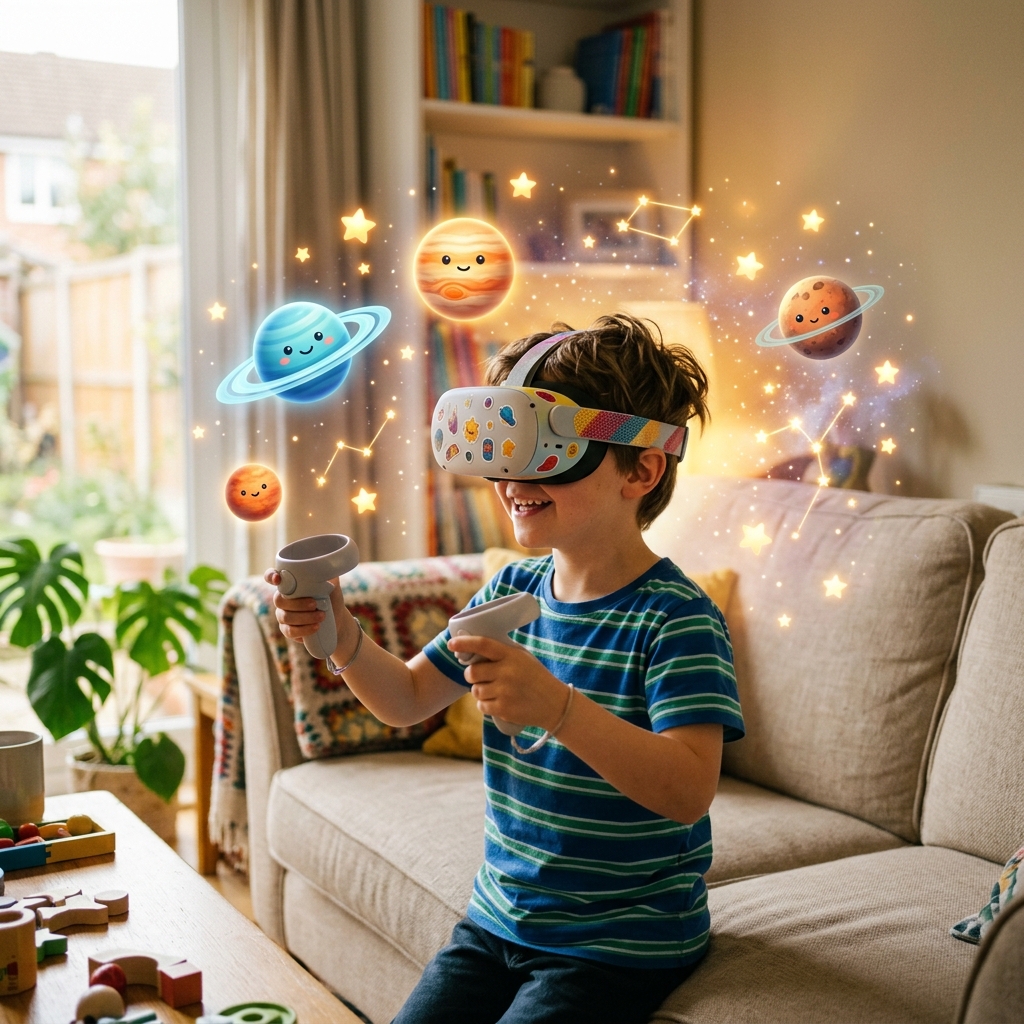
How to Calibrate Motion Sensors on Meta Quest 2 Controllers
Calibrating motion sensors on Meta Quest 2 controllers is essential for ensuring precision and responsiveness during virtual reality experiences. This guide provides step-by-step instructions on achieving optimal sensor calibration for users.
Understanding Motion Sensor Calibration
Motion sensors in VR controllers are crucial for tracking movements accurately. Calibration involves adjusting these sensors to align with the user’s movements and the VR environment.
Comparison of Popular VR Headset Models
| Model | Display Resolution | Refresh Rate | Tracking Type | Controller Type |
|---|---|---|---|---|
| Meta Quest 2 | 1832 x 1920 per eye | 90 Hz | Inside-out tracking | Oculus Touch controllers |
| Meta Quest 3 | 2064 x 2208 per eye | 120 Hz | Inside-out tracking | Oculus Touch Plus controllers |
| HTC Vive Focus 3 | 2448 x 2448 per eye | 90 Hz | Inside-out tracking | Vive controllers |
| Valve Index | 1440 x 1600 per eye | 144 Hz | External tracking | Index controllers |
| PlayStation VR2 | 2000 x 2040 per eye | 120 Hz | Inside-out tracking | DualSense controllers |
| Apple Vision Pro | 3000 x 3000 per eye | 120 Hz | Inside-out tracking | Gesture and touch controllers |
Step-by-Step Guide to Calibrate Motion Sensors
- Ensure the Meta Quest 2 headset and controllers are fully charged.
- Launch the Meta Quest software on a connected device.
- Navigate to the Settings menu within the VR interface.
- Select the "Devices" option, then choose "Controllers."
- Locate the "Calibrate Motion Sensors" option and select it.
- Follow on-screen instructions to perform the calibration.
- Once calibration is complete, conduct a movement test to verify accuracy.
DomineTec Tip: Regular calibration can significantly enhance user experience during gameplay. For those interested in VR multitasking, consider learning how to backup iPhone to computer without iCloud.
Common Calibration Issues
Users may encounter issues such as drift, unresponsiveness, or inaccurate tracking. These problems often stem from environmental factors or outdated firmware.
To mitigate these issues, ensure that the play area is sufficiently lit and clear of obstacles. Regularly updating the Meta Quest software also helps maintain optimal performance.
Advanced Calibration Techniques
For advanced users, further calibration can be achieved by utilizing third-party tools and software. Specialized applications can provide additional settings and adjustments based on personal preferences.
These tools often allow for fine-tuning of sensitivity, dead zones, and other parameters that can enhance the gaming experience. However, caution is advised when using third-party software.
Conclusion
Calibrating motion sensors on Meta Quest 2 controllers is a straightforward process that significantly improves the VR experience. Following the outlined steps ensures that controllers respond accurately to user movements.
Frequently Asked Questions
1. How often should motion sensors be calibrated?
Calibration should be performed regularly, especially after significant changes in the environment or software updates.
2. Can calibration fix drifting issues?
Yes, proper calibration can help reduce or eliminate drifting issues in the controllers, enhancing overall tracking performance.
3. Does the calibration process differ for other VR headsets?
Yes, each VR headset may have a unique calibration process, so it's important to refer to the specific instructions for that model.
4. Are there visual indicators during calibration?
Yes, the VR interface provides visual feedback during the calibration process to guide users through each step.
5. What should be done if calibration fails?
If calibration fails, verify the play area for obstructions, restart the headset, and try the calibration process again.
Understanding Motion Sensors in Meta Quest 2 Controllers
Motion sensors in Meta Quest 2 controllers are essential for an immersive VR experience. They track your hand movements and translate them into the virtual environment accurately.
These sensors utilize advanced technology to ensure fluid interactions with VR content. Understanding their function is vital for effective calibration and optimal performance.
Importance of Calibration
Calibration is crucial for ensuring that the motion sensors respond accurately to your movements. Proper calibration minimizes lag and enhances your overall VR experience.
Without calibration, users may experience issues like drifting or inaccurate tracking. This can lead to frustration and detract from the immersive qualities of virtual reality.
Initial Setup for Calibration
Before calibrating the motion sensors, ensure that your Meta Quest 2 is fully updated. Regular updates can resolve bugs and improve the accuracy of motion tracking.
Additionally, find a well-lit space free of obstacles to enhance sensor performance during calibration. This environment will allow for accurate readings and adjustments.
Steps to Calibrate Motion Sensors
Begin the calibration process by navigating to the settings menu on your Meta Quest 2. Look for the option titled "Controller Settings" to access calibration tools.
Follow the on-screen prompts to complete the calibration process. This will typically involve moving the controllers in specific patterns to help the system learn your movements.
Testing Calibration Accuracy
After calibration, it’s essential to test the accuracy of the motion sensors. Engage in a few VR activities that require precise movements to evaluate performance.
If discrepancies arise, consider repeating the calibration process for improved accuracy. Consistent testing ensures an optimal experience in various VR applications.
Maintaining Sensor Performance
To maintain the performance of motion sensors, routinely check for software updates. Keeping your Meta Quest 2 software current can prevent tracking issues.
Additionally, ensure the controllers are clean and free from obstructions that may interfere with sensor readings. Regular maintenance prolongs the lifespan and effectiveness of the controllers.
Common Calibration Issues
Users may encounter common issues such as drifting, where the controller appears to move on its own. This can often be resolved by recalibrating the motion sensors.
Other issues may include lag or delayed responsiveness. Identifying these problems early can help in adjusting settings for a better experience.
Seeking Help and Resources
If persistent calibration issues occur, consult the official Meta support resources. These can provide detailed troubleshooting steps and solutions tailored to specific problems.
Additionally, online forums and communities can offer insights and tips from experienced users. Engaging with these resources can help in mastering controller calibration.
How to Calibrate Motion Sensors on Meta Quest 2 Controllers
Calibrating the motion sensors on Meta Quest 2 controllers is essential for an optimal virtual reality experience. Proper calibration ensures accurate tracking and responsiveness during gameplay.
Understanding Motion Sensor Calibration
Motion sensors in VR controllers detect movement and orientation to translate physical actions into the virtual environment. Calibration helps adjust these sensors for precision, especially after extensive use or when changing play areas.
Steps to Calibrate Motion Sensors
Follow these steps to calibrate the motion sensors on your Meta Quest 2 controllers effectively:
- Ensure the Meta Quest 2 headset is fully charged and powered on.
- Make sure the play area is clear of obstructions for optimal tracking.
- Check that the controllers have sufficient battery life.
Accessing the Settings Menu
Calibration settings can be accessed through the Meta Quest 2 headset interface. Users must navigate to the settings menu to start the calibration process.
- Put on the Meta Quest 2 headset.
- Press the Oculus button on the right controller to open the Universal Menu.
- Select the "Settings" option from the menu.
Finding the Controller Calibration Options
Within the settings menu, users can locate the controller calibration options. This section provides tools for adjusting motion sensor settings.
- Scroll down to the "Devices" option in the settings.
- Select "Controllers" to view the controller settings.
Calibrating the Controllers
After accessing the controller settings, users can begin the calibration process. This involves following on-screen instructions to ensure the sensors are correctly calibrated.
- Choose the "Calibrate" option for the controllers.
- Follow the prompts to complete the calibration process.
Testing the Calibration
Once calibration is complete, it is advisable to test the controllers in a game or application. This ensures that the adjustments made during calibration have taken effect.
- Launch a game that requires precise motion control.
- Observe the responsiveness of the controllers to ensure accurate tracking.
Troubleshooting Calibration Issues
If calibration does not seem to improve tracking accuracy, several troubleshooting steps can be taken. Addressing common issues can enhance the calibration process.
- Check for any obstructions in the play area that may interfere with sensor tracking.
- Ensure that the controllers are clean and free from any dirt or debris.
Additional Tips for Optimal Performance
Maintaining the Meta Quest 2 controllers can help ensure long-term performance. Regularly checking for updates and keeping the headset clean contributes to a better experience.
- Regularly check for firmware updates via the Meta Quest app.
- Clean the lenses of the headset and the controllers periodically.
Using Third-Party Applications for Calibration
Several third-party applications can assist in calibrating motion sensors more precisely. Users interested in advanced calibration techniques may find these applications beneficial.
Ensure that any third-party application used is reputable and compatible with the Meta Quest 2. Always read user reviews and check compatibility before downloading.
Understanding Sensor Drift
Sensor drift can occur over time, affecting the accuracy of motion tracking. Awareness of this phenomenon is important for understanding when calibration is needed.
- Sensor drift may cause the virtual environment to react inaccurately to controller movements.
- Regular calibration can help minimize the effects of sensor drift.
Safety Precautions While Calibrating
Taking safety precautions during calibration is essential to avoid accidents. Ensuring a safe play area can prevent injuries while using the Meta Quest 2.
- Remove any potential hazards from the play area before calibration.
- Ensure that the play space is well-lit to improve sensor tracking.
Maintaining Battery Health
Battery health is crucial for optimal performance of the Meta Quest 2 controllers. Proper battery maintenance can enhance the calibration process and overall user experience.
- Charge the controllers regularly to avoid low battery issues.
- Avoid leaving the controllers uncharged for extended periods.
Conclusion
Calibrating the motion sensors on Meta Quest 2 controllers is a straightforward process that can significantly enhance the VR experience. By following the steps outlined in this guide, users can ensure optimal performance and accuracy.
Regular maintenance, awareness of sensor drift, and the use of third-party applications can further improve the calibration process. Enjoy a more immersive virtual reality experience with well-calibrated controllers.
Understanding Motion Sensor Technology
Motion sensors in VR controllers, like those found in the Meta Quest 2, use advanced technology to track movements accurately. This ensures a seamless and immersive experience while navigating virtual environments.
These sensors rely on a combination of accelerometers and gyroscopes to detect orientation and speed. By understanding how these components work together, users can optimize their calibration process for better performance.
Other VR devices, such as the Valve Index and HTC Vive, utilize similar technology, highlighting the importance of calibration across different platforms. Familiarity with these systems can enhance the overall gaming experience.
Common Calibration Issues and Solutions
Users may encounter various calibration issues, such as drifting or delayed responses during gameplay. These problems can detract from the immersive experience and lead to frustration.
To address these issues, it’s crucial to regularly recalibrate the controllers and ensure they are free from obstructions. This simple step can significantly improve performance and responsiveness in action-packed games.
If problems persist, checking for software updates and resetting the device settings can also help resolve lingering calibration issues. Staying proactive about maintenance ensures the best performance from VR systems like the Oculus Rift S and PlayStation VR.
Best Practices for Maintaining Controller Performance
Proper maintenance of VR controllers is key to preserving their functionality over time. Regularly cleaning the sensors and ensuring they are charged can prevent many common issues.
Storing controllers in a dry, cool place when not in use also contributes to longevity. Avoiding exposure to extreme temperatures and humidity can protect sensitive components.
Finally, keeping the firmware updated ensures that users benefit from the latest enhancements and fixes. Following these best practices can lead to a more enjoyable experience on devices like the Meta Quest Pro and Pico Neo 3.




