How to Adjust Lumbar Support on Office Chairs for Better Posture
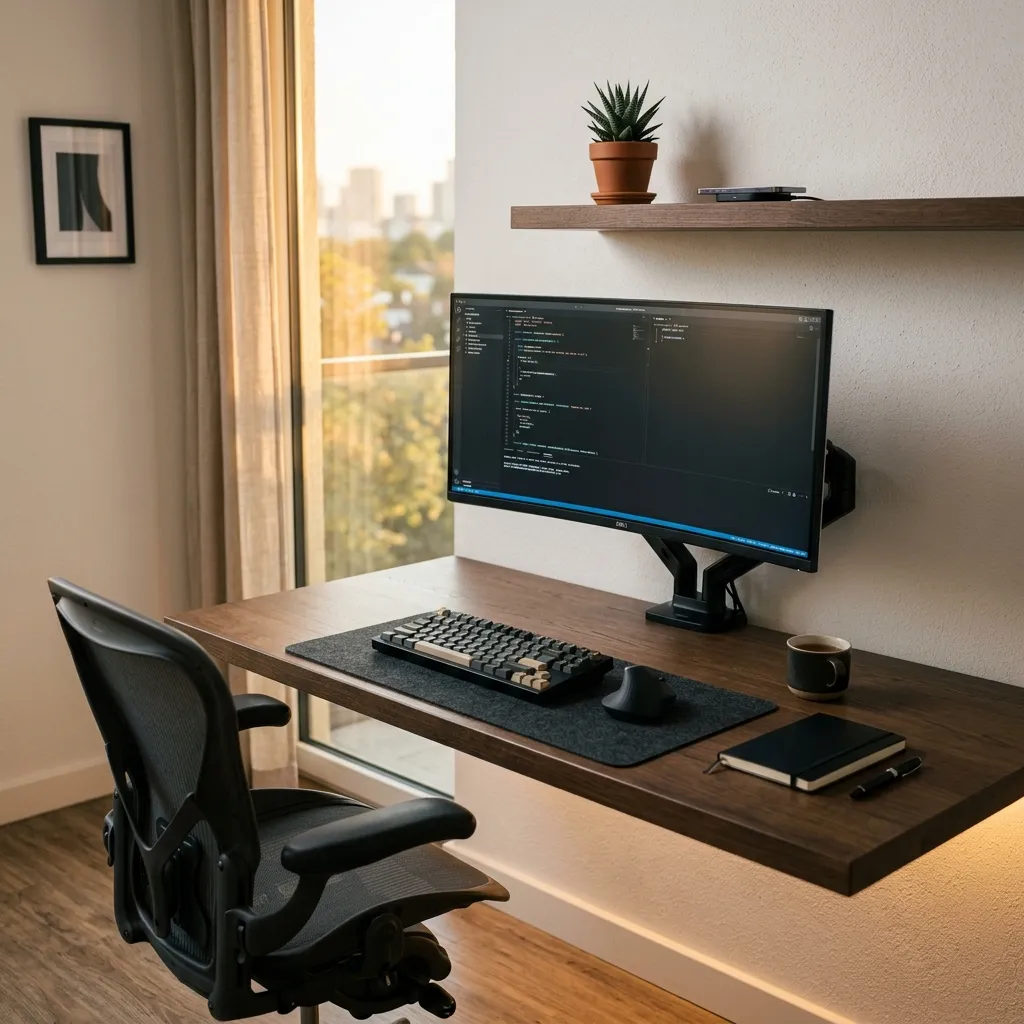
Adjusting lumbar support on office chairs enhances posture, reduces back pain, and increases productivity.
Understanding Lumbar Support
Lumbar support is essential for maintaining the natural curve of the spine during prolonged sitting. Proper lumbar support alleviates pressure on the lumbar discs and promotes healthy posture.
Ergonomics and Its Role
Ergonomics focuses on creating a workspace that fits the user’s needs, reducing discomfort and the risk of injury. Chairs with adjustable lumbar support allow for personalized adjustments, catering to individual back shapes and preferences.
Materials Used in Lumbar Support
Common materials for lumbar support include memory foam, mesh, and molded plastic. Memory foam contours to the back, while mesh provides breathability; both offer different benefits for comfort and support.
Comparative Analysis of Lumbar Support Mechanisms
| Chair Model | Adjustability | Material | Price Range |
|---|---|---|---|
| Herman Miller Aeron | Height & Depth | Mesh | $1,000 - $1,500 |
| Steelcase Leap | Height, Depth & Lumbar Firmness | Foam | $800 - $1,200 |
| Secretlab Titan Evo | Height & Lumbar Support Pad | Memory Foam | $400 - $600 |
| Humanscale Diffrient | Height | Mesh | $900 - $1,300 |
DomineTec Tip: Regularly take breaks to stand, stretch, and walk around to maintain overall spinal health.
Steps to Properly Adjust Lumbar Support
- Identify the natural curve of your lower back.
- Adjust the lumbar support height to align with your back's curve.
- Set the firmness of the support based on comfort level.
- Test the chair by sitting against the backrest for at least 10 minutes.
- Make minor adjustments as needed for optimal comfort.
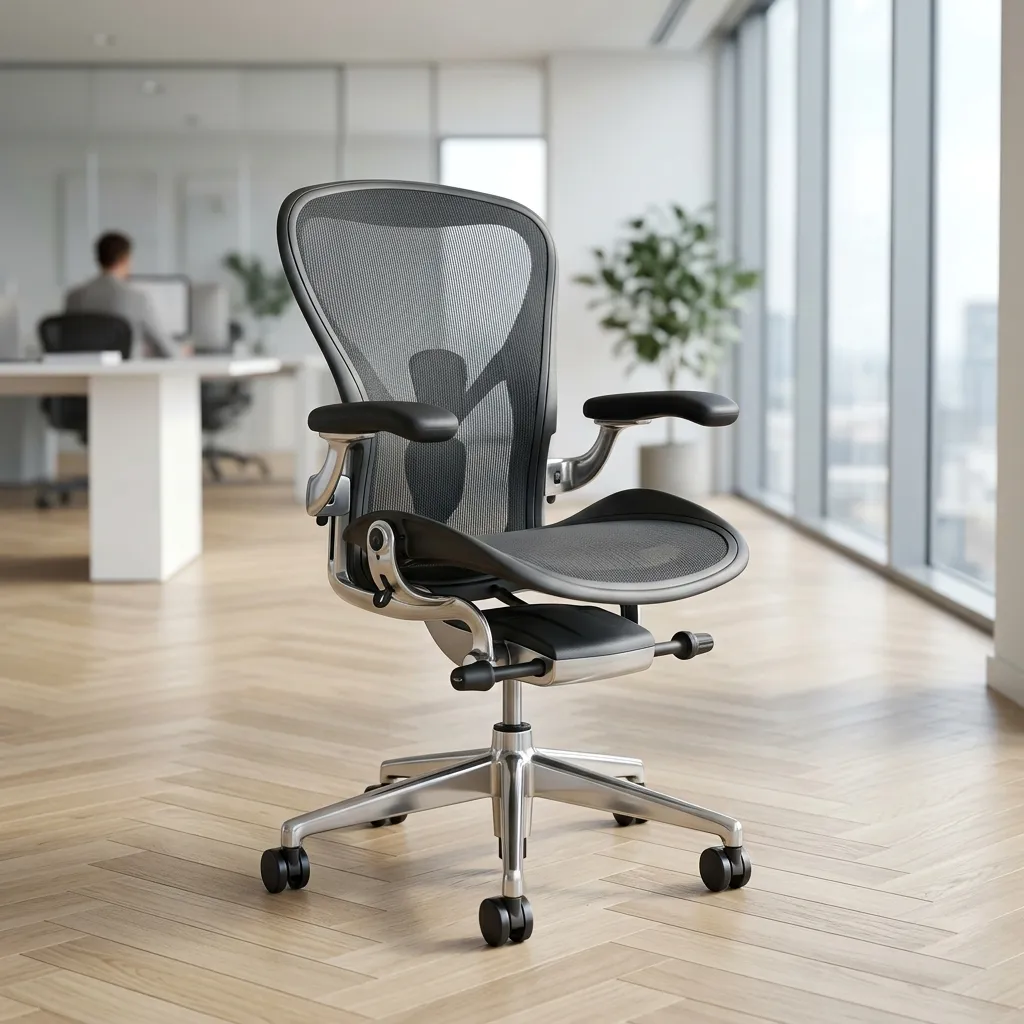
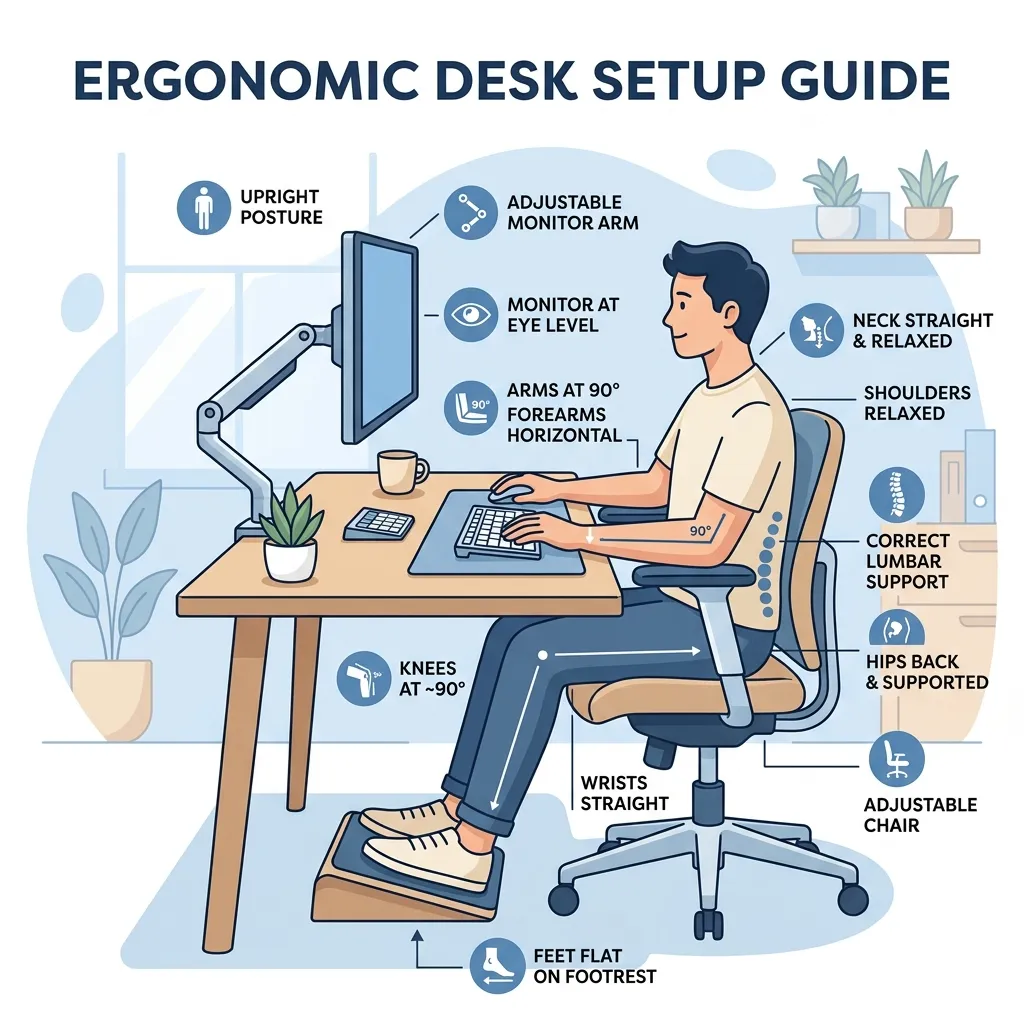
For further insights on creating an efficient workspace, visit our guide on clean productivity desk setup or explore the ergonomic office chair models.
Common Mistakes in Lumbar Support Adjustment
One frequent error is not adjusting lumbar support based on individual body shape and size. Many users set their lumbar support without considering their unique spinal curvature.
Assuming that all office chairs' lumbar supports are universally effective is another mistake. Different chairs have varying designs, which may not suit every user's needs.
Users often overlook the importance of maintaining lumbar support position while changing posture. Movement can shift the lumbar support out of the ideal position.
Neglecting to periodically reassess the lumbar support settings can lead to discomfort over time as physical conditions and preferences evolve.
Importance of Regular Breaks and Movement
Even with optimal lumbar support, prolonged sitting can lead to discomfort and musculoskeletal issues. Regular breaks are essential for maintaining overall spinal health.
Incorporating movement into the workday allows for circulation improvement and muscle relaxation. Standing, stretching, or walking can counteract the effects of extended sitting.
Employers should encourage a culture that promotes movement, allowing employees to take short breaks. This can significantly enhance comfort and productivity in the workplace.
Integrating reminders or scheduling breaks can help individuals make movement a regular part of their routine, thereby reducing the risk of long-term posture-related issues.
Personalizing Lumbar Support for Different Activities
Different activities may require adjustments to lumbar support for optimal comfort. For instance, typing may necessitate more support compared to phone calls.
When engaging in tasks that require leaning forward, such as writing or drawing, lumbar support should be adjusted to provide adequate support for the lower back.
Conversely, during activities that require more relaxation, such as reading or watching presentations, users may prefer a less pronounced lumbar support.
Awareness of these variations can help users customize their lumbar support settings throughout the day, promoting better posture and comfort for different tasks.
The Role of Office Chair Size in Lumbar Support Effectiveness
Office chair size significantly impacts the effectiveness of lumbar support. A chair that is too large or small can lead to improper support and discomfort.
Users should ensure that the chair height and depth complement their body dimensions. Proper alignment is crucial for effective lumbar support to function correctly.
People with shorter stature may require chairs with lower lumbar support positions, while taller individuals may benefit from higher settings to maintain proper spinal curvature.
Choosing the right-sized chair is essential for optimizing lumbar support, contributing to better overall posture and reduced discomfort during long work hours.
Incorporating Technology into Lumbar Support Solutions
Advancements in technology have led to the development of smart lumbar support systems. These systems can adjust automatically based on user preferences and posture.
Some smart chairs come equipped with sensors that track spinal alignment and provide real-time feedback. This technology can help users maintain proper posture throughout the day.
Additionally, mobile applications can assist users in tracking their sitting habits and remind them to adjust their lumbar support or take breaks.
As technology continues to evolve, integrating smart solutions into office chairs could greatly enhance the effectiveness of lumbar support for better posture management.
Training and Education on Proper Lumbar Support Usage
Educating employees about the significance of lumbar support is vital for promoting better posture. Training sessions can provide insights into how to adjust lumbar support effectively.
Workshops can cover the anatomy of the spine and the impact of poor posture, helping individuals understand the importance of lumbar support adjustments.
Providing visual guides or instructional materials can serve as a helpful reference for employees when adjusting their office chairs.
By prioritizing education on lumbar support usage, organizations can foster a healthier work environment, ultimately leading to increased employee well-being and productivity.
Exploring Alternative Lumbar Support Products
In addition to built-in lumbar support, various external products can enhance comfort and posture. Lumbar cushions and rolls are popular options that can be added to any chair.
These products are designed to provide additional support tailored to individual needs, often featuring adjustable straps for secure placement.
Users should consider their specific requirements when selecting alternative lumbar support products, as the right choice can make a significant difference in comfort levels.
Ultimately, exploring various lumbar support solutions can lead to improved posture and overall spinal health, especially for those who spend long hours seated.
Understanding the Connection Between Lumbar Support and Spinal Health
Proper lumbar support is crucial for maintaining spinal health, as it helps to preserve the natural curvature of the spine. When lumbar support is correctly adjusted, it alleviates pressure on the spinal discs and reduces the risk of developing musculoskeletal disorders.
Research indicates that inadequate lumbar support can lead to chronic pain, which may affect productivity and quality of life. Investing time in understanding and optimizing lumbar support can result in long-term benefits for spinal health and overall well-being.
The Impact of Lumbar Support on Productivity
Effective lumbar support not only enhances comfort but also significantly boosts productivity in the workplace. Studies show that employees with proper lumbar support report higher levels of focus and efficiency during work hours.
By reducing discomfort and pain, individuals can dedicate more mental energy to their tasks, leading to improved overall performance. Employers should recognize the link between lumbar support and productivity to foster a healthier work environment.
Evaluating the Effectiveness of Lumbar Support Over Time
Regular assessment of lumbar support effectiveness is vital for ongoing comfort and spinal health. Over time, changes in body weight, posture habits, and chair conditions can affect the efficacy of lumbar support systems.
Implementing periodic evaluations can help individuals identify when adjustments are necessary for optimal lumbar support. This proactive approach can prevent the development of chronic pain and maintain a sustainable ergonomic setup.
Future Trends in Lumbar Support Design
The design of lumbar support is continually evolving, with innovations aimed at enhancing user experience and comfort. Emerging technologies, such as adjustable lumbar support systems that respond to user movement, are becoming more prevalent.
Future trends also include the integration of smart sensors that monitor posture and provide real-time feedback for adjustments. Staying informed about these advancements can help users select the most effective lumbar support solutions for their needs.
Assessing Individual Needs for Lumbar Support
Every individual has unique body mechanics and postural requirements that influence the effectiveness of lumbar support. Factors such as body size, weight distribution, and specific health conditions play a crucial role in determining the ideal lumbar support configuration.
Conducting a self-assessment or consulting with a health professional can provide insights into personal lumbar support requirements. Understanding these aspects can help tailor the lumbar support to mitigate issues effectively.
Different activities may require varying levels of lumbar support. For example, tasks that necessitate prolonged sitting may call for more pronounced support, while activities that allow for movement might not require as much.
Incorporating feedback from regular users regarding their experience with lumbar support can also inform future adjustments, ensuring the ergonomic setup remains aligned with individual needs over time.
Integrating Lumbar Support with Other Ergonomic Features
Effective lumbar support should be integrated with other ergonomic features of an office chair. Elements such as seat height, armrest positioning, and desk height all contribute to overall posture and comfort.
A holistic approach to ergonomics can significantly enhance the effectiveness of lumbar support. Ensuring that all ergonomic features work harmoniously can lead to better posture, reduced discomfort, and increased productivity in the long run.
The Psychological Impact of Proper Lumbar Support
Proper lumbar support can also have a significant psychological impact on office workers. Feeling comfortable and well-supported can enhance overall job satisfaction and mental well-being.
When individuals experience discomfort or pain due to inadequate lumbar support, it can lead to frustration and decreased focus. Conversely, well-adjusted lumbar support can foster a sense of stability and confidence.
Organizations should consider the psychological benefits of ergonomic investments, including lumbar support. By prioritizing employee comfort and well-being, companies can create a more conducive work environment that promotes productivity and enhances overall workplace satisfaction.
Factors Influencing Lumbar Support Adjustment
Adjusting lumbar support is not a one-size-fits-all solution; various factors can influence how lumbar support should be tailored to individual needs. One significant aspect is body size and shape, which affects the height and firmness of lumbar support required.
Additionally, weight distribution plays a crucial role in how lumbar support interacts with the body. Individuals with a more pronounced lumbar curve may benefit from firmer support, while those with a flatter back might require softer cushioning.
The chair's overall design and adjustability features also influence lumbar support needs. Chairs with dynamic lumbar support systems can adapt more easily to the user's movements, providing better alignment throughout the day.
Finally, the type of work being performed can dictate lumbar support needs. Tasks that involve prolonged sitting may require more robust support, whereas activities that allow for movement could allow for a more flexible lumbar configuration.
Long-Term Effects of Inadequate Lumbar Support
Inadequate lumbar support can lead to a range of long-term health issues that extend beyond mere discomfort. Over time, poor lumbar support can contribute to chronic back pain, affecting not only physical health but also overall quality of life.
Furthermore, inadequate support can lead to postural imbalances, causing compensatory changes in the upper back and neck. This misalignment can create a cascade of musculoskeletal problems that may require medical intervention.
The psychological impact of chronic discomfort should not be overlooked. Individuals suffering from back pain often experience increased stress and anxiety, which can further exacerbate their condition.
Investing in proper lumbar support promotes better spinal health and function. By ensuring that the lumbar region is adequately supported, individuals can maintain better posture and reduce the risk of developing chronic conditions associated with poor ergonomics.
Troubleshooting Lumbar Support Issues
Troubleshooting lumbar support issues requires a systematic approach to identify the root causes of discomfort or inefficacy. Start by examining the chair's adjustment mechanisms, including any levers or dials that control the lumbar position.
Check for any visible signs of wear or malfunction in the lumbar support components. For chairs with pneumatic or mechanical adjustments, ensure that all parts are moving freely and are not obstructed by debris or misalignment.
If the lumbar support is adjustable, experiment with different settings while seated. This process may involve raising or lowering the support or changing its depth to find the optimal position that aligns with the natural curvature of the spine.
In cases where the lumbar support does not seem to provide sufficient comfort, inspect the padding material. If the foam or cushioning has degraded, it may be necessary to replace it to achieve the desired level of support.
Additionally, measuring the distance between the lumbar support and the user's lower back can aid in determining whether the chair’s design is compatible with individual body dimensions. This measurement is critical for ensuring that the lumbar support effectively targets the lumbar region.
For users experiencing persistent discomfort, consider evaluating the overall chair height and desk alignment. An improper desk height can cause the lumbar support to be ineffective, as the angle of the hips and knees may affect posture.
It is crucial to document any adjustments made during troubleshooting. Keeping a record of the chair settings can help in identifying patterns of discomfort and lead to more informed adjustments in the future.
If necessary, consult the manufacturer’s manual for specific troubleshooting tips related to the model in use. Many manufacturers provide detailed instructions that can resolve common issues quickly.
Best Practices for Maintaining Lumbar Support Systems
Maintaining lumbar support systems is essential for ensuring long-term effectiveness and user comfort. Regularly inspect the chair for signs of wear, particularly in the lumbar support area, and address any concerns promptly.
Cleaning the lumbar support material is also important; use appropriate cleaning solutions that do not damage the fabric or foam. Dust and debris can accumulate, reducing the effectiveness of the support.
Adjust the lumbar support periodically to accommodate changes in body posture throughout the workday. Users often shift positions, and a flexible lumbar support system should adapt to these changes.
In addition, encourage users to take breaks to stretch and move, as prolonged sitting can lead to muscle stiffness, counteracting the benefits of lumbar support. Simple stretching exercises can enhance overall comfort.
Establish a routine for chair adjustments, perhaps performing checks at the start of each workweek. Consistent evaluations can help maintain optimal lumbar support alignment and prevent discomfort from unnoticed shifts in body position.
Consider integrating lumbar support training into workplace ergonomics programs. Providing education on proper usage and maintenance of lumbar support can empower users to take charge of their posture health.
Finally, be proactive about replacing chairs or lumbar support components that show significant wear. Investing in high-quality replacement parts can extend the life of the chair and enhance user comfort and productivity.
By following these best practices, individuals can ensure that their lumbar support systems remain effective and contribute positively to their overall ergonomic setup.
Frequently Asked Questions
What is lumbar support?
Lumbar support is a feature in office chairs that provides support to the lower back, promoting healthy posture while sitting.
How do I know if my lumbar support is set correctly?
Proper lumbar support should fit snugly against the lower back, allowing for a neutral spine position without excessive pressure.
Can lumbar support reduce back pain?
Yes, lumbar support can significantly reduce back pain by maintaining spinal alignment and reducing strain on the lumbar region.
Are all office chairs adjustable?
No, not all office chairs have adjustable lumbar support; selecting a chair with this feature is crucial for ergonomic benefits.
How often should lumbar support be adjusted?
Adjustments should be made based on comfort and any changes in seating posture, ideally reviewed daily or weekly.




