How to Adjust IPD (Interpupillary Distance) on Your VR Headset
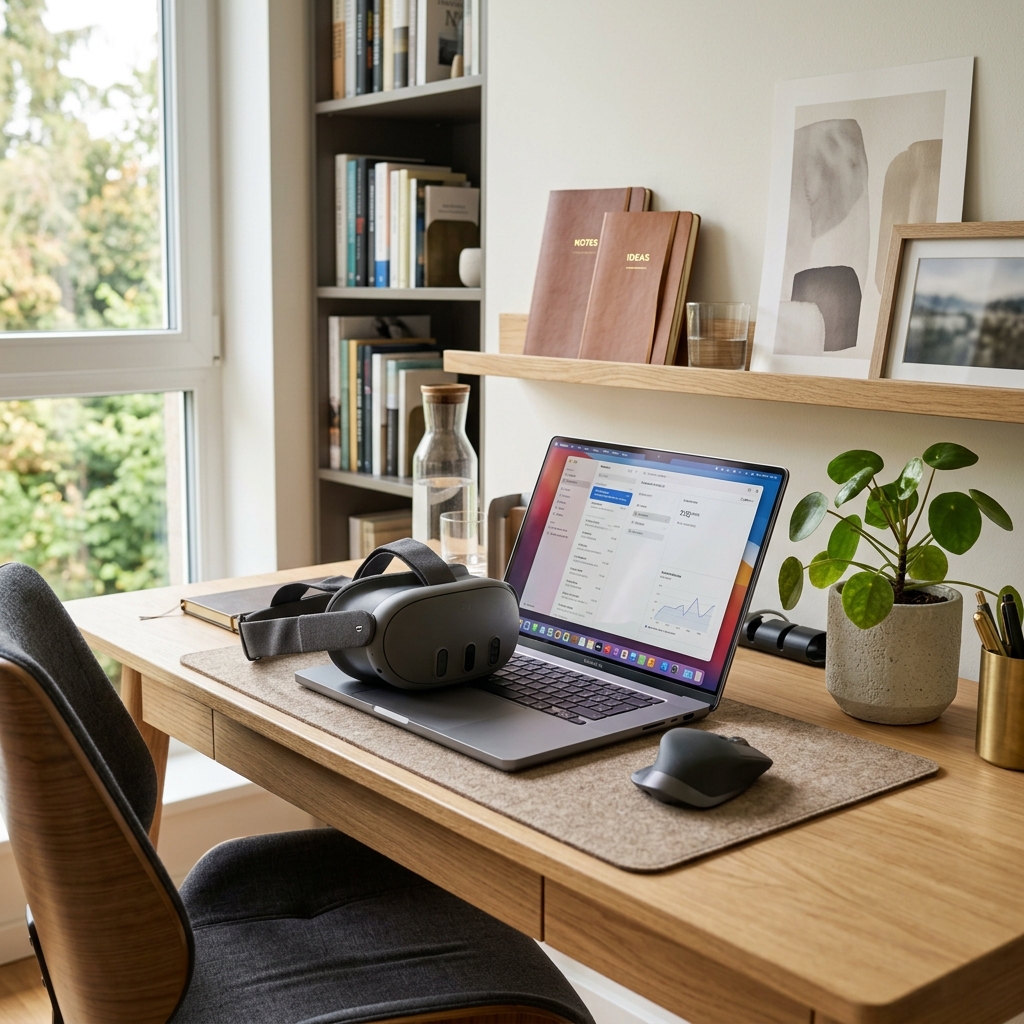
How to Adjust IPD (Interpupillary Distance) on Your VR Headset
Understanding how to adjust IPD (Interpupillary Distance) on your VR headset is crucial for an optimal virtual reality experience. Proper IPD settings ensure that the lenses align with the user’s eyes, enhancing visual clarity and reducing discomfort.
What is Interpupillary Distance (IPD)?
Interpupillary Distance refers to the distance between the centers of the pupils of the eyes. In VR headsets, adjusting IPD is essential for achieving the best possible visual experience and minimizing eye strain.
Different individuals have varying IPD measurements, typically ranging from 54mm to 74mm. An incorrectly set IPD can lead to blurred visuals and discomfort during use.
How to Adjust IPD on Popular VR Headsets
Most VR headsets feature a built-in mechanism to adjust for IPD. Below is a comparison of how to adjust IPD on various popular models:
| VR Headset Model | IPD Adjustment Method | IPD Range | Notes |
|---|---|---|---|
| Meta Quest 3 | Physical slider | 58mm - 72mm | Three preset positions |
| Meta Quest 2 | Physical slider | 58mm - 68mm | Three preset positions |
| Valve Index | Physical dial | 58mm - 70mm | Continuous adjustment |
| PlayStation VR2 | Physical slider | 60mm - 68mm | Two preset positions |
| Pimax Crystal | Software adjustment | 55mm - 75mm | Requires software calibration |
| HTC Vive Pro 2 | Physical dial | 60mm - 70mm | Continuous adjustment |
| HP Reverb G2 | Physical slider | 60mm - 68mm | Two preset positions |
Step-by-Step Guide to Adjusting IPD
- Identify the IPD measurement that suits personal needs, usually obtainable through vision tests or online calculators.
- Put on the VR headset and locate the IPD adjustment mechanism, typically a slider or dial.
- Adjust the IPD until the lenses align with the pupils, ensuring clear visuals.
- Test the adjustment by observing virtual environments, checking for clarity and comfort.
- If discomfort occurs, recheck the adjustment and make slight modifications.
DomineTec Tip: Regularly check IPD settings when switching between users or after extended use. For more insights, explore how to backup iPhone to computer without iCloud.
Why IPD Adjustment Matters
Correct IPD adjustment helps prevent eye fatigue, headaches, and discomfort during VR sessions. When the visual alignment is optimal, users can fully engage with virtual environments without distraction.
Improper IPD settings can lead to visual distortions that detract from the immersive experience. This is especially critical in high-fidelity VR applications, where clarity is paramount.
Common Issues with IPD Adjustment
Many users encounter challenges when adjusting IPD on their VR headsets. Common issues include difficulty finding the correct setting and confusion over the adjustment mechanism.
Some headsets require users to switch between preset IPD values, which may not suit all individuals. It is essential to understand the specific adjustment capabilities of each model.
Additional Tips for Enhanced VR Experience
Achieving ideal IPD is only one aspect of optimizing VR experiences. Other factors include ensuring a comfortable fit and adjusting headset straps for stability.
It is advisable to regularly clean headset lenses to maintain visual clarity. Dirt or smudges can lead to additional discomfort during use.
Choosing the Right VR Headset
When purchasing a VR headset, consider the IPD adjustment capabilities alongside other specifications like resolution, field of view, and tracking systems. This ensures compatibility with individual needs.
For those seeking mobile VR options, reviewing the best mobile VR headsets for iPhone: iOS compatibility guide can provide insights into suitable models.
Frequently Asked Questions
1. How do I know my IPD measurement?
IPD can be measured using a ruler or through online tools that guide users in measuring the distance between their pupils.
2. What happens if my IPD is not set correctly?
Incorrect IPD settings can lead to blurred visuals, discomfort, and increased eye strain, diminishing the overall VR experience.
3. Can IPD be adjusted on all VR headsets?
Not all VR headsets have adjustable IPD. It is crucial to verify this feature before purchasing a headset.
4. How often should IPD settings be adjusted?
IPD settings should be checked whenever a new user uses the headset or after extended sessions to ensure comfort.
5. Is there an IPD adjustment tool available?
Some VR headsets come with dedicated software tools for fine-tuning IPD settings based on user preferences.
Understanding Interpupillary Distance (IPD)
Interpupillary Distance (IPD) refers to the distance between the centers of the pupils of your eyes. Properly adjusting the IPD on a VR headset ensures a clear and comfortable visual experience.
Each head-mounted display, like the Oculus Quest 2 or HTC Vive Pro, has a specific IPD range. Knowing your IPD helps prevent eye strain and enhances immersion during virtual reality experiences.
How to Measure Your IPD
Measuring IPD can be done using a simple ruler or a specialized tool. Align the ruler with the bridge of your nose and measure the distance between the pupils in millimeters.
Alternatively, using a mirror can aid in getting an accurate measurement. It's essential to ensure that your head remains level while measuring for the best results.
Adjusting IPD on Different VR Headsets
Most modern VR headsets, such as the Sony PlayStation VR and Valve Index, feature adjustable IPD settings. Users can typically adjust the distance using a physical slider or through an in-software calibration process.
Consulting the user manual for your specific model provides detailed instructions. Making these adjustments can significantly enhance the clarity of the virtual environment.
Common Issues with Incorrect IPD Settings
Incorrect IPD settings can lead to discomfort, including headaches and eye strain. Users may also experience a blurry image or difficulty focusing on virtual objects.
Benefits of Proper IPD Calibration
Proper IPD calibration enhances visual comfort and clarity in VR environments. Users will notice a more natural and immersive experience with correctly aligned optics.
Additionally, accurate IPD settings can help reduce motion sickness, allowing for longer and more enjoyable VR sessions. This is particularly beneficial in applications that involve extensive movement.
Using IPD Measurement Apps
Several mobile apps can assist in accurately measuring your IPD from the comfort of your home. These applications typically use your smartphone camera and augmented reality to guide the measurement process.
Utilizing these apps can streamline the setup process for your VR headset, ensuring optimal comfort right from the start. Examples of such apps include EyeMeasure and PD Meter.
IPD Adjustment for Children and Adults
IPD adjustments may vary significantly between children and adults due to anatomical differences. Many VR headsets, such as the Oculus Rift S, allow for a wide range of adjustments to accommodate users of different ages.
When setting up a headset for a child, ensuring the IPD is correctly adjusted is crucial for safety and comfort. Regularly checking the settings as they grow can enhance their VR experience.
Finding the Right IPD for Shared Headsets
When sharing a VR headset among multiple users, finding a balanced IPD setting is vital. Some headsets, like the Pico Neo 3, offer a wide adjustment range to cater to various users.
Encouraging each user to measure their IPD before use can lead to a better shared experience. This practice minimizes discomfort and maximizes enjoyment for everyone involved.
How to Adjust IPD (Interpupillary Distance) on Your VR Headset
Interpupillary Distance (IPD) is a critical measurement in virtual reality (VR) that ensures an optimal viewing experience. Adjusting the IPD on a VR headset allows users to align the lenses with their eyes for enhanced clarity and comfort.
Understanding IPD
IPD refers to the distance between the centers of the pupils of the eyes. This measurement varies from person to person and can significantly affect the immersion and visual comfort in VR environments.
When the IPD is not set correctly, users may experience eye strain, discomfort, or distorted images. Adjusting the IPD can help alleviate these issues and improve the overall VR experience.
How to Measure IPD
Before adjusting the IPD on a VR headset, it’s essential to know your IPD measurement. The average adult IPD ranges from 54mm to 74mm.
To measure IPD accurately, follow these steps:
- Stand in front of a mirror and hold a ruler against your brow.
- Close your right eye and align the ruler with the center of your left pupil.
- Open your right eye and close your left eye, noting the measurement at the center of the right pupil.
- Calculate the average of the two measurements for accuracy.
Adjusting IPD on Popular VR Headsets
Different VR headset models have various methods for adjusting the IPD. Below is a guide for some of the most popular headsets available.
| VR Headset | Adjustment Method |
|---|---|
| Oculus Quest 2 | Use the IPD adjustment slider to select between three preset distances: 58mm, 63mm, and 68mm. |
| HTC Vive Pro 2 | Manually adjust the lenses by sliding them closer or further apart until the optimal view is achieved. |
| Valve Index | Utilize the IPD adjustment wheel located on the headset to find the perfect alignment. |
| Pimax 8K X | Adjust the IPD using the software settings or physical lens adjustment to fit personal measurements. |
| PlayStation VR | Adjust the lens distance manually by sliding the lenses along the tracks. |
Step-by-Step Guide for Each Headset
Oculus Quest 2
To adjust the IPD on the Oculus Quest 2, follow these steps:
- Put on the headset and look for the IPD adjustment slider located underneath the lenses.
- Slide the adjustment until the image appears clear and comfortable.
HTC Vive Pro 2
For the HTC Vive Pro 2, adjusting the IPD involves the following:
- Remove the headset and locate the lens adjustment knobs on either side.
- Gently slide the lenses until they align with your pupils based on your measured IPD.
Valve Index
Adjusting the IPD on the Valve Index headset is straightforward:
- While wearing the headset, use the IPD adjustment wheel located on the bottom of the headset.
- Rotate the wheel until the view looks sharp and aligned.
Pimax 8K X
For the Pimax 8K X, users can adjust the IPD as follows:
- Access the software settings on your PC to find the IPD adjustment options.
- Adjust the number until the visuals are aligned and comfortable.
PlayStation VR
Adjusting the IPD on the PlayStation VR can be done in these steps:
- Put on the headset and locate the lens adjustment sliders on either side.
- Slide them until the image appears clear for both eyes.
Troubleshooting Common Issues
Sometimes, even after adjusting the IPD, users may still experience discomfort or visual issues. Here are some common troubleshooting tips.
- Check for Proper Fit: Ensure that the headset is worn snugly on the head. A loose fit can cause misalignment.
- Clean the Lenses: Dust or smudges on the lenses can affect clarity. Use a microfiber cloth to clean them gently.
- Adjust Headstrap: Make sure the head strap is adjusted correctly to maintain the headset's position.
- Calibration: Some headsets have calibration tools in their settings. Ensure the headset is correctly calibrated for your eyes and head.
Conclusion
Adjusting the IPD on a VR headset is essential for a comfortable and immersive experience. Following the guidelines specific to each headset model can help users achieve the best results.
By taking the time to measure and adjust the IPD, users can enhance their VR experience significantly. Proper IPD alignment contributes to clearer visuals and reduced eye strain, facilitating longer and more enjoyable sessions in virtual reality.
Ultimately, each user’s visual comfort is unique, and finding the right settings may require some experimentation. Regular adjustments may also be necessary, especially if the headset is shared among multiple users.




