Gaming Monitor Trends in 2025: What Changed and What to Expect
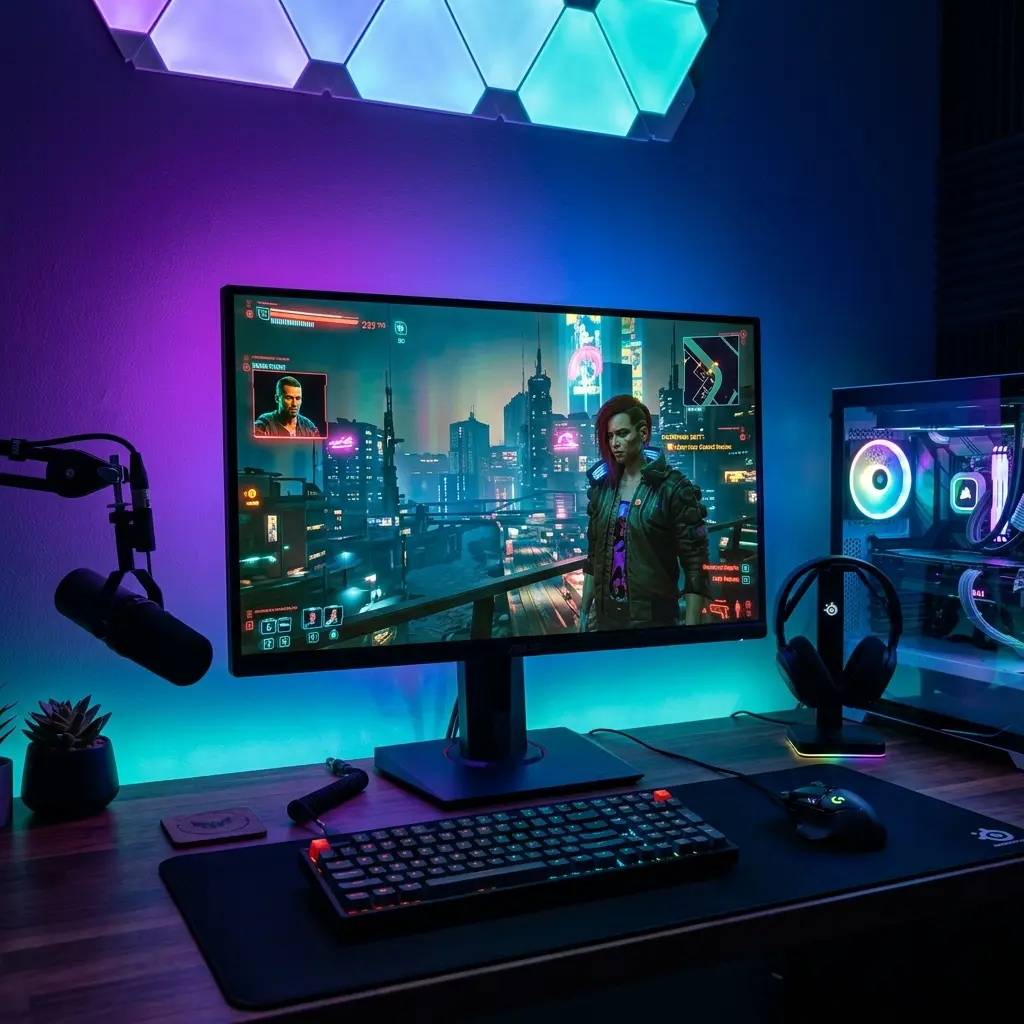
In 2025, gaming monitors have evolved significantly, showcasing advancements in resolution, performance, and ergonomics.
Physical Aspects and Resolution
Monitor sizes in 2025 typically range from 24 to 49 inches, with resolutions predominantly at 4K and ultrawide options gaining popularity.
Aspect ratios have shifted towards 21:9 and 32:9, enhancing immersive experiences in gaming environments.
Performance and Technology
Refresh rates have advanced to 360Hz for competitive gaming, with display technologies like OLED and Mini-LED becoming mainstream.
Variable refresh rate (VRR) technologies such as NVIDIA G-SYNC and AMD FreeSync ensure smoother gameplay without tearing.
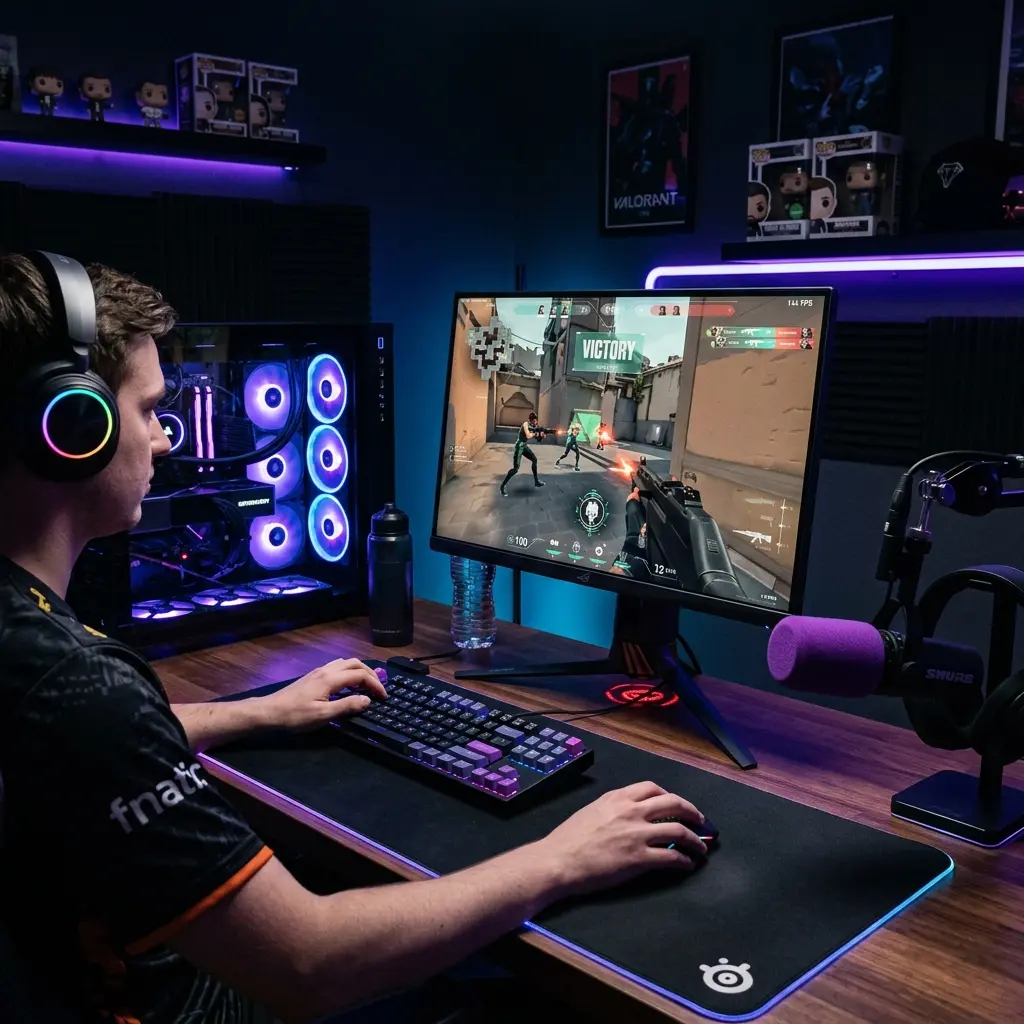
Ergonomics and Visual Comfort
Modern gaming monitors now feature adjustable stands that allow for height, tilt, and swivel adjustments, promoting user comfort.
Low blue light emissions and flicker-free technologies are standard, reducing eye strain during extended gaming sessions.
| Brand | Model | Resolution | Refresh Rate | Panel Type |
|---|---|---|---|---|
| ASUS | ROG Swift PG259QN | 1920x1080 | 360Hz | IPS |
| Acer | Predator X38 | 3840x1600 | 175Hz | IPS |
| Samsung | Odyssey G9 | 5120x1440 | 240Hz | QLED |
Materials and Durability
Chassis materials have improved, with many monitors utilizing aluminum and high-grade plastics for enhanced durability.
Glass coatings are now common, providing scratch resistance and reducing glare in various lighting environments.

DomineTec Tip: Ensure monitor height aligns with eye level to prevent neck strain, optimizing long-term comfort.
Buying Recommendations and Brands
Leading brands in 2025 include ASUS, Acer, Dell, and Samsung, each offering models tailored for different gaming styles.
Choosing a monitor should consider resolution, refresh rate, panel type, and ergonomics for the best experience.

- Determine the primary use: competitive gaming, casual gaming, or content creation.
- Set a budget that aligns with desired specifications and features.
- Research and compare monitor reviews focusing on performance and ergonomics.
- Prioritize features like refresh rate, response time, and panel technology.
- Consider warranty and customer support options from the manufacturer.
Value Analysis and Verdict
In 2025, gaming monitors offer various features that justify their price points, enhancing gameplay and overall experience.
Investing in high-quality monitors reflects positively on gaming performance, making it a worthwhile consideration for enthusiasts.

Adaptive Sync Technologies
Adaptive sync technologies have evolved significantly by 2025, providing gamers with smoother experiences free from screen tearing and stuttering. NVIDIA's G-SYNC and AMD's FreeSync are now more widely adopted, offering compatibility across a broader range of monitors.
The latest iterations of these technologies have introduced features like variable refresh rate (VRR) support at lower frame rates, enhancing gameplay in GPU-intensive scenarios. This allows monitors to dynamically adjust their refresh rates based on the output of the graphics card for optimal performance.
Moreover, the integration of adaptive sync into gaming consoles has further popularized its use, encouraging manufacturers to prioritize this feature in new models. As a result, gamers now have access to monitors that seamlessly synchronize with their devices, ensuring a more immersive experience.
In addition to reducing motion blur, these technologies have also improved input lag, making them essential for competitive gaming. As adaptive sync continues to advance, it will likely become a standard feature in all gaming monitors.
Color Accuracy and Gamut Expansion
By 2025, color accuracy in gaming monitors has reached new heights, with manufacturers focusing on broader color gamuts to enhance visual fidelity. Monitors now commonly support wide color gamuts such as DCI-P3 and Adobe RGB, providing gamers with vibrant and rich visuals.
These advancements are particularly beneficial for genres that rely heavily on environmental detail and color differentiation, such as open-world games and first-person shooters. Accurate colors ensure that gamers can see subtle changes in scenery, which can be crucial for gameplay.
Calibration tools have also improved, allowing users to fine-tune their display settings easily. This enables gamers to achieve optimal color reproduction tailored to their personal preferences or specific game requirements.
As the gaming industry continues to evolve, the demand for monitors with high color accuracy will likely increase. Manufacturers are expected to innovate further, pushing the boundaries of display technology to provide even more immersive gaming experiences.
AI Integration in Gaming Monitors
Artificial intelligence has made its way into gaming monitors by 2025, enhancing performance and user experience through intelligent features. AI-driven technologies can automatically adjust display settings based on content type, optimizing visuals for gaming, streaming, or productivity.
One significant application of AI is in image processing, where algorithms enhance frame rates and reduce motion blur in real-time. This capability ensures that even fast-paced action sequences remain clear and visually appealing, providing an edge in competitive gaming.
Furthermore, AI can track user preferences and suggest optimal settings for various games or applications. This personalized approach allows gamers to focus on performance without the hassle of manual adjustments.
As AI technology continues to improve, it is expected that gaming monitors will incorporate even more sophisticated features, redefining how users interact with their displays. This integration promises to create a more dynamic and responsive gaming environment.
Eco-Friendly Monitor Options
Environmental sustainability has become a focal point for many consumers by 2025, prompting manufacturers to explore eco-friendly monitor options. The gaming industry has responded with monitors made from recyclable materials and designed to consume less energy.
These eco-friendly monitors often utilize LED backlighting technology, which not only reduces energy consumption but also extends the lifespan of the display. This shift aligns with the broader trend of sustainability within the tech industry, appealing to environmentally conscious gamers.
Additionally, manufacturers are implementing take-back programs to encourage recycling and reduce electronic waste. These initiatives allow consumers to responsibly dispose of old monitors when upgrading to new models.
As awareness of environmental issues grows, the demand for eco-friendly gaming monitors is likely to increase. This trend may inspire further innovations in sustainable technology, promoting a greener future for the gaming industry.
Connectivity Standards and Future-Proofing
The evolution of connectivity standards has had a significant impact on gaming monitors by 2025, with USB-C and HDMI 2.1 becoming common features. These advancements allow for faster data transfer rates and improved compatibility with various devices.
USB-C ports now support power delivery, enabling single-cable connectivity for laptops and other devices, streamlining setups for gamers. This convenience has made USB-C a preferred choice for many users looking for versatility in their gaming stations.
HDMI 2.1 has also transformed the gaming experience by supporting higher resolutions and refresh rates, making it ideal for next-gen gaming consoles. With features like 4K at 120Hz and support for VRR, gamers can enjoy ultra-smooth visuals without compromise.
As technology continues to advance, manufacturers are focusing on future-proofing their monitors to ensure compatibility with upcoming standards. This proactive approach benefits consumers by extending the lifespan of their devices and reducing the need for frequent upgrades.
Multiscreen Configurations and Gaming Setups
By 2025, multiscreen configurations have gained popularity among gamers, offering enhanced immersion and productivity. Many new gaming monitors are designed with thinner bezels and features that facilitate seamless multi-monitor setups.
These configurations allow gamers to expand their field of view, providing a competitive advantage in fast-paced games. The increased screen real estate also benefits content creators and streamers, enabling them to manage multiple applications simultaneously.
Manufacturers are now offering specialized stands and mounting solutions that simplify the setup process for multiscreen configurations. Such innovations ensure that users can easily achieve optimal viewing angles and ergonomics.
As gaming and content creation continue to converge, the demand for multiscreen setups is expected to rise. This trend will likely drive further innovations in monitor design and connectivity options to support these expansive configurations.
Gaming Monitor Communities and Ecosystems
By 2025, the emergence of gaming monitor communities and ecosystems has transformed the way users interact with their displays. Online platforms now offer forums, reviews, and tutorials that facilitate knowledge sharing among gamers.
These communities provide valuable insights into monitor performance, helping consumers make informed purchasing decisions. Users can share their experiences, showcase setups, and collaborate on optimizing display settings for various games.
Manufacturers have also recognized the value of community engagement, often seeking feedback to improve their products. This two-way communication fosters innovation and ensures that new features align with user needs and preferences.
As the gaming industry continues to evolve, the importance of these communities will likely grow. They will serve as vital resources for gamers seeking to enhance their experience and stay informed about the latest trends and technologies.
Innovations in Display Technologies
The gaming monitor landscape in 2025 is significantly influenced by advancements in display technologies. OLED and Mini-LED panels have gained traction, offering deeper blacks and enhanced contrast ratios compared to traditional LCDs. These technologies allow for faster response times, which is essential for competitive gaming.
Additionally, Quantum Dot technology is enhancing color reproduction, providing a wider color gamut and more vibrant visuals. This innovation enables gamers to experience more immersive environments, especially in visually demanding titles. As manufacturers continue to experiment with these technologies, the overall visual fidelity of gaming monitors is expected to increase.
Furthermore, the introduction of HDR (High Dynamic Range) support across more models has become a standard expectation. HDR allows for a more realistic display of light and color, improving the overall gaming experience. With HDR becoming mainstream, developers are increasingly optimizing their games to leverage this technology.
As these display technologies evolve, gaming monitors will likely become more adaptive, improving not just the quality of visuals but also the overall gaming performance. This shift indicates a promising future for gamers who seek high-quality visuals without compromising on speed.
Smart Features and User Customization
In 2025, gaming monitors are increasingly incorporating smart features that enhance user experience. Integrated software applications enable gamers to customize settings based on personal preferences and game types. This includes adjusting refresh rates, color profiles, and aspect ratios with ease.
User profiles are becoming a standard feature, allowing multiple gamers to save their preferences. This ensures a seamless transition between users, enhancing the overall convenience of shared gaming spaces. Such customization options cater to competitive gamers who require specific settings for different types of games.
Moreover, built-in tools such as frame rate counters and performance metrics are providing real-time feedback. This data is crucial for gamers looking to optimize their performance and gain a competitive edge. As monitors become more integrated with gaming platforms, this user-centric approach is likely to continue evolving.
The inclusion of smart assistant capabilities further personalizes the gaming experience. Voice-activated controls and compatibility with smart home devices are making it easier for gamers to manage their gaming environments. This trend reflects a broader shift towards integrated technology in gaming setups.
Impact of Artificial Intelligence on Gaming Experience
Artificial Intelligence (AI) is reshaping the gaming monitor industry in several notable ways. AI-driven features are enabling monitors to automatically adjust settings based on the content being displayed, optimizing visuals without user intervention. This not only enhances the gaming experience but also ensures that gamers can focus on gameplay rather than manual adjustments.
Additionally, AI algorithms are being used to analyze user behavior and preferences. This data allows for personalized recommendations on display settings and even game titles, leading to a more tailored gaming experience. Such advancements highlight the potential of AI to create a more engaging and user-friendly environment for gamers.
Furthermore, AI technologies are being integrated into adaptive sync technologies. These systems can predict frame drops and adjust refresh rates proactively, minimizing stuttering and tearing. As a result, gamers can enjoy a smoother experience even in high-intensity gaming scenarios.
Looking ahead, the integration of AI in gaming monitors is expected to deepen, with more features focused on enhancing performance and user engagement. This trend positions AI as a cornerstone of future gaming experiences, making monitors smarter and more responsive to user needs.
Emerging Trends in Gaming Monitor Form Factors
As gaming technology evolves, so do the form factors of gaming monitors. In 2025, there has been a notable shift towards ultra-wide and curved displays, enhancing immersion by providing a broader field of view. These types of monitors allow gamers to experience their games in a way that traditional flat screens cannot, making them particularly popular among simulation and racing game enthusiasts.
The trend towards modular gaming monitors is also gaining traction, where users can customize their display setups according to their preferences. This innovation allows gamers to add or remove panels based on their gaming needs, making it easier to adapt to different gaming genres or multitasking scenarios. Such flexibility is particularly appealing for streamers and content creators who often require diverse setups.
Furthermore, advancements in lightweight materials have led to thinner bezels and lighter monitors, making them more portable. This is advantageous for gamers who frequently attend LAN parties or gaming tournaments. The emphasis on portability does not compromise on size, as many new models still boast impressive screen dimensions while remaining easy to transport.
In addition, the integration of flexible display technology is expected to disrupt traditional monitor designs. As manufacturers experiment with bendable screens, the potential for curved monitors that adjust dynamically to the user's preferences or gaming context is becoming increasingly feasible. This innovation could redefine how gamers interact with their displays, enhancing both functionality and aesthetic appeal.
Gaming Monitor Software Enhancements
Software advancements in gaming monitors have become an essential aspect of the user experience in 2025. Many monitors now feature built-in software that optimizes performance by adjusting settings automatically based on the game being played. This ensures that gamers receive the best visual experience without manual adjustments, catering to both casual and competitive players.
Additionally, the incorporation of cloud-based gaming features is reshaping how gamers utilize their monitors. Some gaming monitors now support services that allow users to access and play games stored on remote servers, reducing the need for high-end hardware. This trend democratizes gaming, enabling broader access while still delivering high-quality visuals and responsiveness.
Moreover, user interfaces for monitor settings have become more intuitive, with many brands implementing customizable dashboards. These dashboards enable gamers to quickly switch between profiles for different games or tasks, streamlining the transition between gaming and productivity. Such features enhance user engagement and satisfaction by simplifying the experience.
Finally, the rise of community-driven software enhancements has led to a more personalized gaming experience. Gamers can now share their settings and configurations with each other, creating a collaborative environment that encourages experimentation and optimization. This trend fosters a sense of community among gamers, enriching the overall gaming ecosystem.
Frequently Asked Questions
What is the best resolution for gaming monitors in 2025?
4K resolution is considered optimal for most gaming setups due to its clarity and detail.
Are ultrawide monitors better for gaming?
Ultrawide monitors provide a more immersive experience, particularly in action and simulation games.
What panel type is best for gaming?
IPS panels are favored for their color accuracy and wider viewing angles, while TN panels offer faster response times.
How important is refresh rate?
A higher refresh rate, such as 240Hz or 360Hz, is crucial for competitive gamers seeking smooth gameplay.
What should be considered for eye comfort?
Monitors with low blue light technology and flicker-free features are essential to reduce eye strain during long sessions.




