How to Avoid God Rays and Reflections on VR Headsets with Fresnel Lenses (Glass View Mirror)
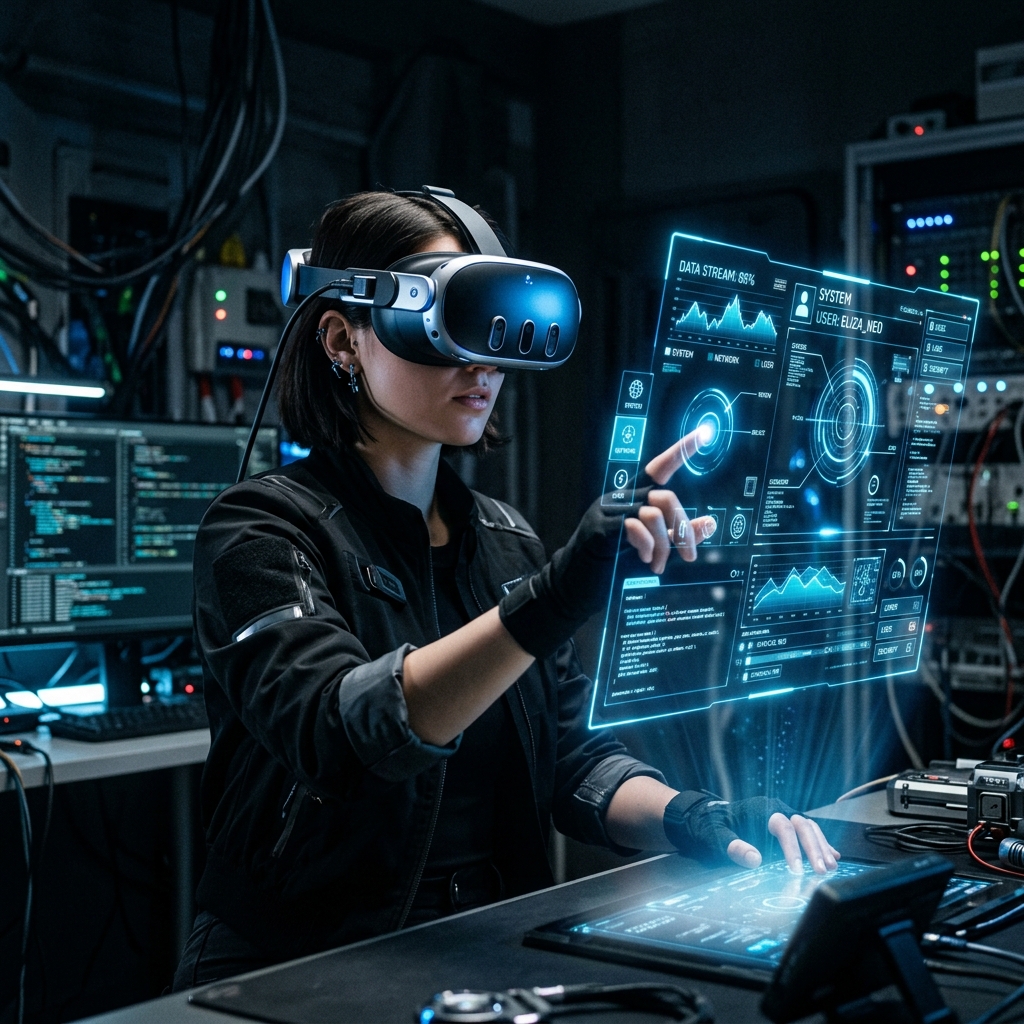
Avoiding God Rays and Reflections on VR Headsets with Fresnel Lenses
Virtual reality (VR) technology has made significant strides in recent years. However, challenges such as god rays and reflections can detract from the immersive experience.
This article explores how to effectively minimize these optical issues in VR headsets utilizing Fresnel lenses and glass view mirrors.
Understanding God Rays and Reflections
God rays are the bright streaks of light that can appear in VR environments, often caused by lens flare. These rays can interrupt immersion and lead to fatigue during prolonged use.
Reflections, on the other hand, can occur when light bounces off surfaces within the headset. Both phenomena can be mitigated through careful design and material choices.
The Role of Fresnel Lenses
Fresnel lenses are a popular choice in modern VR headsets due to their lightweight structure and thin profile. These lenses allow for a larger field of view while minimizing the bulkiness associated with traditional lenses.
The unique design of Fresnel lenses can help reduce distortions such as god rays. By optimizing the lens curvature and using high-quality materials, manufacturers can create a more enjoyable visual experience.
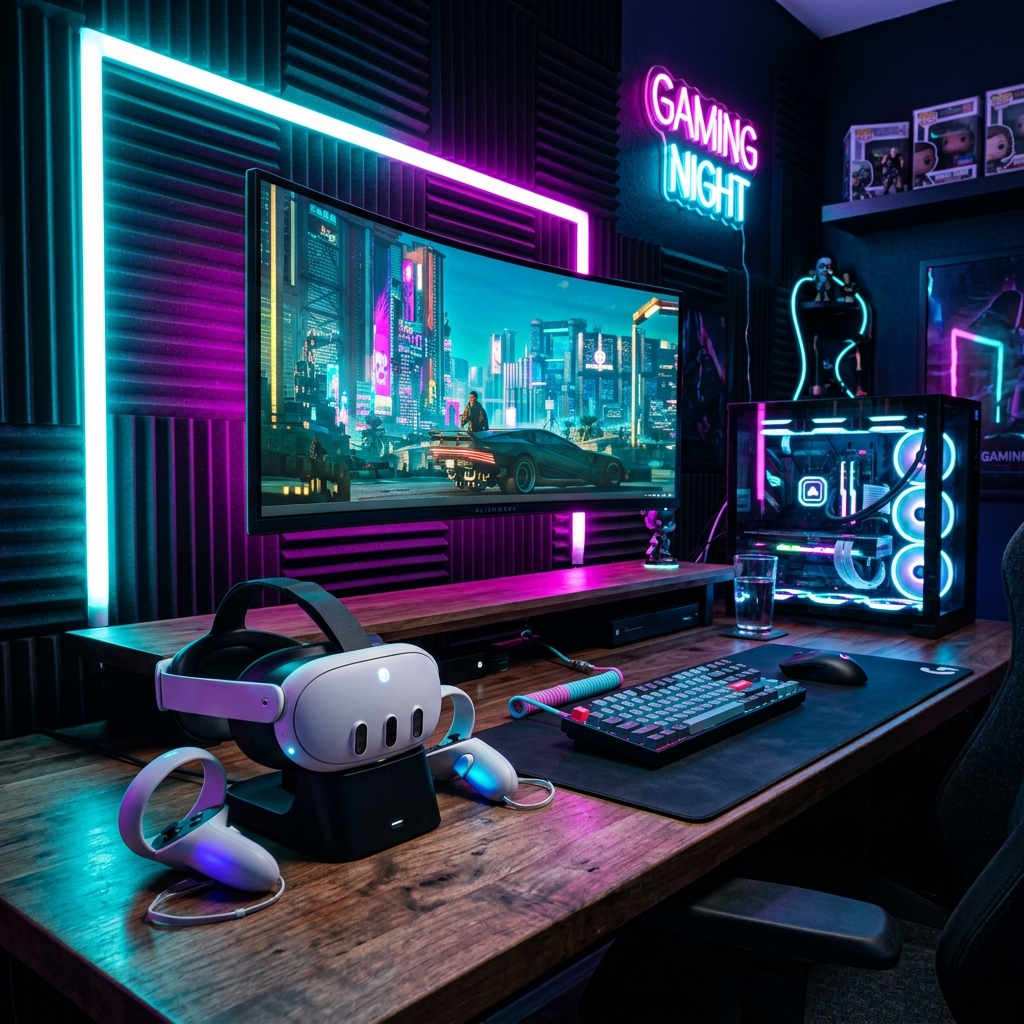
Glass View Mirrors: A Solution
Glass view mirrors can be integrated into VR headsets to combat reflections. These mirrors are designed to enhance optical clarity while minimizing unwanted light interference.
By positioning glass view mirrors strategically within the headset, reflections can be significantly reduced. This creates a more immersive and realistic experience for the user.
Comparison of Commercial VR Headsets
| VR Headset | Fresnel Lenses | Glass View Mirror | Field of View | Resolution |
|---|---|---|---|---|
| Meta Quest 3 | Yes | Yes | 110° | 2064 x 2208 per eye |
| Valve Index | Yes | No | 130° | 1440 x 1600 per eye |
| HTC Vive Pro 2 | No | Yes | 120° | 2448 x 2448 per eye |
| Pico Neo 3 | Yes | No | 90° | 1832 x 1920 per eye |
| Oculus Rift S | Yes | Yes | 110° | 2560 x 1440 |
Improving Your VR Experience
Choosing headsets with high-quality Fresnel lenses and glass view mirrors can drastically improve the VR experience. These elements play a vital role in minimizing optical distortions.
Furthermore, ensuring proper headset alignment and maintaining a clean lens will enhance clarity and decrease unwanted visual artifacts.
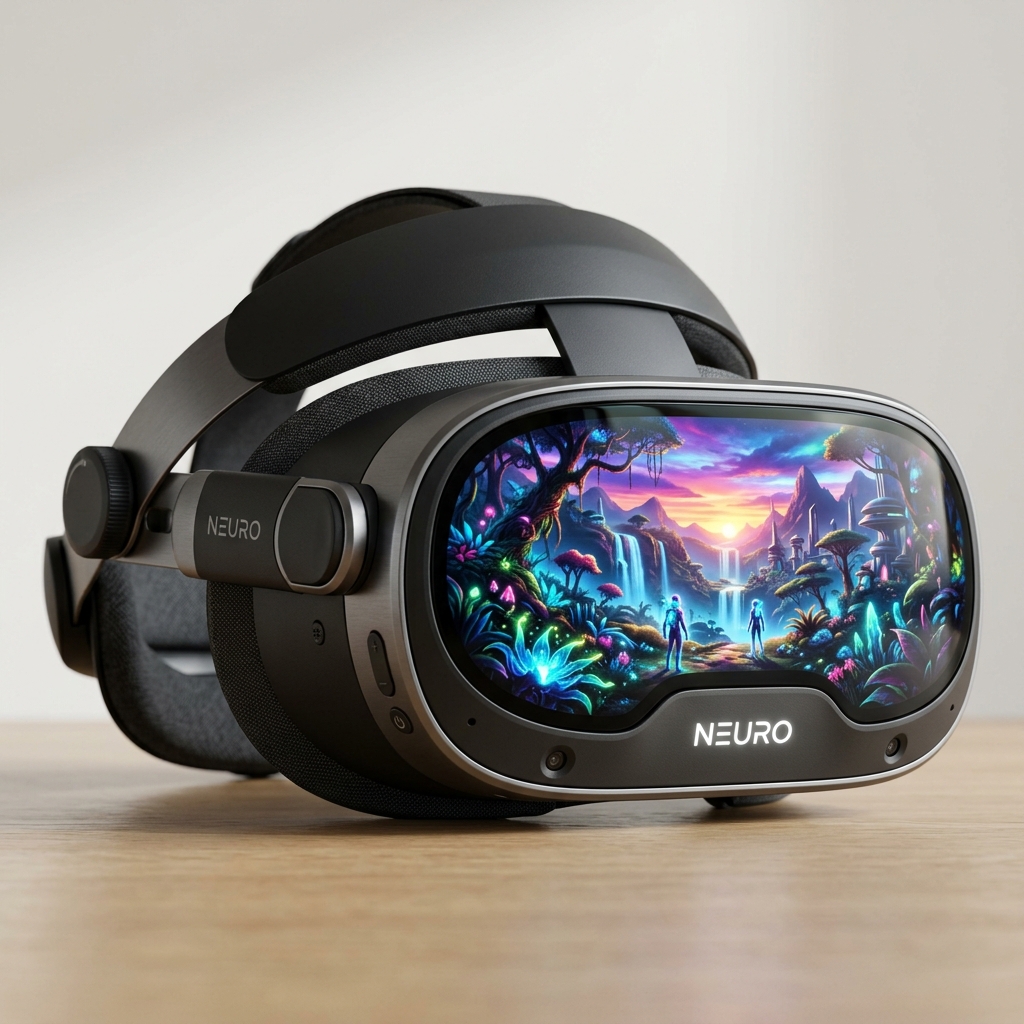
Additional Considerations
Environmental factors can also influence the visibility of god rays and reflections. Bright lighting in the room may exacerbate these issues.
Using VR in dimly lit environments can provide a more engaging experience. This helps to further reduce the impact of light interference.
Future of VR Lens Technology
Advancements in lens technology are continually being made. Research into new materials and designs holds promise for even better VR experiences.
As manufacturers innovate, the goal remains clear: to provide users with immersive, distraction-free environments.
Conclusion
By understanding and implementing strategies to minimize god rays and reflections, the VR experience can be significantly enhanced. The integration of Fresnel lenses and glass view mirrors is crucial in achieving this goal.
As the VR landscape continues to evolve, remaining informed about the latest technologies will ensure the best possible experience.
Frequently Asked Questions
What are god rays in VR?
God rays are bright streaks of light that appear in virtual reality environments, often caused by lens flare and optical distortions.
How do Fresnel lenses work?
Fresnel lenses utilize a series of concentric grooves to focus light while maintaining a thin profile, which allows for wider fields of view in VR headsets.
Can reflections affect VR immersion?
Yes, reflections can disrupt immersion by introducing unwanted light artifacts, making it essential to use quality lenses and mirrors.
What is the best VR headset for reducing optical issues?
Headsets like the Meta Quest 3 and Valve Index are designed with high-quality Fresnel lenses and glass view mirrors to minimize optical issues.
How can lighting affect VR experiences?
Bright lighting in the environment can exacerbate issues like god rays and reflections, so using VR in dimly lit spaces is recommended for optimal immersion.
Understanding God Rays in VR Headsets
God rays, or light artifacts, can detract from the immersive experience of virtual reality. These phenomena occur due to the lens design, particularly in headsets using Fresnel lenses.
Headsets like the Oculus Quest 2 and HTC Vive Pro are particularly susceptible to this issue. Recognizing the impact of God rays can help in seeking solutions to enhance visual clarity.
The Role of Fresnel Lenses
Fresnel lenses are designed to be lightweight and slim, which makes them popular in VR headsets. However, their unique structure can lead to unwanted reflections and light distortions.
Understanding how Fresnel lenses function helps in identifying the best practices for minimizing visual imperfections. This knowledge is essential for optimizing the VR experience.
Using Glass View Mirrors for Clarity
Glass view mirrors can significantly reduce the impact of God rays and reflections in VR headsets. By integrating these mirrors, users can achieve clearer visuals and a more enjoyable experience.
Implementing glass view mirrors effectively requires knowledge of the headset's design and compatibility. This approach can be particularly beneficial for users of the Valve Index and Pimax headsets.
Optimal Headset Positioning
Positioning the VR headset correctly can alleviate some issues related to God rays. Ensuring a snug fit can minimize light leakage and enhance visual fidelity.
Adjusting the headset's tilt and distance from the eyes is crucial for achieving the best results. Proper alignment can make a significant difference in the overall VR experience.
Choosing the Right Lighting
Ambient lighting plays a vital role in the perception of God rays during VR use. Avoiding overly bright environments can help reduce reflections and enhance clarity.
Using softer lighting options can improve the VR experience, especially for headsets like the PlayStation VR. Consideration of lighting conditions is essential for optimal performance.
Cleaning Your Lenses Regularly
Regular cleaning of the VR headset lenses can prevent the buildup of dust and smudges that contribute to visual disturbances. A microfiber cloth is ideal for maintaining lens clarity.
By keeping the lenses clean, users can minimize the appearance of God rays and reflections. This simple maintenance step is crucial for preserving the quality of the VR experience.
Software Adjustments and Updates
Many VR headsets offer software updates that can improve lens performance and reduce the visibility of God rays. Keeping the headset firmware updated is essential for optimal functionality.
Adjusting in-game settings such as brightness and contrast can also help mitigate reflections. Utilizing these software tools can enhance the overall clarity of the virtual environment.
Community Tips and Tricks
Engaging with online VR communities can provide valuable insights into minimizing God rays and reflections. Many users share effective strategies and modifications that enhance headset performance.
Exploring forums and social media groups dedicated to VR can yield tips tailored to specific models like the Meta Quest Pro and HP Reverb G2. Collaboration within the community can lead to improved experiences for all users.
Understanding God Rays and Reflections in VR Headsets
God rays and reflections are common optical artifacts encountered in virtual reality (VR) headsets equipped with Fresnel lenses. These phenomena can detract from the immersive experience, making it essential to understand how to minimize their impact.
What are God Rays?
God rays, also known as "light streaks," occur when light sources are viewed through lenses that have varying thicknesses. In VR headsets, this effect can manifest as bright streaks emanating from light sources, disrupting the user's visual experience.
Understanding Reflections in Fresnel Lenses
Reflections occur when light bounces off surfaces within the VR headset, leading to distracting visual artifacts. In headsets utilizing Fresnel lenses, reflections can become more pronounced due to the lens design.
Identifying VR Headsets with Fresnel Lenses
Many modern VR headsets utilize Fresnel lenses for their lightweight and compact design. Some popular examples include:
- Oculus Quest 2
- Valve Index
- HTC Vive Pro 2
- Pimax 8K X
Techniques to Avoid God Rays
Several methods can help reduce the appearance of god rays in VR environments. These solutions can be implemented in both hardware and software settings.
Adjusting IPD Settings
Inter-pupillary distance (IPD) settings allow users to adjust the distance between the lenses to fit their eye distance. Properly setting the IPD can minimize distortion and reduce the visibility of god rays.
Using Higher Quality Lenses
Some headsets offer the option to upgrade lenses. Investing in higher quality lenses can greatly reduce optical artifacts, including god rays and reflections.
Optimizing Lighting Conditions
Controlling the lighting in the physical space can help mitigate the effects of god rays. Reducing the brightness of light sources and avoiding direct light can improve the VR experience.
Mitigating Reflections in VR Headsets
Reflections can be minimized through various strategies, including adjustments to headset positioning and environmental changes.
Proper Headset Alignment
Ensuring that the headset is correctly aligned on the user's head can help reduce reflections. Misalignment can cause light to reflect improperly, leading to distracting artifacts.
Using Anti-Reflective Coatings
Some VR headsets can benefit from anti-reflective coatings on the lenses. These coatings help reduce glare and reflections, enhancing visual clarity.
Environmental Adjustments
Changing the environment in which the VR headset is used can also help reduce reflections. Minimizing shiny surfaces and ensuring proper ambient lighting can significantly improve the experience.
Comparing VR Headsets: God Rays and Reflections
Understanding the differences between various VR headsets can help users choose a model that minimizes these optical issues. The following table compares the performance of some popular VR headsets concerning god rays and reflections.
| VR Headset | God Rays | Reflections | Lens Type |
|---|---|---|---|
| Oculus Quest 2 | Moderate | Low | Fresnel |
| Valve Index | Low | Moderate | Fresnel |
| HTC Vive Pro 2 | Low | Moderate | Fresnel |
| Pimax 8K X | High | High | Fresnel |
Software Solutions to Reduce God Rays and Reflections
In addition to hardware adjustments, software settings can also play a significant role in minimizing optical artifacts in VR. These adjustments can be made in the VR headset settings or within specific applications.
Adjusting Rendering Settings
Many VR applications allow users to adjust rendering quality. Lowering the rendering settings can help reduce the intensity of god rays and reflections.
Implementing Anti-Aliasing Techniques
Using anti-aliasing techniques can smooth out edges and reduce the appearance of sharp artifacts. This can be particularly helpful in environments with high contrast, where god rays may be more noticeable.
Utilizing In-Game Settings
Some VR games and applications offer specific settings to control visual effects. Experimenting with these settings can help reduce the impact of god rays and reflections during gameplay.
Conclusion
Avoiding god rays and reflections in VR headsets equipped with Fresnel lenses requires a combination of hardware adjustments, environmental considerations, and software optimization. By implementing these strategies, users can enhance their VR experience and enjoy a more immersive environment.
With a better understanding of how these visual artifacts occur and the methods to mitigate them, users can make informed decisions about their VR setup. Ultimately, enhancing the visual clarity in VR leads to a more enjoyable and immersive experience.