How to Avoid God Rays and Reflections on VR Headsets with Fresnel Lenses (Glass View)
How to Avoid God Rays and Reflections on VR Headsets with Fresnel Lenses
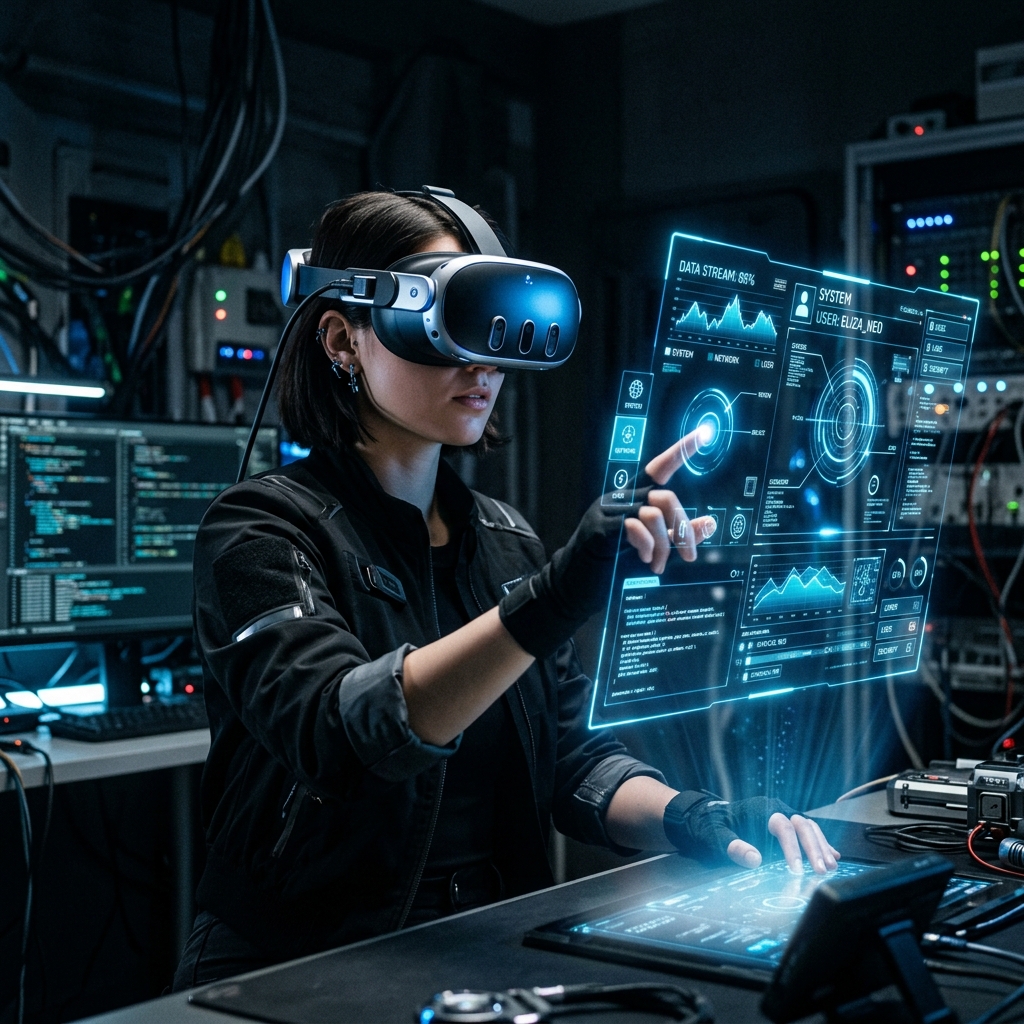
Virtual Reality (VR) technology has rapidly evolved, offering immersive experiences that were once thought impossible. However, the journey toward achieving perfect visual clarity is often hindered by common optical issues such as god rays and reflections.
These phenomena are particularly prevalent in VR headsets that utilize Fresnel lenses. Understanding how to mitigate these effects is crucial for both manufacturers and users.
Understanding God Rays and Reflections
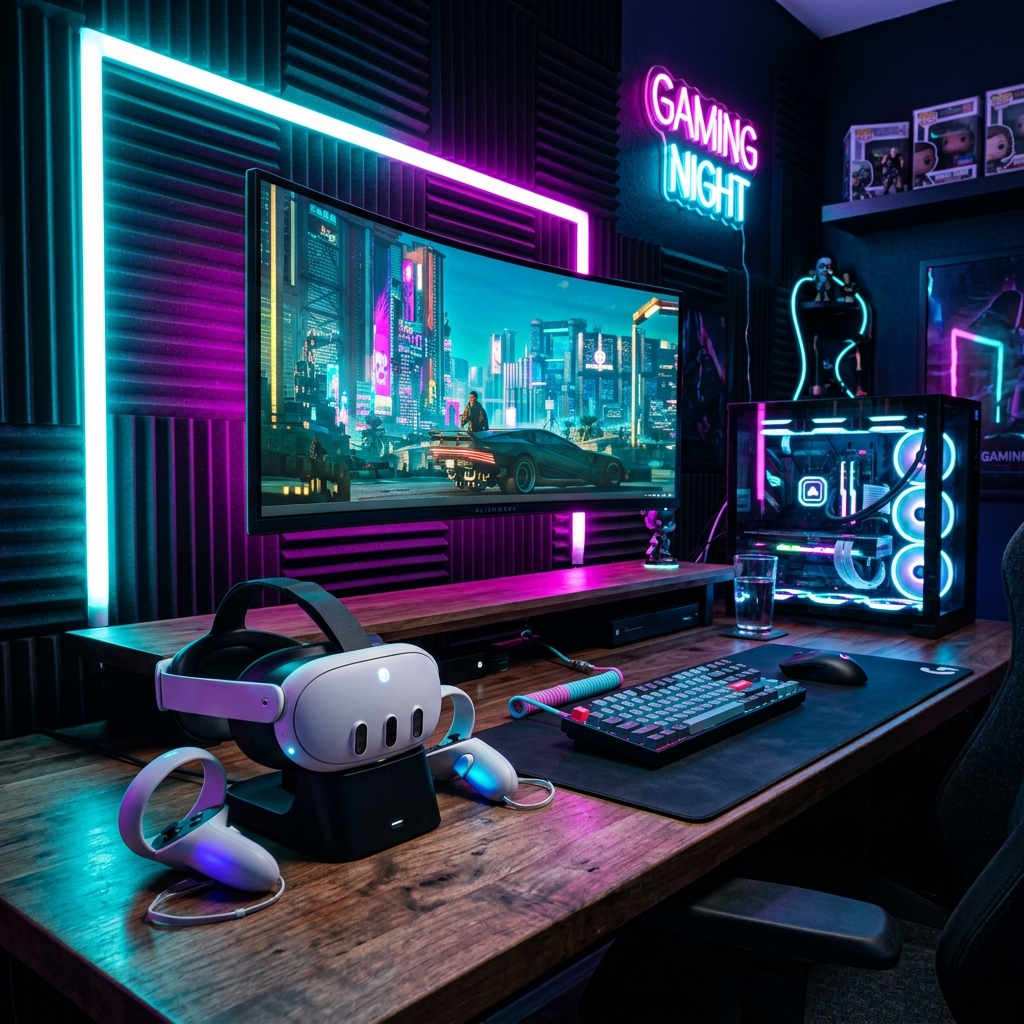
God rays, or lens flare, occur when light passes through the lens and scatters, creating bright streaks or halos. This effect can detract from the immersive experience and distract users from their virtual environment.
Reflections, on the other hand, happen when light bounces off the lens surfaces, causing unwanted images or distortions. Both of these issues can significantly impact the enjoyment of VR applications.
Fresnel Lenses: A Double-Edged Sword
Fresnel lenses are designed to be lightweight and compact, making them suitable for VR headsets. However, their unique structure can lead to increased susceptibility to optical artifacts.
The concentric grooves in Fresnel lenses can create uneven light distribution, contributing to the appearance of god rays and reflections. Careful design and placement of these lenses are essential to minimize such effects.
Techniques to Mitigate Optical Issues
Several strategies can be employed to reduce the impact of god rays and reflections in VR headsets with Fresnel lenses. These include:
- Optimizing lens coatings to reduce glare and reflections.
- Adjusting the focal length to enhance clarity while minimizing light scattering.
- Implementing shading techniques to block direct light from entering the lenses.
Comparison of Commercial VR Headsets
| Headset Model | Lens Type | Resolution | Field of View | Price |
|---|---|---|---|---|
| Meta Quest 3 | Fresnel | 2064 x 2208 per eye | 110 degrees | Buy Meta Quest 3 |
| Valve Index | Fresnel | 1440 x 1600 per eye | 130 degrees | $999 |
| HTC Vive Pro 2 | Fresnel | 2448 x 2448 per eye | 120 degrees | $799 |
| Pico 4 | Fresnel | 2160 x 2160 per eye | 105 degrees | $499 |
| PlayStation VR2 | Aspheric | 2000 x 2040 per eye | 110 degrees | $549 |
Innovations in Lens Technology
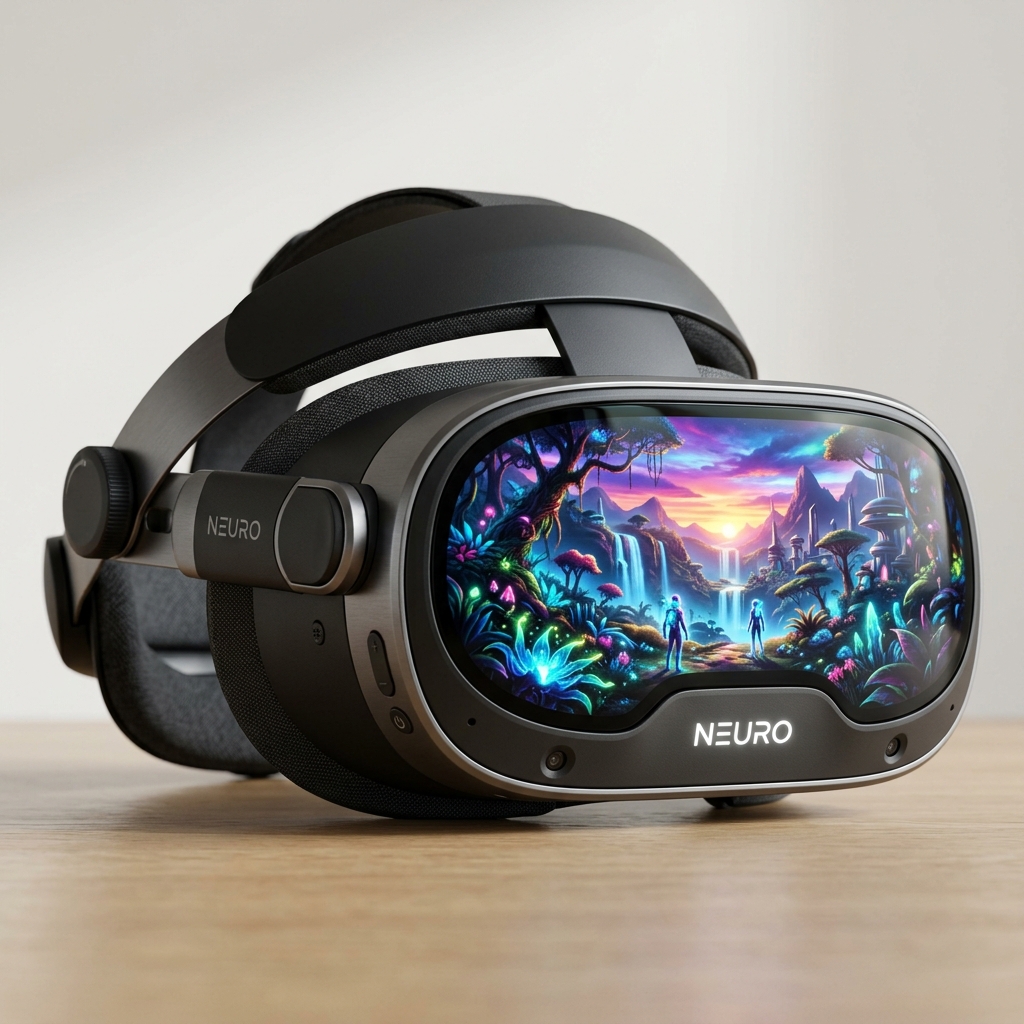
Recent advancements in lens technology are aimed at addressing the issues associated with Fresnel lenses. New coatings and designs can significantly reduce glare and reflections.
Additionally, manufacturers are exploring hybrid lens systems that combine the benefits of Fresnel and aspheric lenses to enhance visual performance.
User Considerations
When selecting a VR headset, consider the lens type and its associated optical properties. Understanding personal preferences and intended use cases can also guide the decision-making process.
Testing various headsets in-store or through demo experiences is highly advisable. This hands-on approach allows users to assess the visual clarity and comfort of different models.
Conclusion
Avoiding god rays and reflections in VR headsets equipped with Fresnel lenses is an ongoing challenge in the industry. Through a combination of innovative design, user awareness, and technological advancements, significant progress is being made.
Choosing the right VR headset can greatly enhance the overall experience. Users are encouraged to remain informed about the latest developments in lens technology and headset capabilities.

FAQ
What are god rays in VR headsets?
God rays are bright streaks of light that appear in VR due to lens flare, often caused by light scattering through the lens.
How can reflections be minimized in VR headsets?
Reflections can be minimized by using anti-reflective lens coatings and adjusting the headset's alignment with light sources.
Are Fresnel lenses better than traditional lenses for VR?
Fresnel lenses are lighter and thinner, making them suitable for VR, but they can introduce optical artifacts like god rays.
What should be considered when buying a VR headset?
Consider the lens type, resolution, field of view, and comfort level. Testing different models can also aid in making an informed choice.
How do I ensure a good VR experience for kids?
Ensure age-appropriate content, adjust headset settings for comfort, and supervise usage to create a safe VR environment for children.
Understanding God Rays and Reflections
God rays and reflections can significantly impact the virtual reality experience. These optical artifacts occur when light refracts through the Fresnel lenses used in many VR headsets.
Awareness of these phenomena is crucial for optimizing visual clarity in VR. By understanding their causes, users can take steps to mitigate these effects.
Choosing the Right VR Headset
Selecting a VR headset with high-quality optics can help reduce the occurrence of god rays. Models like the Valve Index and the HTC Vive Pro are known for their superior lens design.
Investing in a headset with better lens technology can lead to a more immersive experience. Consider researching user reviews that discuss experiences with lens-related issues.
Adjusting the IPD Settings
Inter-pupillary distance (IPD) settings play a significant role in minimizing visual artifacts. Properly adjusting the IPD on headsets like the Oculus Quest 2 can enhance clarity and reduce reflections.
It is essential to find the right IPD for individual eye spacing to optimize how light interacts with the lenses. This simple adjustment can make a noticeable difference in the VR experience.
Optimizing Lighting Conditions
The environment's lighting can exacerbate god rays and reflections. Using VR in well-balanced lighting conditions can help mitigate these optical issues.
Avoiding direct bright lights behind or around the user can enhance the visual quality. Experimenting with different lighting setups may yield the best results when using VR headsets.
Utilizing Anti-Reflective Coatings
Some VR headsets come with anti-reflective coatings on their lenses. This feature can significantly reduce glare and enhance the overall visual experience.
If using a headset without this coating, consider applying aftermarket lens protectors designed to minimize reflections. These can provide an extra layer of protection against optical artifacts.
Maintaining Lens Cleanliness
Keeping VR headset lenses clean is essential for optimal performance. Dust, smudges, and fingerprints can amplify god rays and reflections.
Regularly cleaning the lenses with appropriate materials can enhance clarity. Use microfiber cloths and lens cleaning solutions designed for optics to maintain the best quality.
Exploring Lens Modifications
Some VR enthusiasts explore lens modifications to improve optical performance. Upgrading to custom lenses may help in reducing god rays and reflections.
Researching aftermarket lens options specific to models like the Pimax 8K X can provide solutions tailored for enhanced clarity. These modifications can transform the VR experience for users seeking better visuals.
Feedback from the VR Community
Engaging with the VR community can provide valuable insights into avoiding optical issues. Forums and discussion groups often share tips and tricks that can lead to improved headset performance.
Participating in user feedback can help identify effective strategies for reducing reflections and god rays. Learning from others’ experiences can facilitate a more enjoyable VR journey.
Understanding God Rays and Reflections in VR Headsets
God rays and reflections can significantly impact the virtual reality experience. They can distract users and detract from immersion, making it essential to understand how to avoid them, especially with headsets that utilize Fresnel lenses.
What Are God Rays?
God rays, also known as "light rays," occur when light passes through small openings or reflects off surfaces. In VR headsets, they manifest as bright streaks of light that can distort the user's field of view.
The Role of Fresnel Lenses
Fresnel lenses are designed to be thinner and lighter than traditional glass lenses, making them ideal for VR headsets. However, they can also contribute to the visibility of god rays if not properly designed or used.
Common VR Headsets Using Fresnel Lenses
| VR Headset | Lens Type | God Ray Issues |
|---|---|---|
| Oculus Quest 2 | Fresnel | Moderate |
| Valve Index | Fresnel | Low |
| HTC Vive Pro 2 | Fresnel | High |
| Pimax 8K X | Fresnel | Moderate |
Tips to Avoid God Rays in VR
- Adjust IPD Settings: Properly setting the interpupillary distance (IPD) can help reduce the visibility of god rays. Each headset has specific guidelines for adjustment.
- Optimize Brightness Levels: Lower brightness settings can minimize the occurrence of god rays. Test different settings to find the most comfortable balance.
- Use Anti-Reflective Coatings: Some headsets come with anti-reflective coatings on the lenses. If available, ensure they are clean and free of scratches.
- Avoid Direct Lighting: Reduce ambient light in the environment. Positioning the headset away from direct light sources can help mitigate reflections.
Cleaning Lenses Properly
Dirty lenses can exacerbate god rays and reflections. Use a microfiber cloth to clean the lenses gently, avoiding harsh chemicals that may damage the coating.
Technical Adjustments and Enhancements
Some VR headsets offer software settings that can help reduce the effects of god rays. Users should explore these options in the settings menu of their device.
Modifications and Upgrades
For advanced users, considering aftermarket lens upgrades can improve visual clarity and reduce god rays. Several companies specialize in creating custom lens solutions for popular VR headsets.
Using VR with Different Environments
The environment in which VR is used can also affect the visibility of god rays. Darker rooms tend to minimize distractions from light sources.
Understanding Reflections in VR
Reflections can also be problematic in VR, particularly when the headset lenses reflect light from the user’s surroundings. This is particularly noticeable in bright environments.
Preventing Reflections
- Choose a Suitable Environment: Using VR in a controlled environment with minimal reflective surfaces can reduce unwanted reflections.
- Adjust the Fit of the Headset: A well-fitted headset can reduce the chance of reflections by ensuring that the lenses are positioned correctly relative to the user’s eyes.
Considerations for Specific Headsets
Different headsets have varying susceptibility to reflections. For instance, the Oculus Quest 2 may experience more reflections due to its lens design compared to the Valve Index.
Testing and Feedback
After making adjustments, it is beneficial to test the headset in various lighting conditions. Gathering feedback from other users can also provide insights into effective strategies for minimizing god rays and reflections.
Community Resources
Online forums and communities dedicated to VR can be invaluable resources. Users often share tips and tricks specific to particular headsets and configurations.
Conclusion
Avoiding god rays and reflections in VR headsets with Fresnel lenses requires a combination of proper settings, environmental considerations, and maintenance. By following these guidelines, users can enhance their virtual reality experience significantly.
Understanding Fresnel Lens Technology
Fresnel lenses are designed to be lightweight and compact, making them ideal for VR headsets. The unique structure allows for a wide field of view without the bulkiness of traditional glass lenses.
These lenses can reduce the overall weight of VR devices like the Oculus Quest 2 and HTC Vive Pro, enhancing user comfort during extended sessions. Understanding how they work helps users appreciate the technology behind immersive experiences.
While Fresnel lenses offer many advantages, they can also introduce challenges like god rays and reflections. Being aware of these issues prepares users for an enhanced virtual reality journey.
VR Headset Models to Consider
Several VR headset models incorporate Fresnel lens technology, each with unique features. The Valve Index is known for its high-quality optics and impressive refresh rates, making it a favorite among enthusiasts.
Another excellent option is the PlayStation VR2, which combines advanced lens design with a user-friendly interface, catering to both gamers and casual users. Each headset brings something different to the table, ensuring there's a fit for everyone.
Exploring these models provides insight into how Fresnel lenses can enhance the VR experience. Selecting the right headset can significantly influence comfort and image quality.
Tips for Optimizing Your VR Experience
Optimizing the VR experience goes beyond hardware; it also includes software settings. Adjusting the interpupillary distance (IPD) can significantly improve visual clarity and reduce discomfort.
Regularly updating the headset software ensures users benefit from the latest performance enhancements and fixes. This practice can mitigate issues related to god rays and reflections.
Moreover, utilizing third-party applications designed to enhance VR visuals can result in a more enjoyable experience. Investing time in setup and configuration pays off with immersive and engaging virtual environments.