How to Avoid God Rays and Reflections on VR Headsets with Fresnel Lenses (View)
How to Avoid God Rays and Reflections on VR Headsets with Fresnel Lenses
Virtual reality (VR) has transformed gaming and immersive experiences. However, certain optical phenomena, such as god rays and reflections, can detract from the experience. Understanding the role of Fresnel lenses in VR headsets is essential in mitigating these issues.
Fresnel lenses are designed to reduce the bulk and weight of traditional lenses while maintaining optical performance. They consist of a series of concentric grooves that allow for a thinner profile, which is advantageous in compact VR headsets.
The Challenge of God Rays
God rays occur when bright light sources scatter through the lens, creating unwanted streaks of light. This often happens in high-contrast scenes, where bright elements are juxtaposed against dark backgrounds.
To minimize god rays, manufacturers employ various techniques, including optimizing the lens shape and adjusting the light path. Proper alignment of the Fresnel lens is crucial to ensure that light is directed correctly.
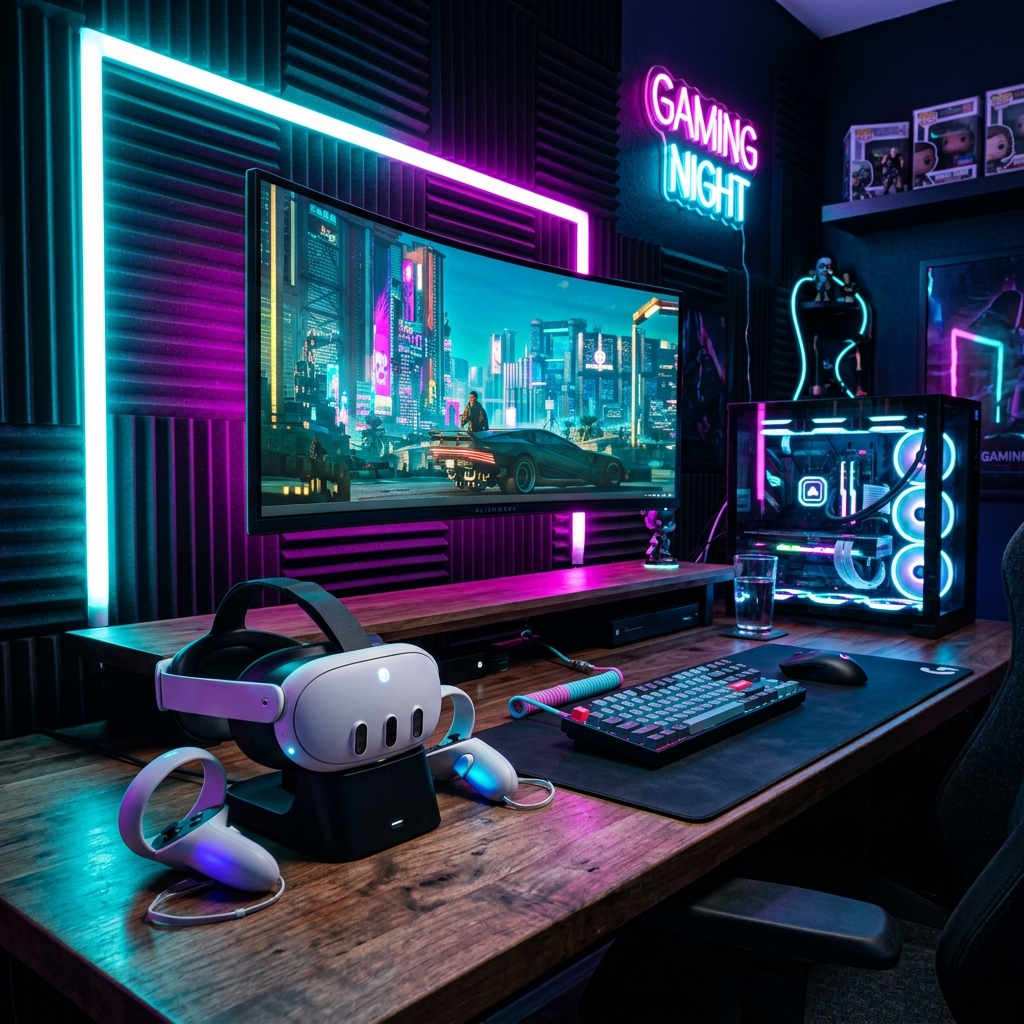
Reflections and Their Impact
Reflections can be equally disruptive in VR. They occur when light reflects off surfaces within the headset, leading to distracting artifacts. The design of the headset plays a significant role in controlling reflections.
Fresnel lenses can exacerbate reflections if not correctly implemented. The use of anti-reflective coatings can help in minimizing reflections, enhancing the overall user experience.
Comparison of Commercial VR Headsets
| VR Headset | Lens Type | Resolution | Refresh Rate | Field of View | Price |
|---|---|---|---|---|---|
| Meta Quest 3 | Fresnel | 2064 x 2208 per eye | 120 Hz | 110 degrees | buy Meta Quest 3 |
| Valve Index | Fresnel | 1440 x 1600 per eye | 144 Hz | 130 degrees | $999 |
| HTC Vive Pro 2 | Fresnel | 2448 x 2448 per eye | 120 Hz | 120 degrees | $799 |
| Pico 4 | Fresnel | 2160 x 2160 per eye | 90 Hz | 105 degrees | $499 |
| Sony PlayStation VR2 | Fresnel | 2000 x 2040 per eye | 120 Hz | 110 degrees | $549 |
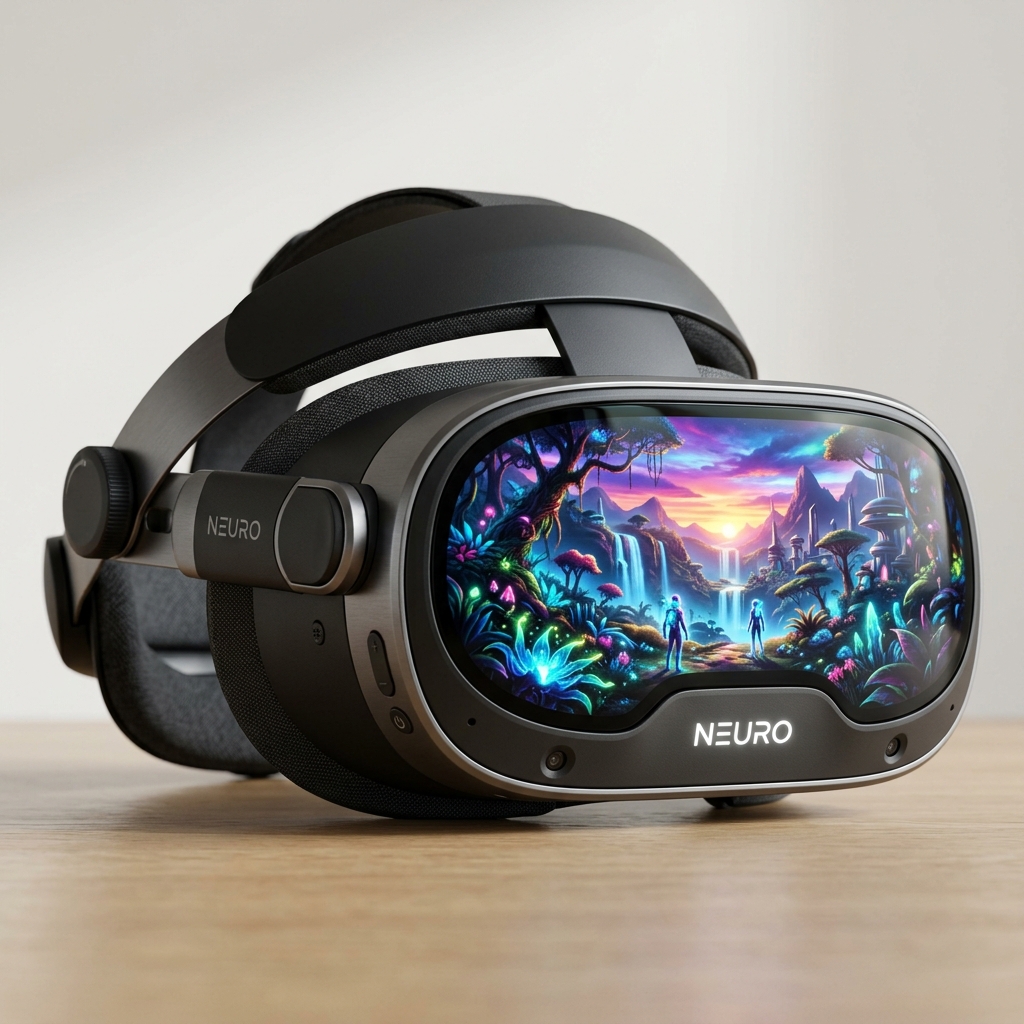
Optimal Lens Design Strategies
To effectively reduce god rays and reflections, several strategies can be employed in lens design. Utilizing aspherical surfaces can help in controlling light more effectively than standard Fresnel lenses.
Additionally, enhancing the edge thickness of the lens can reduce light scattering, thus minimizing visual artifacts. Collaborating with optical engineers can yield significant improvements in the design process.
Future of VR Lens Technology
The future of VR headset technology is promising, with ongoing research aimed at improving lens performance. Innovations in materials and coatings will likely lead to enhanced visual clarity and reduced optical distortions.
As the VR market grows, so will the competition to deliver superior visual experiences. This will drive advancements in Fresnel lens technology, benefiting all users.

Conclusion
In summary, avoiding god rays and reflections in VR headsets involves a meticulous approach to lens design. Fresnel lenses, while advantageous, require careful implementation to ensure the best user experience.
As technology continues to evolve, the focus on optical performance will only increase. Staying informed about advancements in lens technology will prove beneficial for both manufacturers and users alike.
Frequently Asked Questions
What are god rays in VR headsets?
God rays are visual artifacts that appear as streaks of light when bright sources scatter through the lens.
How do Fresnel lenses work in VR?
Fresnel lenses use concentric grooves to reduce thickness while maintaining optical performance, helping to create a lighter headset.
What causes reflections in VR headsets?
Reflections occur when light bounces off surfaces within the headset, leading to distracting visual elements during use.
Can lens coatings help reduce optical issues?
Yes, anti-reflective coatings can significantly minimize reflections and enhance visual clarity in VR headsets.
What is the future of VR lens technology?
The future looks bright, with ongoing innovations expected to improve lens performance, reducing optical distortions and enhancing user experiences.
Understanding God Rays in VR
God rays, or light streaks, occur when light passes through the Fresnel lenses of VR headsets. This phenomenon can detract from the immersive experience, making it crucial to understand its causes.
Fresnel lenses, while lightweight and compact, can produce artifacts that create god rays. These artifacts result from the way light interacts with the lens surface.
Reflection Issues in VR Headsets
Reflections within VR headsets can lead to distractions, pulling users out of the virtual world. Even minimal reflections can significantly impact immersion and realism.
Different headset designs, such as the Oculus Quest 2 and Valve Index, exhibit varying levels of reflection interference. Awareness of these differences can assist in making informed choices.
Adjusting IPD Settings
Interpupillary distance (IPD) settings play a critical role in minimizing god rays and reflections. Properly adjusting IPD ensures that lenses align correctly with the user's eyes.
Most modern VR headsets, like the HTC Vive Pro, offer adjustable IPD settings. Taking the time to find the optimal setting can greatly enhance visual clarity.
Lens Cleaning Techniques
Keeping Fresnel lenses clean is essential for reducing reflections and maintaining optimal visual quality. Smudges and dirt can exacerbate light distortions, leading to more pronounced god rays.
Use microfiber cloths for cleaning lenses, as they prevent scratches and preserve clarity. Regular maintenance ensures an uninterrupted VR experience.
Choosing the Right Headset
Selecting a VR headset with high-quality optics can minimize issues with god rays and reflections. Models like the Pimax 8K X feature advanced lens technology to enhance visual fidelity.
Researching user reviews and expert opinions can provide insights into the performance of various headsets. A well-informed choice can lead to a more enjoyable VR experience.
Virtual Environment Considerations
The design of the virtual environment plays a role in the perception of god rays and reflections. Bright light sources in VR can amplify these effects, impacting immersion.
Designers often aim to create balanced lighting within virtual spaces to mitigate unwanted visual artifacts. Ensuring environments are optimized can enhance overall user satisfaction.
Software Adjustments
Many VR systems offer software settings that can help reduce the impact of god rays and reflections. Adjusting brightness and contrast settings may alleviate some visual disruptions.
Keeping software up to date ensures access to the latest features and fixes that can improve visual performance. Regular updates contribute to an enhanced VR experience.
User Feedback and Community Insights
Engaging with the VR community can provide valuable insights into minimizing god rays and reflections. Online forums and groups often share tips and tricks for troubleshooting visual issues.
Learning from others’ experiences can lead to discovering effective solutions tailored to specific headsets. Community wisdom can enhance personal VR experiences significantly.
Understanding God Rays in VR Headsets
God rays, also known as lens flare, are a common issue in virtual reality (VR) headsets that utilize Fresnel lenses. These artifacts occur when bright light sources scatter through the lens, creating unwanted visual effects that can disrupt immersion.
What Causes God Rays?
God rays are primarily caused by the design of Fresnel lenses. These lenses consist of concentric rings that help reduce weight and thickness, but they can also lead to light scattering, particularly when viewing bright objects against a dark background.
Popular VR Headsets with Fresnel Lenses
| VR Headset | Fresnel Lens Type | God Ray Issue |
|---|---|---|
| Oculus Quest 2 | Standard Fresnel | Moderate |
| HTC Vive Pro 2 | Custom Fresnel | Low |
| Valve Index | Hybrid Fresnel | Minimal |
| Pimax 8K X | Wide Field Fresnel | Higher |
Strategies to Minimize God Rays
Several strategies can be employed to minimize the occurrence of god rays in VR experiences. These methods range from hardware adjustments to software settings.
1. Adjusting Brightness Settings
Reducing the brightness of the display can help minimize the intensity of god rays. Lower brightness levels can help reduce light scattering through the lenses.
2. Choosing the Right Environment
Using VR in well-lit environments can help reduce the contrast between bright objects and dark backgrounds. This balance can mitigate the appearance of god rays.
3. Lens Cleaning
Regularly cleaning the lenses can reduce artifacts caused by dust and smudges. A microfiber cloth can help keep the lenses clear and reduce any unwanted reflections.
Understanding Reflections in VR
Reflections can also be a concern when using VR headsets, particularly those with Fresnel lenses. These reflections can detract from the immersive experience.
Causes of Reflections
Reflections occur due to light bouncing off the surface of the lenses, similar to how light can reflect off a window. This can create distractions and visual artifacts during gameplay.
Common VR Headsets and Reflection Issues
| VR Headset | Reflection Severity |
|---|---|
| Oculus Rift S | Moderate |
| Samsung Odyssey+ | Low |
| HP Reverb G2 | High |
Tips for Reducing Reflections
Several practical methods can be implemented to reduce reflections in VR headsets, enhancing the overall experience.
1. Anti-Reflective Coatings
Some VR headsets come equipped with anti-reflective coatings on their lenses. Choosing headsets with this feature can significantly reduce reflections and improve clarity.
2. Use of Headset Covers
Using a headset cover or face pad can help shield the lenses from ambient light. This can minimize reflections caused by external light sources.
3. Adjusting Viewing Angles
Adjusting the angle of the headset can also help reduce reflections. Finding the optimal position may eliminate unwanted glare.
Advanced Solutions for God Rays and Reflections
For those seeking advanced solutions, consider these options to further enhance visual quality in VR.
1. Upgrading to Higher Quality Lenses
Some users opt to replace the Fresnel lenses in their VR headsets with higher quality alternatives. These upgraded lenses can provide a clearer view and reduce both god rays and reflections.
2. Software Adjustments
Many VR applications allow users to adjust graphics settings, which can help mitigate the appearance of god rays. Tweaking these settings can lead to a smoother, more enjoyable experience.
The Role of Software in Enhancing VR Experience
Software plays a crucial role in the VR experience. Developers continuously work on optimizing their applications to reduce visual artifacts.
1. Game Optimization
Some VR games are designed with special settings to minimize god rays and reflections. Users should explore the settings menu for options that enhance visual clarity.
2. Utilizing VR Filters
VR filters can be applied in certain applications to adjust the way light interacts with the lenses. This can lead to a more immersive experience by reducing distractions caused by reflections and god rays.
Conclusion
Understanding and mitigating god rays and reflections in VR headsets equipped with Fresnel lenses is essential for an immersive experience. By employing various strategies, users can enhance their virtual reality encounters and enjoy clearer visuals.
Final Thoughts
As VR technology continues to evolve, advancements in lens design and software optimization will further reduce these visual artifacts. Staying informed about the latest developments will ensure an optimal VR experience.
Understanding the Role of Lens Coatings in VR Headsets
Lens coatings play a crucial role in minimizing unwanted reflections and enhancing the clarity of visuals in VR headsets. Popular models like the Oculus Quest 2 and HTC Vive Pro utilize specialized coatings to improve the overall user experience.
These coatings can reduce glare and prevent light scattering, which is essential for maintaining immersion in virtual environments. By selecting headsets with advanced lens coatings, users can significantly reduce distractions caused by god rays.
Investing in a VR headset with high-quality lens coatings can greatly enhance image quality and comfort during extended use. Models such as the Sony PlayStation VR also benefit from innovative coatings that provide a clearer viewing experience.
Adjusting IPD for Optimal VR Experience
Inter-pupillary distance (IPD) adjustment is vital for achieving the best visual clarity in VR headsets. Many newer models, like the Valve Index, offer customizable IPD settings to accommodate various users.
Properly adjusting the IPD can help reduce the appearance of god rays and improve overall image sharpness. Ensuring the headset fits well and is aligned with the user's eyes can make a significant difference in comfort and immersion.
It is recommended to experiment with IPD settings before diving into games or experiences. This simple adjustment can enhance enjoyment and reduce eye strain during prolonged sessions.
Exploring Advanced Anti-Reflection Technologies
Advanced anti-reflection technologies are becoming increasingly common in modern VR headsets. Devices like the HP Reverb G2 incorporate cutting-edge technology to help combat reflections and improve the visual experience.
These technologies can effectively diminish the effects of light scattering and enhance colors, making virtual environments more vibrant. Users looking for high-fidelity visuals should consider headsets with these innovations for the best performance.
As the VR industry continues to evolve, the incorporation of such technologies will likely become standard in future models. Staying informed about these advancements can help users make educated choices when purchasing a headset.