How to Avoid God Rays and Reflections on VR Headsets with Fresnel Lenses (Clear)
Avoiding God Rays and Reflections on VR Headsets with Fresnel Lenses
Virtual reality has revolutionized the way experiences are consumed, providing immersive environments that captivate users. However, challenges such as god rays and reflections can detract from the overall experience.
This article explores solutions to mitigate these visual artifacts, especially in VR headsets utilizing Fresnel lenses. Understanding the underlying technology can enhance your VR journey significantly.
Understanding God Rays and Reflections
God rays are the bright streaks of light that appear when light passes through a lens, often noticed in dark scenes. These anomalies can disrupt immersion and make the virtual environment less enjoyable.
Reflections can also pose a problem, particularly in environments with high contrast. Addressing these issues requires a multifaceted approach that involves lens design and positioning.
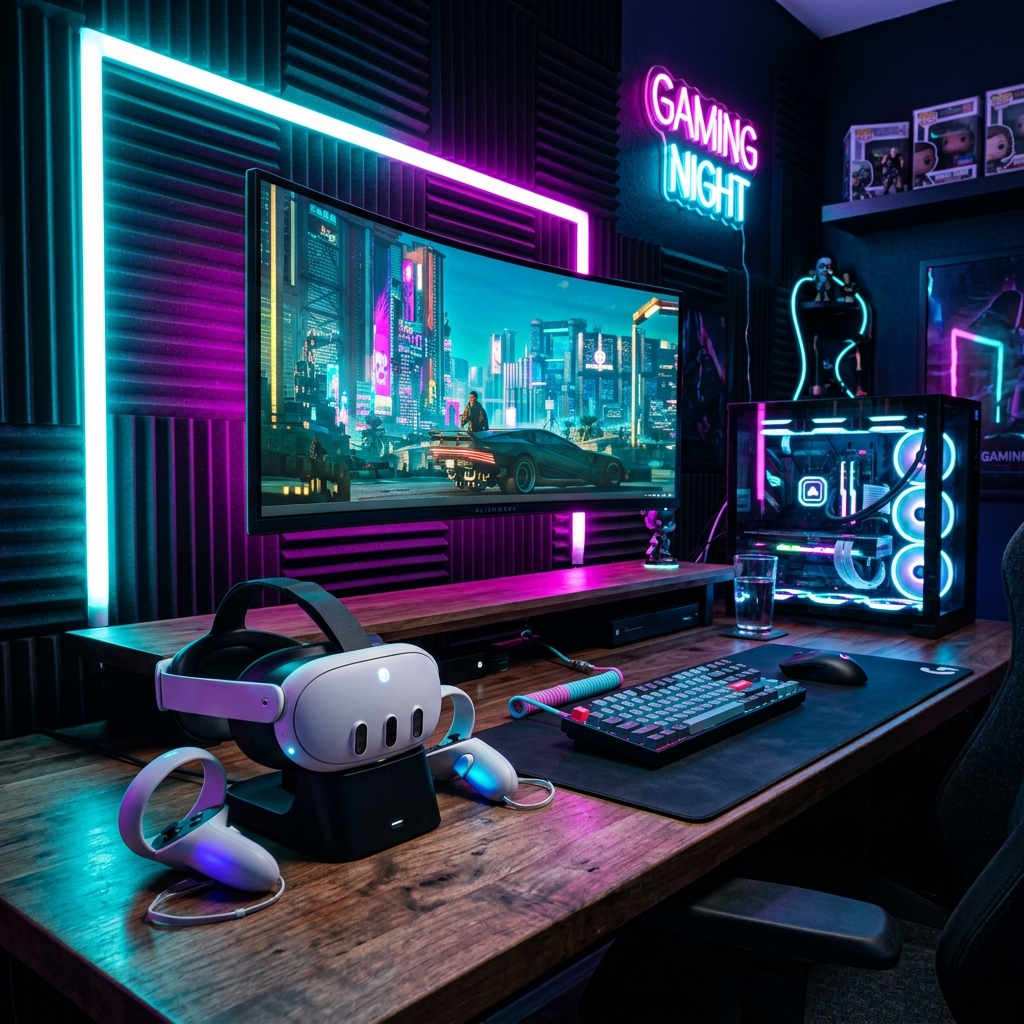
Fresnel Lenses Explained
Fresnel lenses, named after the French engineer Augustin-Jean Fresnel, are designed to focus light more efficiently than traditional lenses. Their unique structure allows for thinner and lighter designs, which are ideal for VR headsets.
However, the trade-off is that Fresnel lenses can also amplify issues like god rays and reflections due to their design. Understanding how to minimize these effects is crucial.
Strategies for Minimizing God Rays and Reflections
Several strategies can be employed to reduce the impact of god rays and reflections in VR headsets:
- Proper Lens Coating: Anti-reflective coatings can significantly diminish reflections and enhance clarity.
- Optimal Eye Relief: Adjusting the distance between the eyes and lenses can help in reducing the intensity of light artifacts.
- Environment Design: Developers can design virtual environments with lower contrasts to lessen the visibility of god rays.
- Quality of Lenses: Investing in headsets with high-quality Fresnel lenses can lead to a better visual experience.
Commercial VR Headsets Comparison
| Headset | Fresnel Lenses | Resolution | Refresh Rate | Field of View |
|---|---|---|---|---|
| Meta Quest 3 | Yes | 2064 x 2208 per eye | 120 Hz | 110° |
| Valve Index | Yes | 1440 x 1600 per eye | 120 Hz | 130° |
| HTC Vive Pro 2 | Yes | 2448 x 2448 per eye | 120 Hz | 120° |
| Pico 4 | Yes | 2160 x 2160 per eye | 90 Hz | 105° |
| Oculus Rift S | Yes | 2560 x 1440 | 80 Hz | 110° |
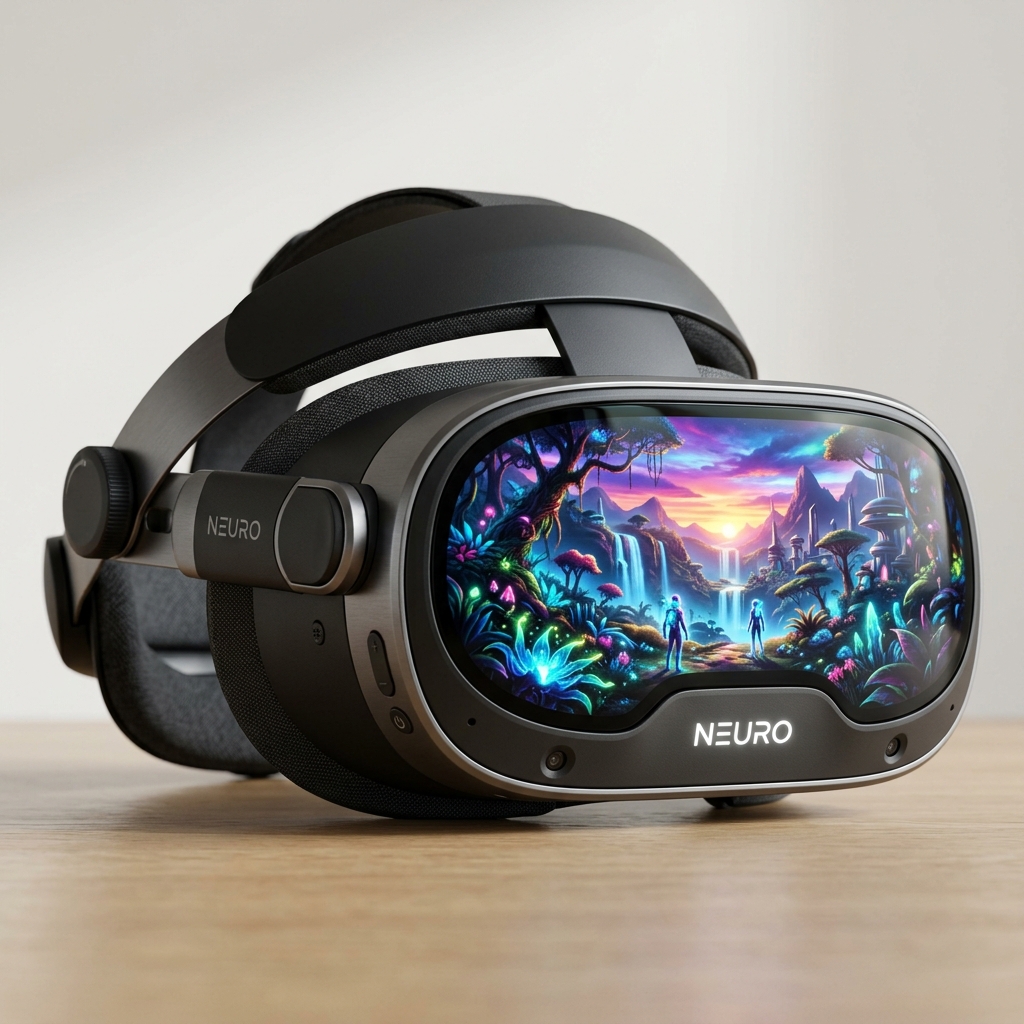
When considering a VR headset, examining the specifications can help in making an informed choice. For instance, buying Meta Quest 3 offers advanced Fresnel lens technology with high resolution and refresh rates.
Future of VR Lens Technology
As the VR industry progresses, further advancements in lens technology are anticipated. Innovations may focus on minimizing visual artifacts while enhancing clarity and comfort.
Research into alternative lens designs and enhancements in coating technology might lead to next-generation headsets that offer stunning visuals without the drawbacks.
Conclusion
A comprehensive understanding of Fresnel lenses and their impact on VR experiences can lead to a more enjoyable journey. By applying the strategies outlined, users can significantly reduce the impact of god rays and reflections.
The future of VR holds immense potential, and addressing these challenges will be key to unlocking even more immersive experiences.
FAQ Section
What are god rays in VR?
God rays are bright streaks of light seen in VR, especially in darker scenes, caused by light scattering through the lenses.
How do Fresnel lenses work?
Fresnel lenses consist of a series of concentric grooves that allow them to focus light efficiently while being thinner and lighter than traditional lenses.
What can be done to minimize reflections in VR?
Using anti-reflective coatings, adjusting eye relief, and designing environments with lower contrast can help minimize reflections.
Are all VR headsets affected by god rays?
While many VR headsets with Fresnel lenses can experience god rays, the severity varies based on lens quality and design.
How important is lens quality in VR headsets?
Lens quality is crucial as it directly affects clarity, immersion, and the presence of visual artifacts like god rays and reflections.
Understanding God Rays and Reflections
God rays and reflections can significantly diminish the VR experience, creating distractions during immersive gameplay. These optical phenomena are often caused by the lens design, particularly in headsets utilizing Fresnel lenses.
Fresnel lenses are designed to be lightweight and compact, but they can also lead to unwanted visual artifacts. Understanding how these lenses work is essential for addressing the issues they may cause.
Identifying the specific VR headset being used can help pinpoint the extent of these issues. Popular models like the Oculus Quest 2 and Valve Index exhibit varying degrees of god rays depending on their lens configuration.
Adjusting VR Headset Settings
Many VR headsets come with adjustable settings that can help minimize the appearance of god rays and reflections. These settings may include brightness adjustments, lens distance, and even software updates.
Experimenting with the interpupillary distance (IPD) can lead to a more comfortable and clearer vision. Proper alignment of the lenses with your eyes plays a crucial role in reducing optical distortions.
Ensure that the headset is correctly positioned on the head to achieve optimal visual clarity. A snug fit can prevent light leakage, which is often a contributor to reflections.
Utilizing Anti-Reflective Coatings
Some VR headsets feature anti-reflective coatings that can significantly reduce reflections. These coatings work by minimizing glare from external light sources, enhancing the overall visual experience.
When purchasing a VR headset, consider models that specifically mention anti-reflective properties, such as the HP Reverb G2. This feature can be a game-changer for users sensitive to reflections.
Regularly cleaning the lenses with appropriate materials can also help maintain these coatings. Proper care ensures that the anti-reflective properties remain effective over time.
Upgrading Lens Options
For some VR headsets, aftermarket lens upgrades are available that can improve visual quality and reduce god rays. These custom lenses can be designed to fit specific models like the HTC Vive Pro and may offer enhanced optical performance.
Researching compatible lens options and user reviews can provide insights into the effectiveness of these upgrades. Many users have reported a noticeable decrease in optical artifacts after making the switch.
Investing in high-quality lenses may be a worthwhile consideration for serious gamers and VR enthusiasts seeking an optimized experience. Enhanced clarity and reduced reflections can lead to greater immersion.
Lighting Conditions Matter
The environment in which VR is used can greatly impact the visibility of god rays. Poor lighting or bright ambient light can exacerbate reflections and distortions, making adjustments necessary.
Using VR in darker environments can help minimize distractions caused by external light sources. This simple adjustment can significantly enhance the overall experience.
Consider the placement of light sources in the room to avoid direct glare on the headset lenses. This proactive approach can drastically improve visual clarity.
Choosing the Right VR Headset
Different VR headsets come with varying designs and lens technologies, affecting the presence of god rays. Selecting a headset with advanced optical technologies can make a significant difference.
The Pimax 8K X, known for its high-resolution display and advanced lens system, is an option worth considering for those sensitive to optical artifacts. Researching user experiences can provide valuable insights into different models.
Evaluating the specifications and user feedback of headsets can help in making an informed decision. This diligence ensures that the chosen headset aligns with personal preferences regarding visual quality.
Regular Maintenance and Cleaning
Maintaining the cleanliness of VR headset lenses is crucial for clear visuals. Dust and smudges can amplify the appearance of god rays and reflections, detracting from the immersive experience.
Utilizing microfiber cloths designed for lens cleaning can effectively remove debris without scratching the surface. Regular maintenance can keep the lenses in optimal condition.
Establishing a cleaning routine after heavy usage can help preserve the quality of the lenses over time. This practice ensures a consistently clear view during each VR session.
Community Insights and Recommendations
Engaging with the VR community can provide valuable insights on minimizing god rays and reflections. Online forums and social media groups are often filled with tips and tricks from experienced users.
Learning from others' experiences with specific headsets can help identify effective solutions. Participating in discussions about lens preferences and cleaning methods can be beneficial.
Sharing knowledge within the community fosters a collaborative environment, allowing users to enhance their VR experiences collectively. This exchange of information can lead to discovering new techniques or products.
How to Avoid God Rays and Reflections on VR Headsets with Fresnel Lenses
Virtual reality (VR) headsets have become increasingly popular, providing immersive experiences for gaming, education, and training. However, users often encounter visual artifacts known as god rays and reflections, particularly in headsets that utilize Fresnel lenses.
Understanding God Rays and Reflections
God rays appear as streaks of light emanating from bright sources, while reflections can create distracting visual distortions. Both issues can detract from the overall VR experience and are primarily caused by the optical properties of Fresnel lenses.
What are Fresnel Lenses?
Fresnel lenses are a type of compact lens made up of numerous small prisms. They are designed to bend light efficiently while maintaining a thinner profile, making them ideal for VR headsets.
Common VR Headsets Using Fresnel Lenses
| VR Headset | Fresnel Lens Type |
|---|---|
| Oculus Quest 2 | Aspherical Fresnel lenses |
| HTC Vive Pro 2 | Fresnel lenses |
| Valve Index | Fresnel lenses |
| Pimax 8K X | Fresnel lenses |
Tips for Reducing God Rays and Reflections
While god rays and reflections may be inherent to certain designs, several techniques can help minimize these effects. The following tips are useful for users of various VR headsets.
- Adjust IPD Settings: The interpupillary distance (IPD) should be set correctly for the user. A mismatched IPD can exacerbate visual artifacts.
- Optimize Brightness and Contrast: Adjusting the brightness and contrast settings in the VR headset can help reduce the intensity of god rays.
- Use Anti-Aliasing: Enabling anti-aliasing in the VR settings can smooth out jagged edges that contribute to visual artifacts.
- Clean the Lenses: Regularly cleaning the lenses can prevent smudges that exacerbate reflections and distortions.
- Experiment with Viewing Angles: Slightly adjusting the angle of the headset can sometimes reduce the visibility of god rays.
Choosing the Right Content
Some VR content is designed with better optical considerations. Opting for games and applications that minimize bright, high-contrast scenes can significantly enhance the experience.
Best Practices for VR Setup
Proper setup of the VR space can also play a role in reducing visual artifacts. Ensuring adequate lighting and minimizing glare on the headset can help.
- Reduce Ambient Light: Darken the room where VR is used to prevent external light sources from interfering with the headset's optics.
- Control Screen Reflections: Position the headset away from reflective surfaces that can create unwanted glare.
Hardware Considerations
Upgrading hardware components may also contribute to an improved visual experience. Consider the following:
- Headset Upgrades: Newer models may feature improved lens technology that minimizes artifacts.
- Graphics Card: A more powerful graphics card can provide better rendering quality, reducing strain on the lenses.
Community Feedback
Engaging with the VR community can provide insights into effective solutions. Users often share tips, tricks, and settings that have worked for them.
Conclusion
While god rays and reflections can be challenging with Fresnel lenses, implementing the strategies outlined above can significantly enhance the VR experience. Whether through adjustments, content selection, or hardware upgrades, users can enjoy more immersive virtual worlds.
Future of Fresnel Lens Technology
As technology evolves, new lens designs and materials may emerge, potentially reducing or eliminating the visual artifacts commonly associated with Fresnel lenses. Keeping an eye on industry advancements can lead to further improvements in VR headset performance.
Final Thoughts
VR technology continues to advance rapidly, and understanding how to mitigate common visual issues is essential for maximizing enjoyment. By following the recommended practices, users can enjoy a more refined and captivating virtual reality experience.