How to Avoid God Rays and Reflections on VR Headsets with Fresnel Lenses
How to Avoid God Rays and Reflections on VR Headsets with Fresnel Lenses
Virtual reality (VR) technology continues to evolve, offering immersive experiences. However, one common issue faced by users is the appearance of god rays and reflections, particularly when using headsets with Fresnel lenses.
Understanding the causes of these optical artifacts is crucial for improving VR experiences. By applying specific techniques and making informed choices, users can significantly reduce or eliminate these distractions.
Understanding God Rays and Reflections
God rays, or light streaks, occur when light passes through the concentric rings of Fresnel lenses. This phenomenon can detract from immersion, making environments appear less realistic.
Reflections can arise from the lens surfaces or the headset’s internal components. Both issues can affect visual clarity and overall enjoyment.
Choosing the Right VR Headset
The choice of headset plays a vital role in minimizing these optical artifacts. Different VR headsets utilize various lens technologies that influence the presence of god rays and reflections.
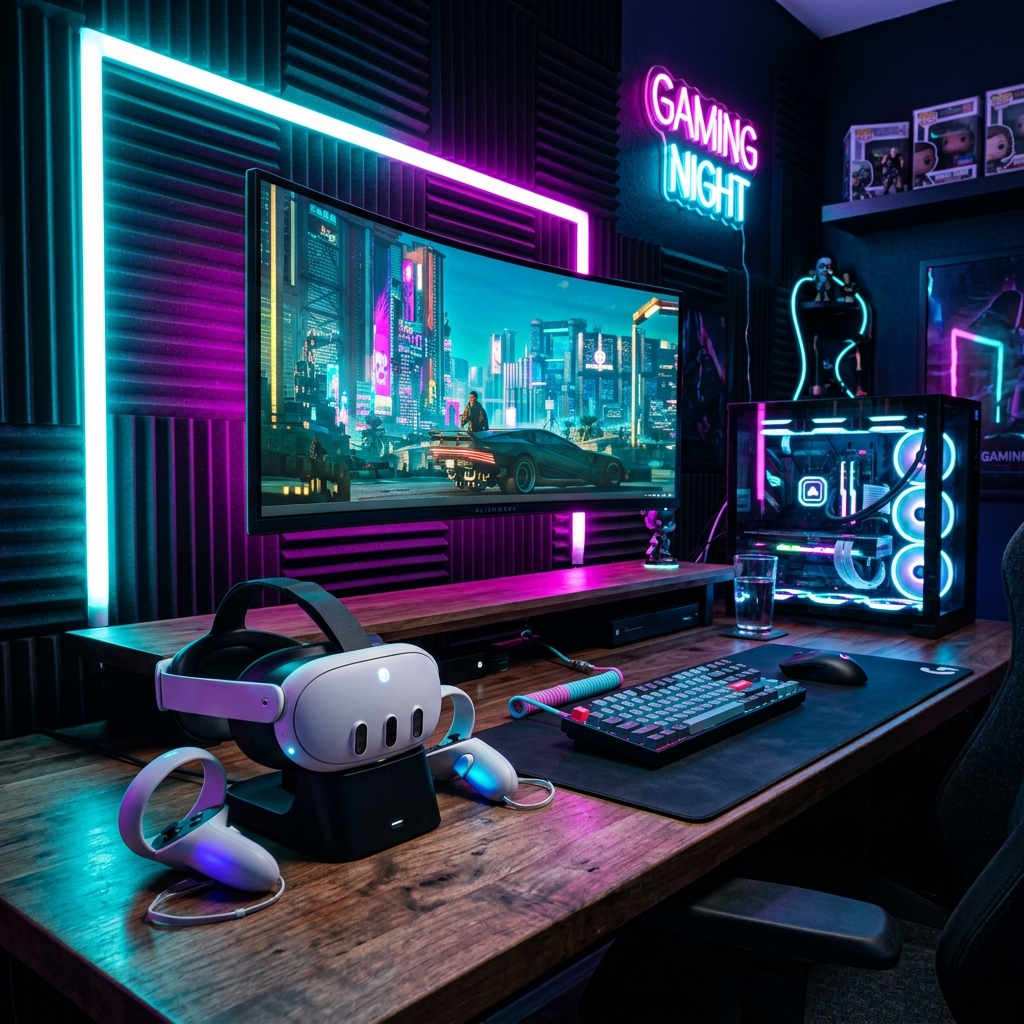
Comparative Analysis of VR Headsets
| Headset Model | Lens Type | God Ray Rating | Reflection Rating | Price |
|---|---|---|---|---|
| Meta Quest 3 | Fresnel | Moderate | Low | $499 |
| Valve Index | Aspheric | Low | Very Low | $999 |
| HTC Vive Pro 2 | Fresnel | High | Moderate | $799 |
| Pimax 8K X | Aspheric | Very Low | Very Low | $1,299 |
| Oculus Rift S | Fresnel | High | Moderate | $399 |
Adjusting the VR Experience
Adjustments can often help in reducing the visibility of god rays and reflections. Users should ensure that the headset is properly fitted to their heads.
Small adjustments in the position of the headset can make a significant difference in comfort and visual quality. Ensuring the lenses are clean and free from smudges can also help.
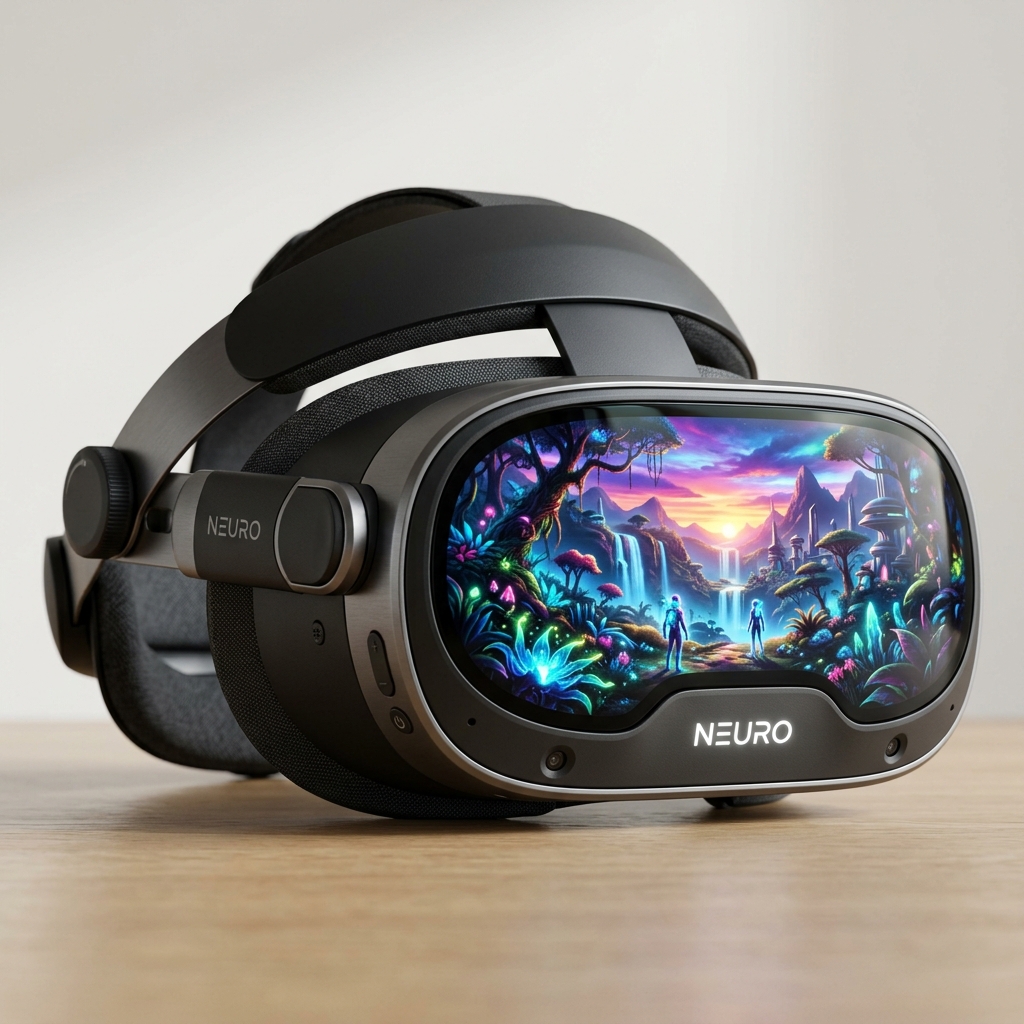
Using Proper Lighting
Environmental lighting significantly affects how god rays and reflections are perceived. It is advisable to use dim lighting while using the headset.
Bright lights or sunlight can exacerbate these optical issues. Creating a controlled lighting environment enhances the immersive experience.
Technology Improvements
Ongoing advancements in lens technology are addressing common optical faults. Newer headsets are being designed with improved optics that minimize these issues.
Investing in high-quality lenses can lead to a more enjoyable experience. Consider the latest models, such as the Meta Quest 3, which features enhanced optical performance.
Conclusion
God rays and reflections can detract from the immersive experience that VR technology aims to provide. By understanding the causes and applying effective solutions, users can enjoy a more engaging virtual reality environment.
Choosing the correct headset, making adjustments, and utilizing proper lighting can dramatically enhance the experience. As technology continues to evolve, embracing new advancements will lead to even richer VR experiences.

Frequently Asked Questions
What are god rays in VR headsets?
God rays are visual artifacts that appear as streaks of light emanating from bright objects in virtual reality. They are typically caused by the lens design, particularly in Fresnel lenses.
How can reflections be minimized in VR?
Reflections can be minimized by ensuring that the headset lenses are clean and by using the headset in controlled lighting environments. Optimal headset adjustments can also reduce reflections.
Are Fresnel lenses the best option for VR headsets?
Fresnel lenses are lightweight and allow for a compact design, but they can produce god rays. Aspheric lenses tend to perform better in minimizing these artifacts.
What can be done if god rays are still visible?
If god rays remain visible, consider adjusting the headset fit or experimenting with different lighting conditions. Upgrading to a headset with improved optics may also be beneficial.
Is it worth upgrading to a new VR headset?
Upgrading to a new VR headset can provide a better visual experience, particularly with advancements in lens technology. Users should assess their current headset’s performance and compare it with newer models.
Understanding God Rays in VR Headsets
God rays are visual artifacts that can occur in VR headsets, particularly those using Fresnel lenses. These rays manifest as bright streaks of light, often emanating from bright objects in a dark environment.
Identifying the conditions that lead to god rays is essential for a better VR experience. Factors such as lens design and light sources play a crucial role in their occurrence.
Users of popular headsets like the Oculus Quest 2 or HTC Vive Pro may notice god rays, particularly in high-contrast scenes. Recognizing the headset's limitations can help in managing expectations.
Reflection Issues in VR Environments
Reflections can detract from immersion in virtual reality experiences. These unwanted visual effects often occur due to the lens design and the materials used in headset construction.
Headsets such as the PlayStation VR and Valve Index are not immune to reflections, especially in bright settings. Awareness of these issues can lead to better setup choices for optimal experiences.
Adjusting the lighting in the physical space can mitigate reflection problems. Dim lighting can significantly reduce the visibility of reflections in the headset.
Fresnel Lenses: The Core of the Problem
Fresnel lenses are widely used in VR headsets due to their lightweight and compact nature. However, their design can also contribute to issues like god rays and reflections.
Understanding how Fresnel lenses manipulate light can help users make informed decisions regarding headset selection. Choosing a model with improved lens designs can enhance the overall visual experience.
Some manufacturers are now experimenting with hybrid lens systems to counteract these effects. Keeping an eye on new developments in lens technology can provide better options in the future.
Tips to Minimize God Rays
To reduce the appearance of god rays, adjusting the interpupillary distance (IPD) on your headset can help. Finding the optimal IPD ensures that light is properly focused for your eyes.
Furthermore, using darker color palettes in VR applications can lessen the visibility of god rays. Developers should consider this when designing environments for VR.
Regularly cleaning the lenses of your headset can also improve clarity, which may help reduce the impact of god rays. Dust and smudges can exacerbate visual artifacts.
Adjusting Your VR Environment
Creating a suitable VR environment can significantly reduce visual issues. Avoid bright direct lighting that can cause reflections or enhance god rays.
Utilizing blackout curtains or repositioning light sources can help achieve ideal conditions. A controlled environment allows for a more immersive experience.
Also, consider the placement of mirrors or reflective surfaces in the vicinity. Minimizing these elements can reduce distractions and improve overall comfort while using VR.
Choosing the Right VR Headset
Selecting a VR headset with superior optical design can greatly enhance user experience. Models like the HP Reverb G2 offer improved lens technology aimed at minimizing visual artifacts.
Researching user reviews and expert opinions on specific headsets can provide insights into how well they handle god rays and reflections. This knowledge can guide potential buyers toward better choices.
Investing in high-quality headsets may lead to a more enjoyable VR experience free from common visual distractions. Consider long-term satisfaction when making a decision.
Future Innovations in VR Lens Technology
Ongoing research in lens technology aims to reduce visual artifacts within VR headsets. Innovations in lens design can lead to more immersive and comfortable experiences for users.
Manufacturers are exploring new materials and optical configurations to combat issues like god rays and reflections. Staying informed about these advancements can help users select the best products.
As the VR market continues to evolve, expect to see improvements in visual clarity and reduced artifacts. Keeping an eye on product releases can lead to better choices in VR technology.
The Role of Software in Reducing Visual Artifacts
Software optimization plays a crucial role in minimizing visual artifacts in VR. Developers can implement techniques that lessen the impact of god rays and reflections.
Utilizing advanced algorithms can improve the rendering of bright objects, reducing the prominence of god rays. Regular updates to VR applications can also enhance visual performance.
Engaging with communities that focus on VR development can provide insights into best practices for reducing these common issues. Collaboration among developers can lead to more polished user experiences.
How to Avoid God Rays and Reflections on VR Headsets with Fresnel Lenses
Virtual reality (VR) headsets have revolutionized the way users experience immersive environments. However, issues like god rays and reflections can detract from the overall experience, particularly in headsets that utilize Fresnel lenses.
Understanding God Rays and Reflections
God rays are visual artifacts that appear as bright streaks or halos around light sources in VR environments. These phenomena occur due to the light diffraction through the Fresnel lens structure.
Reflections, on the other hand, can manifest when light reflects off the lens surfaces or internal components, causing distractions during gameplay or exploration. Understanding these issues is crucial for improving VR experiences.
Fresnel Lenses Explained
Fresnel lenses are lightweight and thin, making them ideal for VR headsets like the Oculus Quest 2 and the HTC Vive Pro. These lenses consist of concentric rings that help focus light, but their design can also contribute to optical artifacts.
While Fresnel lenses offer advantages such as reduced weight and improved field of view, they can also create unwanted glare and distortion. Mitigating these effects requires a multifaceted approach.
Adjusting IPD Settings
Interpupillary distance (IPD) is the distance between the centers of the eyes. Properly adjusting the IPD setting on a VR headset can significantly minimize god rays and reflections.
Most modern VR headsets, including the Valve Index and Sony PlayStation VR, allow users to customize IPD settings. This adjustment ensures the lenses align correctly with the user's eyes, reducing optical distortions.
Utilizing Proper Lighting
The environment's lighting can influence the severity of god rays and reflections. Using ambient lighting in the room rather than direct light sources can help alleviate these issues.
Consider adjusting the brightness and contrast settings on the VR display to reduce the impact of external lighting. This simple change can lead to a more comfortable viewing experience.
Choosing the Right VR Headset
Not all VR headsets are created equal when it comes to optical performance. Some models, such as the Pimax 8K X, utilize advanced lens technology to minimize god rays and reflections.
Researching headset features, including lens design and material quality, can guide users in selecting a model that offers the best visual experience. Prioritizing headsets with high-quality Fresnel lenses is essential.
Using Lens Protectors
Applying lens protectors can help reduce reflections and improve clarity. These thin, transparent films can be placed over the lenses of headsets like the Oculus Rift S.
Lens protectors are designed to minimize glare and enhance light transmission, which can lead to a clearer view during gameplay. This simple addition can drastically improve the VR experience.
Maintaining Clean Lenses
Dirty lenses can exacerbate the effects of god rays and reflections. Regularly cleaning the lenses with a microfiber cloth can help maintain optimal clarity in VR headsets like the HP Reverb G2.
Neglecting lens maintenance can lead to a buildup of dust and smudges, worsening visual artifacts. Keeping lenses clean is a simple yet effective way to enhance image quality.
Experimenting with Different Lenses
Some VR enthusiasts opt to experiment with aftermarket lenses, which can offer improved optical performance. Brands like VR Lens Lab provide customized lens options for various headset models.
These aftermarket lenses may reduce god rays and reflections due to their superior design and coatings. However, users should ensure compatibility with their specific headset model before making a purchase.
Understanding the Role of Software
Software settings can also impact the visual experience in VR. Many headsets, such as the Oculus Quest 2, allow for adjustments in rendering settings that can help minimize unwanted visual artifacts.
Experimenting with different graphical settings can lead to a more enjoyable experience. Lowering the graphics quality slightly may alleviate some of the strain on the lenses.
Table of Recommended VR Headsets and Features
| Headset Model | Lens Type | IPD Adjustment | Aftermarket Lens Availability |
|---|---|---|---|
| Oculus Quest 2 | Fresnel | Yes | Yes |
| HTC Vive Pro | Fresnel | Yes | Yes |
| Valve Index | Fresnel | Yes | No |
| HP Reverb G2 | Aspheric | Yes | No |
| Pimax 8K X | Fresnel | Yes | Yes |
Community Feedback and Tips
Engaging with the VR community can provide valuable insights and recommendations. Online forums and social media platforms often feature discussions about minimizing god rays and reflections.
Users frequently share tips, tricks, and personal experiences, which can enhance understanding and provide real-world solutions. Participating in these discussions can lead to improved techniques for managing optical challenges.
Conclusion
Avoiding god rays and reflections in VR headsets with Fresnel lenses requires a multifaceted approach. By understanding the factors contributing to these issues and implementing the tips outlined, users can enhance their VR experience significantly.
From adjusting IPD settings to maintaining clean lenses and selecting the right headset, each step contributes to a clearer, more immersive virtual reality experience. With careful consideration and adjustments, users can enjoy the full potential of their VR headsets.