How to Avoid God Rays and Reflections on VR Headsets with Fresnel Lenses
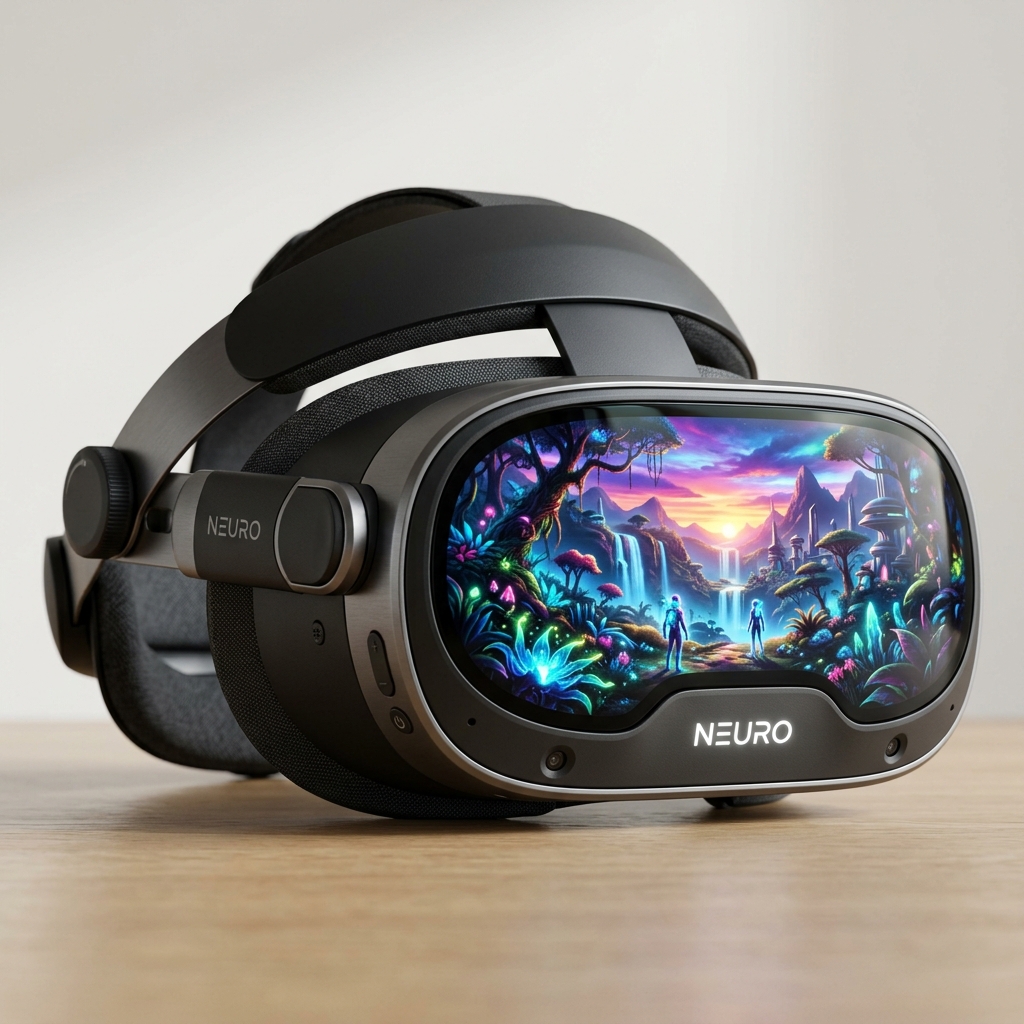
How to Avoid God Rays and Reflections on VR Headsets with Fresnel Lenses
Addressing the issue of god rays and reflections in VR headsets equipped with Fresnel lenses is crucial for enhancing the immersive experience. Understanding how to mitigate these optical artifacts is essential for both developers and users of virtual reality technology.
Understanding God Rays and Reflections
God rays, also known as lens flare, occur when light is scattered by the lens structure. Reflections may arise from various surfaces within the headset, including the lenses themselves.
Both phenomena can detract from the overall visual experience, leading to distractions during gameplay or simulations. A deeper comprehension of Fresnel lens design can aid in minimizing these effects.
Fresnel Lenses in VR Headsets
Fresnel lenses are unique optical components that offer thin profiles while maintaining effective light transmission. Their design consists of a series of concentric grooves that allow for significant light bending.
While Fresnel lenses are advantageous for reducing weight and size in VR headsets, they are also prone to optical distortions, including god rays and reflections.
Comparative Analysis of VR Headset Models
| Model | Lens Type | Resolution | Field of View (FOV) | Refresh Rate | Weight |
|---|---|---|---|---|---|
| Meta Quest 2 | Fresnel | 1832 x 1920 per eye | 90° | 72Hz | 503g |
| Meta Quest 3 | Fresnel | 2064 x 2208 per eye | 110° | 120Hz | 515g |
| HTC Vive Focus 3 | Fresnel | 2448 x 2448 per eye | 110° | 90Hz | 400g |
| Valve Index | Fresnel | 1440 x 1600 per eye | 130° | 120Hz | 809g |
| PlayStation VR2 | Fresnel | 2000 x 2040 per eye | 110° | 120Hz | 560g |
| Apple Vision Pro | Fresnel | 3000 x 3000 per eye | 130° | 90Hz | 600g |
Strategies to Minimize God Rays and Reflections
Implementing specific strategies can significantly reduce the visibility of god rays and reflections in VR headsets. Consider the following approaches:
- Optimize Lens Design: Use high-quality Fresnel lenses that minimize optical imperfections.
- Adjust Rendering Techniques: Employ techniques such as bloom suppression and lens distortion correction in software.
- Enhance Lighting Conditions: Control lighting in the virtual environment to reduce glare and contrast.
- Use Anti-Reflective Coatings: Apply coatings on lenses to minimize reflections and improve clarity.
- Regular Maintenance: Clean lenses regularly to avoid buildup that can exacerbate visual artifacts.
DomineTec Tip: For an enhanced VR experience, consider upgrading to the latest models. Buy Meta Quest 3 for superior performance and reduced optical artifacts.
The Role of Software in Mitigating Optical Artifacts
Software optimization plays a vital role in reducing god rays and reflections. Advanced algorithms can adjust the way light interacts with the Fresnel lenses, leading to a more immersive experience.
Implementing dynamic contrast adjustments and improving the rendering pipeline can also significantly reduce the visibility of these artifacts.
Choosing the Right VR Headset
Selecting a VR headset with superior optical technology is paramount. Look for headsets that utilize advanced Fresnel lenses and have a reputation for minimizing visual distractions.
Consider factors such as resolution, field of view, and refresh rate, as these specifications directly impact the quality of the visual experience.
Conclusion
Understanding how to avoid god rays and reflections on VR headsets with Fresnel lenses is essential for an optimal virtual reality experience. By focusing on both hardware and software improvements, users can significantly enhance their immersion.
Frequently Asked Questions
1. What are god rays in VR?
God rays are optical artifacts that occur when light scatters within the lenses of a VR headset, often appearing as streaks or halos around bright objects.
2. How do Fresnel lenses work in VR headsets?
Fresnel lenses consist of concentric grooves that bend light efficiently, allowing for a lightweight design while maintaining optical performance.
3. Can software reduce god rays in VR?
Yes, software optimizations such as bloom suppression and distortion correction can effectively reduce the visibility of god rays in virtual environments.
4. Which VR headsets have the best optical performance?
Models like the Meta Quest 3, HTC Vive Focus 3, and PlayStation VR2 are known for their advanced optical designs that minimize god rays and reflections.
5. How often should VR headset lenses be cleaned?
It is recommended to clean VR headset lenses regularly, especially before each session, to prevent dust or smudges from affecting visual clarity.
Understanding God Rays in VR Headsets
God rays are visual artifacts caused by light scattering through the lenses of VR headsets, particularly those using Fresnel lenses. These unwanted effects can disrupt immersion and create a less enjoyable experience.
The phenomenon occurs when bright light sources, such as the sun or vibrant game elements, hit the edges of the lens. Understanding this can help in addressing the issue effectively.
Users of popular VR headsets like the Oculus Quest 2 or Valve Index often report experiencing god rays, particularly in high-contrast scenes. Recognizing this commonality can aid in finding solutions.
Choosing the Right VR Headset
Selecting a VR headset with high-quality lenses can significantly reduce the occurrence of god rays. Models such as the HTC Vive Pro 2 are designed with advanced optics to minimize visual distortions.
Headsets that incorporate aspheric lenses instead of Fresnel lenses may offer a clearer visual experience. This choice can enhance overall performance and user satisfaction.
When exploring options, consider user reviews and expert recommendations related to lens quality and performance. This research can guide towards a headset with fewer optical issues.
Adjusting IPD Settings
Inter-pupillary distance (IPD) is crucial for achieving optimal clarity in VR. Properly adjusting the IPD setting on headsets like the PlayStation VR can help align the lenses with your eyes.
Improper IPD settings can exacerbate god rays and reflections, leading to discomfort. Ensuring the IPD is set correctly can enhance the visual experience and reduce optical artifacts.
Take the time to experiment with different IPD settings to find the most comfortable viewing experience. Small adjustments can lead to significant improvements in clarity.
Using Anti-Reflective Coatings
Anti-reflective coatings can improve the performance of VR headset lenses by reducing flare and reflections. Many modern headsets, including the Meta Quest Pro, incorporate these coatings for enhanced visual fidelity.
Investing in aftermarket lens covers with anti-reflective properties can also diminish glare and improve clarity. This small upgrade can lead to a more immersive experience.
Exploring accessories that enhance lens performance can yield noticeable benefits. Prioritizing visual quality can transform the VR experience, making it more enjoyable.
Optimizing Lighting Conditions
Lighting plays a significant role in the appearance of god rays within VR environments. Bright environments can exacerbate these effects, so adjusting ambient lighting is essential.
Using softer, diffused lighting can create a more pleasant VR experience. This adjustment can help minimize reflections and improve clarity when using Fresnel lenses.
Consider the VR space and its lighting when preparing for an immersive session. A well-lit environment can significantly enhance overall enjoyment and reduce visual distractions.
Regular Maintenance and Cleaning
Keeping lenses clean and free from smudges significantly reduces reflections and improves clarity. Regular maintenance of headsets like the HP Reverb G2 can prevent visual artifacts from accumulating over time.
Using a microfiber cloth to gently clean the lenses ensures optimal visual performance. This simple practice can enhance the overall VR experience by reducing distractions.
Consider establishing a routine for checking and maintaining headset hygiene. Consistent care can prolong the lifespan of the lenses and improve clarity during use.
Exploring Software Adjustments
Many VR platforms offer software settings that can help mitigate the appearance of god rays. Adjusting brightness and contrast settings within games can lead to a more visually comfortable experience.
Some headsets, like the Pico 4, provide options to fine-tune visual settings for individual preferences. Experimenting with these can yield significant improvements in image quality.
Staying informed about software updates and enhancements can also contribute to better visual experiences. Regularly updating can ensure access to the latest features and improvements.
Understanding God Rays and Reflections
God rays and reflections are common visual artifacts encountered in virtual reality (VR) experiences. These issues can detract from immersion and create distractions that hinder the enjoyment of VR applications.
What Are God Rays?
God rays, also known as "light streaks" or "lens flares," occur when bright light sources scatter through the Fresnel lenses used in many VR headsets. This phenomenon is similar to how sunlight beams appear through clouds, creating visible rays of light.
Causes of God Rays in VR
God rays are primarily caused by the design of Fresnel lenses. These lenses bend light differently than traditional lenses, which can lead to unwanted light scattering.
Understanding Reflections
Reflections in VR headsets occur when light bounces off surfaces inside the headset, such as the lenses or the display. These reflections can create distracting visual elements that disrupt the overall experience.
Common VR Headsets Using Fresnel Lenses
| Headset Model | Fresnel Lenses |
|---|---|
| Oculus Quest 2 | Yes |
| HTC Vive Pro 2 | Yes |
| Valve Index | Yes |
| Pimax 8K X | Yes |
Tips for Avoiding God Rays
Several strategies can be employed to minimize god rays and reflections while using VR headsets. Understanding these techniques can enhance the overall user experience.
Adjusting the IPD Setting
Inter-pupillary distance (IPD) refers to the distance between the centers of the eyes. Properly adjusting the IPD setting on the headset can help reduce the intensity of god rays.
Optimizing Brightness Levels
Lowering the brightness of the display can reduce the visibility of god rays. Experimenting with different brightness settings may lead to improved visual clarity.
Using Anti-Reflective Coatings
Some headsets come with anti-reflective coatings on their lenses. Choosing a headset with this feature can help minimize reflections and improve overall visual quality.
Choosing the Right Environment
The ambient lighting in the room can significantly affect the visibility of god rays and reflections. Using VR in a dimly lit environment often reduces these visual artifacts.
Advanced Techniques for Reducing Reflections
In addition to basic adjustments, advanced techniques can be applied to further reduce reflections in VR headsets.
Lens Cleaning
Regular cleaning of the lenses is essential to minimize reflections caused by dust or smudges. Use microfiber cloths and lens cleaners specifically designed for optical devices.
Headset Modifications
Some users opt for custom headset modifications, such as replacing lenses with higher-quality alternatives. This can help reduce both god rays and reflections.
Utilizing VR Accessories
Accessories such as lens covers and anti-glare filters can be helpful in minimizing reflections. Investing in these accessories may enhance the overall experience.
Headset-Specific Solutions
Different VR headsets may require specific solutions to address god rays and reflections effectively. Below are some recommendations tailored for popular headset models.
Oculus Quest 2
- Adjust the IPD setting to match personal eye distance.
- Lower the display brightness for better visibility.
- Consider using an anti-glare lens cover.
HTC Vive Pro 2
- Ensure the lenses are clean and free from smudges.
- Experiment with brightness settings to find the optimal level.
- Use headset straps that allow for proper positioning.
Valve Index
- Adjust the lens distance to achieve a clearer view.
- Utilize the headset in a darker room to minimize reflections.
- Consider third-party lens upgrades for enhanced performance.
Pimax 8K X
- Clean the lenses regularly to avoid buildup.
- Adjust the brightness settings based on the content.
- Utilize specialized lens filters to reduce glare.
Conclusion
Reducing god rays and reflections in VR headsets equipped with Fresnel lenses is achievable through a combination of adjustments, cleaning, and potentially modifying the headset. Implementing these strategies can significantly enhance the immersive experience in virtual environments.
The Future of VR Lens Technology
As VR technology continues to evolve, advancements in lens design may lead to better solutions for minimizing god rays and reflections. Monitoring developments in the field can provide users with new options for improving their VR experiences.




