First Layer Height Settings: How to Adjust Initial Layer for Bed Adhesion
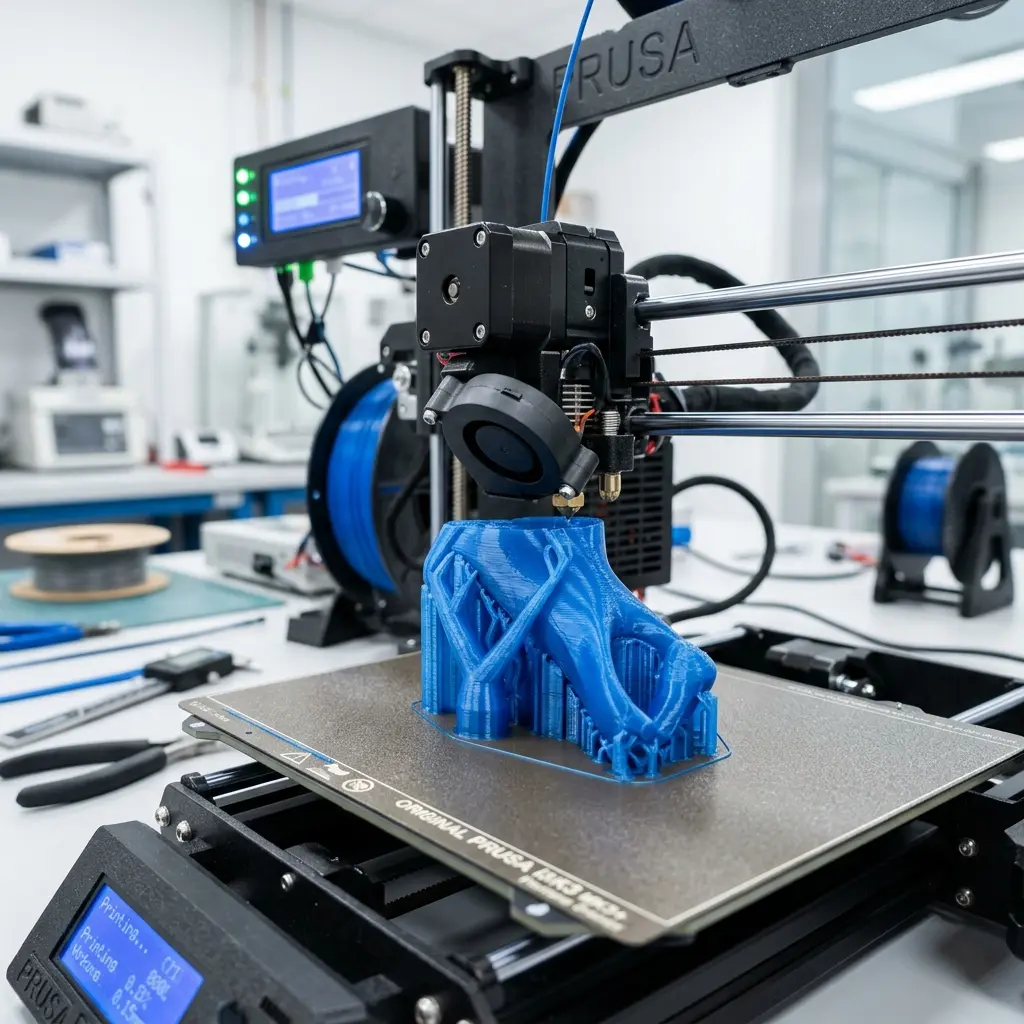
First Layer Height Settings: How to Adjust Initial Layer for Bed Adhesion
The first layer height in 3D printing plays a critical role in ensuring proper bed adhesion and achieving successful prints. This initial layer serves as the foundation for the entire print, making adjustments essential for optimal results. The following sections outline methods and considerations for setting the first layer height to enhance bed adhesion.
Understanding First Layer Height
First layer height refers to the thickness of the initial layer of filament extruded onto the print bed. This layer must adhere firmly to prevent warping or detachment during the printing process. The right height varies depending on the printer, material, and specific model being printed.
Factors Influencing First Layer Height
- Print Bed Surface: Different surfaces (glass, PEI, tape) affect adhesion.
- Material Type: Various materials (PLA, ABS, PETG) have distinct adhesion requirements.
- Extrusion Temperature: Higher temperatures can improve adhesion but may lead to stringing.
- Print Speed: Slower speeds allow for better adhesion by giving the filament time to bond.
Recommended First Layer Heights
| Material | Recommended Height (mm) | Notes |
|---|---|---|
| PLA | 0.2 - 0.3 | Good adhesion; moderate speed recommended. |
| ABS | 0.2 - 0.4 | Higher height prevents warping; consider an enclosure. |
| PETG | 0.2 - 0.3 | Excellent adhesion; avoid high speeds. |
| TPU | 0.3 - 0.5 | Flexibility requires careful adjustments; test first layers. |
Adjusting First Layer Height in Slicing Software
Many slicing software programs allow users to adjust the first layer height through specific settings. Follow these steps to modify the first layer height:
- Open the slicing software.
- Load the 3D model to be printed.
- Navigate to the print settings.
- Locate the section for first layer settings.
- Adjust the first layer height to the desired value.
- Review other related settings, such as first layer speed and extrusion temperature.
- Save and export the G-code for printing.
Testing Bed Adhesion
Before finalizing the first layer height, conducting tests is crucial to ensure proper adhesion. The following methods can be employed to evaluate bed adhesion:
- Calibration Prints: Use calibration models specifically designed to test first layer adhesion.
- Temperature Tests: Experiment with different bed and extrusion temperatures.
- Height Adjustments: Incrementally adjust the first layer height and observe results.
Common Issues with First Layer Adhesion
While adjusting the first layer height, several common issues may arise. Understanding these problems can help in troubleshooting:
- Warping: If the corners of the print lift, consider increasing the first layer height or using a heated bed.
- Uneven Surface: An unlevel bed can cause inconsistent first layer height. Level the bed before printing.
- Filament Oozing: Excess filament can lead to adhesion issues. Adjust retraction settings as needed.
Best Practices for First Layer Adhesion
To achieve optimal first layer adhesion, the following best practices should be followed:
- Ensure the print bed is clean and free of debris.
- Use a suitable adhesive method (glue stick, hairspray) if necessary.
- Calibrate the printer regularly to maintain consistent performance.
- Utilize a brim or raft for larger prints to enhance stability.
Conclusion
Adjusting the first layer height is a fundamental aspect of 3D printing that directly impacts the success of each print. By carefully considering the factors influencing adhesion and employing the recommended practices, users can significantly improve their print quality. Testing and tweaking settings can lead to a better understanding of individual printer capabilities and material behavior, ultimately resulting in more reliable prints.
Frequently Asked Questions
What is the ideal first layer height for PLA?
The ideal first layer height for PLA typically ranges from 0.2mm to 0.3mm. This range provides sufficient squish for optimal bed adhesion.
How can bed temperature influence first layer adhesion?
Bed temperature affects material behavior during printing, with higher temperatures reducing warping and improving adhesion. Maintaining a consistent temperature is crucial for success.
Can a dirty print bed affect adhesion?
A dirty print bed can significantly hinder adhesion, leading to print failures. Regular cleaning of the bed is essential for optimal results.
Is it necessary to level the print bed before each print?
While not always necessary, leveling the print bed before each print ensures consistent adhesion and print quality. Regular checks help maintain optimal performance.
What should be done if the first layer is not sticking?
If the first layer is not sticking, adjustments to height, bed temperature, or surface materials should be considered. Ensuring proper calibration can also help resolve this issue.




