Eye Care Monitor Technology: Does It Actually Protect Your Vision?
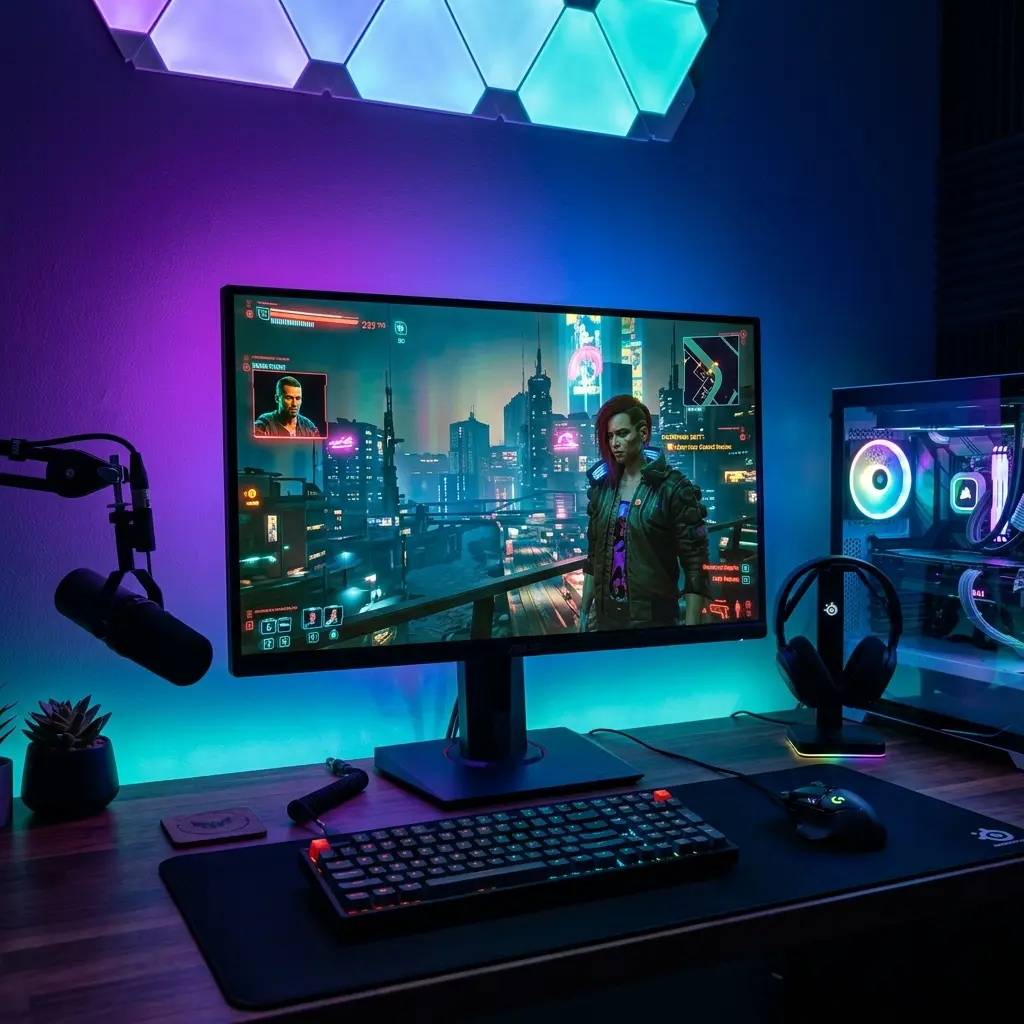
Eye care monitor technology can enhance visual comfort, but its effectiveness in protecting vision remains debated.
Physical Aspects and Resolution
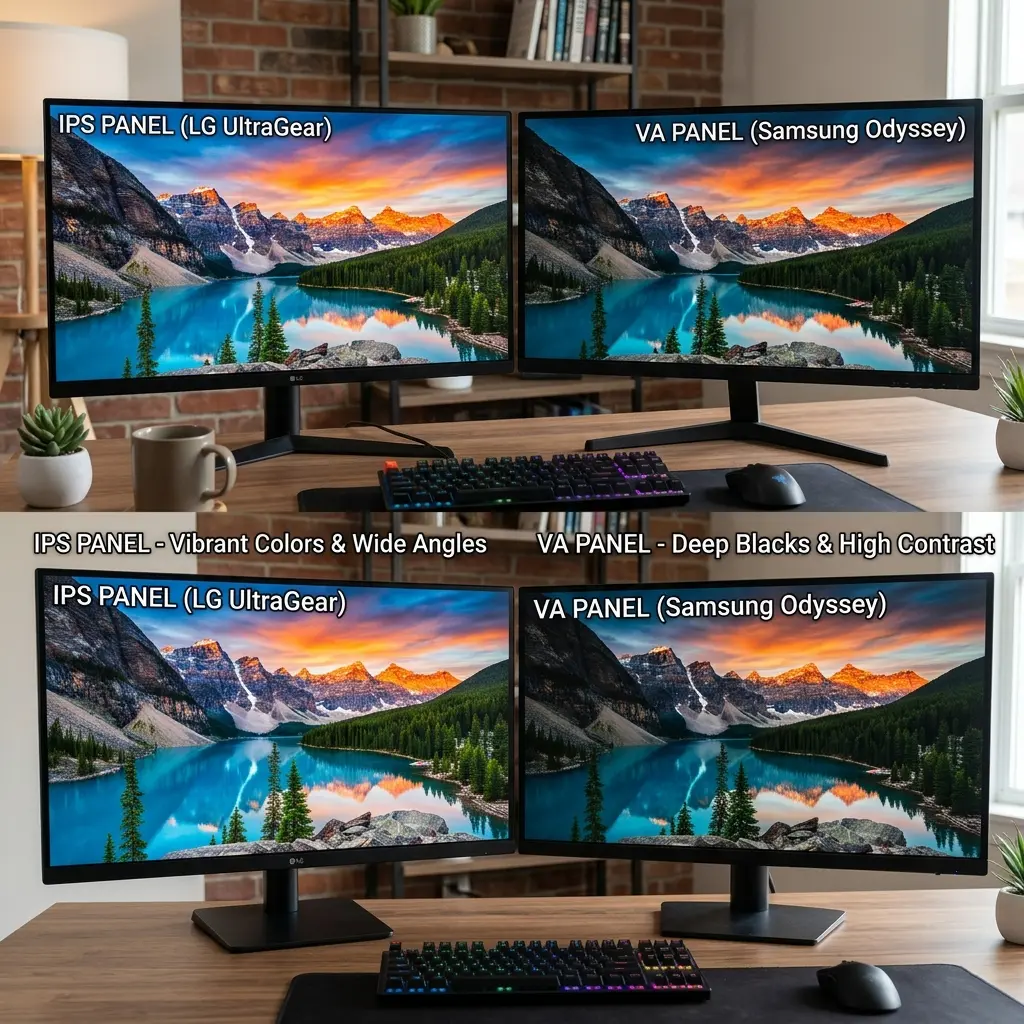
Most eye care monitors feature advanced display technologies, such as IPS or VA panels, which provide wider viewing angles and better color accuracy.
High-resolution options, such as 4K or QHD, can reduce eye strain by allowing for clearer text and images, minimizing the need for squinting.
Performance and Technology
Flicker-free technology and blue light filters are common in eye care monitors, significantly reducing eye fatigue during extended use.
Some models also offer adaptive brightness features that adjust screen luminance based on ambient light conditions, enhancing visual comfort.
Ergonomics and Visual Comfort
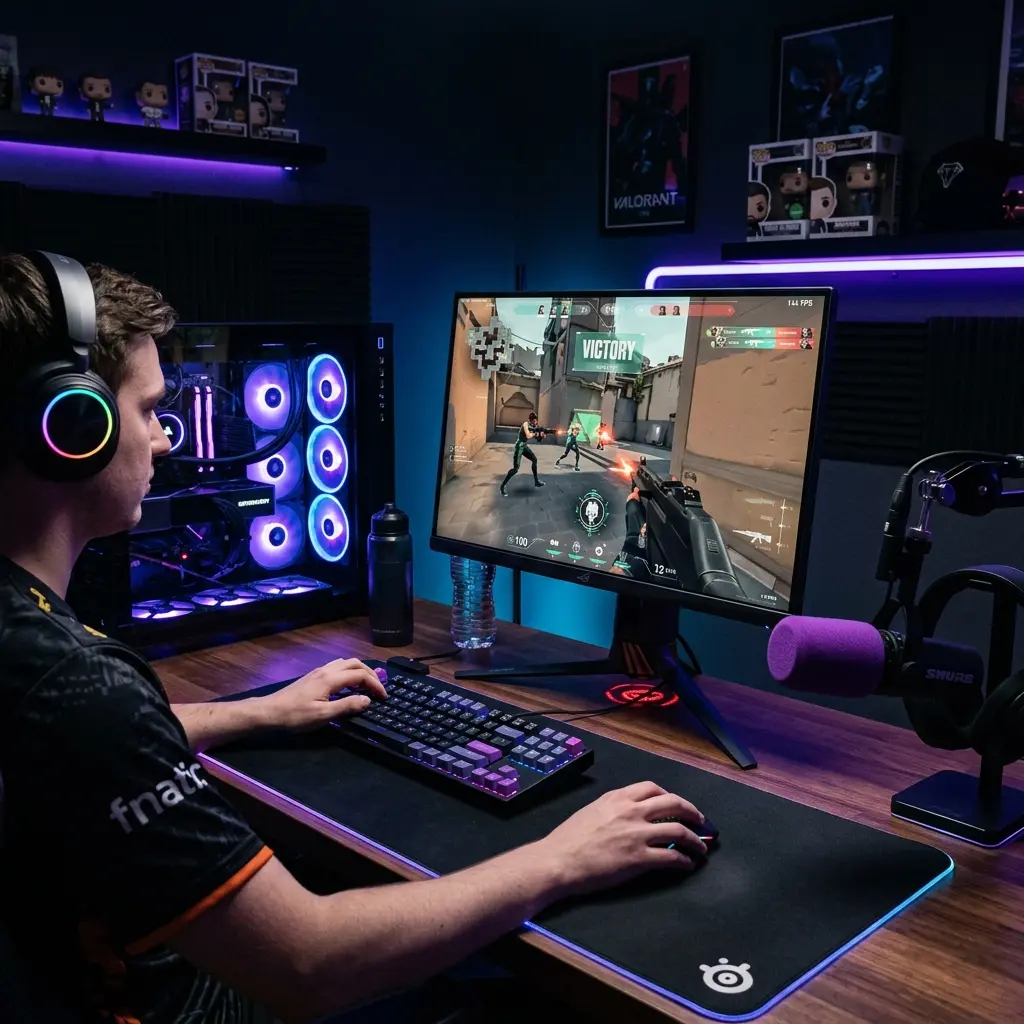
Ergonomic features, including adjustable height and tilt capabilities, ensure users can maintain a comfortable posture while using the monitor.
Proper monitor positioning is crucial, as the top of the screen should align with eye level to minimize neck strain and enhance visual comfort.
| Monitor Model | Panel Type | Resolution | Refresh Rate | Special Features |
|---|---|---|---|---|
| LG 27UK850-W | IPS | 4K UHD | 60Hz | HDR10, Flicker-Free |
| BenQ GW2480 | IPS | Full HD | 60Hz | Low Blue Light, Flicker-Free |
| Acer R240HY | IPS | Full HD | 60Hz | Zero Frame, Eye Care |
Materials and Durability
Quality eye care monitors are often constructed with robust materials such as aluminum or high-grade plastic, enhancing durability and aesthetic appeal.
Additionally, monitors featuring anti-glare coatings can protect against scratches and reduce reflections, prolonging their lifespan.
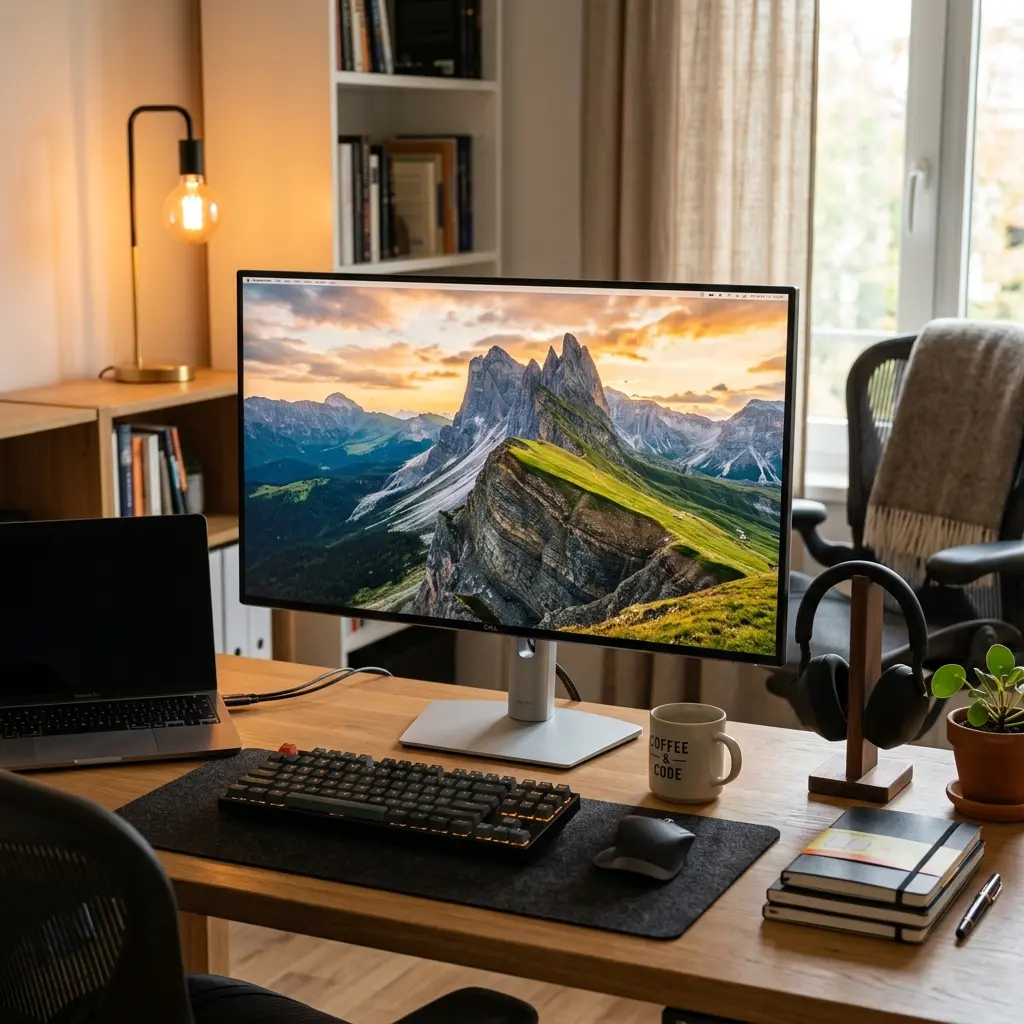
DomineTec Tip: Regular breaks using the 20-20-20 rule can significantly enhance the benefits of eye care monitors.
Buying Recommendations and Brands
Leading brands such as Dell, BenQ, and LG are known for producing high-quality eye care monitors with advanced features tailored to user comfort.
When selecting a monitor, consider resolution, panel type, and ergonomic adjustments to ensure optimal eye health and productivity.

- Identify the primary usage: gaming, professional work, or casual browsing.
- Choose a monitor with at least Full HD resolution.
- Look for eye care features like flicker-free technology and blue light reduction.
- Check for ergonomic adjustments to fit your workspace.
- Read reviews and compare warranty options before purchasing.
Value Analysis and Verdict
Investing in an eye care monitor can provide long-term benefits, especially for users who spend prolonged hours in front of screens.
While these monitors can enhance comfort, they should complement, not replace, good eye care practices.
Impact of Blue Light on Eye Health
Blue light exposure has been a topic of increasing concern in recent years, particularly with the rise of digital devices. Studies suggest that prolonged exposure to blue light can lead to digital eye strain, characterized by symptoms such as dryness, irritation, and blurred vision.
Moreover, there is ongoing research into the long-term effects of blue light on retinal health. Some findings indicate that excessive blue light may contribute to the development of age-related macular degeneration (AMD), a leading cause of vision loss in older adults.
Eye care monitors often incorporate blue light filtering technologies to mitigate these risks. These features can help reduce the amount of harmful blue light emitted from screens, offering potential protection for users who spend extended periods in front of digital devices.
Understanding the effects of blue light is crucial for consumers when selecting eye care monitors. The right technology can enhance visual comfort and potentially safeguard eye health in the long run.
Eye Care Monitoring Features
Modern eye care monitors come equipped with various features designed to enhance user experience and promote eye health. One such feature is the incorporation of real-time eye tracking, which adjusts screen settings based on the user's gaze and distance.
Another innovative aspect is the scheduling of reminders for breaks, encouraging users to follow the 20-20-20 rule, which suggests looking away from the screen every 20 minutes at something 20 feet away for 20 seconds. This practice can significantly reduce eye strain during prolonged usage.
Additionally, some monitors offer customizable brightness and contrast settings that adapt to ambient lighting conditions. These adjustments can help reduce glare and improve visual comfort, catering to individual user preferences.
All these features contribute to a more comprehensive eye care strategy, making it easier for users to maintain their eye health while benefiting from the advantages of modern technology.
Comparative Analysis of Eye Care Monitors
When evaluating different eye care monitors, it is essential to conduct a comparative analysis to identify which models best suit individual needs. Key factors to consider include screen size, resolution, and the presence of eye care technologies such as flicker-free displays and blue light filters.
Moreover, it is beneficial to assess user reviews and expert opinions to gauge performance in real-world scenarios. Some monitors may excel in specific features, like color accuracy, while others may prioritize eye comfort and reduced strain.
Pricing can also vary significantly among different models, so it's important to weigh the cost against the features offered. A more expensive monitor may not always guarantee better eye care technology, making a thorough comparison vital.
Overall, a well-rounded analysis will help consumers make informed decisions, ensuring they select an eye care monitor that aligns with their individual usage patterns and visual health requirements.
The Role of Software in Eye Care Monitoring
Software applications play a crucial role in enhancing the effectiveness of eye care monitors. Many devices now come with proprietary software that allows users to customize their viewing experience based on personal preferences and eye health requirements.
For instance, some software can analyze user behavior and suggest optimal screen settings for maximum comfort. These applications may also include features to track daily screen time and the frequency of breaks taken, promoting healthier viewing habits.
Furthermore, updates to software can introduce new eye care features and improvements, ensuring users benefit from the latest advancements in technology. This adaptability is essential as research on eye health continues to evolve.
Incorporating robust software support into eye care monitors enhances their functionality, making them not just hardware but comprehensive solutions for maintaining visual well-being.
Standards and Certifications in Eye Care Technology
Understanding the standards and certifications associated with eye care monitors is vital for consumers looking to ensure quality and efficacy. Various organizations, such as the American National Standards Institute (ANSI) and the International Organization for Standardization (ISO), provide guidelines for the manufacturing of displays that prioritize eye safety.
Certifications like TÜV Rheinland’s Eye Comfort mark indicate that a monitor meets specific criteria for low blue light emission and flicker-free technology. These certifications can serve as a reliable benchmark for consumers seeking eye-friendly products.
Moreover, some monitors may also comply with environmental standards, ensuring that they are produced with sustainability in mind. This consideration adds another layer of value for environmentally conscious consumers.
By choosing monitors that meet recognized standards and hold relevant certifications, users can have greater confidence in the protective features intended for their eye health.
Future Trends in Eye Care Monitor Technology
The future of eye care monitor technology is poised for significant advancements, driven by ongoing research and consumer demand for better visual health solutions. Emerging technologies such as artificial intelligence (AI) are expected to play a pivotal role in personalizing the user experience.
For example, AI algorithms may be developed to analyze user behavior and environmental conditions in real-time, automatically adjusting monitor settings for optimal eye comfort. This level of customization could enhance user satisfaction and promote healthier viewing habits.
Additionally, advancements in display technology, such as OLED and microLED, may offer superior color accuracy and contrast ratios, further reducing eye strain. These innovations can lead to monitors that are not only easier on the eyes but also provide an immersive viewing experience.
As consumer awareness of eye health continues to grow, manufacturers will likely prioritize features that promote eye care, resulting in a new generation of monitors designed specifically to protect and enhance vision.
User Education and Awareness
User education is a critical component in maximizing the benefits of eye care monitor technology. Awareness campaigns can help consumers understand the importance of eye health and the role that technology plays in maintaining it.
Educational resources can include tutorials on how to effectively use the features of eye care monitors, as well as information on best practices for screen time management. Such initiatives can empower users to take proactive steps toward protecting their vision.
Furthermore, collaboration between manufacturers and eye care professionals can lead to the development of comprehensive guides that address common concerns related to digital eye strain and monitor usage. These resources can be invaluable for users seeking to make informed decisions about their eye health.
Ultimately, increasing user awareness can enhance the overall effectiveness of eye care monitors, ensuring that consumers are equipped with the knowledge needed to protect their vision in a digital age.
Integration with Telehealth Services
The integration of eye care monitor technology with telehealth services represents a significant step forward in managing ocular health. Patients can receive real-time insights into their eye health, allowing for timely interventions without the need for in-person visits.
Telehealth platforms can leverage eye care monitor data to facilitate remote consultations. This integration enables healthcare professionals to assess patient conditions based on comprehensive data collected over time, making diagnosis and treatment planning more efficient.
Moreover, the convenience of telehealth can encourage more individuals to seek regular eye assessments. As more people engage with these technologies, overall awareness and preventive care measures for eye health can improve significantly.
Such integration also raises questions about data privacy and security. Ensuring that patient data is protected while still allowing for meaningful analysis is crucial for building trust in these emerging technologies.
Long-term Health Implications of Eye Care Monitoring
Understanding the long-term health implications of eye care monitoring is essential for evaluating its overall effectiveness. Regular monitoring can help identify progressive eye diseases earlier, potentially leading to better outcomes for conditions like glaucoma and diabetic retinopathy.
Research suggests that early detection through consistent monitoring can significantly reduce the risk of vision loss. This proactive approach can foster a culture of preventative care, encouraging patients to prioritize their eye health.
Additionally, the psychological impact of knowing one’s eye health status can influence lifestyle choices. Individuals who are aware of their eye condition may be more motivated to adopt healthier habits, such as reducing screen time and improving lighting conditions.
However, reliance on technology must be balanced with professional evaluation. Eye care monitors should complement, not replace, comprehensive eye exams by qualified practitioners for optimal eye health management.
User Interaction and Experience
User interaction with eye care monitor technology varies widely, impacting the overall effectiveness of the devices. Many users find that intuitive interfaces enhance their engagement with the monitoring process, leading to better adherence to recommended practices.
Conversely, overly complex systems can deter users from utilizing the technology effectively. A seamless user experience, characterized by straightforward navigation and accessible features, is essential for ensuring users can effectively monitor their eye health without frustration.
In addition, the inclusion of interactive elements, such as gamification or personalized feedback, can further enhance user experience. These features encourage regular use by making the process feel less like a chore and more like a proactive approach to health management.
Ultimately, the success of eye care monitor technology hinges not only on its functionality but also on how users engage with it. Continuous feedback from users is crucial for developers to refine the experience and ensure that the technology remains user-friendly and effective.
As eye care monitor technology collects sensitive health data, data security and privacy are paramount concerns. Users must be assured that their personal information is protected against unauthorized access, which can undermine trust in the technology.
Manufacturers should implement robust encryption protocols and secure data storage solutions to safeguard user information. Additionally, transparent privacy policies outlining data usage, sharing, and retention practices are essential for building user confidence.
Regulatory compliance with standards such as GDPR or HIPAA is also critical, as these frameworks set the groundwork for ethical data handling. Ensuring alignment with these regulations not only protects users but also enhances the credibility of the technology.
Moreover, users should be educated about their rights regarding data privacy, including the ability to control what information they share. Empowering users through knowledge can foster a more secure interaction with eye care monitor technology, ultimately benefiting their overall eye health management.
Impact of Regular Eye Care Monitoring on Preventive Health
Regular eye care monitoring has emerged as a crucial aspect of preventive health, particularly for individuals at risk of developing ocular diseases. By consistently tracking visual acuity and other eye health metrics, users can detect early signs of conditions such as glaucoma, macular degeneration, and diabetic retinopathy.
Studies indicate that early intervention can significantly reduce the progression of these diseases, thereby preserving vision and enhancing quality of life. Eye care monitors provide users with actionable insights that can prompt timely consultations with eye care professionals.
Moreover, the integration of eye care monitoring into daily routines encourages a proactive approach to health management. This shift from reactive to preventive care is essential in a world where lifestyle factors increasingly contribute to vision problems.
Incorporating eye care monitoring into regular health check-ups can also facilitate better overall health management. By correlating eye health data with other health indicators, healthcare providers can offer more comprehensive care, addressing potential systemic issues that may affect vision.
The Role of Artificial Intelligence in Eye Care Monitoring
Artificial Intelligence (AI) is playing an increasingly pivotal role in enhancing eye care monitoring technology. By utilizing machine learning algorithms, these systems can analyze vast amounts of data to identify patterns that may not be immediately visible to the human eye.
AI-driven eye care monitors can provide personalized recommendations based on individual eye health data, tailoring suggestions for screen time, breaks, and specific exercises to mitigate eye strain. This customization enhances the effectiveness of eye care protocols.
Furthermore, AI can assist in predicting the likelihood of developing certain eye conditions, allowing for a more tailored preventive strategy. Such predictive analytics empower users with knowledge, enabling them to make informed decisions regarding their eye health.
As AI technology continues to evolve, the future of eye care monitoring looks promising. Innovations in this field may lead to more advanced diagnostic tools that can provide real-time feedback, revolutionizing how individuals manage their vision health.
Frequently Asked Questions
What is an eye care monitor?
An eye care monitor is designed with features aimed at reducing eye strain and improving visual comfort during extended usage.
Do eye care monitors really help?
Yes, they can help reduce symptoms of eye strain, but additional factors such as ambient lighting and screen distance also play crucial roles.
How often should breaks be taken while using a monitor?
Utilizing the 20-20-20 rule—taking a 20-second break to look at something 20 feet away every 20 minutes—is recommended.
Are all monitors with blue light filters effective?
While many monitors feature blue light filters, their effectiveness varies; checking for certification or specific testing can be beneficial.
Is a higher refresh rate better for eye care?
A higher refresh rate can contribute to smoother visuals and may reduce eye fatigue, particularly in fast-paced applications like gaming.




