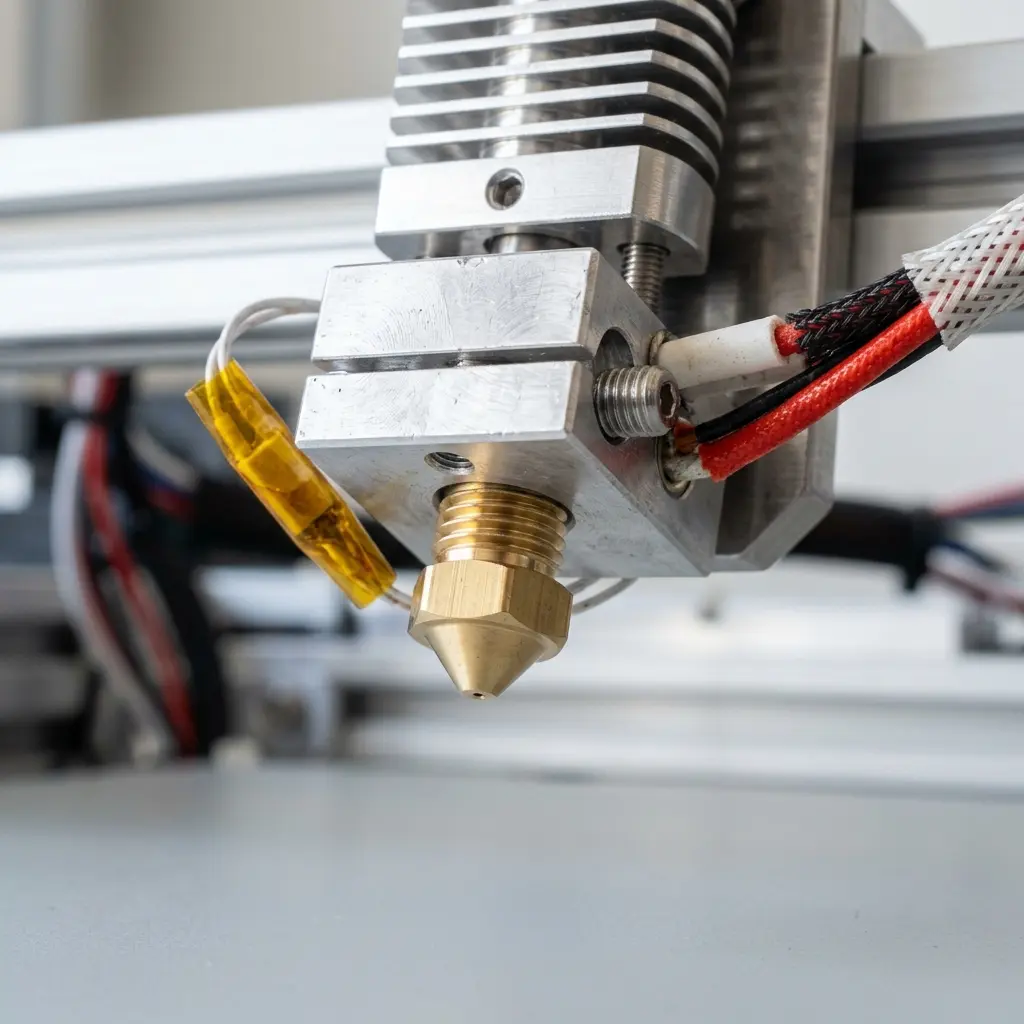
Enclosed 3D printers provide better temperature control and safety, while open frame models offer accessibility and affordability.
Understanding 3D Printer Frameworks
3D printers can be broadly classified into two main types: enclosed and open frame. Each design comes with unique features, advantages, and disadvantages that cater to different user needs.
Enclosed models are designed with a protective casing that helps maintain a consistent internal temperature. Open frame printers lack this enclosure, allowing for greater visibility and ease of access during printing.
Temperature Control and Environment
Temperature management plays a critical role in the quality of 3D prints. Enclosed 3D printers maintain a stable environment, which is crucial for materials sensitive to temperature fluctuations.
Materials like ABS can warp if exposed to varying temperatures during printing. Enclosed printers mitigate these risks, enabling successful prints with such materials.
This ability to maintain a consistent temperature can significantly improve the success rate of prints and enhance the overall quality of the final product. Open frame printers often struggle with this aspect, making them more suitable for less temperature-sensitive materials like PLA.
Understanding the material's requirements can help in choosing the right printer type. For users who frequently work with a variety of materials, selecting a printer that can handle temperature-sensitive filaments may be paramount.
Cost Considerations
Cost is a significant factor in the decision-making process when selecting a 3D printer. Open frame models are typically more affordable due to their simpler design and construction.
The absence of an enclosure reduces material costs and simplifies the manufacturing process, allowing manufacturers to offer these printers at a lower price point. In contrast, the added features of enclosed printers generally lead to a higher price tag.
Evaluating budget constraints against project needs can guide the selection process. When considering the budget, it's important to factor in the long-term costs associated with materials and maintenance.
Safety and Accessibility
Safety is another critical consideration in the choice between enclosed and open frame printers. Enclosed printers offer enhanced safety, particularly for environments with children or pets.
These models protect users from moving parts and high temperatures, minimizing the risk of accidental burns and other injuries. Open frame printers, while accessible, present more risks due to their exposed components.
Users must exercise caution, especially if the printer is located in an area frequented by children or pets. The design of open frame printers can also make them more challenging to use in situations where safety is a priority.
Print Quality and Performance
Print quality can be influenced by the type of printer chosen. Enclosed printers often deliver superior quality for a wider range of materials due to consistent environmental conditions.
This stability allows for better layer adhesion and overall print integrity, particularly when using filaments that require specific temperature settings. Open frame printers may face challenges with print quality, especially with intricate designs or materials that require stable temperatures.
Users might experience issues such as warping or layer separation when using sensitive materials in open environments. Understanding these dynamics is crucial for achieving desired results and can save users time and resources in the printing process.
Noise Levels and User Experience
Noise level is frequently a concern for users, particularly in home or office environments. Enclosed printers tend to operate more quietly due to their design, which dampens sound.
This feature is particularly advantageous for users who plan to operate the printer in a shared space where noise can be disruptive. Open frame models, however, can be significantly noisier, which may be disruptive in quieter settings.
This aspect can influence user satisfaction and overall experience. Users should consider their environment when selecting a printer, as excessive noise can detract from the enjoyment and productivity of the printing process.
Choosing the Right 3D Printer
Selecting the appropriate 3D printer hinges on various factors, including project requirements, budget, and user experience preferences. Here are some steps to guide the selection process:
- Assess the types of materials to be used. Consider the printing characteristics of each material and how they align with the printer's capabilities.
- Evaluate the printer's cost against budgetary constraints. Determine if the features of an enclosed printer justify the higher price for specific needs.
- Consider safety requirements based on the environment. Assess whether the printer will be used around children or pets.
- Determine the importance of print quality for specific projects. If high precision is required, an enclosed printer may be more suitable.
- Weigh the noise levels against the intended use location. If operating in a quiet environment, consider the noise output of the printer.
DomineTec Tip: Always review user feedback and expert evaluations to ensure the selected printer meets expected performance and safety standards.
Technical Comparison Table
| Feature | Enclosed Frame | Open Frame |
|---|---|---|
| Temperature Control | Excellent | Poor |
| Cost | Higher | Lower |
| Safety | High | Moderate |
| Print Quality | Higher for sensitive materials | Variable |
| Noise Levels | Lower | Higher |
Checklist for 3D Printer Selection
- ✔️ Identify the primary use cases for the printer (hobby, prototyping, professional production).
- ✔️ Research the types of materials planned for use and their specific requirements.
- ✔️ Set a budget that includes initial costs and potential future expenses (filaments, maintenance).
- ✔️ Evaluate the safety features based on the environment (children, pets).
- ✔️ Consider the noise level based on the workspace.
- ✔️ Look into the brand reputation and customer service support.
- ✔️ Read reviews and watch videos to get real-world insights into performance.
Conclusion
Deciding between an enclosed and open frame 3D printer involves careful consideration of various factors. Each type has its strengths and weaknesses, making it essential to align printer features with specific project goals and user needs.
Understanding the differences can help ensure the right choice is made, leading to successful 3D printing experiences. By taking the time to assess requirements and weighing the pros and cons of each printer type, an informed decision can be made that enhances 3D printing endeavors.
Frequently Asked Questions
What are the main advantages of enclosed 3D printers?
Enclosed 3D printers provide better temperature control, enhanced safety, and often superior print quality, particularly for materials sensitive to environmental changes.
Can open frame printers handle ABS and other high-temperature materials?
Open frame printers can handle some high-temperature materials, but results may vary. They are generally less reliable for materials like ABS due to temperature fluctuations.
Are enclosed printers worth the extra cost?
Enclosed printers can be worth the investment for users needing high-quality prints with materials that are sensitive to temperature changes. They also enhance safety for home use.
How does noise level affect the user experience?
Noise level can significantly influence the user experience, especially in quiet environments. Enclosed printers typically operate more quietly, contributing to a more pleasant working atmosphere.
What materials are best suited for open frame printers?
Open frame printers are best suited for materials like PLA, which is less sensitive to temperature variations. Users can achieve good results with these materials in an open environment.
```htmlAdvanced Configurations for Enclosed and Open Frame Printers
Enclosed 3D printers often come with advanced configurations such as temperature control and humidity regulation, which are essential for accurate printing of high-performance materials. In contrast, open frame printers provide more flexibility in terms of component upgrades and modifications, making them suitable for experimental setups.
The ability to customize an enclosed printer's environment can lead to improved print quality and reduced warping of materials like ABS or nylon. Open frame printers, while less controlled, allow users to experiment with different configurations, enabling rapid prototyping and iterative design processes.
Common Calibration Mistakes
Calibration is critical in achieving optimal print quality, and various mistakes can occur with both printer types. A frequent error with enclosed printers is neglecting to adjust the bed temperature, which can lead to adhesion issues and print failures.
Open frame printers may face challenges in leveling the print bed adequately, as vibrations and external factors can affect the calibration process. Ensuring proper calibration for either type is essential in minimizing print defects and enhancing overall performance.
Cost Estimations for Both Printer Types
The initial cost of enclosed 3D printers tends to be higher due to their added features and protective housing. However, the long-term savings from reduced material waste and improved success rates can offset the initial investment.
On the other hand, open frame printers usually have a lower entry price but may incur higher costs in the form of failed prints and material loss. Evaluating the total cost of ownership for both types will provide a clearer picture of their financial implications.
Security Precautions in Enclosed vs Open Frame Printers
Safety is a major consideration when operating 3D printers, especially with enclosed models that can contain high-temperature components. Enclosed printers often have built-in safety features, like automatic shutdown mechanisms and fire-resistant materials, to mitigate risks.
In contrast, open frame printers require users to be more vigilant, as exposed components can pose hazards. Implementing additional safety measures, such as external enclosures or monitoring systems, is recommended for open frame setups to ensure a secure printing environment.
Alternative Choices to Consider
When choosing between enclosed and open frame printers, alternative options such as delta or resin printers may also be worth considering. Delta printers are known for their speed and precision, while resin printers excel in producing high-detail parts.
Each type of printer comes with its own set of advantages and limitations, and the choice largely depends on specific project requirements. Exploring various technologies can provide better insight into the best fit for individual needs.
Material Compatibility and Performance
The type of printer can significantly influence material compatibility, with enclosed models typically supporting a wider range of filaments. High-temperature materials, such as polycarbonate or nylon, are better suited for enclosed environments due to their sensitivity to temperature fluctuations.
Open frame printers, while versatile, often excel with standard filaments like PLA and PETG, which do not require controlled environments. Understanding the material requirements will guide the selection of the appropriate printer type for specific applications.
Post-Processing Techniques for Different Printer Types
Post-processing is an essential aspect of 3D printing that can vary based on the printer type. Enclosed printers may produce smoother finishes due to better layer adhesion, reducing the need for extensive post-processing work.
Conversely, prints from open frame printers may require more finishing techniques, such as sanding or priming, to achieve desired aesthetics. Evaluating the post-processing requirements can help in selecting the printer that aligns best with project goals.
``` ```htmlEnclosed vs Open Frame 3D Printers: Key Differences
3D printing technology has evolved rapidly, leading to the development of various printer designs tailored for different applications and user needs. Among these designs, enclosed and open frame 3D printers are two of the most prominent types. Understanding the key differences between these two categories can help users make informed decisions regarding their 3D printing projects.
Definition of Enclosed Frame 3D Printers
Enclosed frame 3D printers feature a fully enclosed build chamber. This design serves to regulate environmental factors, providing a stable temperature and shielding the print area from external influences.
Definition of Open Frame 3D Printers
Open frame 3D printers are characterized by their lack of a covering around the print area. This design allows for easy access to the printer and the printed object, but it also exposes the print environment to ambient conditions.
Key Differences Between Enclosed and Open Frame 3D Printers
| Feature | Enclosed Frame 3D Printers | Open Frame 3D Printers |
|---|---|---|
| Temperature Control | Maintains a stable temperature, reducing warping in prints | Exposed to ambient temperature, which can lead to warping |
| Filament Compatibility | Compatible with more advanced materials (e.g., ABS, Nylon) | Best suited for PLA and other low-temperature materials |
| Safety | Safer for use around children and pets due to enclosed design | Potential hazards due to exposed moving parts and hot components |
| Print Quality | Generally higher due to controlled environment | Variable, affected by temperature fluctuations |
| Ease of Access | More difficult to access print area for adjustments | Easy access for monitoring and maintenance |
| Cost | Typically more expensive due to additional materials and features | Usually more affordable and budget-friendly |
| Size | Often bulkier due to enclosure | More compact and space-efficient |
Advantages of Enclosed Frame 3D Printers
- Temperature Stability: The enclosure helps to maintain a uniform temperature, which is crucial for printing with materials that are sensitive to temperature changes.
- Reduced Emissions: Enclosed printers can help contain any fumes or particles released during printing, making them safer for indoor use.
- Enhanced Print Quality: With better temperature control, prints are less likely to warp or suffer from layer adhesion issues.
- Versatility: Capable of printing with a wider range of materials, including high-performance thermoplastics.
Advantages of Open Frame 3D Printers
- Accessibility: Easy access to the print bed and components allows for quick adjustments and maintenance.
- Cost-Effective: Generally more affordable than enclosed models, making them a popular choice for hobbyists and educational settings.
- Compact Design: Less space required, making them suitable for home use or small workshops.
- Real-Time Monitoring: Users can easily monitor the print process without needing to open an enclosure.
Considerations When Choosing Between Enclosed and Open Frame 3D Printers
When selecting a 3D printer, several factors must be taken into account:
- Type of Material: Determine the materials that will be used for printing. Enclosed printers are preferable for high-temperature materials.
- Print Quality Requirements: Consider the quality required for the projects. High-quality prints often necessitate stable printing environments.
- Safety: If safety is a concern, especially in homes with children or pets, an enclosed printer may be the better option.
- Budget: Budget constraints will naturally influence the choice, with open frame printers typically being more economical.
Conclusion
Both enclosed and open frame 3D printers have distinct advantages and disadvantages. The choice between the two largely depends on the user's specific needs, including material compatibility, safety considerations, and budget constraints. By understanding these key differences, users can make a more informed decision that aligns with their 3D printing objectives.




