Ubiquiti EdgeRouter X: In-Depth Initial Setup and Wizards Guide

The Ubiquiti EdgeRouter X offers a robust platform for managing network traffic and provides various setup wizards for initial configuration.
Hardware Specifications
The EdgeRouter X features a quad-core MIPS 1004K CPU running at 880 MHz, with 256 MB of RAM and 512 MB of flash storage. It supports up to 1 Gbps throughput and features five Gigabit Ethernet ports.
Initial Access to the Router
Connect a computer to one of the LAN ports using an Ethernet cable. The default IP address for accessing the EdgeRouter X is 192.168.1.1, with username "ubnt" and password "ubnt".
Using the Setup Wizard
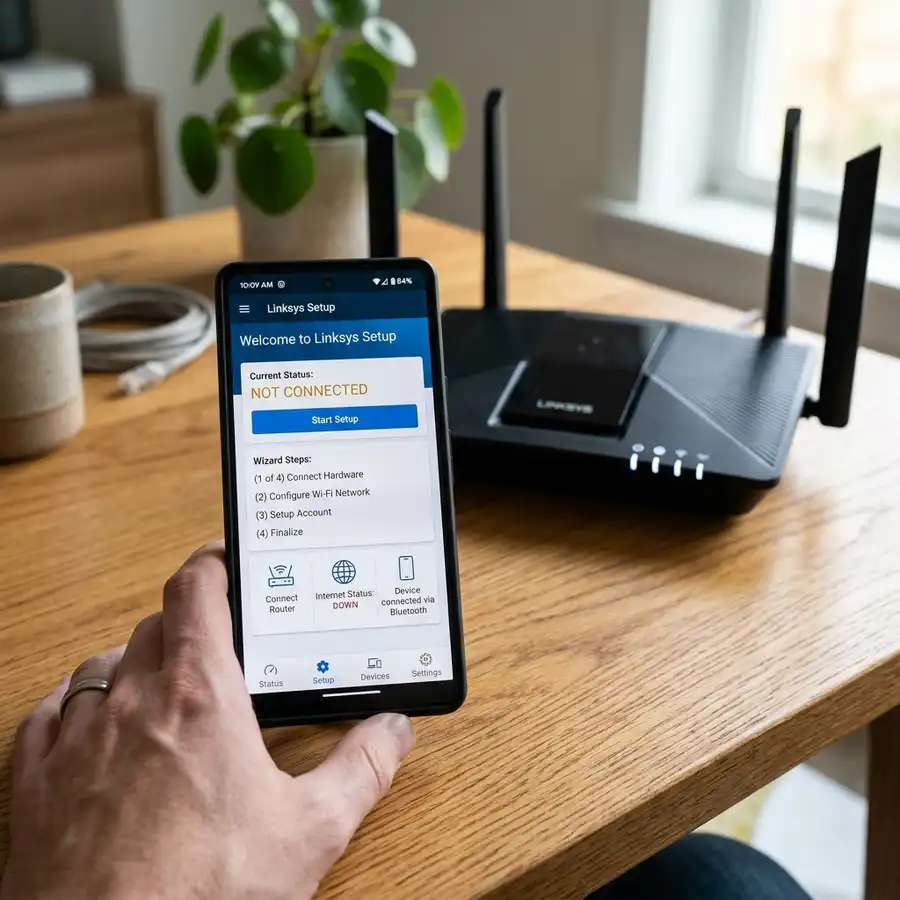
The EdgeRouter X comes with a setup wizard accessible via the web interface. This wizard simplifies the configuration of basic network settings, including WAN and LAN configurations.
Advanced Configuration Options
Advanced options include setting up VPNs, firewall rules, and static routes. Configuration is managed through the web interface or via CLI using SSH for advanced users.
Comparative Overview of Ubiquiti EdgeRouter Models
| Model | CPU | RAM | Ports | Throughput |
|---|---|---|---|---|
| EdgeRouter X | Quad-Core MIPS | 256 MB | 5 | 1 Gbps |
| EdgeRouter Lite | Dual-Core MIPS | 512 MB | 3 | 1 Gbps |
| EdgeRouter Pro | Quad-Core ARM | 1 GB | 8 | 2 Gbps |
DomineTec Tip: Always update the firmware to the latest version to ensure optimal performance and security features.
- Connect the EdgeRouter X to a power source and connect your computer to a LAN port.
- Access the router’s web interface by entering 192.168.1.1 in a web browser.
- Log in with the default credentials (username: ubnt, password: ubnt).
- Follow the setup wizard prompts to configure WAN and LAN settings.
- Save the configuration and reboot the router to apply changes.

Network Topology and Design Considerations
Understanding network topology is vital for optimizing the performance of the Ubiquiti EdgeRouter X. The choice of topology can influence data flow and overall network efficiency.
Common topologies include star, bus, and mesh configurations, each suited for different use cases. Selecting the right topology depends on the size of the network and the specific requirements of the users.
For residential use, a star topology is often recommended due to its simplicity and ease of troubleshooting. However, for larger organizations, a mesh topology can provide greater redundancy and reliability.
It is important to plan the network layout carefully, taking into account potential bottlenecks and the placement of devices to ensure optimal coverage and performance.
Implementing VLANs for Enhanced Security
Virtual Local Area Networks (VLANs) are essential for segmenting network traffic and enhancing security. The EdgeRouter X supports VLAN configuration, enabling users to create isolated networks.
By implementing VLANs, sensitive data can be separated from general traffic, reducing the risk of unauthorized access. This is particularly useful in environments where different user groups require varying levels of access.
Configuring VLANs on the EdgeRouter X involves setting up interfaces and assigning them to specific VLAN IDs. This allows for better organization of network resources and improved traffic management.
Regularly reviewing and updating VLAN configurations is necessary to adapt to changing network needs and to maintain a secure environment.
Quality of Service (QoS) Configuration
Quality of Service (QoS) is a critical feature for managing bandwidth and ensuring optimal performance for different types of network traffic. The EdgeRouter X allows for granular QoS settings to prioritize essential applications.
Configuring QoS helps to avoid congestion during peak usage times, ensuring that bandwidth-intensive applications like video streaming or gaming receive the necessary resources.
Users can define rules based on IP addresses, ports, or protocols to allocate bandwidth effectively. This flexibility allows for customization according to specific network demands.
Monitoring QoS settings regularly is essential to adapt to changes in network usage patterns and to maintain a balanced distribution of resources across the network.
Firewall and Security Settings
Firewall configuration is crucial for protecting the network from external threats. The EdgeRouter X provides a robust set of firewall features that can be tailored to meet individual security needs.
Setting up firewall rules involves defining criteria for allowing or blocking traffic, including IP addresses, protocols, and ports. This level of control enhances the overall security of the network.
Regular updates to firewall settings are necessary to respond to evolving security threats. Monitoring logs can also provide insights into potential vulnerabilities and attack attempts.
Incorporating additional security measures, such as intrusion detection systems and VPNs, can further fortify the network against unauthorized access and data breaches.
Integration with Ubiquiti UniFi Products
The EdgeRouter X can be effectively integrated with Ubiquiti UniFi products, allowing for a cohesive network management experience. This integration enables users to leverage advanced features across devices.
By combining the EdgeRouter with UniFi access points and switches, users can manage their entire network from a single interface, simplifying administration tasks.
This ecosystem approach enhances visibility into network performance, user activity, and device management. Additionally, it allows for seamless scaling as network demands grow.
Utilizing the UniFi Controller software alongside the EdgeRouter X can also provide insights into traffic patterns and facilitate troubleshooting efforts.
Monitoring and Logging Features
Effective monitoring and logging are essential for maintaining network health and performance. The EdgeRouter X offers a variety of tools for tracking traffic and diagnosing issues.
Users can access real-time statistics and historical data through the router’s interface, enabling proactive management of network resources. This data can inform decisions regarding bandwidth allocation and hardware upgrades.
Configuring logging options allows users to record important events and changes within the network, assisting in audits and compliance checks. Proper logging can also aid in identifying security breaches.
Regularly reviewing logs and performance metrics helps in identifying trends and potential concerns, ensuring that the network remains efficient and secure over time.
Backup and Restore Procedures
Establishing backup and restore procedures is essential for safeguarding network configurations. The EdgeRouter X provides options for creating backups of settings and configurations.
Regular backups can prevent data loss and minimize downtime in case of hardware failure or configuration errors. Users should implement a routine schedule for backups to ensure current settings are preserved.
Restoring configurations is straightforward, allowing users to revert to previous settings quickly. This feature is particularly beneficial during troubleshooting or after significant changes to the network.
Documenting backup procedures and maintaining copies in secure locations can further enhance recovery efforts, ensuring that the network can be restored efficiently when needed.
Dynamic Routing Protocols Configuration
Dynamic routing protocols allow routers to automatically update their routing tables based on network changes, enhancing the efficiency of data packet delivery.
The Ubiquiti EdgeRouter X supports several dynamic routing protocols, such as OSPF (Open Shortest Path First) and BGP (Border Gateway Protocol), which can be configured through the web interface or command line.
To enable OSPF, navigate to the routing settings and define the OSPF areas and networks that will participate in the routing process.
For BGP configuration, establish a session by specifying neighbor IP addresses and appropriate AS numbers, ensuring proper route advertisement within the network.
Advanced VPN Configuration Options
Virtual Private Networks (VPNs) provide secure connections over the Internet, making them essential for remote access and site-to-site communication.
The EdgeRouter X offers various VPN protocols, including PPTP, L2TP, and OpenVPN, each with different levels of security and compatibility.
To set up an OpenVPN server, generate server and client certificates, configure encryption settings, and define user access, ensuring that users can connect securely from remote locations.
Monitoring VPN performance and connection logs is crucial for maintaining security and troubleshooting potential issues that may arise during remote access.
Traffic Shaping and Bandwidth Management
Traffic shaping and bandwidth management are vital for optimizing network performance and ensuring fair resource distribution among users and applications.
The EdgeRouter X provides tools to define traffic rules based on IP addresses, protocols, and port numbers, allowing administrators to prioritize critical applications.
Implementing bandwidth limits for specific users or services can prevent network congestion and maintain a smooth experience for all users.
Regularly analyzing traffic patterns and adjusting these settings can help in accommodating changes in user behavior and network demands over time.
Firmware Updates and System Maintenance
Keeping the EdgeRouter X firmware up to date is essential for security, functionality, and performance enhancements.
Regularly check the Ubiquiti website for the latest firmware releases and follow the documented procedures for safe installation.
In addition to firmware updates, routine maintenance tasks such as reviewing logs, monitoring network performance, and ensuring backup configurations can help maintain optimal operation.
Establishing a maintenance schedule can assist in proactively addressing potential issues and leveraging new features as they become available.
Dual WAN Configuration for Redundancy
Configuring dual WAN connections on the Ubiquiti EdgeRouter X can significantly enhance network reliability and uptime. By utilizing two separate Internet Service Providers (ISPs), the router can be set up to automatically switch between connections in case of a failure, ensuring uninterrupted connectivity.
To set up dual WAN, access the EdgeRouter's web interface and navigate to the “Dashboard.” Here, you can add a second WAN interface by selecting the appropriate Ethernet port and configuring its settings according to your ISP's specifications. Ensure that both WAN interfaces are set to obtain an IP address automatically or are configured with static IPs as required.
Once both WAN connections are established, it's essential to configure load balancing and failover settings. This can be done through the “Load Balancing” tab, where you can specify how traffic should be distributed between the two WANs. The EdgeRouter offers various algorithms for load balancing, allowing you to optimize performance based on your network's needs.
After configuring dual WAN, it's crucial to test the failover functionality. Disconnect one of the WAN connections and ensure that the EdgeRouter seamlessly switches to the secondary connection, maintaining stable internet access. This setup not only provides redundancy but also improves overall network resilience.
Static Routing and Route Management
Static routing is a fundamental aspect of network management that allows for precise control over data packet delivery within a network. In the EdgeRouter X, static routes can be easily configured to direct traffic to specific subnets or external networks based on defined criteria.
To set up a static route, navigate to the “Routing” tab in the EdgeRouter interface. Here, users can define the destination network, subnet mask, and the next-hop IP address. This information is crucial for ensuring that data packets reach their intended destinations without unnecessary delays.
In addition to basic static routes, the EdgeRouter allows for the management of more complex routing scenarios. Users can configure multiple static routes and prioritize them based on their needs, enabling efficient traffic management across diverse network topologies. Review and adjust routes as necessary to adapt to changing network demands.
It is important to monitor the effects of static routes on network performance. Regularly assess routing efficiency and make adjustments to optimize data flow. Keeping detailed documentation of static routes can also aid in troubleshooting and future network modifications.
Implementing Network Monitoring with SNMP
Simple Network Management Protocol (SNMP) is a powerful tool for monitoring network devices and performance. The Ubiquiti EdgeRouter X supports SNMP, allowing users to gather valuable data about network activity and device health.
To enable SNMP, navigate to the “Services” tab within the EdgeRouter interface. From there, users can configure SNMP settings, including community strings and access control. Proper configuration ensures that monitoring tools can retrieve information without compromising security.
Once SNMP is enabled, integrate it with network monitoring solutions such as Zabbix or PRTG. These tools can provide real-time insights into network performance, helping to identify bottlenecks and potential issues before they impact users. Regular monitoring is essential for maintaining optimal network performance.
Additionally, consider setting up alerts based on SNMP data to proactively manage network health. By defining thresholds for critical metrics, administrators can receive notifications when performance deviates from expected norms, allowing for quick responses to potential issues.
Advanced DHCP Configuration for EdgeRouter X
The Dynamic Host Configuration Protocol (DHCP) is crucial for managing IP address assignments within a network. The EdgeRouter X provides extensive DHCP configuration options, allowing administrators to customize settings for optimal performance and security. Users can define DHCP ranges, set lease times, and assign static IP addresses to specific devices, enhancing control over network resources.
In addition to basic settings, the EdgeRouter X supports advanced DHCP features such as DHCP relay and option 82, which can be utilized in larger networks. DHCP relay allows the router to forward DHCP requests to a designated server, facilitating centralized management of IP address assignments. Option 82 enhances security by adding relay agent information to packets, helping network administrators identify the source of DHCP requests.
Furthermore, the EdgeRouter X enables the configuration of custom DNS servers within the DHCP settings. By specifying preferred and alternate DNS servers, users can improve name resolution speed and reliability. This feature is particularly beneficial for organizations that rely on specific DNS services for enhanced security or content filtering.
Finally, users can also monitor DHCP leases through the EdgeRouter's web interface, providing insights into device connections and IP address utilization. This monitoring capability is essential for troubleshooting network issues and ensuring that devices are receiving appropriate IP addresses without conflicts.
Implementing Network Segmentation with Subnets
Network segmentation is an effective strategy for improving performance and security within a network. The Ubiquiti EdgeRouter X allows for easy implementation of subnets, which can help to isolate different segments of the network, reducing broadcast traffic and enhancing overall efficiency. By creating separate subnets for different departments or device types, administrators can control traffic flow and minimize the risk of unauthorized access.
The EdgeRouter X supports the creation and management of multiple subnets through its intuitive interface. Users can define each subnet's IP address range, subnet mask, and gateway settings, allowing for tailored configurations based on organizational needs. This flexibility enables companies to optimize their network architecture while maintaining compatibility with existing systems.
Moreover, implementing subnets can significantly enhance security measures. By isolating sensitive devices or departments within their own subnets, administrators can enforce stricter firewall rules and access controls. This approach helps to protect critical assets from potential threats originating from other segments of the network, thereby reducing the attack surface.
Lastly, monitoring and managing subnets is made simpler with the EdgeRouter X's comprehensive dashboard. Administrators can gain insights into traffic patterns, device connections, and performance metrics for each subnet, making it easier to identify potential issues and optimize resource distribution. This capability is essential for maintaining a robust and secure network environment.
Frequently Asked Questions
What is the default IP address of the EdgeRouter X?
The default IP address is 192.168.1.1.
How can the EdgeRouter X be reset to factory settings?
Press and hold the reset button on the router for about 10 seconds until the LED indicator flashes.
Can VLANs be configured on the EdgeRouter X?
Yes, VLANs can be configured through the web interface under the "VLAN" menu.
Is it possible to set up a VPN on the EdgeRouter X?
Yes, the EdgeRouter X supports various VPN protocols, including PPTP and OpenVPN.
What is the maximum throughput of the EdgeRouter X?
The maximum throughput is 1 Gbps for routing and firewall operations.