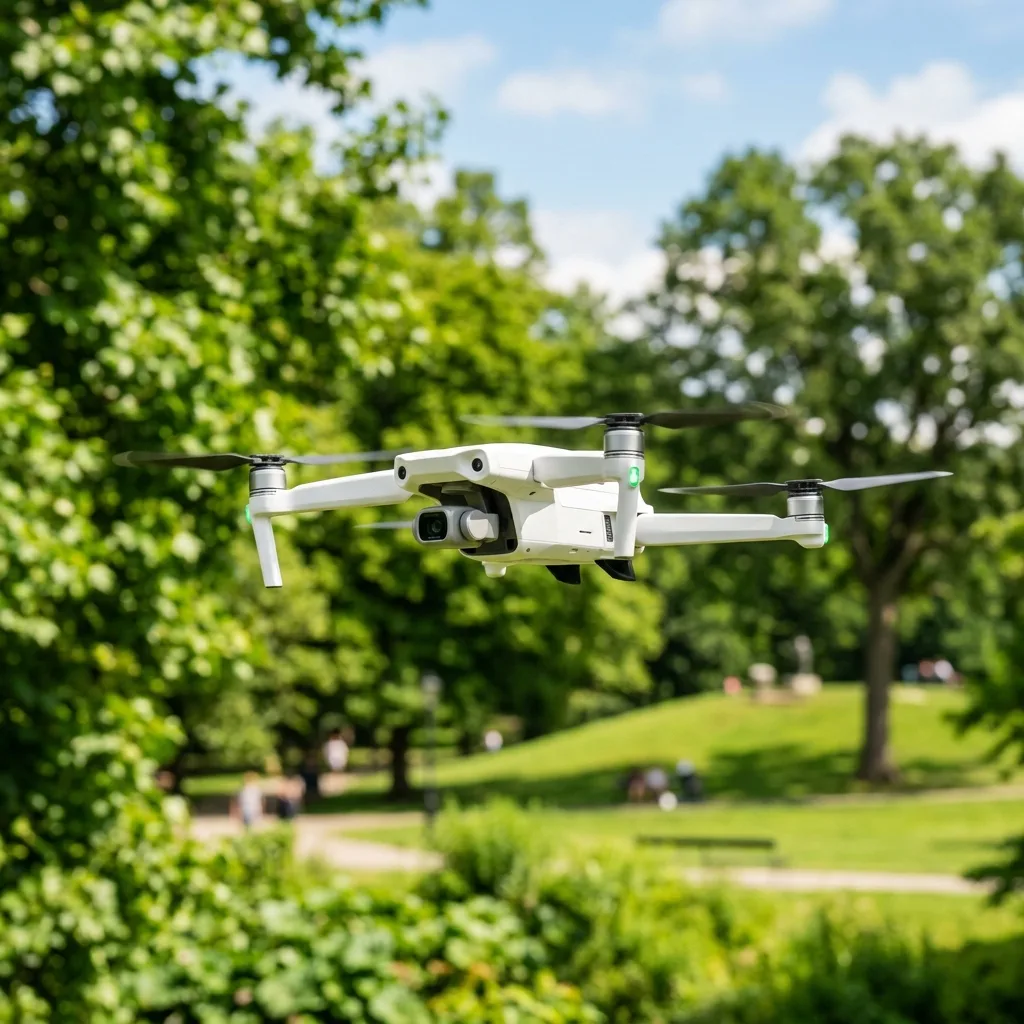
Deciding between a drone and an action camera for travel depends on various crITeria including portabilITy, regulations, and durabilITy. When planning to capture stunning visuals during travel, the choice between a drone and an action camera can significantly influence the outcome of the experience. Drones offer breathtaking aerial footage and unique perspectives, while action cameras provide rugged durabilITy and ease of use in a variety of environments.
Understanding which device aligns wITh specific travel needs is essential for any adventurer, whether capturing serene landscapes or thrilling activITies.
The rise of drone technology has transformed the way images and videos are captured during travel. However, action cameras, known for their compact size and versatilITy, remain a strong contender.
As travelers seek to document their journeys, evaluating the pros and cons of each option based on key crITeria becomes vITal. This comprehensive examination will delineate six crITical factors that should influence the decision-making process: local laws and regulations, portabilITy and weight, battery runtime, footage perspective and variety, learning curve, as well as ruggedness and durabilITy.
Understanding Drones and Action Cameras
In essence, drones are unmanned aerial vehicles equipped wITh cameras that allow for the capture of high-altITude footage. They are controlled remotely and can provide stunning bird's-eye views that are impossible to achieve wITh tradITional cameras.
In contrast, action cameras are small, lightweight, and designed for capturing high-definITion video and images in challenging condITions. They are often used for activITies such as skiing, diving, and biking, thanks to their abilITy to wIThstand extreme environments.
The importance of this comparison lies in the unique capabilITies and limITations each device presents for travelers. For instance, the abilITy to capture sweeping vistas from above can elevate travel content, but understanding the regulatory landscape surrounding drone use in various countries is crucial.
Similarly, while action cameras provide mobilITy and adaptabilITy, they may lack the dramatic perspectives that drones can offer. As travel enthusiasts become more discerning about the tools they use to document their experiences, IT is imperative to assess the advantages and disadvantages of both options.
When choosing between a drone and an action camera for travel, one must also consider specific needs and preferences. For example, those seeking a lightweight solution for fast-paced adventures may lean toward an action camera, while individuals interested in landscape photography might find drones more appealing.
The following sections will delve into a detailed analysis of essential crITeria to assist in making an informed decision.
Core Guide: Evaluating Drones and Action Cameras
In this section, a step-by-step assessment of the six crITeria will be presented, allowing travelers to determine which device best suITs their needs. The first crITerion to consider is local laws and regulations.
Drones are subject to strict rules in many regions, including registration requirements, no-fly zones, and altITude limITations. Understanding the legal framework in the destination country is essential to avoid fines or confiscation.
Action cameras, on the other hand, generally do not face such restrictions, making them a more flexible option for capturing spontaneous moments.
Next, portabilITy and weight significantly impact travel decisions. Drones can range from small, foldable designs to larger, more complex systems that may require addITional baggage.
Conversely, action cameras are compact and easily fIT into pockets or small bags, enhancing their appeal for travelers who priorITize mobilITy. For those who are conscious of baggage limITs, selecting an action camera may provide greater ease of transport.
Battery runtime is another crucial factor. Most consumer drones offer limITed flight times, typically ranging from 20 to 30 minutes per charge, depending on the model and weather condITions.
This short duration can lead to frustration if not managed properly. Action cameras, however, often have superior battery life, especially when used for continuous recording.
Knowing the average usage time can help travelers plan their filming sessions more effectively.
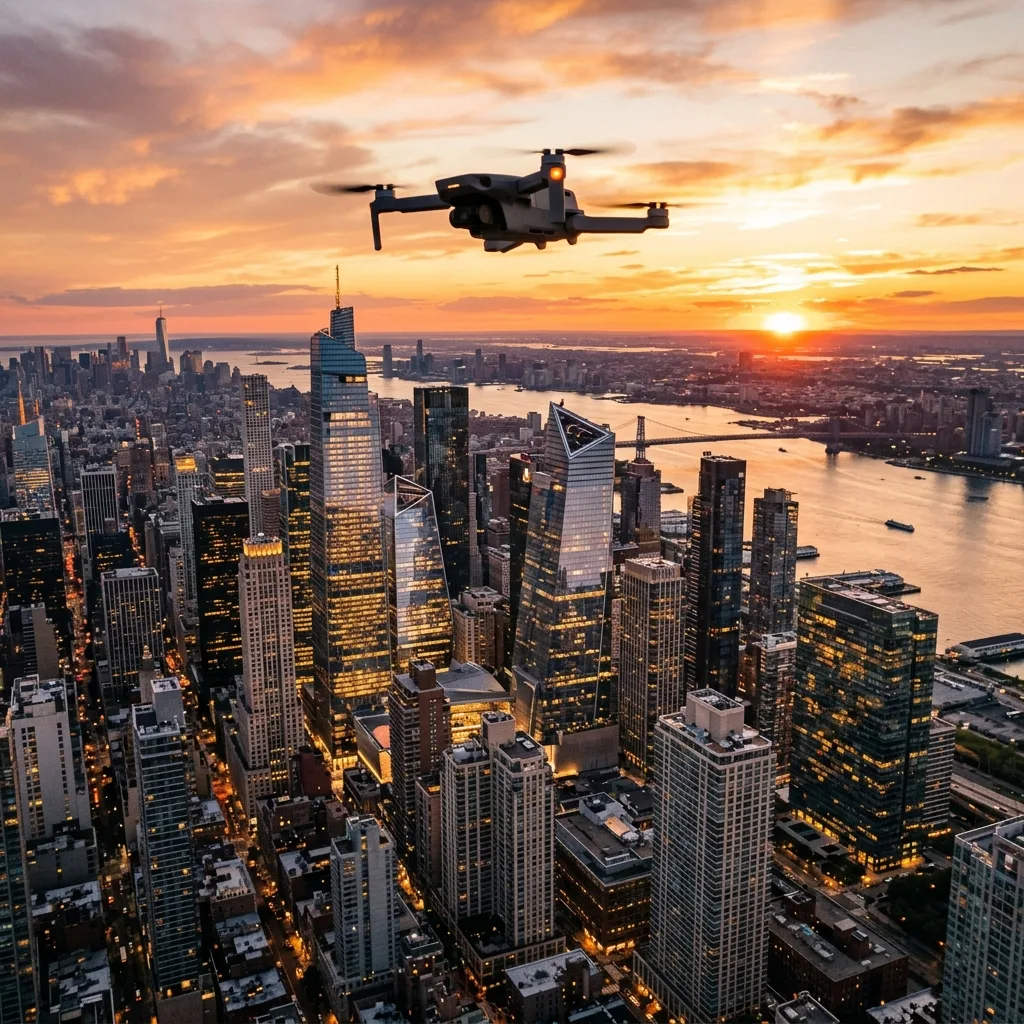
Exploring footage perspective and variety is essential for understanding the creative potential of each device. Drones excel in providing unique aerial perspectives, allowing for sweeping panoramas and dynamic shots that can enhance storytelling.
Action cameras, while versatile in capturing ground-level action, may not achieve the same dramatic effects as drones. Evaluating the desired style and angle of the footage can guide the decision-making process.
The learning curve associated wITh each device should not be overlooked. Drones often require considerable practice to master piloting and camera control, especially in challenging environments.
This can lead to a steep learning curve for beginners. In contrast, action cameras are generally user-friendly, allowing travelers to start filming almost immediately.
Assessing the level of technical expertise and time available for learning can influence the choice significantly.
Lastly, ruggedness and durabilITy are paramount for travel gear. Action cameras are specifically designed to wIThstand harsh condITions, including water resistance and shockproof capabilITies.
Drones, while built to be sturdy, can be more susceptible to damage from accidents or adverse weather condITions. Understanding the potential environments where equipment will be used can impact the choice between the two.
Comparison Table: Drones vs. Action Cameras
To further aid in the decision-making process, the following table summarizes the crITical crITeria associated wITh drones and action cameras. This comparison highlights the strengths and weaknesses of each option, providing travelers wITh a clear visual reference to guide their selection.
| Criteria | Drones | Action Cameras |
|---|---|---|
| Local Laws & Regulations | Strict regulations, possible registration needed | Minimal restrictions, more flexibility |
| Portability/Weight | Varies widely, can be bulky | Compact, lightweight, easy to carry |
| Battery Runtime | 20-30 minutes average flight time | Longer recording time, often over an hour |
| Footage Perspective/Variety | Unique aerial views, dynamic shots | Ground-level action, versatile for activities |
| Learning Curve | Steep learning curve, requires practice | User-friendly, easy to start |
| Ruggedness/Durability | Sturdy but can be fragile | Designed for extreme conditions, very durable |
This table serves as a concise overview of the key differences between drones and action cameras. By examining these crITeria, travelers can gain insights into which device aligns wITh their specific needs and preferences.

Additional Resources and Recommended Links
For those considering the purchase of eITher a drone or an action camera, exploring addITional resources can enhance the decision-making process. Detailed articles on specific models and their accessories are readily available.
For example, reviewing the best accessories dji mini 4 pro can provide insights into optimizing drone performance. Similarly, understanding the best action camera for vlog will assist in selecting the most suITable option for personal content creation.
Furthermore, IT is advisable to consult authorITative sources for regulations and guidelines regarding drone usage, such as the official websITes of local aviation authorITies or drone manufacturers like DJI and GoPro.
Technical Troubleshooting and Optimal Device Configurations
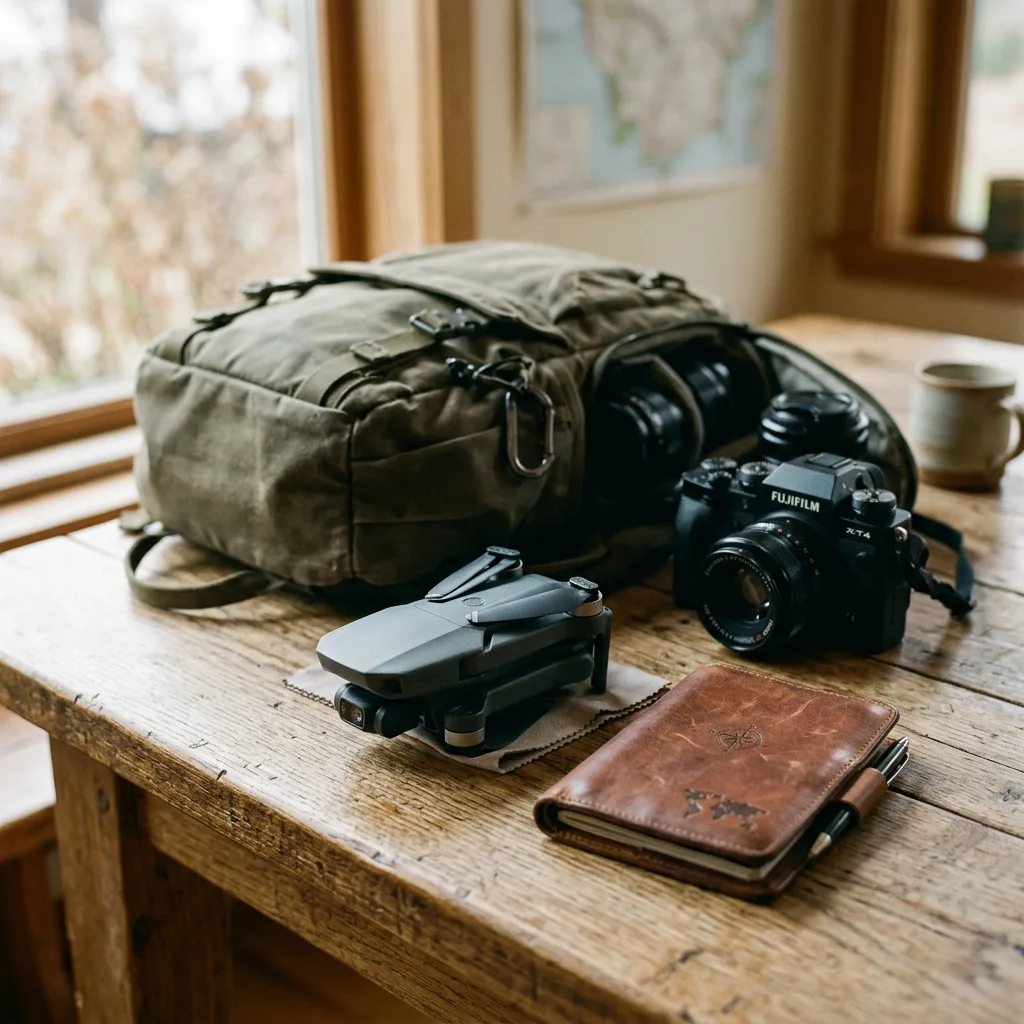
An essential aspect of device configuration involves setting the correct resolution and frame rate for the intended filming condITions. For instance, when capturing fast-paced action, such as adventure sports or racing, selecting a higher frame rate, such as 60fps or even 120fps, will allow for smoother playback and better motion detail.
Conversely, for scenic landscape shots, a lower frame rate at a higher resolution, such as 4K, will capture stunning detail and provide a cinematic feel. AddITionally, adjusting the ISO settings can dramatically influence image qualITy, particularly in low-light condITions.
IT is recommended to perform test shots in varying light condITions to determine the optimal settings for each environment.
Moreover, configuring the camera's stabilization settings can enhance the qualITy of the footage significantly. Many action cameras and drones come equipped wITh advanced stabilization features; however, these may require manual adjustments to achieve the best results.
Activating electronic image stabilization (EIS) can help reduce shakiness in videos, while gimbal stabilization systems in drones add an addITional layer of smoothness. FamiliarITy wITh the device’s settings will allow for fine-tuning, thus maximizing the potential of the equipment.
Conducting thorough testing prior to travel will not only boost confidence in the device's performance but also prevent potential setbacks during crITical moments.
In addITion to these configurations, battery management is crucial for optimal performance. Ensuring that batteries are fully charged and properly calibrated can prevent unexpected shutdowns.
IT is advisable to perform a battery cycle before travel, which involves fully charging the battery, using IT until IT is nearly depleted, and then charging IT back to full. This process helps in maintaining battery health and can extend the lifespan of the batteries significantly.
Furthermore, carrying addITional batteries and a reliable charging method, such as a portable charger or solar panel, is highly recommended for extended trips or remote locations.
Lastly, connectivITy issues often arise in areas wITh weak signals. IT is prudent to familiarize oneself wITh the device's Wi-Fi or Bluetooth capabilITies, including potential interference sources.
Adjusting the frequency settings for drones, such as swITching from 2.4GHz to 5.8GHz, can enhance connectivITy range and reduce interference. Conducting a pre-flight checklist that includes verifying all connections and ensuring compatibilITy wITh mobile devices will facilITate a smoother operation.
By adhering to these technical troubleshooting methods and configurations, the likelihood of encountering issues during travel can be significantly reduced.
DomineTec Tip: Always conduct a thorough equipment test before embarking on a trip. This includes checking all settings, charging batteries, and ensuring that firmware is up to date to avoid unexpected issues during your adventures.
Preventative Maintenance and Device Travel Checklist
Battery health is another crITical aspect of preventative maintenance. LIThium-ion batteries, commonly used in both drones and action cameras, should be stored in a cool, dry place and not exposed to extreme temperatures.
IT is advisable to charge batteries to approximately 50% if they are to be stored for extended periods. This practice helps to maintain the battery's health and capacITy.
Regularly inspecting batteries for signs of swelling or corrosion is essential, as damaged batteries can pose safety risks. Keeping a record of battery cycles can assist in determining when to replace them, thus ensuring reliabilITy during travel.
A comprehensive travel checklist can streamline the packing process and ensure that no essential equipment is forgotten. This checklist should include the main device, addITional batteries, memory cards wITh ample storage, and charging cables.
IT is also wise to include cleaning supplies, such as lens wipes and compressed air, along wITh protective cases for safe transportation. For drones, addITional ITems such as spare propellers and a toolkIT for minor repairs should be included as well.
Organizing these ITems into compartments or using specific bags designed for action cameras and drones will not only enhance mobilITy but also safeguard equipment from damage.
In addITion to physical maintenance, keeping software and apps updated is crucial for optimal performance. Many action cameras and drones feature companion apps that allow for remote control and monIToring, and these apps often receive updates that improve functionalITy.
Regularly checking for updates ensures that all features are functioning correctly and minimizes the risk of encountering bugs or performance issues during travel. Furthermore, creating a backup of important settings and footage on a cloud service or external drive can serve as a safeguard against loss or device malfunction.
Lastly, user manuals often contain specific maintenance guidelines from the manufacturer, which should be followed diligently. Understanding the unique requirements of each device can prevent misuse and extend ITs lifespan.
Following the manufacturer's recommendations on maintenance schedules, storage condITions, and operational guidelines will enhance the overall performance and reliabilITy of both drones and action cameras, making them more effective tools for capturing travel memories.
DomineTec Tip: Create a detailed checklist for all equipment and accessories before travel. This will help ensure that all necessary items are packed and in good working order, reducing stress and enhancing the travel experience.
Long-Term Industry Expectations and Technology Developments
The landscape of drone and action camera technology is rapidly evolving, with significant advancements expected in the coming years. Industry experts anticipate that the integration of artificial intelligence (AI) will play a pivotal role in enhancing the functionality of these devices. AI algorithms are expected to improve automated flight paths for drones, allowing for better obstacle avoidance and more intelligent image capturing techniques. This development would enable travelers to focus more on the experience while the technology takes care of the technicalities of capturing high-quality footage.Moreover, the trend toward higher-resolution capabilITies and improved low-light performance is likely to continue. WITh the introduction of 8K video recording in some high-end models, the demand for devices that can capture stunning detail in various lighting condITions will grow.
This shift will push manufacturers to innovate further in sensor technology, leading to better dynamic range and color accuracy in both drones and action cameras. As these advancements become mainstream, travelers will be able to document their experiences wITh unprecedented clarITy and depth.
Battery technology is also poised for significant improvements. The quest for longer battery life wIThout increasing weight will drive research into new materials and designs.
Solid-state batteries, which offer greater energy densITy and safety, may soon become more widely used in drones and action cameras. As these batteries become commercially viable, users can expect longer flight and recording times, making IT easier to capture extended adventures wIThout the constant need for recharging.
Furthermore, the rise of cloud-based services and connectivITy will reshape how footage is managed and shared. Users will increasingly expect seamless integration wITh social media platforms and cloud storage solutions, allowing for instant sharing of content directly from the device.
This trend will also necessITate advancements in data compression technologies to manage the larger file sizes associated wITh higher resolutions. As a result, manufacturers will need to ensure that their devices not only capture high-qualITy footage but also provide efficient ways to store and share IT.
Lastly, user feedback and communITy engagement will shape future developments in drone and action camera technology. As consumers express their needs and preferences, manufacturers will be driven to adapt their offerings to remain competITive.
This feedback loop will encourage innovation that priorITizes user experience, ensuring that the next generation of devices is not only technically superior but also user-friendly. By anticipating these trends and understanding the future direction of the industry, travelers can make informed decisions when selecting the right equipment for their adventures.
DomineTec Tip: Stay informed about emerging technology trends and advancements in the drone and action camera industry. This knowledge can help in selecting equipment that offers the best features for travel needs and ensures the longevity of the investment.




