Does Shielded Ethernet Cable Prevent Interference when Run next to Power Lines?
Yes
When setting up a network, running Ethernet cables near power lines can be a challenge due to potential electromagnetic interference (EMI), which can degrade network performance and reliability.
Understanding Shielded Ethernet Cables
Shielded Ethernet cables are designed to reduce EMI by wrapping the inner conductors in a protective shield, typically made of braided copper or foil.
This shield acts as a barrier, absorbing or deflecting electromagnetic radiation that could interfere with the signal being transmitted through the cable.
Types of Shielding
There are two main types of shielding used in Ethernet cables: braided copper and foil.
Braided copper shielding provides excellent protection against EMI, but can be more expensive and difficult to install than foil shielding.
Shielding Effectiveness
The effectiveness of a shielded Ethernet cable depends on various factors, including the type and quality of the shielding, the frequency of the signal, and the level of EMI in the environment.
In general, shielded Ethernet cables can provide significant improvements in network reliability and performance, especially in environments with high levels of EMI.
Benefits of Shielded Ethernet Cables
The primary benefit of using shielded Ethernet cables is the reduction of EMI, which can improve network reliability and performance, especially in environments with high levels of electromagnetic activity.
Additionally, shielded cables can help reduce the risk of data corruption and packet loss, ensuring a more stable and efficient network connection.
Improved Network Reliability
Shielded Ethernet cables can help improve network reliability by reducing the impact of EMI on the signal being transmitted.
This can be especially important in applications where network downtime can have significant consequences, such as in industrial or commercial settings.
Reduced Data Corruption
Shielded Ethernet cables can also help reduce the risk of data corruption by protecting the signal from electromagnetic interference.
This can be especially important in applications where data integrity is critical, such as in financial or medical settings.
Configuring Your Network for Optimal Performance
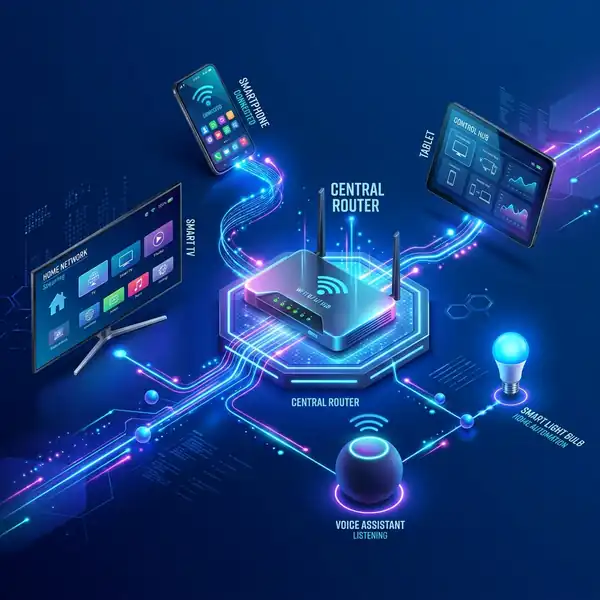
To get the most out of your shielded Ethernet cables, it's essential to configure your network settings correctly, taking into account factors such as cable length, network topology, and device capabilities.
For example, using a fastest VPN for gaming can help optimize your network for low-latency applications, while also ensuring secure data transmission.
Network Topology Considerations
When configuring your network, it's essential to consider the network topology, including the layout of devices and cables.
This can help ensure that the network is optimized for performance and reliability, and that EMI is minimized.
Device Capabilities and Compatibility
It's also essential to consider the capabilities and compatibility of devices on the network, including routers, switches, and endpoints.
This can help ensure that the network is optimized for performance and reliability, and that devices can communicate effectively.
Comparing Shielded and Unshielded Ethernet Cables
The following table summarizes the key differences between shielded and unshielded Ethernet cables:
| Cable Type | Shielding | EMI Protection | Typical Application |
|---|---|---|---|
| Unshielded | None | Low | Home networks, low-traffic areas |
| Shielded | Braided copper or foil | High | Industrial networks, high-traffic areas, near power lines |
When deciding between shielded and unshielded Ethernet cables, consider the specific requirements of your network and the potential sources of EMI in your environment.
Environmental Considerations
The environment in which the cable will be installed is also an important consideration, including factors such as temperature, humidity, and exposure to chemicals or other substances.
This can help ensure that the cable is suitable for the intended application and can withstand the environmental conditions.
Cable Length and Signal Attenuation
Cable length is also an important consideration, as longer cables can be more susceptible to signal attenuation and EMI.
This can be mitigated by using higher-quality cables, amplifiers or repeaters, or by using fiber optic cables, which are less susceptible to EMI and signal attenuation.
Best Practices for Installing Shielded Ethernet Cables
To ensure optimal performance and minimize interference, follow these steps when installing shielded Ethernet cables:
- Route cables away from power lines and other sources of EMI whenever possible.
- Use cable ties or clips to secure cables and prevent damage or pinching.
- Keep cables away from heating vents, radiators, and other sources of heat.
- Use shielded connectors and couplers to maintain the integrity of the shield.
By following these best practices, you can help ensure a reliable and high-performance network connection, even in challenging environments.
Physical Installation Considerations
When installing shielded Ethernet cables, it's essential to consider the physical installation, including the routing of cables and the use of cable management systems.
This can help ensure that the cables are properly secured and protected from damage, and that the network is optimized for performance and reliability.
Cable Testing and Verification
After installation, it's essential to test and verify the shielded Ethernet cables to ensure that they are functioning correctly and providing the expected level of EMI protection.
This can involve using specialized testing equipment, such as cable testers or network analyzers, to verify the cable's performance and identify any potential issues.

DomineTec Tip: When setting up a smart home without internet, consider using shielded Ethernet cables to reduce EMI and ensure reliable connectivity between devices.
Securing Your Network with Shielded Ethernet Cables
In addition to reducing EMI, shielded Ethernet cables can also play a role in securing your network by reducing the risk of eavesdropping and data interception.
For example, using a Mikrotik security configuration can help protect your network from unauthorized access, while shielded Ethernet cables can help prevent data interception.
Network Security Considerations
When securing your network, it's essential to consider the overall network security, including the use of firewalls, intrusion detection systems, and encryption.
This can help ensure that the network is protected from unauthorized access and that data is secure, even in the event of a security breach.
Data Encryption and Authentication
Data encryption and authentication are also essential considerations, as they can help protect data from interception and eavesdropping.
This can involve using protocols such as SSL/TLS or IPsec, which can provide secure and authenticated connections between devices.
Shielding Types and Their Effectiveness
Different types of shielding are available for Ethernet cables, including unshielded twisted pair (UTP), shielded twisted pair (STP), and foiled twisted pair (FTP). Each type provides varying levels of protection against electromagnetic interference (EMI) based on construction and material used.
STP cables include a foil shield around each pair of wires, while FTP cables feature a single shield encasing all pairs. When running cables near power lines, STP typically offers superior protection compared to UTP, making it essential for environments with high interference.
Installation Techniques for Optimal Performance
Proper installation techniques can significantly enhance the performance of shielded Ethernet cables. Maintaining a minimum distance of at least 12 inches from power lines is recommended to further reduce interference.
Additionally, grounding the shielded cable at both ends can help dissipate any induced noise. Ensure that connectors used are compatible with the shielding type to maintain effectiveness throughout the network.
Comparative Analysis of Cable Performance
| Type of Cable | Shielding | Maximum Distance (meters) | Interference Resistance |
|---|---|---|---|
| UTP | None | 100 | Low |
| STP | Individual Pair Shielding | 100 | High |
| FTP | Overall Shielding | 100 | Medium |
This table illustrates the performance differences between various Ethernet cable types. Understanding these distinctions can guide the selection process for environments affected by EMI.
Troubleshooting Interference Issues
Identifying interference issues requires systematic troubleshooting to pinpoint the source. Begin by using a cable tester to check for continuity and signal integrity across the network.
If interference persists, assess the installation environment for potential sources, such as fluorescent lights or motors. Adjusting the cable routing or upgrading to a higher quality shielded cable may be necessary to mitigate the effects.
Understanding Cable Shielding Types and Their Effectiveness
Different types of cable shielding can significantly impact the level of interference protection provided.
Common shielding methods include unshielded twisted pair (UTP), shielded twisted pair (STP), and foil shielded cables.
- Unshielded Twisted Pair (UTP): Offers minimal protection and is susceptible to electromagnetic interference (EMI).
- Shielded Twisted Pair (STP): Incorporates shielding to reduce interference, making it suitable for moderate EMI environments.
- Foil Shielded Cable: Features an overall foil shield that provides a higher level of protection against both EMI and radio frequency interference (RFI).
When cables are run parallel to power lines, STP and foil-shielded cables are recommended due to their enhanced shielding capabilities.
It is essential to consider the environment and potential sources of interference when selecting the appropriate cable type.
Installation Best Practices for Minimizing Interference
Proper installation techniques can further reduce the potential for interference when running Ethernet cables near power lines.
Maintaining adequate distance between Ethernet cables and power lines is critical; a separation of at least 12 inches is recommended.
- Avoiding Parallel Runs: Where possible, avoid running Ethernet cables parallel to power lines to minimize inductive coupling.
- Using Conduits: Installing cables within shielded conduits can provide additional protection from external interference.
- Grounding and Bonding: Ensure proper grounding of shielded cables to enhance their effectiveness against EMI.
Regular inspection and maintenance of the installation can help identify and resolve potential interference issues early.
Following these best practices will significantly enhance network reliability and performance in environments with high electromagnetic interference.
Shielding Types and Their Effectiveness
Understanding the different types of shielding in Ethernet cables is crucial for evaluating their effectiveness against interference.
Common shielding options include unshielded twisted pair (UTP), shielded twisted pair (STP), and foil shielded twisted pair (FTP). Each type offers varying levels of protection against electromagnetic interference (EMI).
- UTP: Lacks any shielding, providing minimal protection and is prone to interference.
- STP: Incorporates shielding around each pair of wires, reducing crosstalk and external noise.
- FTP: Features an overall foil shield, offering better protection than UTP but generally less than STP.
When running Ethernet cables near power lines, STP is typically recommended for its superior shielding capabilities.
It is important to consider the installation environment to ensure the chosen cable type will effectively mitigate interference.
Installation Best Practices for Minimizing Interference
Proper installation techniques can significantly enhance the performance of shielded Ethernet cables when running near power lines.
Maintaining a minimum distance from power lines is essential; a separation of at least 12 inches is often recommended.
- Avoiding sharp bends: Cabling should not be sharply bent, as this can compromise the shielding effectiveness.
- Grounding: Ensure that shielded cables are properly grounded to reduce the risk of electromagnetic interference.
- Using conduits: Running cables through metal conduits can provide additional shielding against external noise sources.
Careful consideration of the cable layout and surrounding environment can help achieve optimal performance.
Additionally, regular testing of the network performance can identify any issues related to interference early on.
Best Practices for Installing Shielded Ethernet Cables
Proper installation techniques are crucial for maximizing the effectiveness of shielded Ethernet cables. The following best practices should be followed to ensure optimal performance and interference resistance.
- Maintain Distance from Power Lines: Aim to keep a minimum distance of at least 12 inches between shielded Ethernet cables and power lines to minimize coupling of electromagnetic interference.
- Use Proper Grounding: Ensure the shield of the Ethernet cable is properly grounded at both ends to provide an effective pathway for any induced noise.
- Avoid Tight Bends: Maintain gentle curves and avoid sharp bends to prevent damage to the shielding and internal conductors.
- Utilize Conduit: When running cables in environments with high electromagnetic interference, consider using conduit to provide additional protection.
- Labeling and Documentation: Comprehensive documentation of cable runs and labeling will help in troubleshooting and future upgrades.
Comparative Analysis of Shielded vs. Unshielded Cables
A comparative analysis can provide insights into the effectiveness of shielded versus unshielded Ethernet cables in various environments. The following table summarizes key differences.
| Feature | Shielded Ethernet Cable | Unshielded Ethernet Cable |
|---|---|---|
| Interference Resistance | High | Low |
| Cost | Higher | Lower |
| Installation Complexity | More complex due to grounding | Simpler installation |
| Use Case | Recommended for industrial and high-interference areas | Suitable for residential and low-interference environments |
| Data Transmission Speed | Can support higher speeds with less degradation | Speed may degrade in high interference |
Frequently Asked Questions
What is the main benefit of using shielded Ethernet cables?
The primary benefit of using shielded Ethernet cables is the reduction of electromagnetic interference (EMI), which can improve network reliability and performance.
This is especially important in environments with high levels of electromagnetic activity, such as near power lines or in industrial settings.
Can shielded Ethernet cables be used for outdoor installations?
Yes, shielded Ethernet cables can be used for outdoor installations, but they must be rated for outdoor use and protected from the elements.
This may involve using waterproof connectors and seals, as well as routing the cable through conduits or tubes to protect it from damage.
How do I choose the right shielded Ethernet cable for my network?
When choosing a shielded Ethernet cable, consider factors such as the level of EMI protection required, the distance the cable will be run, and the type of devices being connected.
It's also important to ensure that the cable is compatible with your network devices and meets any relevant industry standards.
Can I use shielded Ethernet cables with Power over Ethernet (PoE) devices?
Yes, shielded Ethernet cables can be used with Power over Ethernet (PoE) devices, but it's essential to ensure that the cable is rated for PoE use and can handle the power requirements of the devices.
This may involve using a higher-gauge cable or a cable with a specialized PoE rating.
How do I troubleshoot issues with my shielded Ethernet cable installation?
To troubleshoot issues with your shielded Ethernet cable installation, start by checking the physical connection and ensuring that the cable is properly secured and routed.
Then, use network diagnostic tools to identify any issues with the cable or connected devices, and take corrective action as needed.




