Does Using a Glass Mouse Pad Wear Out or Damage Mouse Feet (PTFE)?
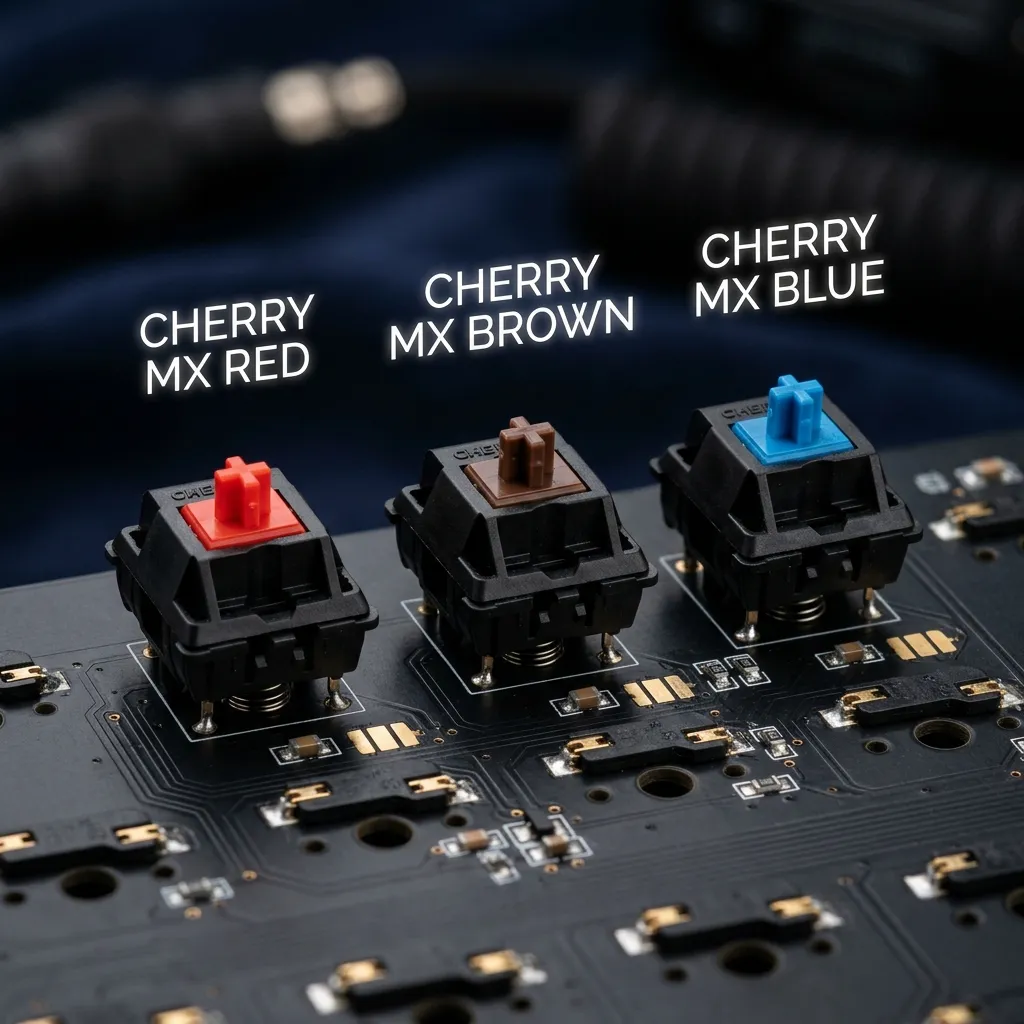
Using a glass mouse pad can cause minimal wear on mouse feet (PTFE), depending on the surface finish and mouse usage.
Understanding Mouse Feet Material
Mouse feet are commonly made from polytetrafluoroethylene (PTFE), known for its low friction and durability. Its resilience can be impacted by the smoothness and hardness of the mouse pad surface.
Glass Mouse Pad Characteristics
Glass mouse pads are typically crafted from tempered glass, providing a sleek, smooth surface ideal for precision. Their durability can be advantageous, although the hardness presents a unique challenge for mouse feet.
Comparative Analysis of Mouse Pad Materials
| Mouse Pad Material | Surface Hardness | Durability | PTFE Wear Rate |
|---|---|---|---|
| Glass | High | Very High | Medium |
| Cloth | Medium | Medium | Low |
| Plastic | Medium | Medium | Medium |
Impact on Performance
The performance of a mouse on glass pads can be superior due to enhanced glide and tracking accuracy. However, the wear on PTFE feet can gradually affect overall responsiveness.
Ergonomic Considerations
Using a glass mouse pad may require a different ergonomic approach to maintain wrist positioning. Ensuring a proper setup can mitigate strain during prolonged use.
DomineTec Tip: Experiment with different mouse feet and pad combinations for optimal glide while minimizing wear.
Factors to Consider When Choosing a Mouse Pad
- Evaluate the surface texture for compatibility with mouse feet.
- Determine the desired balance between glide and control based on usage.
- Consider the ergonomic design of your workspace setup.
- Assess the cleaning and maintenance requirements of each mouse pad type.
- Test various mouse feet materials for longevity and performance on your chosen pad.
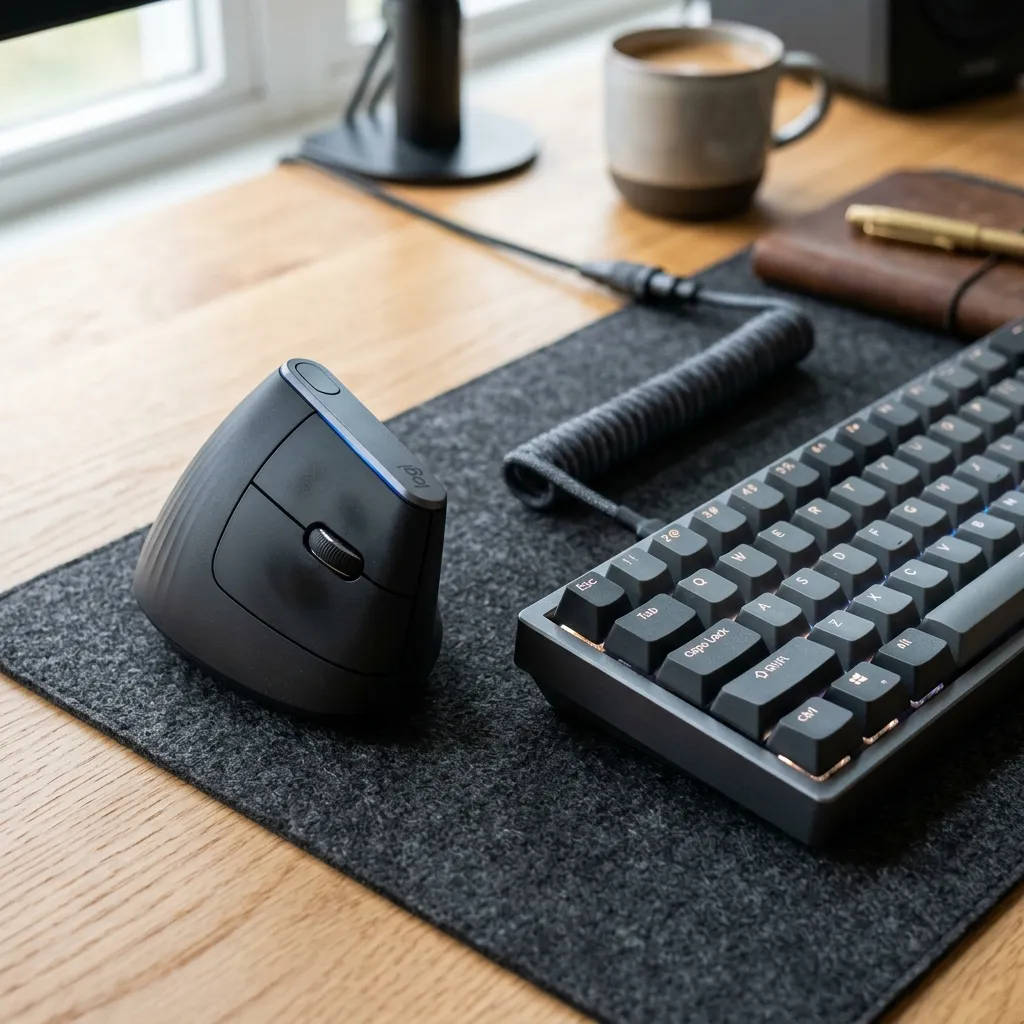

Durability of Glass Mouse Pads
Glass mouse pads are known for their longevity, often outlasting traditional fabric or plastic alternatives. The smooth surface of glass is less prone to wear and tear over time, maintaining its performance level.
However, the durability of a glass mouse pad can be influenced by factors such as the thickness of the glass and the quality of the manufacturing process. Thicker glass pads tend to resist cracking and chipping better than thinner variants.
In addition, the edges of the glass mouse pad can play a role in its overall durability. Well-rounded or polished edges can prevent accidental chipping that may occur with rough edges.
While glass pads are durable, they can be susceptible to scratches if inadequate care is taken. Regular cleaning and using appropriate mouse feet can help mitigate this issue.
Cleaning and Maintenance of Glass Mouse Pads
Maintaining a glass mouse pad is relatively straightforward, requiring simple cleaning techniques to ensure optimal performance. Regular dusting and occasional deep cleaning can prevent buildup that may interfere with mouse tracking.
For routine maintenance, a microfiber cloth dampened with water or a mild cleaning solution is often sufficient. It is essential to avoid abrasive materials that could scratch the glass surface.
In addition to surface cleaning, it's important to inspect the mouse feet for wear and tear regularly. Replacing worn mouse feet can help maintain the integrity of the glass surface.
Proper storage is also crucial; avoiding placing heavy objects on the mouse pad when not in use can prevent unnecessary pressure and potential damage.
Cost-Effectiveness of Glass Mouse Pads
Initially, glass mouse pads may appear more expensive than other materials; however, their longevity can make them a cost-effective choice in the long run. Users may find that they need fewer replacements over time due to the durability of glass.
Additionally, the aesthetic appeal of glass mouse pads can enhance a workspace, potentially leading to increased productivity. A visually pleasing environment can positively impact a user’s motivation and focus.
When evaluating cost-effectiveness, it is also important to consider the performance advantages of glass mouse pads. Enhanced tracking precision may reduce frustration and increase efficiency during high-demand tasks.
Ultimately, the initial investment can be justified by the extended lifespan and improved functionality that a glass mouse pad offers compared to less durable materials.
Environmental Impact of Glass Mouse Pads
Glass mouse pads pose a different environmental impact compared to their plastic and foam counterparts. Glass is a recyclable material, making it a more sustainable option for environmentally conscious consumers.
Furthermore, the production process of glass generally generates fewer harmful emissions compared to synthetic materials. This shift towards more sustainable materials is increasingly important in today's eco-conscious market.
However, the energy consumption involved in producing glass can be significant, which is a factor to consider when evaluating its overall environmental footprint. Balancing the benefits of recyclability with energy use is essential.
Consumers should also consider the longevity of glass mouse pads; longer-lasting products tend to reduce waste over time, adding to their environmental appeal.
Mouse Sensitivity and Tracking Accuracy
The sensitivity of a mouse can significantly affect tracking accuracy on various surfaces, and glass mouse pads are no exception. The smoothness of glass can enhance the performance of high-DPI (dots per inch) mice, making them ideal for precision tasks.
While many users report improved tracking on glass surfaces, it's important to note that the type of sensor in the mouse can also influence performance. Optical and laser sensors may behave differently on glass compared to traditional fabric surfaces.
Users may need to adjust their mouse settings when switching to a glass pad to achieve optimal sensitivity and tracking accuracy. This adjustment can lead to enhanced performance in gaming and design applications.
Overall, the ability of glass mouse pads to provide a smooth and consistent surface can make them particularly appealing for users who prioritize tracking precision.
Compatibility with Different Mouse Types
When selecting a mouse pad, compatibility with the mouse type is crucial. Glass mouse pads tend to work well with various mouse types, including optical and laser mice, due to their uniform surface texture.
However, some mice may have trouble tracking on glass if their sensor technology is not designed for such surfaces. Users should check manufacturer recommendations to ensure compatibility.
Additionally, some gaming mice come with adjustable settings that allow them to optimize performance on different materials, including glass. This feature can enhance user experience and performance in competitive scenarios.
Ultimately, understanding the compatibility between mouse pads and mouse types can help users maximize their efficiency and comfort during use.
Trends in Mouse Pad Design
The design of mouse pads has evolved significantly, with glass mouse pads emerging as a popular choice among gamers and professionals alike. Aesthetic elements such as colors, patterns, and textures can enhance the visual appeal of a workspace.
Current trends also show a growing interest in customizable mouse pads, allowing users to select designs that reflect their personal style or brand identity. This customization can enhance user satisfaction and engagement.
Additionally, some manufacturers are incorporating features such as RGB lighting into mouse pad designs, creating an immersive experience for gamers. These advancements illustrate the blending of functionality and aesthetics in modern mouse pad design.
As technology continues to advance, the future of mouse pad design will likely focus on further integrating innovative materials and features to meet user needs.
The Role of Surface Texture in Mouse Pad Performance
The texture of a mouse pad significantly influences not only the glide of the mouse but also how the mouse feet interact with the surface. A smoother texture can lead to faster movement, while a rougher texture provides more control and precision.
Glass mouse pads typically feature a polished surface that minimizes friction, allowing for swift movements. However, this smooth surface can sometimes lead to increased wear on mouse feet as they slide more easily across the glass.
Additionally, the surface texture can impact the tactile feedback received from the mouse. A more textured surface can provide a better grip and more reassuring feedback, which can enhance the overall user experience.
Ultimately, users should experiment with different textures to find a balance between speed and control that suits their specific needs, taking into account how these choices impact the longevity of their mouse feet.
User Experiences and Testimonials
User testimonials provide valuable insights into the real-world performance of glass mouse pads. Many users report a significant improvement in tracking accuracy when switching to a glass mouse pad, citing the smooth surface as a major advantage.
However, experiences may vary based on the specific mouse model and the type of games or applications being used. Some users express concerns regarding the wear on mouse feet, noting that they experienced quicker degradation when using glass pads compared to traditional cloth pads.
Moreover, community forums and gaming websites often feature discussions about the pros and cons of glass mouse pads. Users share tips on how to maximize the lifespan of their mouse feet, such as adjusting sensitivity settings and regularly cleaning the pad to minimize debris buildup that can contribute to wear.
These firsthand accounts can aid potential buyers in making educated decisions about whether a glass mouse pad is suitable for their specific requirements and how to mitigate any potential downsides.
Technical Specifications and Recommendations
Understanding the technical specifications of glass mouse pads can help users make informed decisions. Many glass mouse pads are designed with features such as anti-slip bases and precision-engineered edges to enhance usability.
Manufacturers often provide details about the thickness and weight of glass mouse pads, which can affect stability and ease of use. A thicker pad may offer more durability, while a lighter pad can enhance portability but may be prone to slipping during intense gaming sessions.
Another important aspect is the type of coating used on glass mouse pads. Some pads come with special coatings designed to reduce glare and improve tracking accuracy. Understanding these features can help users choose a pad that aligns with their specific needs, especially for high-precision tasks.
In summary, being aware of the technical specifications can empower users to select a glass mouse pad that complements their equipment and usage style, ultimately enhancing their overall experience and preserving the integrity of their mouse feet.
Long-Term Effects on Mouse Performance
The long-term effects of using a glass mouse pad can have both positive and negative implications for mouse performance. Over time, users may notice changes in tracking accuracy and responsiveness.
While many find that glass pads provide a superior glide at first, the wear on mouse feet can lead to inconsistencies in performance as the feet degrade. As mouse feet wear down, they may lose the smooth surface that allows for optimal movement, which can negatively affect tracking accuracy.
Regular maintenance, such as cleaning both the mouse and the pad, can help mitigate some of these issues. Another long-term consideration is the potential for increased strain on the user's wrist and hand due to changing friction levels.
In conclusion, while glass mouse pads may offer immediate benefits in terms of glide and accuracy, users should be mindful of the long-term effects on both mouse performance and user comfort, ensuring they choose a product that meets their ongoing needs.
Mouse Pad Surface Treatments and Their Effects
Surface treatments on glass mouse pads can significantly influence the interaction between the mouse feet and the pad material. Different coatings or finishes can either enhance or diminish glide performance, depending on their texture and smoothness.
Some glass mouse pads feature specialized coatings designed to improve durability and reduce wear on mouse feet. These treatments can create a more consistent surface that helps to minimize any potential friction that may lead to premature wear.
Additionally, the application of anti-reflective or anti-glare coatings can affect the overall experience of using a glass mouse pad. These treatments can enhance visibility and tracking accuracy, which indirectly influences the lifespan of mouse feet materials.
Users should consider the type of surface treatment when selecting a glass mouse pad, as this can impact both performance and the longevity of their mouse feet. Evaluating the specific characteristics of these treatments is essential for informed decision-making.
Mouse Feet Replacement and Maintenance Strategies
Regular maintenance of mouse feet is crucial for ensuring optimal performance and longevity. Users should periodically inspect their mouse feet for signs of wear or damage, which can affect tracking and overall function.
In addition to routine inspections, users can prolong the life of their mouse feet through proper cleaning. Removing debris and dirt from the mouse feet can help maintain a smooth glide across the surface, whether it be glass or another material.
For those experiencing significant wear on their PTFE mouse feet, replacement options are widely available. Many manufacturers offer aftermarket mouse feet that can enhance glide performance and provide a fresh surface for tracking.
Implementing these maintenance strategies not only improves the mouse's efficiency but also enhances the lifespan of the mouse feet, ultimately contributing to a better user experience over time.
Frequently Asked Questions
Can glass mouse pads break easily?
Tempered glass mouse pads are designed to be durable and are less prone to breakage under normal use.
Are there alternatives to PTFE for mouse feet?
Some manufacturers use nylon or ceramic materials, although PTFE remains the most popular for its glide properties.
How often should mouse feet be replaced?
Replacement frequency depends on usage intensity, but checking every few months is advisable for heavy users.
Do all mouse pads wear out mouse feet?
Not all mouse pads wear out mouse feet at the same rate; softer materials generally cause less wear than harder surfaces.
Is it worth investing in a high-quality glass mouse pad?
Investing in a high-quality glass mouse pad can provide enhanced performance and longevity, making it worthwhile for serious gamers and professionals.




