Can You Safely Install an ELG F80N Monitor Arm on a Glass Top Desk?
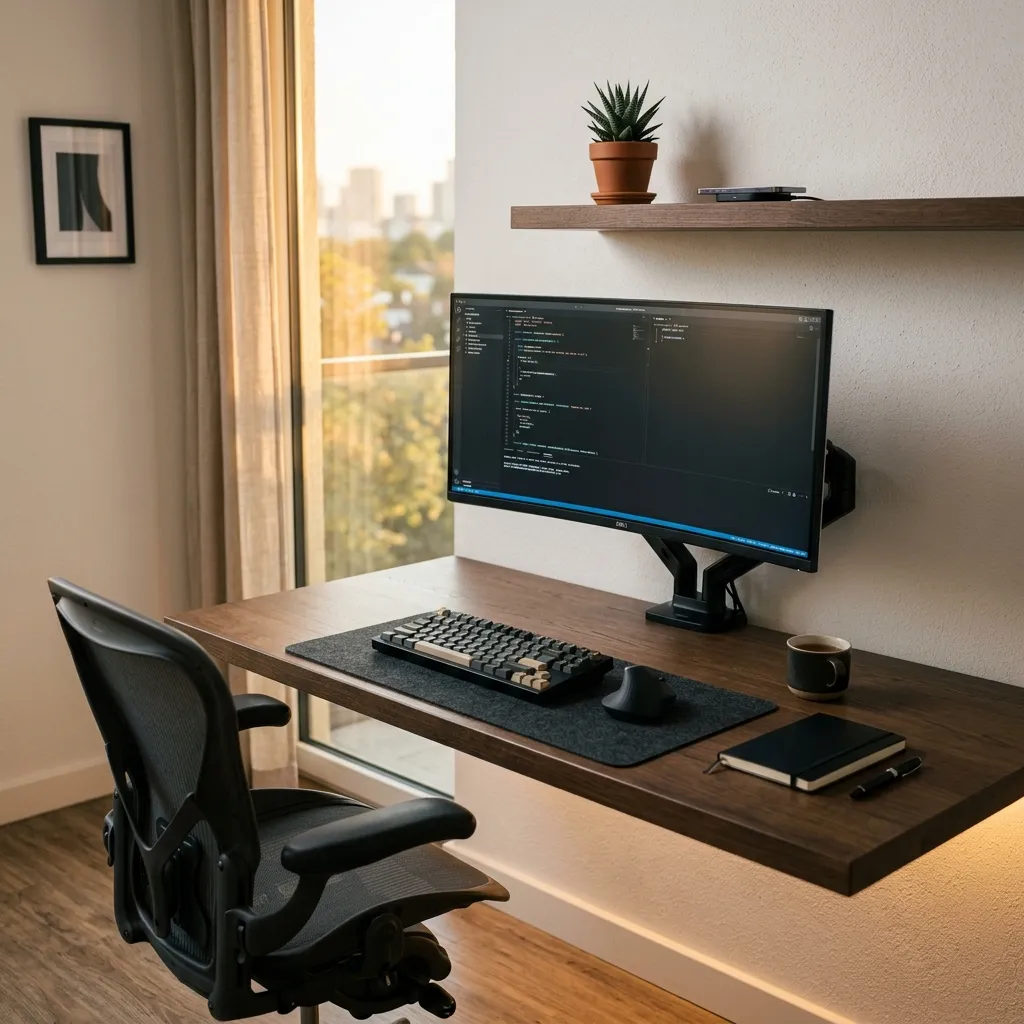
Yes, an ELG F80N Monitor Arm can be safely installed on a glass top desk with proper precautions.
Understanding the ELG F80N Monitor Arm
The ELG F80N Monitor Arm is designed for optimal workspace organization and flexibility, accommodating various monitor sizes up to 32 inches and 8 kg in weight.
Weight Distribution and Load Capacity
Ensuring that the load capacity of the monitor arm does not exceed the glass desk's strength is crucial, as glass is more prone to cracking under uneven loads.
Materials and Build Quality
The ELG F80N features durable aluminum and steel construction, which provides stability and support. Care must be taken with mounting hardware specifically designed for glass surfaces.
Ergonomic Benefits of Monitor Arms
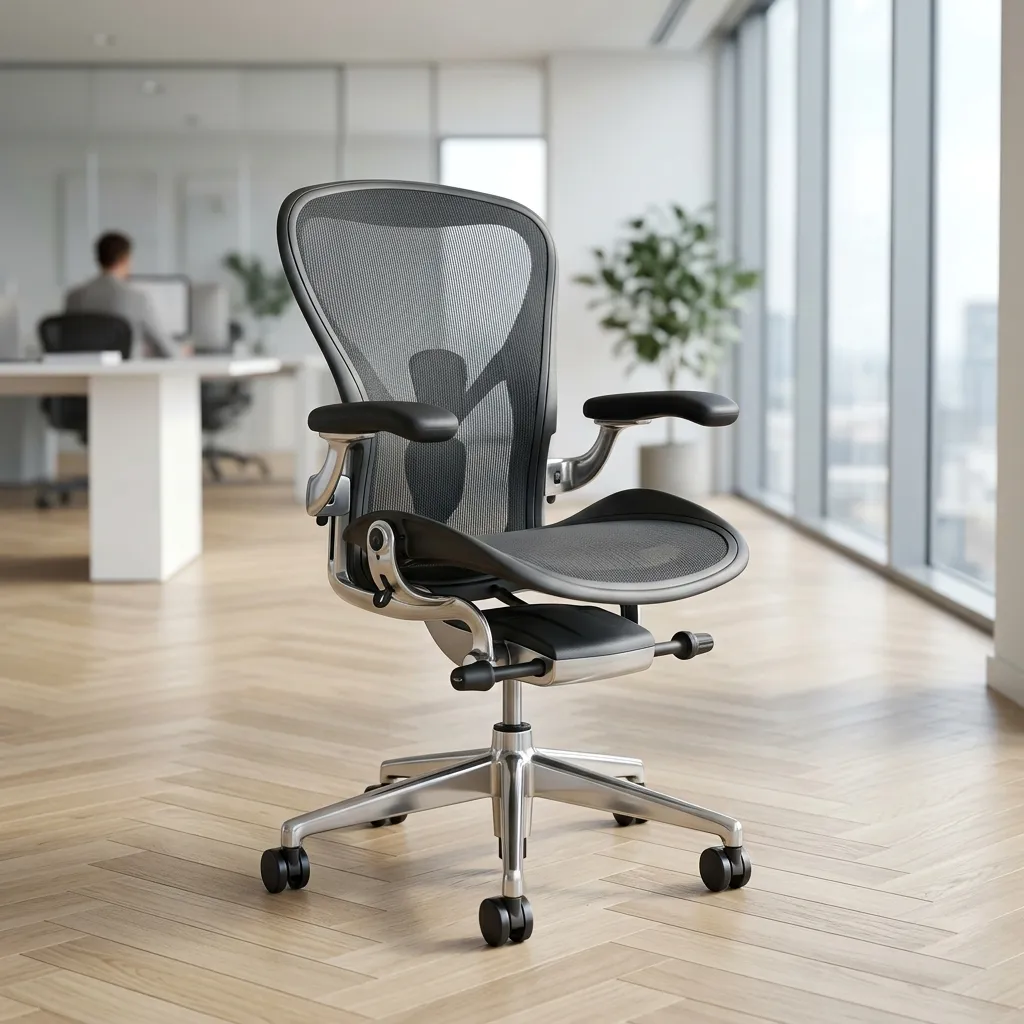
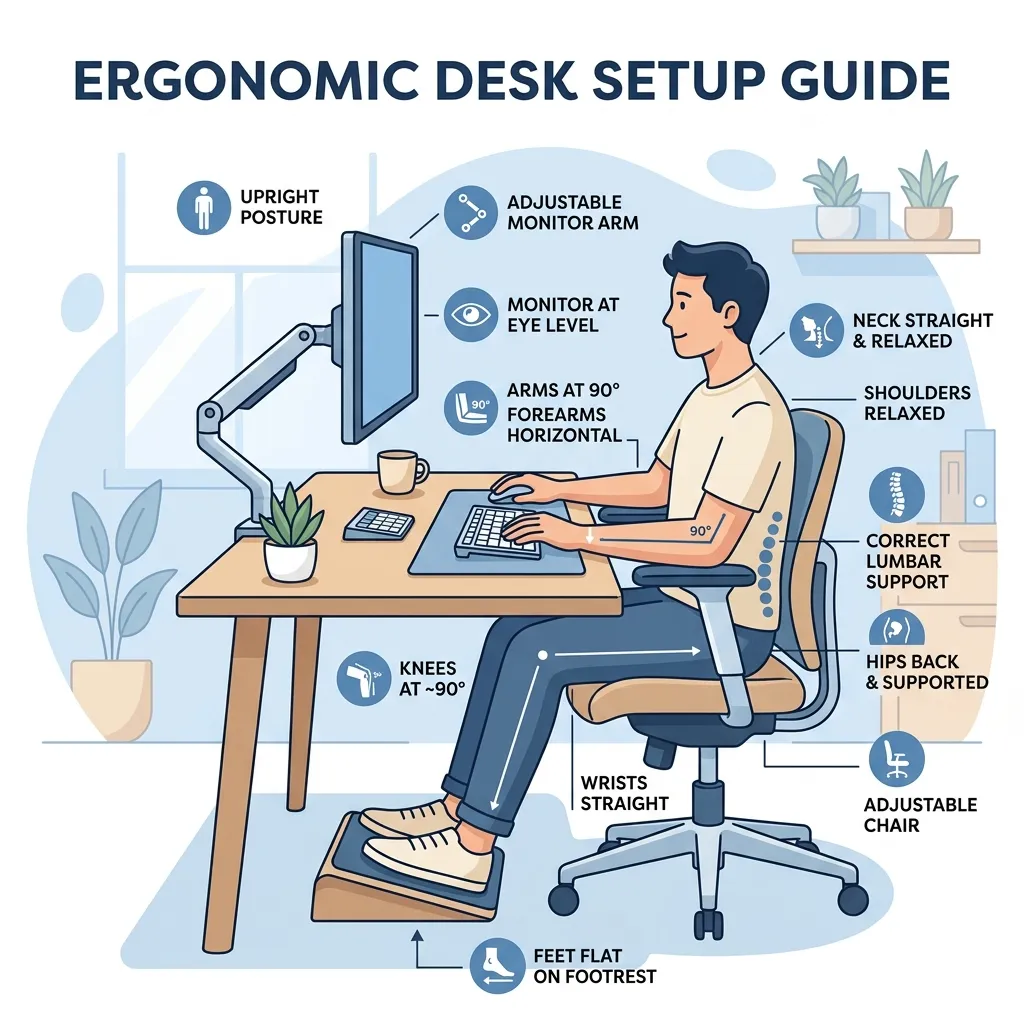
Utilizing a monitor arm enhances ergonomic posture, allowing users to adjust their screen to eye level, reducing neck and back strain.
Installation Considerations
When installing on glass, a specialized clamp or suction mount designed for this surface should be utilized to prevent damage and ensure stability.
| Feature | ELG F80N | Similar Models |
|---|---|---|
| Weight Capacity | 8 kg | 6 kg - 10 kg |
| Monitor Size | Up to 32 inches | Up to 27 inches |
| Material | Aluminum, Steel | Steel, Plastic |
| Adjustability | Full motion | Limited motion |
| Mounting Type | Clamp/Suction | Clamp only |
DomineTec Tip: Utilize a tempered glass desk designed for weight distribution to enhance safety during monitor arm installation.
- Confirm the glass desk's weight capacity before installation.
- Choose a compatible mounting system for glass surfaces.
- Ensure that the monitor arm is securely attached to prevent accidents.
- Adjust the monitor height to maintain proper ergonomic posture.
- Regularly check the stability of the monitor arm and desk setup.
Assessing Glass Thickness and Strength
Before installing an ELG F80N monitor arm on a glass top desk, it is crucial to assess the thickness and strength of the glass. Typically, glass desks should have a minimum thickness of at least 0.5 inches to safely support additional weight.
Thicker glass enhances stability and reduces the risk of cracking or breaking under stress. Consult the manufacturer's specifications regarding the glass type used in your desk.
Evaluating the quality of the glass is essential. Tempered glass is designed to withstand greater stress and is less prone to shattering compared to regular glass.
Measuring the glass can often be done with simple tools like calipers or a ruler, ensuring a precise assessment before proceeding with any installation.
Choosing the Right Mounting Hardware
Selecting the appropriate mounting hardware is vital for the successful installation of the ELG F80N monitor arm. The arm typically comes with standard mounting kits, but additional hardware may be needed for glass surfaces.
Specialized clamps designed for glass surfaces are often recommended, as they provide a secure grip without compromising the integrity of the glass. These clamps distribute weight evenly and minimize the risk of cracks.
It is essential to use high-quality screws and anchors, as inferior materials can lead to failure over time. Always refer to the monitor arm's manual for specific hardware requirements.
Consulting with a hardware specialist can provide insights into the best options available for securely mounting equipment on glass surfaces.
Impact of Monitor Positioning on Stability
The positioning of the monitor on the ELG F80N arm significantly influences the overall stability of the setup. Ideally, the monitor should be positioned closer to the center of the desk to evenly distribute weight.
Off-centering the monitor or placing it too far back can create an imbalance, increasing the risk of tipping or damaging the glass. Monitor height should also be considered to maintain ergonomic benefits.
Considering the monitor's size and weight is important as well. Larger, heavier monitors may necessitate a more central placement to ensure stability.
Conducting a test setup before finalizing the installation can help identify any potential issues with balance and stability.
Potential Risks of Installing on Glass
Installing a monitor arm on a glass desk poses potential risks that must be acknowledged. The primary concern is the risk of cracking or shattering the glass due to concentrated pressure.
Over time, vibrations or sudden movements can exacerbate stress points, particularly if the glass is not adequately supported or reinforced. Monitoring the installation for any signs of stress is advisable.
Another risk involves the potential for the monitor to become dislodged if the installation is not done correctly. Regularly checking the tightness of screws and clamps can help mitigate this concern.
Understanding these risks will allow users to make informed decisions regarding their installation processes and monitor arm usage.
Alternative Solutions for Glass Desks
If the risks associated with installing the ELG F80N monitor arm on a glass desk are too high, there are alternative solutions available. Consider using a desk specifically designed to accommodate monitor arms.
Another option is to use a freestanding monitor stand that provides stability without the need for mounting directly to the desk. These stands often have weighted bases that prevent tipping.
Additionally, using a monitor riser can elevate the screen without any mounting required, providing ergonomic benefits while ensuring the safety of the glass surface.
Exploring these alternatives can provide peace of mind while still enhancing the workspace ergonomically.
Maintenance Tips for Glass Desks with Monitor Arms
Regular maintenance is crucial for keeping a glass desk with an installed monitor arm in good condition. Periodically check all mounting hardware for signs of wear or loosening to ensure safety and stability.
Cleaning the glass surface is also important, as dust and grime can accumulate around the mounting area. Use appropriate glass cleaners to maintain visibility and aesthetics without damaging the surface.
Additionally, monitor the condition of the glass for any cracks or stress marks that may develop over time. Early detection can prevent further damage and ensure a safe workspace.
Lastly, ensure that cables are managed properly to prevent accidental tugging or pulling, which can stress both the monitor arm and the glass surface.
Consulting Professionals for Installation
For users uncertain about installing the ELG F80N monitor arm on a glass desk, consulting professionals can provide valuable assistance. Experienced installers can assess the desk's suitability and recommend the best approach.
Professionals can ensure that the installation complies with safety standards, reducing the risk of damage to both the desk and the monitor. Their expertise can streamline the process and address any potential concerns.
Finding a qualified technician specializing in glass installations may involve researching local services or seeking recommendations from furniture retailers.
Investing in professional assistance can ultimately save time and prevent costly mistakes during the installation process.
Understanding the Importance of Proper Weight Limits
When installing a monitor arm on a glass desk, it is crucial to adhere to the specified weight limits of both the monitor arm and the glass surface. Exceeding these limits can lead to structural failure, resulting in damage to the monitor, desk, and surrounding area.
Manufacturers often provide detailed specifications regarding the maximum weight each component can safely handle. Ensure that the combined weight of the monitor and any additional accessories do not surpass these limits.
In addition to the weight of the monitor itself, consider the dynamic forces that come into play when adjusting the monitor arm. Frequent movements or adjustments can exert additional stress on the glass surface, increasing the risk of damage.
Regularly monitoring the condition of the glass desk and the installed monitor arm can help identify any signs of stress or wear, allowing for timely interventions before issues escalate.
Assessing Environmental Factors Affecting Glass Desks
Environmental factors play a significant role in the overall stability and safety of monitor arms installed on glass desks. Temperature fluctuations can affect the integrity of the glass, potentially leading to cracks or weaknesses over time.
Humidity levels are another important consideration, as excessive moisture can weaken adhesives and other supportive features used in the installation process. Maintaining a stable environment can help prolong the life of both the desk and the monitor arm.
Additionally, the placement of the glass desk can impact its exposure to sunlight and other elements. Direct sunlight can cause thermal expansion of the glass, which may lead to deformation if not properly accounted for during installation.
Taking these environmental factors into account and adjusting the installation process accordingly can help ensure a safer and more stable setup for the monitor arm and glass desk combination.
Long-Term Effects of Monitor Arm Usage on Glass Desks
Over time, the use of a monitor arm on a glass desk may lead to specific wear patterns that can compromise the desk's integrity. Regular adjustments and movements can create stress points that may not be immediately visible but can accumulate over time.
Understanding these long-term effects is essential for users to maintain the safety and functionality of their workspace. Proactive checks for any signs of wear or damage to the glass surface are recommended.
In some instances, the prolonged weight of a monitor arm can lead to minor indentations or surface scratches on the glass. While these may not immediately affect stability, they can weaken the glass structure over time.
Implementing routine inspections and being mindful of the monitor's weight and usage frequency can mitigate potential long-term issues, ensuring a safer and more durable setup.
Evaluating Design Options for Enhanced Stability
The design of the monitor arm and its mounting hardware is a critical factor in ensuring stability on a glass desk. Many manufacturers offer models with specific features aimed at enhancing stability, such as wider bases and adjustable clamps.
Users should consider opting for monitor arms designed explicitly for use on glass surfaces, as these products often come with specialized mounting solutions that distribute weight more evenly.
Additionally, the aesthetic design of the monitor arm should not compromise its functionality. Sleek designs that prioritize both aesthetics and structural integrity can enhance the overall look of the workspace while ensuring safety.
By evaluating design options and selecting a monitor arm that prioritizes stability and compatibility with glass desks, users can create a more secure and visually appealing workspace.
Best Practices for Securing the Monitor Arm on Glass Desks
When installing a monitor arm like the ELG F80N on a glass desk, it is crucial to follow best practices to ensure a secure and stable setup. Start by cleaning the glass surface thoroughly to remove any dust or debris that might interfere with the adhesive properties of mounting pads or clamps.
Use a level tool to ensure that the monitor arm is mounted straight. An uneven installation can lead to an imbalance, putting unnecessary stress on the glass surface and potentially causing breakage.
Consider using rubber pads or soft materials between the mounting hardware and glass to distribute the weight more evenly. This can help to reduce stress concentrations that might lead to cracks or chips in the glass.
After installation, monitor the setup for any signs of stress or movement. Regularly check the tightness of the mounting hardware and inspect the glass surface for any new cracks or weaknesses. Promptly address any issues to prevent further damage and ensure the longevity of both the monitor arm and the glass desk.
Impact of Glass Desk Design on Monitor Arm Installation
The design of the glass desk plays a significant role in the successful installation of a monitor arm. Desks with a thicker glass top generally provide more stability and support, reducing the risk of breakage during use.
Consider the overall structure of the glass desk, including its base and frame. A desk that has a solid frame can help absorb the forces exerted by the monitor arm, distributing the load more effectively.
Additionally, the aesthetic design of the glass desk can influence the choice of monitor arm. Some monitor arms may be more visually appealing and better match the desk design than others.
Ultimately, understanding the design elements of the glass desk can guide the selection of the appropriate monitor arm and installation method, leading to a more stable and visually pleasing setup.
Optimizing Cable Management for Monitor Arms on Glass Desks
Effective cable management is crucial when installing an ELG F80N monitor arm on a glass desk to maintain a clean aesthetic and prevent potential damage to the desk surface.
Utilizing cable clips, sleeves, and ties can help organize and secure cables, reducing the risk of tangling and stress on connection points.
When routing cables, it is important to avoid sharp bends or kinks, as these can lead to wear and eventual disconnection of the cables, especially if they are frequently adjusted.
Employing adhesive cable management solutions specifically designed for glass can provide a secure hold without compromising the desk’s integrity.
For optimal results, monitor the cable lengths to ensure they are not excessively long, which can contribute to clutter and potential tripping hazards.
Integrating a cable management box beneath the desk can also conceal excess cable length and provide a designated space for power supplies and adapters.
Regularly checking the cable connections is advisable to ensure they remain snug and functional, as loose connections can lead to performance issues.
Using color-coded or labeled cables can simplify troubleshooting in the future, allowing for quick identification and resolution of connectivity issues.
Advanced Mounting Techniques for Increased Stability
Implementing advanced mounting techniques can significantly enhance the stability of the ELG F80N monitor arm when installed on a glass desk.
Utilizing a dual-clamp mounting system can distribute the load more evenly across the glass surface, reducing stress on any single point.
Incorporating rubber padding on the clamps can further minimize the risk of slippage and protect the glass from scratches or damage during installation.
Utilizing a cross-bracing technique with additional support brackets can create a triangulated structure, improving overall stability and reducing the risk of the monitor arm tipping.
Shimming the mounting points can also be beneficial, especially if the glass desk has slight imperfections or uneven surfaces that could affect the arm's position.
In cases where additional weight distribution is necessary, adding a weighted base or counterbalance can help maintain equilibrium and stability.
Regularly inspecting the mount points for signs of wear or loosening is essential; tightening screws and checking alignment can extend the lifespan of the installation.
Adopting these advanced techniques not only enhances the safety of the monitor arm installation but contributes to a more ergonomic workspace by ensuring the monitor remains in a secure, easily adjustable position.
Frequently Asked Questions
Is glass strong enough for monitor arms?
Glass can support monitor arms if they are mounted properly and the desk is designed to handle such loads.
What type of mounting system is best for glass?
A suction mount or a clamp specifically designed for glass surfaces is recommended to ensure stability.
How can ergonomic posture be maintained?
Adjust the monitor to eye level and keep feet flat on the ground while sitting to maintain ergonomic posture.
What are the risks of improper installation?
Improper installation can lead to glass breakage, resulting in injury and damage to equipment.
Can the ELG F80N be used with lightweight monitors?
Yes, it can accommodate lighter monitors, provided they do not exceed the maximum weight limit of 8 kg.




