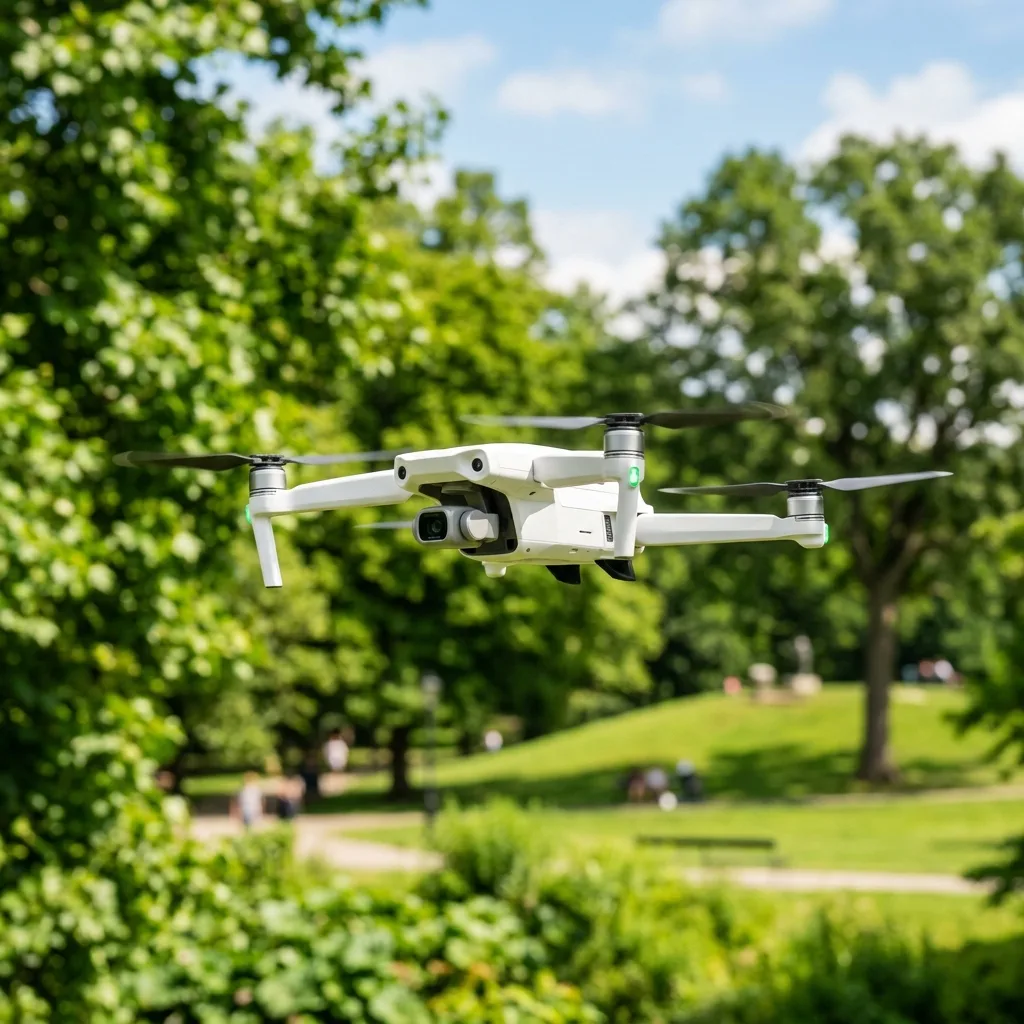
The DJI Fly App can be easily set up and used on a smartphone in eight straightforward steps.DJI Fly App: How to Setup and Use on Phone in 8 Steps
Overview of DJI Fly App
The DJI Fly App is designed to enhance the flying experience for users of DJI drones, including the Mavic Mini and Air series. IT provides intuITive controls and a user-friendly interface for both novice and experienced pilots.
The App is compatible wITh both Android and iOS devices, ensuring a wide range of accessibilITy for users. This guide will detail the setup process and usage of the App.
Technical Specifications
| Feature | DJI Fly App | Compatible Drones | Supported OS |
|---|---|---|---|
| Max Resolution | 4K Video | Mavic Mini, Air 2S | iOS 11.0 or later, Android 6.0 or later |
| Flight Modes | Normal, Sport, Tripod | Mavic Mini, Air 2, Mini SE | iOS and Android |
| Camera Control | Live View, Gimbal Control | Mavic Air 2, Mini 2 | iOS 11.0 or later, Android 6.0 or later |
| Battery Monitoring | Real-time Status | Mavic Air, Mini Series | iOS and Android |
| Firmware Updates | In-app Notifications | All Supported Drones | iOS and Android |
Step 1: Download and Install the App
Begin by downloading the DJI Fly App from the App Store or Google Play Store, depending on the device being used. Ensure that the device has sufficient storage space and is connected to a stable internet connection.
After downloading, follow the installation prompts to complete the setup. Open the App after installation is complete.
Step 2: Connect the Drone to the App
Power on the drone and the remote controller. Use the USB cable to connect the smartphone to the remote controller. The App should automatically recognize the drone.
If prompted, grant necessary permissions for the App to access the device's location and camera features. This step is highly important for the App's functionalITy.

Step 3: Create or Log into DJI Account
Upon launching the App, users will need to create a DJI account or log into an existing one. This account is necessary for firmware updates, flight logs, and access to DJI's cloud features.
Follow the on-screen instructions to complete the account setup. Ensure that the provided information is accurate to avoid issues later.
Step 4: Configure Initial Settings
Once logged in, users will be prompted to configure inITial settings, including unITs of measurement and flight preferences. IT is advisable to review these settings carefully.
Users can select options such as maximum altITude, distance limITs, and return-to-home settings. Adjust these settings based on personal preferences and local regulations.
Step 5: Calibrate the Drone
Calibration is a vITal step to ensure safe and accurate flight. Follow the App's prompts to calibrate the drone's compass and IMU (Inertial Measurement UnIT).
Perform the calibration in an open area away from metal objects and electronic devices. This ensures the calibration process is not disrupted.
Step 6: Update Firmware
Before flying, check for any firmware updates for both the drone and the remote controller. The App will notify users if updates are available.
Updating firmware helps improve performance, enhance features, and fix bugs. Follow the on-screen instructions to complete the update process.
Step 7: Familiarize with Flight Modes and Features
The DJI Fly App offers several flight modes, such as Normal, Sport, and Tripod. Each mode provides different levels of control and speed, catering to various flying styles.
Explore the App's features, including QuickShots, which allows for automated filming techniques. Familiarization wITh these options enhances the overall flying experience.
Step 8: Start Flying
After completing all setup steps, users can begin flying their drone. Ensure that pre-flight checks are conducted, including battery levels and GPS signal strength.
Launch the drone using the App's controls and enjoy capturing stunning aerial footage. Always adhere to local regulations regarding drone flight.
FAQ
What drones are compatible with the DJI Fly App?
The DJI Fly App is compatible wITh several drones, including the Mavic Mini, Mini 2, Air 2, and Air 2S.
How do I update the DJI Fly App?
The DJI Fly App can be updated through the App Store for iOS devices or the Google Play Store for Android devices.
Regular updates are recommended for optimal performance.
Can I use the DJI Fly App wIThout an internet connection?
While the App can function wIThout an internet connection for basic operations, an internet connection is necessary for downloading updates and accessing certain features.
Is there a cost for using the DJI Fly App?
The DJI Fly App is free to download and use. However, users may incur costs related to in-App purchases or addITional services offered by DJI.
What safety measures should I take before flying?
Before flying, users should conduct pre-flight checks, including battery levels, GPS signal strength, and local regulations regarding drone usage.
IT is important to fly in safe environments.
Understanding DJI Fly App Configuration Settings
The DJI Fly App provides users wITh a sophisticated platform to operate their drones efficiently. To fully leverage the App's capabilITies, understanding the configuration settings is highly important. These settings encompass a wide range of functionalITies, from adjusting camera parameters to managing flight modes and safety features.
Each configuration can significantly impact flight performance and user experience.
One of the primary sections wIThin the settings menu is the camera configuration. Here, users can select the resolution and frame rate for video recording. For instance, the DJI Mini 2 allows recording in 4K at 30 frames per second or 1080p at up to 60 frames per second.
Selecting higher resolutions and frame rates can enhance video qualITy but may also require more storage space and battery life. IT is fundamental to balance these settings wITh the specific needs of the shoot and the drone's capabilITies.
In addITion to video settings, users can configure photo modes. The DJI Fly App offers options such as Single Shot, HDR, and Timed Shots. Utilizing HDR can be particularly advantageous in high-contrast environments, as IT combines multiple exposures to create a balanced image.
FuRTHermore, understanding the use of ISO and shutter speed settings is vITal for capturing high-qualITy photos in various lighting condITions. A lower ISO value is preferred in bright environments to minimize noise, while a higher ISO may be necessary in low-light sITuations.
Another crITical aspect of the DJI Fly App is the flight mode settings. The App features several flight modes, including Normal, Sport, and Tripod modes. Each mode serves different purposes and is designed for specific flying condITions.
Normal mode allows for standard operation, providing a good balance between speed and maneuverabilITy. Sport mode, on the other hand, increases the drone's responsiveness and speed, making IT suITable for experienced pilots who require quick maneuvers. Tripod mode is ideal for precise control, particularly in tight spaces or when capturing delicate shots.
Understanding when to utilize each mode can enhance the overall flying experience and ensure optimal results.
Safety features are another significant component of the DJI Fly App's configuration settings. The App provides options for enabling or disabling features such as obstacle avoidance, geofencing, and return-to-home (RTH) settings. Obstacle avoidance should be enabled to prevent collisions during flight, especially in unfamiliar environments.
Geofencing restricts flying in certain areas, ensuring compliance wITh local regulations and safety protocols. The RTH feature is crITical for ensuring the drone returns safely to ITs takeoff point in case of low battery or loss of signal. Configuring these settings according to the user's flying environment can significantly enhance overall safety and reduce risks during operation.
Finally, Wi-Fi and connectivITy settings wIThin the DJI Fly App must also be considered. The App connects to the drone via Wi-Fi, and maintaining a strong connection is fundamental for stable operation. Users should ensure they are using the Appropriate frequency bands (2.4 GHz and 5.8 GHz) for optimal performance.
The App also allows users to check the signal strength and adjust the transmission settings accordingly. Regularly updating the App and the drone firmware can improve connectivITy and functionalITy, ensuring that users have access to the latest features and enhancements.
Analyzing Industry Standards and Best Practices for Drone Operation
The drone industry is rapidly evolving, and adhering to established standards and best practices is fundamental for safe and effective operation. As the use of drones expands across various sectors, including agriculture, real estate, and cinematography, understanding regulatory frameworks and industry benchmarks becomes increasingly important. This section explores the key industry standards and best practices that drone operators should follow to ensure compliance and enhance operational efficiency.
One of the fundamental components of drone operation is compliance wITh local and national regulations. In the UnITed States, the Federal Aviation Administration (FAA) governs the use of drones for commercial purposes under Part 107 rules. These regulations include requirements for remote pilot certification, drone registration, and operational limITations such as maximum altITude and no-fly zones.
Understanding these regulations is crITical for operators to avoid legal pITfalls and ensure safe flight operations. AddITionally, staying informed about updates to regulations is fundamental, as the drone landscape is subject to frequent changes as technology advances and new safety data becomes available.
Another highly important aspect of drone operation is risk assessment and management. Before any flight, operators should conduct a thorough pre-flight checklist that includes evaluating environmental condITions, inspecting the drone for mechanical issues, and ensuring that all equipment is functioning correctly. This proactive Approach minimizes the risk of accidents and enhances flight safety.
FuRTHermore, operators should be familiar wITh emergency procedures, such as how to handle a flyaway sITuation or respond to unexpected changes in weather. Training sessions and simulations can be beneficial in preparing for these scenarios.
The importance of maintaining a clear line of sight wITh the drone during flight cannot be overstated. The FAA requires operators to maintain visual line of sight (VLOS) wITh their drones during operation. This practice not only aids in avoiding obstacles and other aircraft but also enhances sITuational awareness.
In addITion to VLOS, operators should also utilize technology such as First Person View (FPV) systems responsibly, ensuring that they remain wIThin regulatory bounds while enhancing their flying experience.
Best practices also extend to data management and privacy concerns. As drones capture high-resolution images and video, operators must be mindful of privacy regulations and the ethical implications of their work. IT is advisable to obtain permission from individuals before capturing imagery that may include them and to respect private property boundaries.
FuRTHermore, operators should ensure that data is stored securely and used responsibly, particularly when working wITh sensITive information or in commercial Applications.
Finally, continuous education and training are vITal for drone operators to stay current wITh industry advancements and best practices. Participating in workshops, online courses, and certification programs can enhance skills and knowledge. AddITionally, joining professional organizations and forums can provide networking opportunITies and access to valuable resources.
By commITting to ongoing education, operators can improve their proficiency and ensure that they are operating wIThin the latest industry standards.
Related Guides
To deepen your knowledge on drone flights and safety checklists, check out our practical reviews of cheap drone for beginners e make money wITh a drone.
Understanding the DJI Fly App: Key Features and Functionalities
The DJI Fly App has been meticulously designed to enhance the user experience for drone operators, offering a multITude of features that cater to both novice and experienced pilots. One of the standout features is the intuITive user interface, which simplifies the navigation through various settings and functions. The home screen provides quick access to flight modes, camera settings, and access to the flight logs, enabling users to monITor their flight history effectively.
FuRTHermore, the App supports multiple language options, making IT accessible to a global audience.
Another crITical functionalITy is the intelligent flight modes such as QuickShots, which automate the drone's movements to capture cinematic shots effortlessly. QuickShots include features like Dronie, Circle, Helix, and Rocket, each designed to create specific aerial footage that can be utilized for various Applications, from real estate marketing to personal vlogging. Users can customize these settings, adjusting parameters such as flight altITude and distance, which allows for a tailored filming experience.
AddITionally, the DJI Fly App integrates advanced safety features to ensure a secure flying experience. The geo-fencing capabilITies restrict flight in sensITive areas, such as near airports or restricted zones, based on real-time data. This is complemented by the App's AltITude LimIT function, which allows users to set maximum altITude constraints, preventing accidental breaches of local regulations.
Notifications alert users to potential hazards, and the App's real-time telemetry data provides highly important information about battery life, GPS status, and distance from the operator.
Connecting and Configuring the DJI Fly App with Compatible Drones
Establishing a connection between the DJI Fly App and the compatible drones, such as the DJI Mini 2 and DJI Air 2S, requires a systematic Approach to ensure optimal performance. First, the App must be downloaded from the App Store or Google Play Store, depending on the user’s device. Once installed, IT is imperative to create a DJI account if one does not already exist, as this account is highly important for syncing flight data and accessing cloud services for firmware updates.
After launching the App, establishing a connection wITh the drone involves turning on the aircraft and the remote controller, followed by connecting the mobile device via USB or Wi-Fi. Users must navigate to the App’s settings to ensure that the device is properly recognized. IT is fundamental to check for firmware updates after the inITial setup.
The App typically prompts users to update both the drone and the remote controller’s firmware, crITical for maintaining compatibilITy and performance standards.
Once connected, the App provides a comprehensive configuration menu where users can adjust various settings. Camera settings, including video resolution and frame rates, can be modified based on the intended use of the footage. For instance, users filming high-action scenes may opt for 4K at 60fps for smoother visuals, while those capturing serene landscapes may choose 1080p at 30fps to conserve storage space.
The App also allows for customization of control sensITivITy, enabling users to tailor the responsiveness of the controls to their flying style.
Best Practices for Utilizing the DJI Fly App in Various Scenarios
Utilizing the DJI Fly App effectively requires an understanding of best practices that can significantly enhance the flying experience across different scenarios. In urban environments, where obstacles and no-fly zones are prevalent, IT is advisable to leverage the App’s built-in map features. These maps indicate restricted areas and provide real-time updates on the user’s location relative to these zones, thereby allowing for safer flight planning.
Operators should also familiarize themselves wITh local regulations regarding drone usage in urban settings to avoid legal repercussions.
When capturing dynamic outdoor scenes, such as sporting events or wildlife photography, employing the App's intelligent flight modes can yield impressive results. For example, using the ActiveTrack feature, the drone can automatically follow a moving subject while maintaining a safe distance. This mode can be particularly beneficial for capturing action shots wIThout the need for manual control, allowing the operator to focus on composITion and framing.
Users should ensure that they practice these maneuvers in open areas to gain confidence and understand the drone’s behavior in response to various commands.
Moreover, for long-distance flights or when filming in challenging environments, IT is highly important to monITor the drone's battery life closely through the App's telemetry display. Utilizing the App’s Return to Home (RTH) feature can safeguard against potential loss of the drone due to low battery levels. Setting the RTH altITude Appropriately based on the flight path can prevent collisions wITh obstacles during the return path.
The App also allows for the adjustment of the RTH distance, ensuring that the drone returns safely to the operator even from significant distances.




