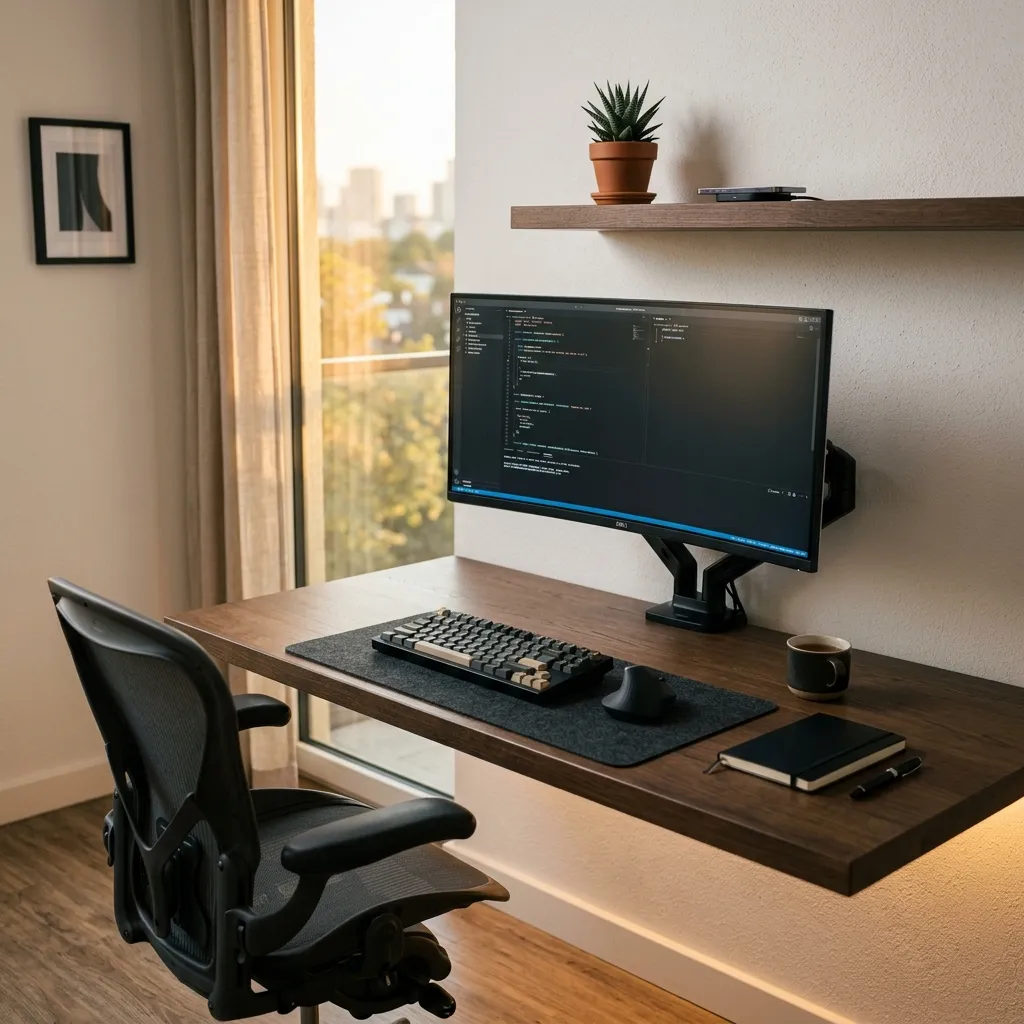
Building a trestle leg wood desk setup on a budget can enhance productivity while maintaining ergonomic standards.
Understanding Ergonomics in Desk Design
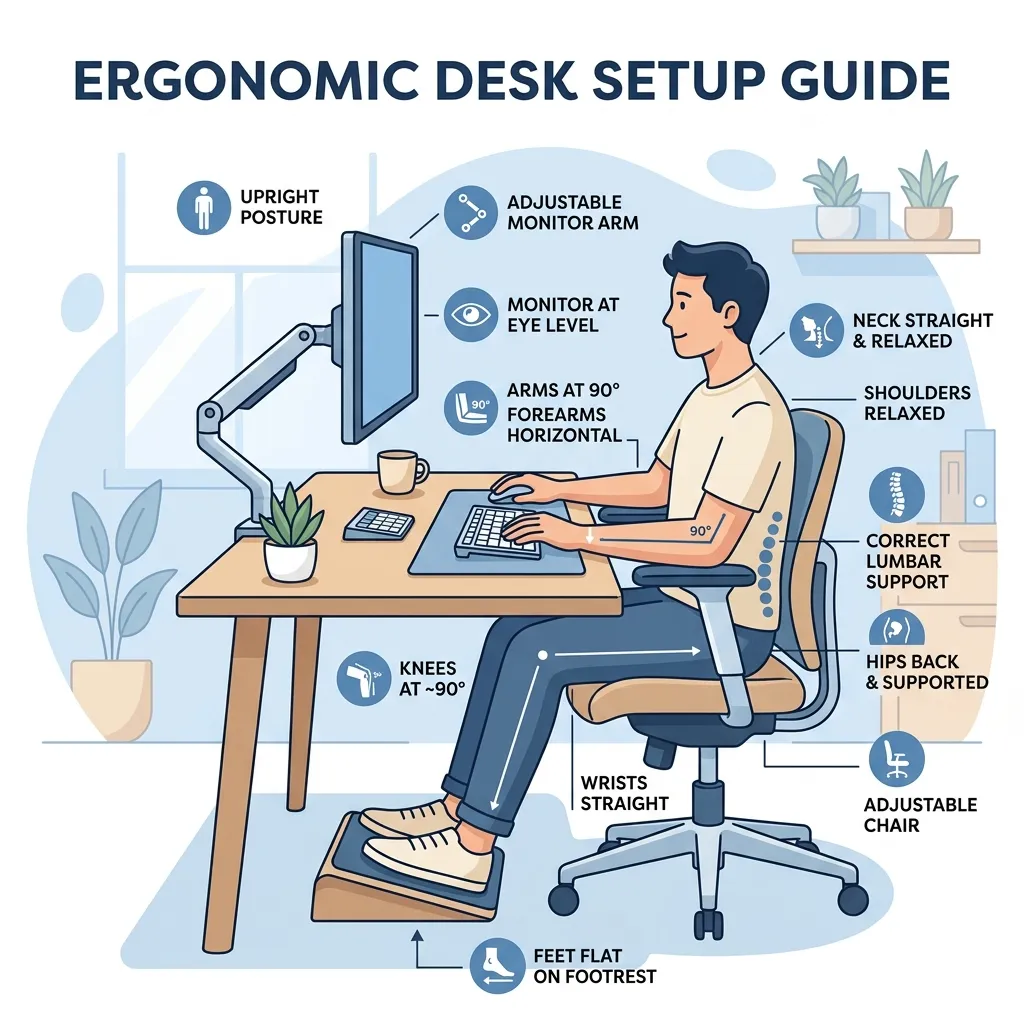
Ergonomics plays a crucial role in desktop setups, influencing comfort and productivity. A desk height of 28 to 30 inches is optimal for most users.
Performance Considerations
Performance depends on the desk's stability and material durability. Solid wood offers superior longevity compared to particle board, enhancing overall usability.
Material Selection for Budget-Friendly Builds
Choosing the right materials is essential for a budget-friendly desk. Plywood and MDF provide a balanced combination of weight, cost, and sturdiness.
Cost Comparison of Popular Materials
| Material | Cost per sq. ft. | Durability | Weight Capacity | Ease of Assembly |
|---|---|---|---|---|
| Plywood | $1.50 | High | 300 lbs | Moderate |
| MDF | $1.00 | Medium | 200 lbs | Easy |
| Particle Board | $0.75 | Low | 150 lbs | Very Easy |
DomineTec Tip: Utilize a sit-stand converter to enhance ergonomics and encourage periodic movement during work.
- Research local suppliers for affordable plywood or MDF.
- Select trestle legs that complement the desk height and design.
- Assemble using screws and wood glue for added stability.
- Ensure the desk surface is smooth and free of splinters.
- Incorporate cable management solutions for a clean workspace.
Tools Required for Building a Trestle Leg Desk
Creating a trestle leg desk on a budget requires a specific set of tools to ensure accuracy and efficiency during the build process. Essential tools include a circular saw, power drill, and a measuring tape.
A miter saw can enhance the precision of angled cuts, particularly for the legs and cross beams. A level is crucial for ensuring that your desk sits evenly on the ground.
For intricate designs, consider investing in a jigsaw for curved cuts and a sander to achieve a smooth finish. Some tools can be rented, but purchasing might be more cost-effective for multiple projects.
Don't forget safety equipment such as goggles and gloves. Having the right tools not only makes the build easier but also ensures a higher quality final product.
Step-by-Step Construction Process
Starting with a clean workspace is vital for any woodworking project. Begin by laying out all your materials and tools within easy reach.
Next, measure and cut the wood according to your design specifications. Double-check measurements before cutting to avoid waste.
Once the pieces are cut, assemble the trestle legs first, ensuring they are securely fastened. Use wood glue in addition to screws for added stability.
Finally, attach the desktop to the completed trestle legs. Ensure that the desktop is centered and level before securing it in place.
Finishing Techniques for a Professional Look
Finishing is a critical step that can elevate the appearance of your desk significantly. Start by sanding the entire surface to remove any rough edges or splinters.
Choosing the right finish is essential; water-based polyurethanes are popular for their durability and quick drying time. Apply multiple coats for a more robust finish.
If you prefer a stained look, select a wood stain that complements your home decor. Test the stain on a small piece of scrap wood before applying it to the entire desk.
Consider adding a coat of wax for a softer sheen and additional protection, particularly if the desk will endure heavy use.
Incorporating Storage Solutions
Adding storage to your trestle desk can enhance its functionality without compromising its aesthetic. Consider incorporating drawers or shelves beneath the desktop.
If working with limited space, a small rolling cart can serve as an effective mobile storage solution. This allows for easy access to supplies while maintaining a clutter-free desk surface.
Another option is to use wall-mounted shelves above the desk for additional storage. This keeps the floor area clear and opens up the workspace.
Ensure that storage solutions align with the overall style of your desk and room. Budget-friendly storage options can often be made from leftover wood from your desk project.
Maintaining Your Trestle Desk
Regular maintenance is essential to keep your trestle desk looking its best. Periodically check for loose screws or joints, tightening them as necessary.
Cleaning the surface regularly with a damp cloth will prevent dust buildup. Avoid using harsh chemicals; instead, opt for gentle cleaners or a mixture of soap and water.
If you notice scratches or dents, consider using a wood filler to repair these imperfections. Once filled, sand the area lightly and apply touch-up finish.
Keep your desk out of direct sunlight to prevent fading and warping over time. A few simple upkeep practices can extend the life and beauty of your desk significantly.
Adapting the Design for Different Spaces
When building a trestle leg desk, adaptability to various spaces is crucial. For smaller rooms, consider a compact design that fits snugly against a wall.
Conversely, in larger areas, a more expansive desk can serve as a statement piece. Ensure that the proportions of the desk complement the surrounding furniture.
Another consideration is the height of the desk, which can be adjusted based on user preferences. A standing desk option can be integrated into the design for versatility.
Assess the lighting in your workspace; integrating built-in lighting solutions can enhance functionality and comfort.
Environmental Considerations in Wood Selection
When selecting materials for your trestle desk, consider the environmental impact. Opting for sustainably sourced wood supports responsible forestry practices.
Reclaimed wood is an excellent option for eco-conscious builders, reducing waste and adding character. Look for local suppliers who specialize in reclaimed materials.
Using low-VOC finishes and adhesives can help reduce harmful emissions in your home. These products are often just as effective as traditional options but are safer for both the environment and indoor air quality.
By being mindful of your material choices, you can create a beautiful trestle desk that aligns with your values and promotes sustainability.
Choosing the Right Height for Your Desk
Determining the optimal height for a trestle leg desk is crucial for functionality and comfort. Standard desk heights typically range from 28 to 30 inches, but individual needs may vary.
To ensure an ergonomic fit, measure the distance from your elbow to the floor while seated. This measurement can help customize the desk height to suit your specific requirements.
Adjustable trestle legs are an excellent option for those who want flexibility. They allow users to modify the desk height according to their preferences.
Consider the thickness of your desktop material when calculating the final height. A thicker tabletop may require adjustments to the leg length.
Enhancing Stability and Durability
Stability is a key factor in the longevity of a trestle leg desk. Choosing the right design elements can significantly enhance the desk's structural integrity.
Cross-bracing is one effective method to prevent wobbling and add strength to the overall build. Incorporating high-quality fasteners and joints will also contribute to the desk's durability.
Consider the weight distribution of the desk. Placing heavier items towards the center will help maintain balance and prevent tipping.
Regular inspections for wear and tear can help maintain stability. Tightening loose screws and ensuring that joints remain secure can extend the life of the desk.
Creative Customization Ideas
Customization can transform a standard trestle leg desk into a personalized workspace. Adding unique features, such as built-in cable management solutions, can enhance both aesthetics and functionality.
Incorporating color or finish variations allows for creative expression that aligns with your personal style. Using paint or stain can protect the wood while adding character.
Consider adding accessories like detachable side shelves or hooks for additional storage. These features can be tailored to specific needs, making the desk more versatile.
Integrating decorative elements, such as plants or artwork, can further personalize the space and create a more inviting work environment.
Integrating Technology into Your Desk Setup
In today's digital age, integrating technology into your desk setup is essential for maximizing productivity. Consider incorporating cable management solutions to keep cords organized.
Think about the placement of power outlets and USB ports. Installing a power strip or a charging station on the desk surface can make it easier to access power for devices.
Using monitor stands or arms to elevate screens to eye level improves ergonomics and frees up additional desk space. Ensure that your desk setup is compatible with any smart home devices.
Consider the aesthetic of your technology. Choosing devices in colors that complement your desk can enhance the overall design.
Budgeting for Your Desk Build
Creating a budget for your desk build is crucial to ensure that you stay within your financial limits. Start by listing all the materials and tools you will need, along with their estimated costs.
Consider the possibility of repurposing materials you already have at home. Old furniture can often be disassembled and reused in your new desk project.
Factor in the cost of finishing materials, such as paint or stain, which can greatly influence the overall look of your desk. Don't overlook hidden costs associated with tools or supplies.
Lastly, always allocate a small percentage of your budget for unforeseen expenses. Having a buffer can help prevent overspending.
Choosing the Right Finish for Your Trestle Desk
Finishing your trestle leg wood desk is crucial for aesthetics and enhancing durability. Different types of finishes serve specific purposes, so it is essential to select one that aligns with your desk's intended use.
Oil-based finishes, such as polyurethane, provide a robust protective layer while enhancing the wood grain. These finishes are ideal for desks that will see heavy use.
Water-based finishes dry quickly and have lower levels of volatile organic compounds (VOCs), making them a safer option for indoor use. They are less durable than oil-based finishes but suitable for lighter-use desks.
Testing your chosen finish on a scrap piece of wood can help you visualize the final result before committing to the entire desk.
Upcycling Old Materials for Your Desk Build
Upcycling is an effective way to create a unique trestle desk while saving money and reducing waste. By repurposing old materials, you can add character to your workspace without compromising on quality.
Consider using reclaimed wood from old furniture or pallets, which can often be sourced for free or at a low cost. This provides a rustic look and contributes to sustainability.
Hardware components from discarded furniture can also be repurposed for your new desk. This creative approach cuts costs and allows you to incorporate unique elements.
Ensure that all materials are structurally sound and free from pests or rot. Proper preparation of reclaimed materials can lead to a stunning and budget-friendly desk.
Implementing Cable Management Solutions
Effective cable management is crucial for maintaining a clean and organized workspace, especially in a desk setup that incorporates multiple devices. Utilizing cable trays, clips, and sleeves can help keep cords out of sight while preventing tangles and damage.
Begin by assessing the number and types of cables that will be used in the desk setup. For instance, power cords, HDMI cables, and USB connections should be sorted based on their lengths and routes to the respective devices.
Installing a cable tray beneath the desk can provide a designated space for excess cable length, which can be particularly helpful. This ensures that cords are securely fastened and not dangling, which reduces the risk of tripping hazards.
Additionally, adhesive cable clips can be affixed to the desk or walls to guide cables along a predetermined path. This not only enhances aesthetics but also simplifies future adjustments or replacements.
For a comprehensive solution, consider using cable sleeves to group multiple cables together. This allows for easier management and provides a more streamlined appearance in the workspace.
Finally, ensure that there is adequate airflow around the cables to prevent overheating. Using breathable materials for cable management solutions can further enhance safety and longevity.
Troubleshooting Common Desk Build Issues
During the construction of a trestle leg wood desk, various issues may arise that can hinder the project's progress. Identifying and addressing these problems promptly is essential to ensure the desk's functionality and longevity.
One common issue is misalignment of the legs, which can lead to instability. If the legs are not parallel, it may be necessary to adjust the position by loosening the screws, repositioning the legs, and then retightening them to ensure an even fit.
Another potential problem is the uneven surface of the desk, which could result from the wood warping or settling. To address this, a level should be used to check the surface, and shims can be inserted beneath the legs to achieve the desired height.
In cases where the finish is not adhering properly, it may indicate that the wood was not properly sanded or cleaned prior to application. Re-sanding the affected area and ensuring it is free from dust or oil can improve adhesion and enhance the final appearance.
Moreover, if the desk feels wobbly or unstable, it may be due to inadequate bracing between the legs. Adding diagonal braces or supports can significantly increase rigidity and help distribute weight more evenly across the structure.
Lastly, if a squeaking noise occurs when the desk is used, it may be caused by loose screws or joints. Regular maintenance checks should be performed to ensure all connections are tight and secure, preventing further wear and potential failure.
Frequently Asked Questions
What desk height is considered ergonomic?
A desk height of 28 to 30 inches is typically suitable for most users for optimal ergonomics.
How much weight can a trestle desk hold?
The weight capacity varies by material; plywood can support up to 300 lbs, while particle board may support only 150 lbs.
Are trestle legs easy to install?
Yes, trestle legs are generally straightforward to install, requiring basic tools such as a screwdriver and drill.
Can the desk be adjusted for standing use?
Integrating a sit-stand converter allows for height adjustments to facilitate both sitting and standing positions.
What finishes are recommended for wood desks?
Oil-based finishes or water-based polyurethanes provide durability and protect the wood while enhancing its natural appearance.




