DisplayPort vs HDMI for Monitors: Key Differences Explained
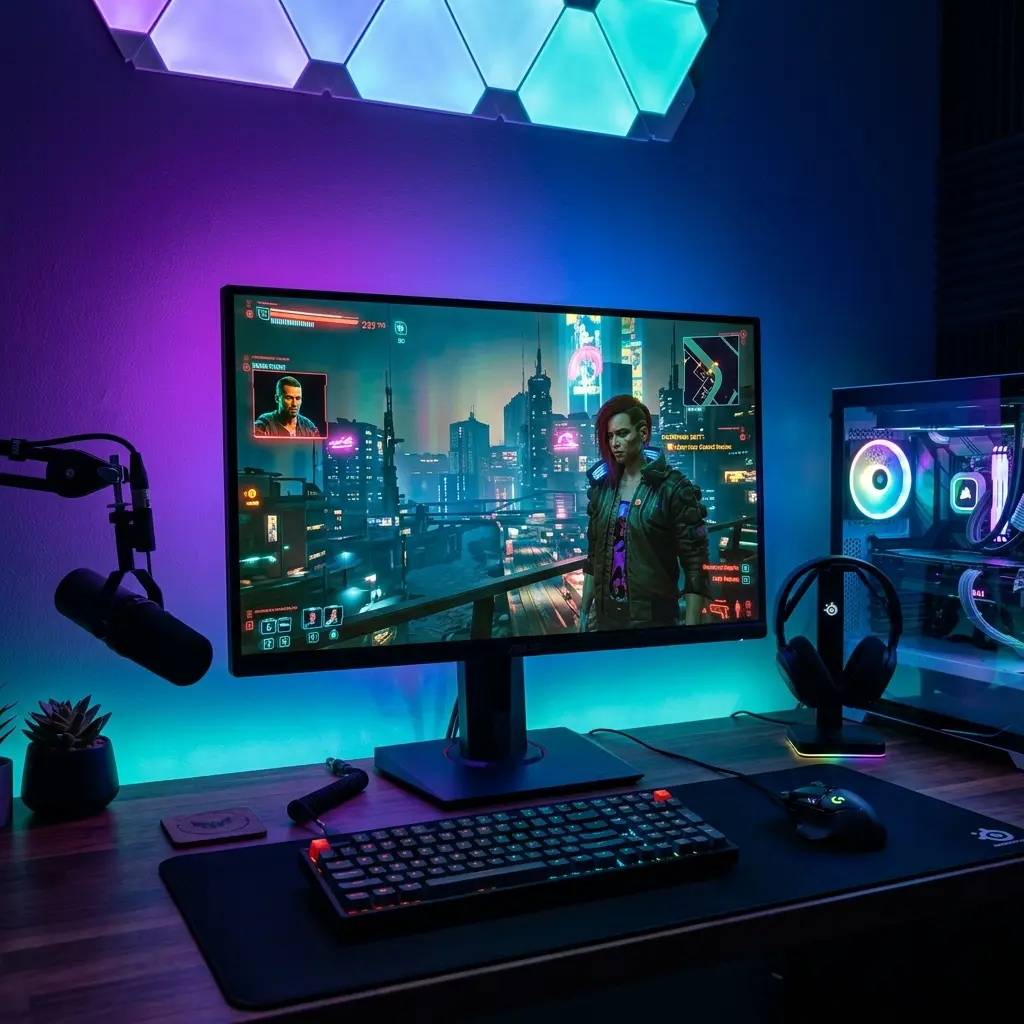
DisplayPort and HDMI each offer unique advantages for monitors, catering to different needs and applications.
Physical Aspects and Resolution
DisplayPort supports higher resolutions and refresh rates, making it ideal for gaming and professional applications.
HDMI is more prevalent in consumer electronics, supporting resolutions up to 8K with HDMI 2.1.
Performance and Technology
DisplayPort utilizes a more advanced technology with features like Multi-Stream Transport (MST), allowing multiple monitors from a single output.
HDMI, especially in its latest versions, offers enhanced audio return channels and variable refresh rates, vital for immersive experiences.
Ergonomics and Visual Comfort
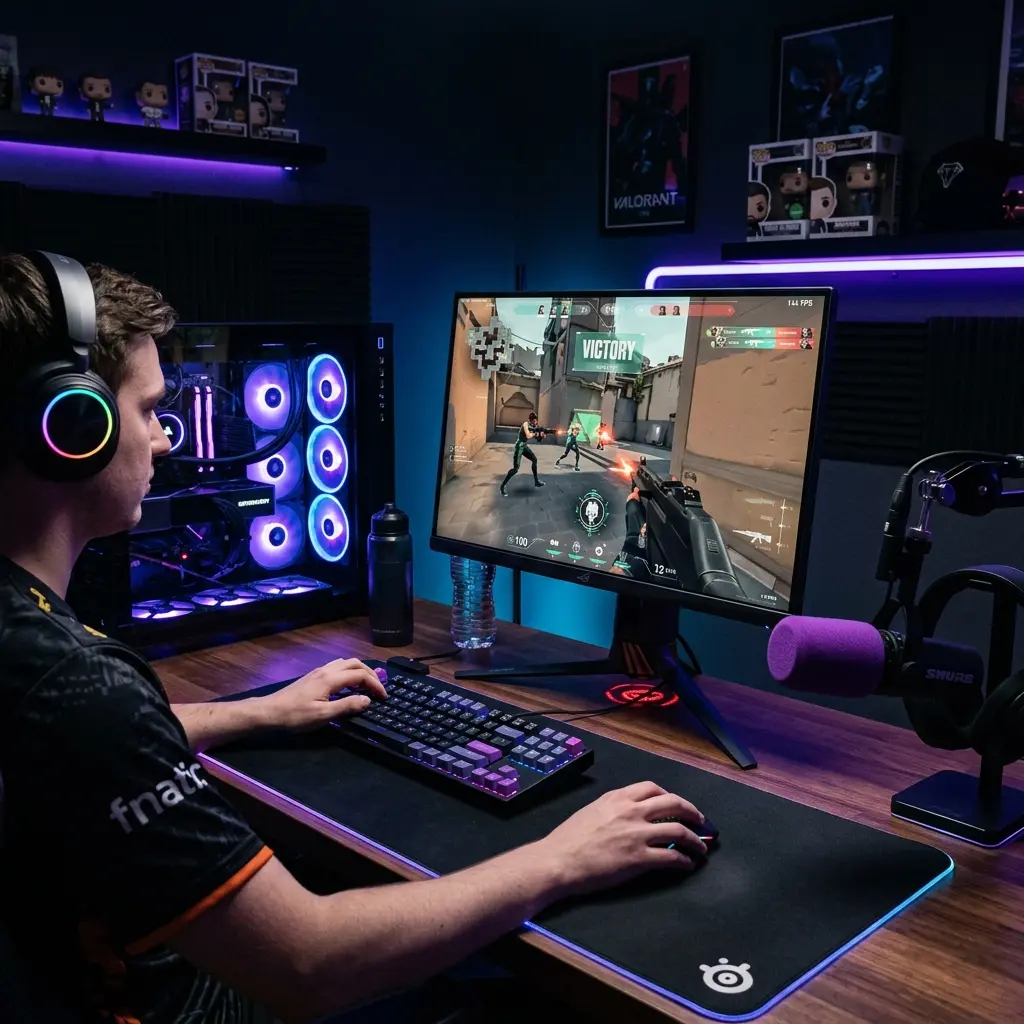
DisplayPort’s capability to support higher refresh rates can reduce motion blur, enhancing visual comfort during fast-paced activities.
HDMI’s extensive support for different audio formats also contributes to a more immersive experience, important for content consumption.
| Feature | DisplayPort | HDMI |
|---|---|---|
| Max Resolution | 8K at 60Hz | 8K at 60Hz |
| Max Refresh Rate | 240Hz at 1440p | 120Hz at 4K |
| Audio Support | Yes | Yes |
| Multi-Monitor Support | Yes (MST) | No |
| Cable Length | Up to 3 meters | Up to 15 meters |
Materials and Durability
DisplayPort cables often feature robust connectors designed to withstand repeated use, enhancing durability in professional settings.
HDMI cables, while generally reliable, can suffer from wear due to thinner connectors, impacting long-term usage.
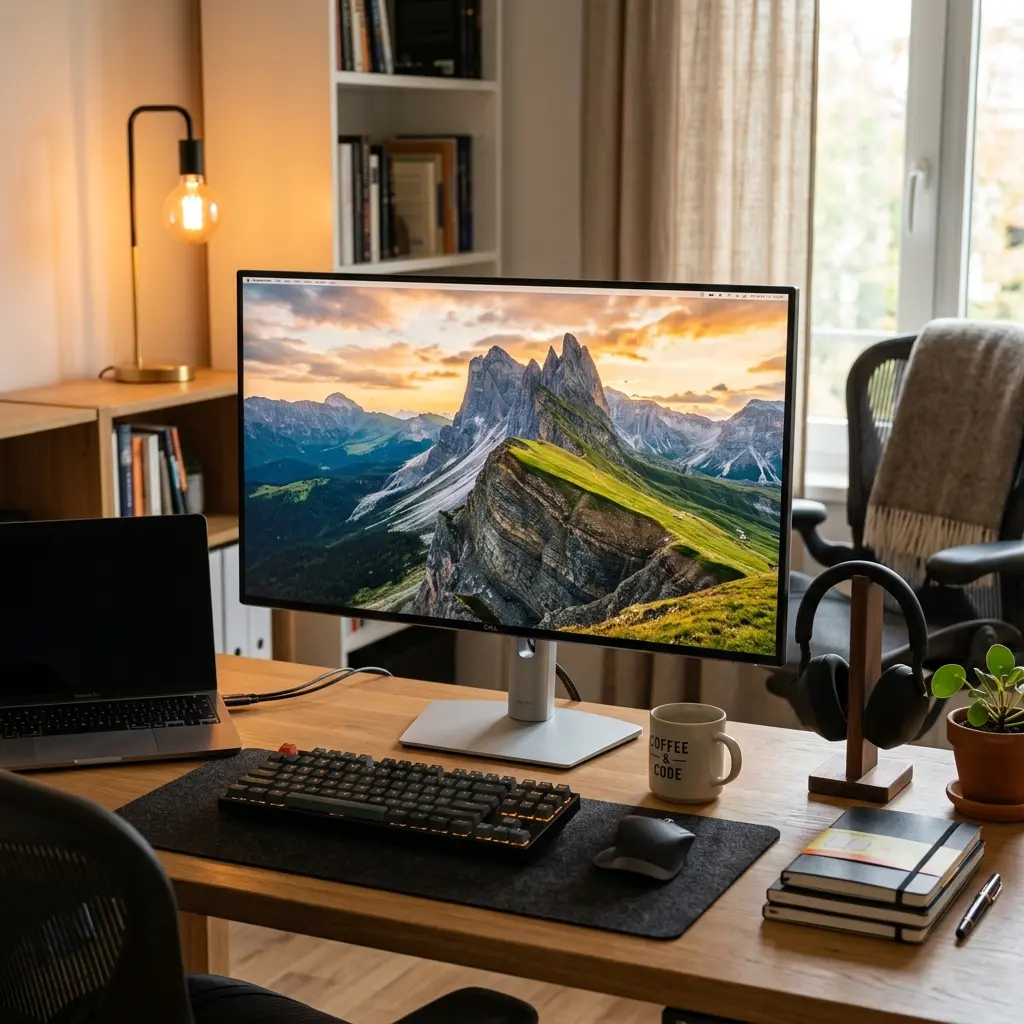
DomineTec Tip: Adjust monitor height to eye level for optimal ergonomics and reduced strain during prolonged use.
Buying Recommendations and Brands
Consider brands like Dell, ASUS, and LG for DisplayPort compatibility, while Samsung and Sony excel in HDMI offerings.

- Assess resolution and refresh rate requirements based on usage.
- Evaluate the type of content consumed—gaming vs. professional work.
- Inspect cable lengths needed for your setup.
- Check for multi-monitor setups and required support.
- Compare different brands for warranty and customer support.
Value Analysis and Verdict
HDMI provides versatility for home entertainment, while DisplayPort excels in high-performance scenarios.
Ultimately, the choice hinges on specific requirements, balancing between gaming needs and multimedia use.
Compatibility with Devices and Standards
DisplayPort and HDMI are both versatile interfaces, but their compatibility with various devices can differ significantly. HDMI is widely used in consumer electronics, such as TVs, gaming consoles, and projectors, making it the go-to choice for everyday users.
DisplayPort, on the other hand, is primarily found in computer monitors and graphics cards, catering more to the PC gaming and professional markets. This specialization means that while HDMI can connect to multiple devices, DisplayPort often excels in high-performance scenarios.
As technology evolves, both standards have seen updates that enhance compatibility. HDMI 2.1, for example, introduced support for higher refresh rates and resolutions, while DisplayPort 2.0 further improves bandwidth and supports higher resolutions, making it a strong contender for future-proofing setups.
Users should assess their devices' compatibility needs before choosing between the two standards, as this will heavily influence their overall experience and functionality.
Audio Capabilities and Support
Audio transmission features prominently in the comparison of HDMI and DisplayPort, particularly for users who prioritize multimedia experiences. HDMI typically supports a wider range of audio formats, including high-definition audio, making it ideal for home theater setups.
DisplayPort also supports audio signals, but its focus remains primarily on video performance. While it can transmit multi-channel audio, it may not support all the advanced audio codecs found in HDMI, which can limit its use in certain audio-centric applications.
Both interfaces allow for audio return channels (ARC) and enhanced audio return channels (eARC), but HDMI takes the lead in providing extensive support for advanced sound formats. This is crucial for high-end sound systems that require lossless audio quality.
Ultimately, the choice may depend on the intended use; for users who prioritize integrated audio and video capabilities, HDMI often proves to be the superior option.
Future-Proofing and Technology Trends
As technology advances, the need for future-proofing one's setup becomes increasingly important. DisplayPort and HDMI are both evolving to meet the demands of higher resolutions and refresh rates, but they do so in different ways.
DisplayPort 2.0, with its significant increase in bandwidth, allows for resolutions up to 16K and refresh rates beyond what is currently standard. This positions DisplayPort as an attractive option for gamers and professionals looking to invest in long-term technology.
HDMI 2.1 also introduces impressive features such as 8K support and variable refresh rates, appealing to home theater enthusiasts and gamers. However, the widespread adoption of HDMI across various consumer devices makes it more versatile in the short term.
Choosing between these standards requires consideration of current needs and potential future upgrades. Users might find that investing in a DisplayPort-compatible device provides better long-term benefits for high-performance applications.
Cable Length and Signal Integrity
Cable length plays a crucial role in signal integrity for both DisplayPort and HDMI connections. Generally, HDMI cables can effectively transmit signals over longer distances compared to DisplayPort without significant degradation.
DisplayPort is typically better suited for shorter distances; for longer runs, signal boosters or active cables may be necessary to maintain performance. This limitation can affect setup flexibility, especially in larger rooms or offices.
Users should consider their specific installation needs when choosing between the two standards. For example, if the display is far from the source device, HDMI may provide a more reliable connection without the need for additional equipment.
Furthermore, both standards offer active cables that can enhance performance over long distances, though these can come at a premium price. Assessing the required cable length and installation environment is essential for achieving optimal performance.
Gaming Features and Support
For gamers, the choice between DisplayPort and HDMI often hinges on specific gaming features. Many high-end monitors now offer variable refresh rate technologies like G-Sync and FreeSync, which can differ in their compatibility with each standard.
DisplayPort is generally recognized for its robust support of adaptive sync technologies, providing smoother gameplay experiences by reducing screen tearing. This makes it the preferred choice among competitive gamers who prioritize performance.
HDMI 2.1 introduced features such as auto low latency mode (ALLM) and enhanced refresh rates, catering to a broader audience of gamers, particularly those using consoles. However, some advanced gaming monitors still favor DisplayPort for its superior capabilities.
Ultimately, gamers should evaluate their specific gaming setup and the features they value most to determine whether DisplayPort or HDMI is the better fit for their needs.
Cost and Accessibility Considerations
When comparing DisplayPort and HDMI, cost and accessibility are important factors that can influence consumer choices. HDMI cables are generally more affordable and widely available, making them an accessible option for most users.
DisplayPort cables can sometimes be more expensive, particularly those that support higher bandwidths or longer lengths. However, the investment may be justified for users seeking top-tier performance in specific applications, such as gaming or professional graphic design.
Additionally, the prevalence of HDMI in consumer electronics means that users are more likely to encounter HDMI ports across various devices. This can lead to greater convenience when setting up home entertainment systems or connecting multiple devices.
Ultimately, users should weigh the cost against their specific needs and the expected performance benefits to determine which standard offers the best value for their situation.
Environmental Impact and Sustainability
As consumers become more environmentally conscious, the sustainability of technology choices is gaining attention. The manufacturing processes and materials used in HDMI and DisplayPort cables can have varying environmental impacts.
HDMI has been criticized for its reliance on certain materials that may not be sustainably sourced. However, many manufacturers are beginning to adopt more eco-friendly practices and materials in production.
On the other hand, DisplayPort's design may allow for more efficient wiring and less material waste, potentially presenting a more environmentally friendly option. This could appeal to consumers who prioritize sustainability in their purchasing decisions.
Ultimately, consumers should consider the environmental impact of their technology choices, including the longevity and recyclability of the cables and devices they select.
Color Depth and Color Accuracy
Color depth refers to the number of bits used to represent the color of a single pixel, directly impacting the range of colors that can be displayed.
HDMI typically supports 8-bit, 10-bit, and 12-bit color depths, making it suitable for consumer media, while DisplayPort can support up to 16-bit color depth in certain configurations.
For professionals in fields like graphic design and video editing, the color accuracy is paramount, and DisplayPort’s higher bandwidth allows for more extensive color gamuts, such as DCI-P3 and Adobe RGB.
Both standards have evolved to support HDR (High Dynamic Range), but DisplayPort excels in scenarios requiring high color depth and accuracy, making it a preferred choice for professional monitors.
Multi-Stream Transport (MST) and Daisy Chaining
Multi-Stream Transport (MST) is a feature exclusive to DisplayPort that allows multiple monitors to be connected to a single output port, facilitating an efficient workspace setup.
This capability enables users to daisy chain several monitors, which is especially beneficial for designers and gamers who require extensive screen real estate.
HDMI does not support MST, which limits its ability to connect multiple displays through a single port, often necessitating additional hardware like external splitters.
In contrast, DisplayPort’s MST functionality not only simplifies cabling but also enhances the overall aesthetic of a workspace by reducing clutter and improving cable management.
Adaptive Sync Technologies
Adaptive sync technologies, such as AMD's FreeSync and NVIDIA's G-Sync, are crucial for providing smooth and tear-free gaming experiences by synchronizing the display's refresh rate with the graphics card's output.
HDMI 2.1 introduced support for variable refresh rates, aligning it more closely with DisplayPort, which has supported FreeSync natively for a longer period.
DisplayPort offers a wider array of adaptive sync technologies, making it the preferred choice for gamers looking for the best performance and compatibility.
As gaming continues to evolve, the importance of these technologies in minimizing latency and enhancing visual fidelity makes DisplayPort a compelling option for high-end gaming rigs.
Latency and Response Times
Latency refers to the delay between the input signal and the visual output on the screen, a critical factor for both gaming and professional applications.
DisplayPort generally offers lower latency compared to HDMI, which can be advantageous in competitive gaming scenarios where every millisecond counts.
Additionally, the response time of a monitor can be influenced by the interface used; thus, the choice between DisplayPort and HDMI may affect overall performance depending on the specific monitor capabilities.
For users requiring minimal lag, especially in fast-paced environments, selecting a monitor that utilizes DisplayPort may provide a more responsive experience.
Use Cases and Target Audiences
The choice between DisplayPort and HDMI can significantly depend on the intended use case, catering to different audiences with specific needs.
DisplayPort is often favored in professional environments, such as graphic design and video editing, due to its superior bandwidth and support for higher resolutions and refresh rates.
On the other hand, HDMI is widely used in consumer electronics, making it the go-to choice for home theater setups and casual gaming.
Understanding the target audience and their specific requirements can help guide the decision on which interface to prioritize for optimal performance and compatibility.
Installation and Setup Complexity
When considering DisplayPort and HDMI for monitor setups, installation and setup complexity play a significant role in user experience. HDMI cables are typically simpler to use, as they are widely adopted and often come pre-installed in consumer electronics like televisions and gaming consoles. This ubiquity means that most users are already familiar with HDMI connections, reducing the learning curve when setting up devices.
In contrast, DisplayPort may require additional considerations during installation, especially for users who are not as familiar with the technology. DisplayPort connectors can be more intricate, with features such as latching mechanisms that may require careful handling. Additionally, for advanced configurations like multi-monitor setups using MST, users may need to engage in more complex settings adjustments to optimize their experience.
Furthermore, the choice of cable can also influence the ease of installation. While HDMI cables are generally less expensive and easier to find, DisplayPort cables vary in cost and quality, which could impact the installation process. Users should ensure they select the appropriate type of DisplayPort cable, whether it be standard, mini, or a high-speed version, to avoid compatibility issues.
Ultimately, the installation process for both HDMI and DisplayPort can vary widely based on the user's technical expertise and the specific equipment involved. Users who prioritize a straightforward setup may lean towards HDMI, while those seeking advanced functionalities may find DisplayPort worth the initial complexity.
Interoperability and Legacy Support
Interoperability and legacy support are crucial factors to consider when comparing DisplayPort and HDMI. HDMI has a long-standing presence in consumer electronics, making it compatible with a wide range of devices, including older models. This extensive compatibility ensures that users can connect their devices without much concern for support issues.
On the other hand, DisplayPort, while increasingly common in computer monitors and high-end graphics cards, may face challenges when interfacing with legacy devices. Older hardware that only supports HDMI may require adapters or converters to connect to DisplayPort outputs, which can introduce signal degradation or compatibility issues. Users should assess their existing equipment to determine potential interoperability hurdles.
Moreover, the evolution of both standards has introduced additional nuances in compatibility. Newer versions of HDMI support features such as 4K at higher refresh rates and enhanced audio return channels, which may not be available on older HDMI devices. DisplayPort also continues to innovate, with features like Display Stream Compression and support for higher refresh rates, but these advancements may not be backward compatible with all devices.
In summary, while HDMI provides a more universally compatible solution for connecting a wide array of devices, DisplayPort may offer superior performance for modern setups. Users must evaluate their specific needs, including the devices they intend to connect, to make informed decisions regarding interoperability and legacy support.
Frequently Asked Questions
Which is better for gaming, DisplayPort or HDMI?
DisplayPort generally offers superior refresh rates and resolutions, making it preferable for gaming setups.
Can DisplayPort and HDMI be converted?
Yes, adapters are available that allow a DisplayPort signal to be converted to HDMI and vice versa.
What cables should be used for 4K monitors?
Both HDMI 2.0 and DisplayPort 1.4 cables are suitable for 4K displays, depending on the specific monitor capabilities.
Is audio supported through DisplayPort?
Yes, DisplayPort supports audio transmission alongside video, similar to HDMI.
How long can HDMI cables be without signal loss?
HDMI cables can be effective up to 15 meters, although longer runs may require signal boosters to avoid degradation.




