Dell and LG both offer exceptional professional monitors, but Dell is often favored for its reliability and ergonomics.
Physical Aspects and Resolution
Dell monitors are known for their sturdy build quality and extensive screen size options, often ranging from 24 to 43 inches.
In contrast, LG offers innovative designs with ultra-thin bezels, commonly featuring 4K resolution across various models.
Performance and Technology
Dell monitors typically utilize IPS technology, providing excellent color accuracy and wide viewing angles.
LG often integrates advanced technologies like Nano IPS and OLED, enhancing contrast ratios and color vibrancy.
Ergonomics and Visual Comfort
Dell monitors usually feature adjustable stands, allowing for height, tilt, pivot, and swivel adjustments for optimal comfort.
LG's ergonomic designs also provide flexibility but may vary significantly between models, requiring careful consideration.
| Feature | Dell | LG |
|---|---|---|
| Screen Size Range | 24" - 43" | 27" - 38" |
| Panel Technology | IPS | Nano IPS/OLED |
| Adjustability | Height, tilt, pivot, swivel | Varies by model |
| Color Accuracy | 99% sRGB | 98% DCI-P3 |
| Response Time | 5ms | 1ms (OLED) |
Materials and Durability
Dell employs high-quality plastics and metal in their monitor frames, ensuring longevity and resistance to wear.
LG, while also utilizing durable materials, often emphasizes aesthetics without compromising functionality.
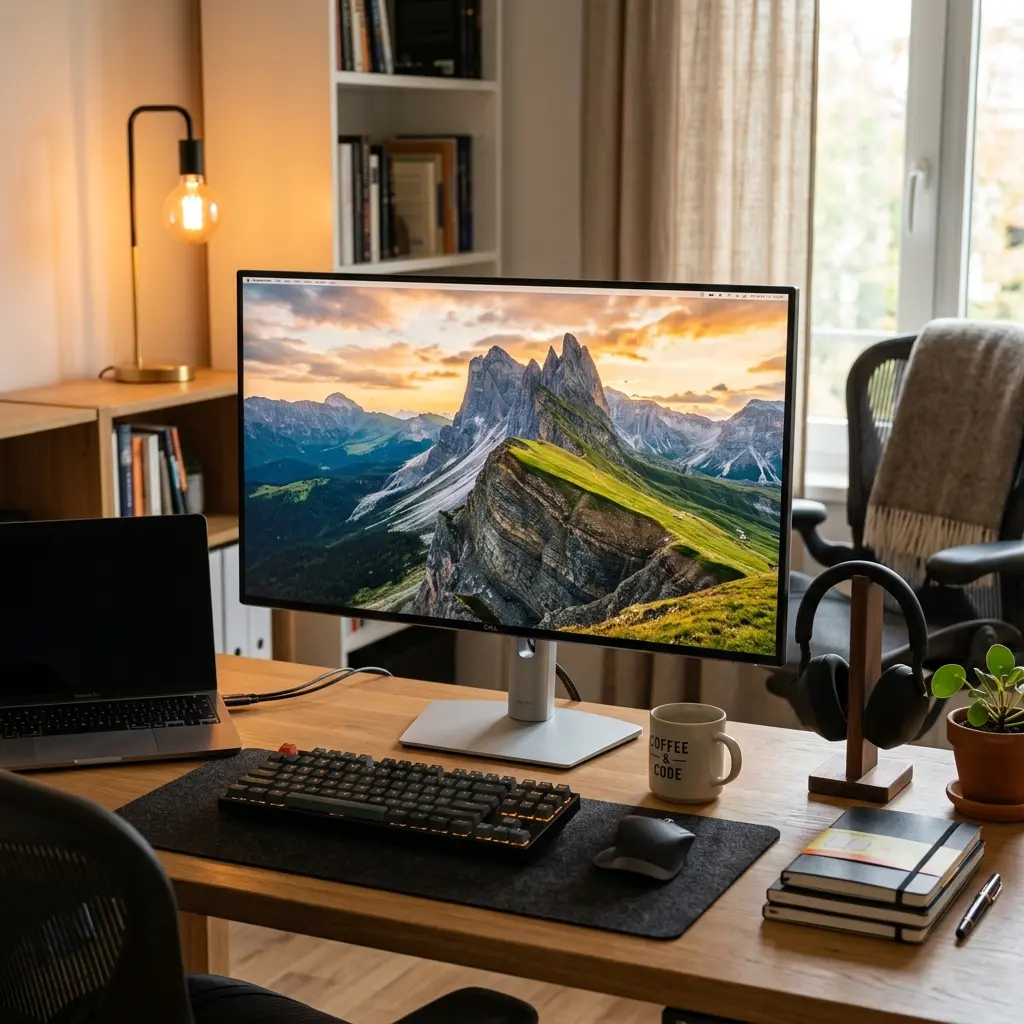
DomineTec Tip: Ensure the monitor's height is at eye level to reduce neck strain and enhance productivity.
Buying Recommendations and Brands
For those prioritizing color accuracy and adjustability, Dell's UltraSharp series is recommended.
LG’s UltraFine series is ideal for creative professionals seeking superior display technology.

- Identify the primary use case: gaming, design, or general productivity.
- Assess the required screen size and resolution.
- Consider panel technology for color performance needs.
- Evaluate ergonomic features for comfort during use.
- Compare warranty and customer service offerings from both brands.
Value Analysis and Verdict
Ultimately, Dell tends to offer better ergonomic options and reliability, making it suitable for long-term use.
LG excels in cutting-edge technology and aesthetic appeal, catering to specific professional needs.
Color Accuracy and Calibration
Color accuracy is a crucial factor for professionals in fields such as graphic design, photography, and video editing. Both Dell and LG have models that cater to this need, offering factory calibration and advanced color technologies.
Dell monitors often feature PremierColor technology, which provides a wide color gamut and precise color reproduction. This is essential for professionals who require accuracy in their work.
On the other hand, LG’s UltraFine series is known for its exceptional color fidelity, often covering 99% of the Adobe RGB spectrum. This makes LG a popular choice among visual artists and content creators.
Calibration options also vary, with some models offering built-in calibration tools, allowing users to maintain color accuracy over time. Users should consider their specific color needs when choosing between the two brands.
Connectivity Options
Connectivity is a vital aspect of professional monitors, impacting workflow and flexibility. Both Dell and LG provide a range of connectivity options, including HDMI, DisplayPort, and USB-C.
Dell monitors often come equipped with multiple USB ports, making them convenient for connecting peripherals such as external drives and webcams. This versatility can enhance productivity in a professional setting.
Conversely, LG monitors frequently include Thunderbolt 3 support, which allows for high-speed data transfer and daisy-chaining multiple displays. This feature is particularly advantageous for professionals who use multiple monitors simultaneously.
Ultimately, users should evaluate their specific connectivity needs, as different professions may prioritize different ports and features when selecting a monitor.
Energy Efficiency and Environmental Impact
Energy efficiency is becoming increasingly important for consumers and businesses alike. Both Dell and LG have made strides in producing monitors that adhere to energy-saving standards.
Dell monitors often feature Energy Star certification, indicating that they meet strict energy efficiency guidelines. This can help reduce electricity costs and minimize environmental impact.
LG also emphasizes sustainability, with many of its monitors designed to consume less power without compromising performance. The company has initiatives aimed at reducing carbon footprints throughout its manufacturing processes.
Consumers should consider the long-term energy costs and environmental implications of their monitor choice, as efficient models can lead to significant savings over time.
Warranty and Customer Support
A reliable warranty and effective customer support are essential factors to consider when investing in professional monitors. Both brands offer varying warranty periods and customer support services.
Dell typically provides a three-year warranty on its professional monitors, along with a robust customer service network. This can provide peace of mind for professionals who rely on their equipment for daily tasks.
LG also offers competitive warranty options, often including additional coverage for dead pixels, which can be a significant concern for professionals. Their customer support is known for being responsive and helpful.
Understanding the warranty terms and the quality of customer support can help users make an informed decision, ensuring that they receive assistance when needed.
Market Position and Brand Reputation
The market position and brand reputation of Dell and LG can significantly influence consumer choices. Dell is often recognized for its strong presence in the business sector, particularly with its reliable and high-performance monitors.
LG, in contrast, has carved out a niche in the consumer electronics market, particularly with its cutting-edge display technology and innovative designs. This has garnered a loyal customer base among creative professionals.
Both brands have received numerous awards for their display technology, enhancing their reputation among consumers. Understanding the strengths of each brand can help potential buyers align their choices with their professional needs.
In a competitive landscape, the brand reputation can also reflect the company’s commitment to quality and innovation, making it an important consideration when selecting a monitor.
Special Features and Innovations
Both Dell and LG offer unique features and innovations that can enhance the user experience. Dell's UltraSharp series, for example, often includes features like Picture-by-Picture and Picture-in-Picture, which allow for multitasking.
LG, on the other hand, is known for its Nano IPS technology, which provides superior color accuracy and wide viewing angles. This technology is particularly beneficial for professionals who need consistent colors across different viewing positions.
Additionally, LG frequently incorporates features like HDR support, which enhances the dynamic range of images, making it ideal for video editing and content creation.
When considering special features, users should assess how these innovations align with their specific professional requirements to maximize their productivity and efficiency.
Community Feedback and User Reviews
User feedback and reviews can provide valuable insights into the performance and reliability of Dell and LG monitors. Many professionals turn to online forums and review sites for real-world experiences before making a purchase.
Dell monitors often receive praise for their build quality and consistent performance, with many users noting their reliability in high-demand environments. This feedback can be crucial for businesses looking to invest in multiple units.
Conversely, LG monitors are frequently highlighted for their vibrant displays and advanced features, particularly among creative professionals. Users often commend the color accuracy and immersion they provide.
Analyzing community feedback can help prospective buyers identify potential issues and benefits, ultimately guiding them toward a monitor that aligns with their professional needs.
Software Compatibility and Integration
When selecting a professional monitor, software compatibility is a vital consideration. Both Dell and LG have made strides to ensure their monitors integrate well with popular graphic design, video editing, and productivity software.
Dell monitors often come with specialized calibration software, such as Dell Display Manager, which allows for easy configuration of multiple displays and provides features like Easy Arrange for optimal workspace setup. This software can significantly enhance productivity for professionals who rely on multi-monitor setups.
LG, on the other hand, offers its own set of software tools, including LG Screen Split, which enables users to divide their screen into multiple sections for improved multitasking. Additionally, LG's UltraGear line includes features tailored for gamers, ensuring a smooth experience when used with gaming software.
Both brands also provide compatibility with various operating systems, including Windows and macOS, making them versatile choices for professionals in different fields. Users should assess their specific software needs when choosing between Dell and LG monitors.
Calibration and Professional Standards
Calibration is essential for professionals who rely on precise color representation, such as graphic designers and photographers. Dell and LG monitors offer various calibration options to meet these standards.
Dell monitors typically come factory-calibrated with a color accuracy rating, often achieving a Delta E of less than 2, which is suitable for professional use. Some models even support hardware calibration, allowing users to adjust the settings directly on the monitor rather than through the GPU.
LG monitors also prioritize color accuracy, with many of their models covering a wide color gamut, such as 99% sRGB and 95% DCI-P3. They often feature advanced calibration options, making it easier for users to work with demanding color specifications.
Professionals should consider monitors that not only offer calibration tools but also have been validated by industry standards, such as CalMAN or Pantone, to ensure they meet their specific workflow requirements.
Panel Technology and Viewing Angles
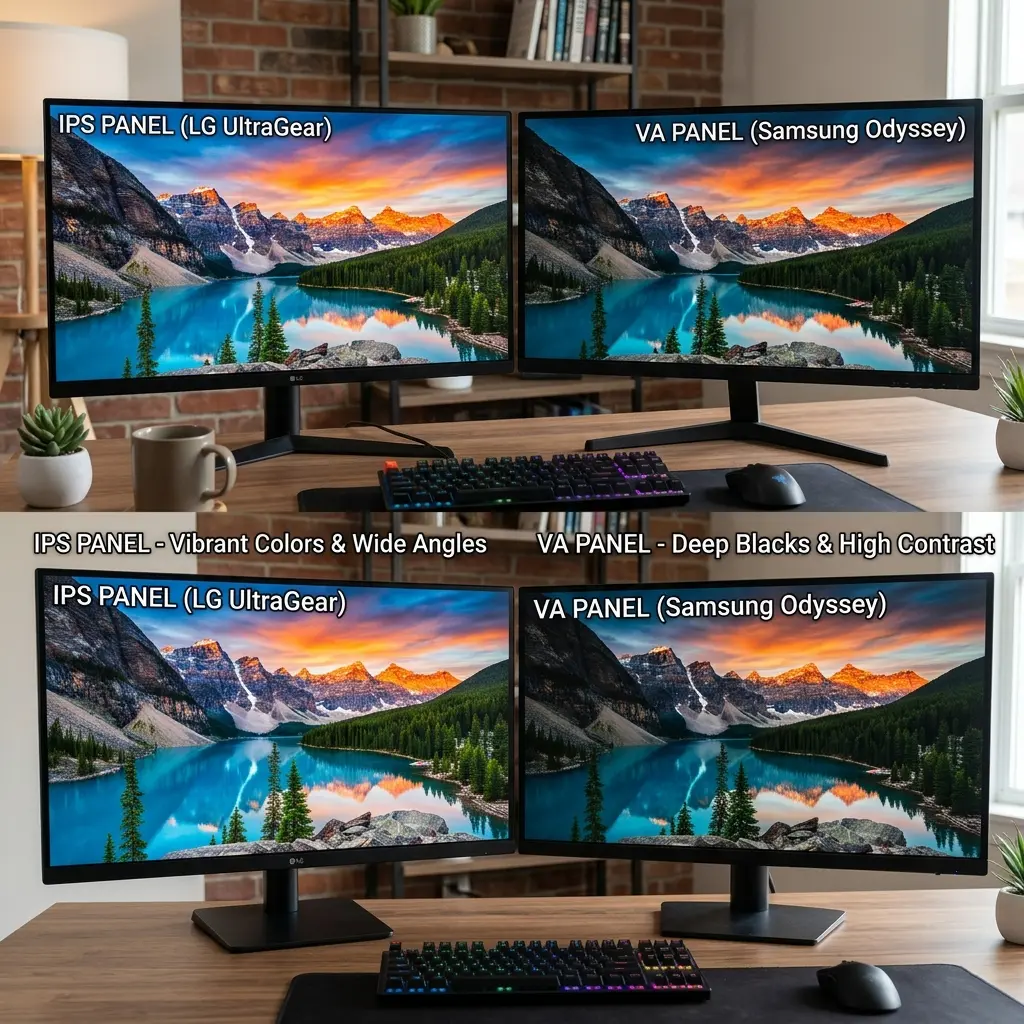
The type of panel technology used in monitors significantly influences visual performance and user experience. Both Dell and LG utilize a variety of panel types, including IPS, VA, and TN, catering to different user needs.
IPS (In-Plane Switching) panels, commonly found in both brands, are renowned for their excellent color accuracy and wide viewing angles. This makes them ideal for creative professionals who require consistent color reproduction from different viewing angles.
LG is particularly noted for its advanced IPS technology, often enhancing the color consistency and brightness across the screen. This can be crucial in collaborative environments where multiple people are viewing the screen simultaneously.
Dell also offers high-quality IPS panels, often equipped with Anti-Glare technology to minimize reflections. Users should weigh the advantages of each panel type based on their specific use case, such as gaming, graphic design, or everyday office work.
Compatibility with Accessories and Add-ons
Compatibility with accessories and add-ons can enhance a monitor's functionality, making it a more appealing choice for professionals. Both Dell and LG have designed their monitors to work seamlessly with various peripherals and accessories.
Dell monitors often feature VESA mount compatibility, allowing for easy mounting on adjustable arms or multi-monitor stands. Additionally, Dell's commitment to modular design means that users can add Dell-specific accessories, such as KVM switches, to streamline their workspace.
LG monitors similarly support VESA mounting and offer a range of add-ons, including webcam attachments and soundbars that integrate well with their displays. This versatility allows users to customize their setup according to professional needs.
Ultimately, evaluating the compatibility of accessories and add-ons can lead to a more efficient and personalized work environment. Professionals should consider how well a monitor will integrate with their existing tools and workflow.
Cost of Ownership and Long-Term Investment
The cost of ownership for professional monitors extends beyond the initial purchase price, encompassing factors like maintenance, operational costs, and potential upgrades. Dell and LG offer various warranty options, which can influence long-term costs. Dell typically provides more robust support packages, including extended warranties that cover accidental damage, which may appeal to businesses that rely heavily on their equipment.
Additionally, the longevity of a monitor’s hardware plays a significant role in its overall cost-effectiveness. Users often report that Dell monitors tend to have a longer lifespan due to their build quality and consistent performance over time. Conversely, LG monitors, while offering advanced technology and features, may require more frequent upgrades, particularly as software demands evolve.
The energy consumption of a monitor is another critical factor in calculating cost of ownership. Monitors that are energy-efficient, like many models from both brands, can significantly reduce electricity bills over time. Dell has made strides in energy efficiency with their Energy Star certified products, while LG also focuses on reducing power usage without sacrificing performance.
Ultimately, the choice between Dell and LG may hinge on how an organization values long-term investment versus initial cost. Businesses that prioritize longevity and support might lean towards Dell, while those looking for specific technological advancements may find LG’s offerings more suitable.
Market Trends and Future Developments
The professional monitor market is continuously evolving, driven by advancements in technology and changing user needs. As both Dell and LG invest in research and development, they are adapting to trends such as higher resolution displays, faster refresh rates, and enhanced color accuracy. The demand for 4K and 8K monitors is on the rise, and both brands are expanding their portfolios to accommodate these preferences.
Furthermore, the rise of remote work and collaborative environments has influenced monitor design. Dell has been proactive in integrating features that enhance video conferencing and multitasking capabilities, making their monitors ideal for remote workers. On the other hand, LG is focusing on ultra-wide monitors that facilitate multitasking and improve productivity in hybrid work settings.
Future developments may also see a greater emphasis on sustainability and eco-friendly practices. Both companies are likely to enhance their focus on reducing environmental impact through sustainable materials and energy-efficient technologies. This trend aligns with global initiatives aimed at reducing carbon footprints, making it a significant consideration for environmentally-conscious consumers.
As technology continues to advance, the competition between Dell and LG will likely intensify, leading to innovative solutions that meet the evolving demands of professionals. Keeping an eye on market trends will be essential for consumers looking to invest in monitors that not only meet current needs but also adapt to future requirements.
Frequently Asked Questions
Which brand offers better color accuracy?
Both brands provide excellent color accuracy, but LG often leads with its OLED technology.
Are Dell monitors more adjustable than LG?
Dell monitors generally feature more comprehensive ergonomic adjustments compared to LG's offerings.
What is the average lifespan of these monitors?
Most Dell and LG monitors are designed to last between 5 to 7 years under normal usage conditions.
Do both brands provide 4K options?
Yes, both Dell and LG offer various 4K monitor options suitable for different professional applications.
Which monitor is better for gaming?
LG’s models with faster response times and higher refresh rates may be preferable for competitive gaming.




