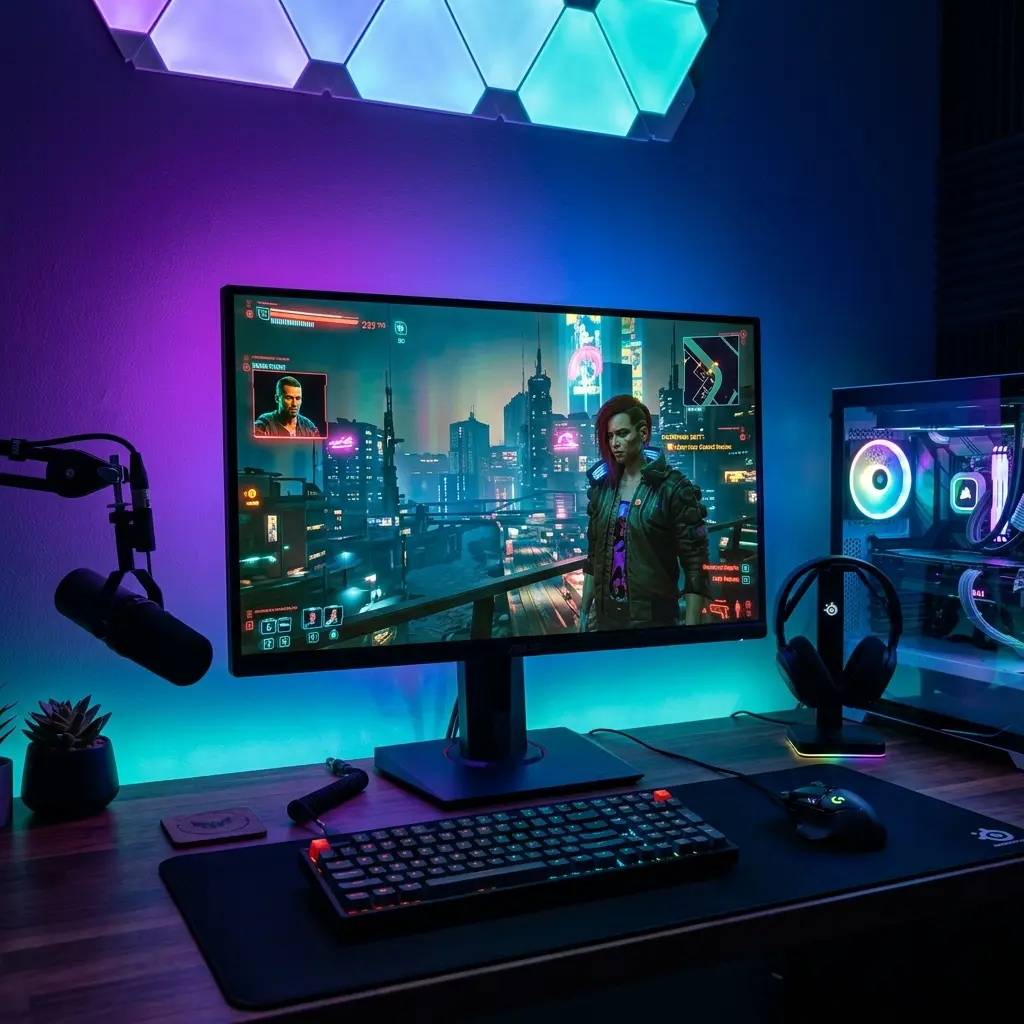
Curved ultrawide monitors often provide a more immersive experience compared to flat models, but the choice ultimately depends on user preference.
Physical Aspects and Resolution
Curved monitors typically feature a radius curvature that enhances peripheral vision, while flat monitors maintain a traditional display shape.
Resolution options for both types often include 1080p, 1440p, and 4K, with pixel density playing a crucial role in image clarity.
Performance and Technology
Curved monitors can reduce reflections and glare, improving overall performance in brightly lit environments.
Flat monitors, however, often excel in color accuracy and consistency across wider angles, making them favorable for graphic design tasks.
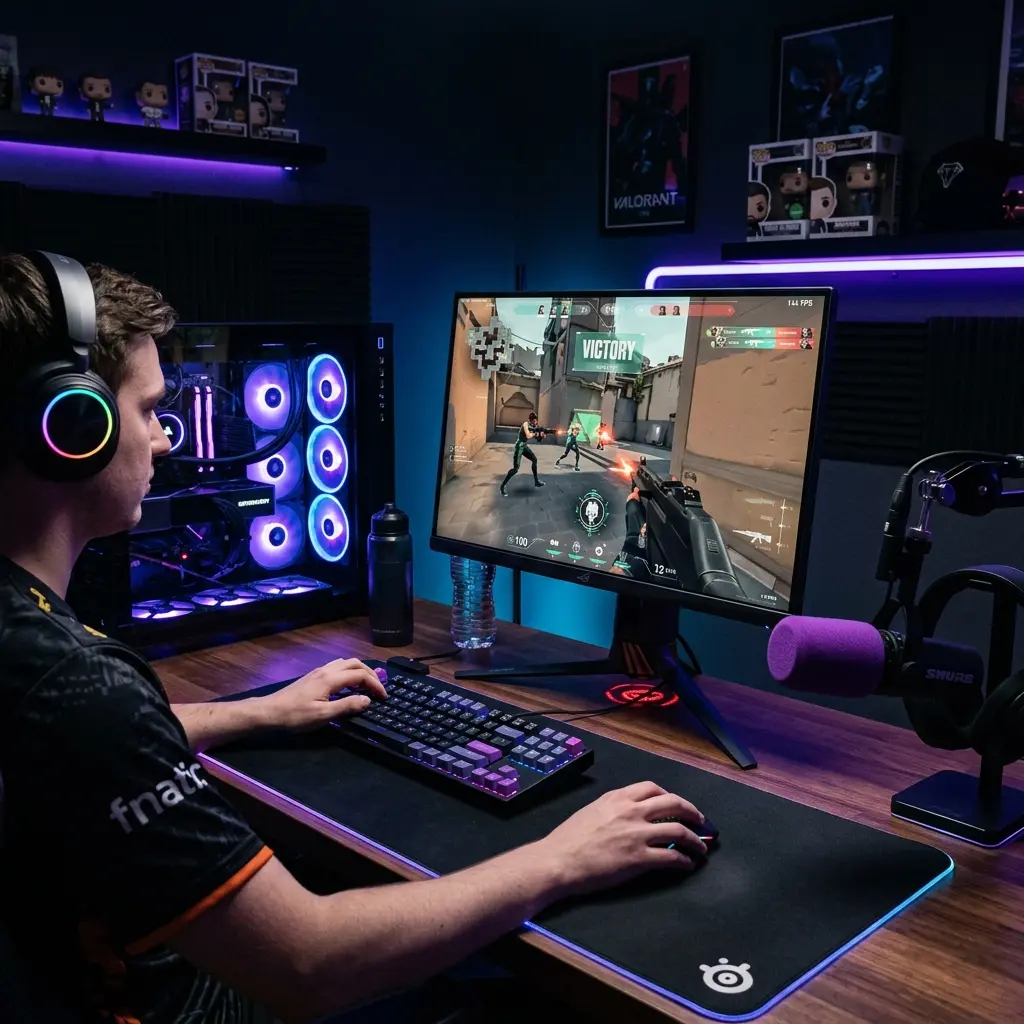
Ergonomics and Visual Comfort
The ergonomic design of curved monitors may lead to less eye strain during extended use, as the curvature aligns more closely with the natural shape of the eye.
Flat monitors, while less immersive, can be easier to use in multi-monitor setups without any distortion of image continuity.
| Feature | Curved Ultrawide | Flat Ultrawide |
|---|---|---|
| Immersion | High | Moderate |
| Color Consistency | Average | High |
| Eye Strain | Low | Moderate |
| Multi-Monitor Setup | Challenging | Easy |
| Price Range | Higher | Lower |
Materials and Durability
Curved monitors often utilize high-grade plastics and metal for structural integrity, contributing to a more premium feel.
Flat monitors may employ similar materials, but the construction quality can vary significantly among different brands.
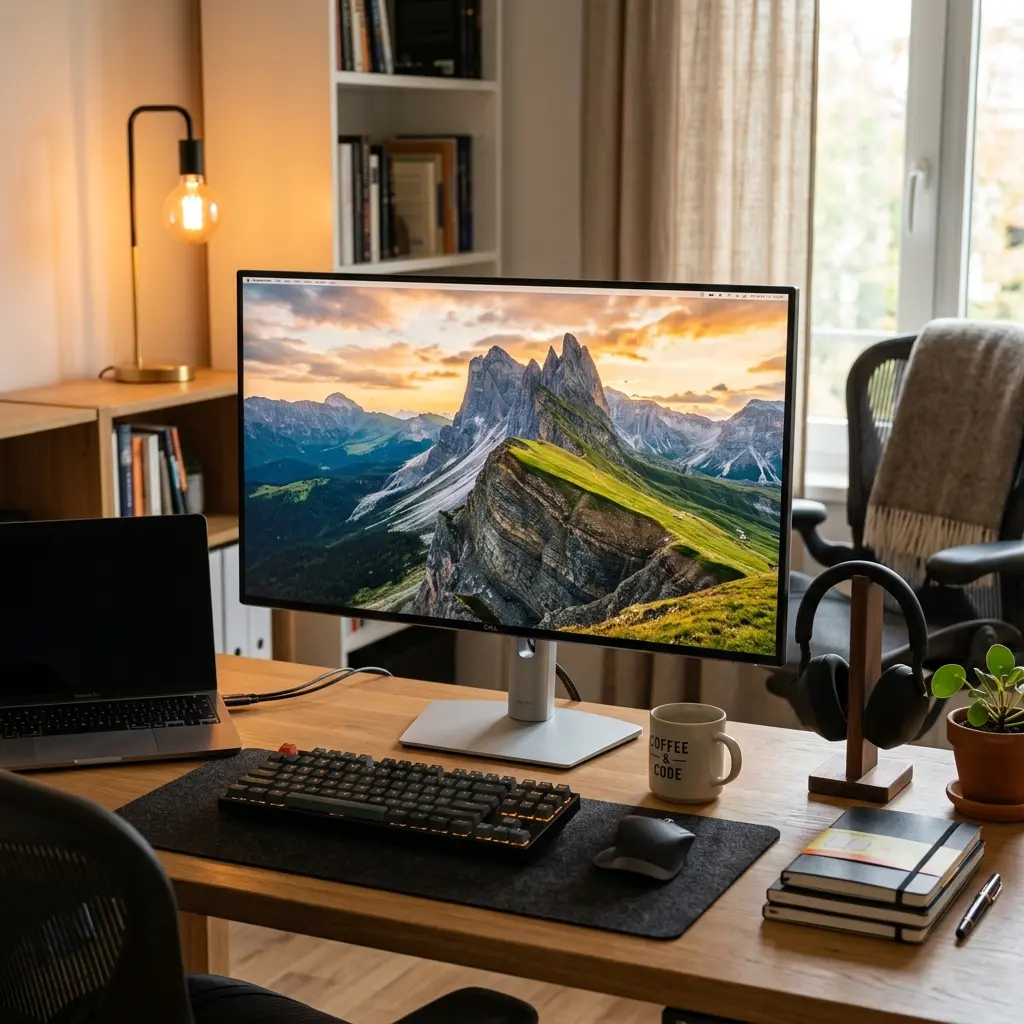
DomineTec Tip: Position the monitor at an arm's length with the top of the screen at or slightly below eye level to enhance comfort.
Buying Recommendations and Brands
Top brands like Dell, LG, and Samsung offer a wide array of curved and flat ultrawide monitors that cater to various user needs.
Consider specific features such as refresh rate, color accuracy, and panel type when selecting a monitor.

- Determine the primary usage: gaming, design, or general productivity.
- Evaluate the available space for monitor placement.
- Research specifications like refresh rate and response time.
- Check user reviews and expert ratings for real-world performance.
- Compare prices across multiple retailers to find the best deal.
Value Analysis and Verdict
Ultimately, the choice between a curved and flat ultrawide monitor hinges on personal preferences and specific use cases.
Investing in a high-quality monitor, regardless of curvature, can significantly enhance productivity and enjoyment.
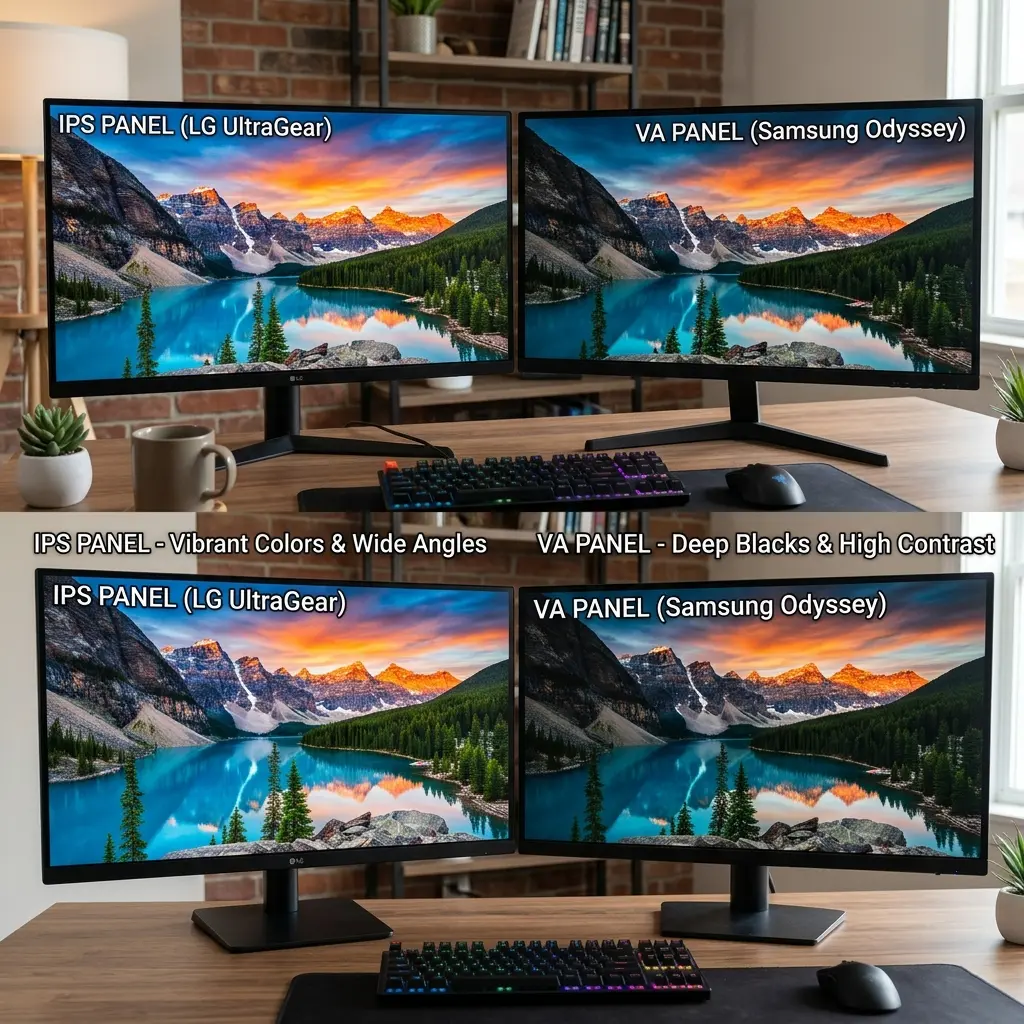
Color Accuracy and Calibration
Color accuracy is a critical factor for professionals in fields such as graphic design, photography, and video editing. Ultrawide monitors are available with varying levels of color precision, influenced by the display technology and calibration options.
Flat ultrawide monitors often provide better color reproduction due to uniform pixel distribution, while curved monitors may introduce slight color distortion at extreme angles. Understanding the specific color gamut coverage, such as sRGB or Adobe RGB, is essential for users requiring precise color fidelity.
Calibration tools can enhance the color accuracy of both types of monitors. Many modern ultrawide displays come with built-in calibration presets or hardware calibration options, which can significantly improve overall color performance.
When choosing between curved and flat models, consider the intended use case. For tasks demanding high color accuracy, consulting expert reviews and utilizing color calibration tools can help ensure optimal performance.
Gaming Experience and Immersion
For gamers, the choice between curved and flat ultrawide monitors often hinges on the immersive experience. Curved monitors are designed to wrap around the viewer's field of vision, creating a more engaging gaming experience.
Flat ultrawide monitors, while lacking the immersive peripheral vision enhancement of their curved counterparts, can still deliver exceptional performance, especially for fast-paced games where screen distortion might be a concern.
Refresh rates and response times are also critical in a gaming context. Many ultrawide gaming monitors offer high refresh rates, allowing for smoother gameplay and reduced motion blur, enhancing the overall experience regardless of curvature.
Ultimately, the gaming experience varies by individual preference. Users should assess their game types and personal comfort levels when deciding on a monitor curvature that best suits their gaming needs.
Multitasking and Productivity
Ultrawide monitors excel in multitasking capabilities, allowing users to run multiple applications simultaneously. The choice between curved and flat displays can influence how effectively this multitasking is realized.
Flat ultrawide monitors offer a more straightforward layout for side-by-side app windows, making it easy to compare content without distractions. In contrast, curved monitors can enhance spatial awareness, allowing users to focus on multiple tasks without losing context.
Screen splitting features and software compatibility can also impact productivity. Many ultrawide monitors come equipped with built-in screen splitters, enabling users to customize their workspace according to personal preferences.
Overall, the decision should align with the user's work habits. Evaluating the nature of tasks and how they prefer to interact with multiple applications can guide the choice between curved and flat ultrawide monitors.
Connectivity and Compatibility
Connectivity options are crucial for ensuring that ultrawide monitors integrate seamlessly with existing systems. Both curved and flat models generally offer a range of ports, including HDMI, DisplayPort, and USB hubs.
However, the availability of these ports can vary significantly across models. Users should consider their specific needs, such as whether they require multiple input sources or plan to connect peripherals directly to the monitor.
Compatibility with various devices is another important factor. Some monitors may support features like USB-C connectivity, which can simplify connections with laptops and other modern devices, while others may lack this functionality.
Before making a decision, assessing the monitor's input options and how they align with the user's current and future hardware setup is essential for ensuring optimal connectivity.
Energy Efficiency and Environmental Impact
Energy efficiency is an important consideration for many users, especially in corporate or multi-user environments. Both flat and curved ultrawide monitors can have varying power consumption levels, influenced by their size and technology.
LED backlighting is common in modern ultrawide displays, promoting energy savings. However, curved models may consume more power due to their design and the additional costs associated with manufacturing.
Environmental impact also extends beyond energy consumption. Monitoring manufacturers' commitment to sustainable practices, such as using recyclable materials and eco-friendly packaging, can inform purchasing decisions.
Choosing energy-efficient monitors not only reduces costs but also contributes to a more sustainable approach to technology usage. Users should evaluate energy ratings and environmental practices when selecting their ideal ultrawide monitor.
Future-Proofing and Longevity
Choosing a monitor with longevity in mind is crucial, especially given the rapid advancements in display technology. Users should consider how well a monitor can adapt to future needs in terms of performance and compatibility.
Flat ultrawide monitors typically feature more standardized resolutions, which may ensure broader compatibility with future graphics cards and content. Curved monitors, while often designed for current immersive experiences, may face challenges as display technology evolves.
Investing in a monitor with a higher resolution and refresh rate can provide a degree of future-proofing. Users should assess the long-term viability of the technology and features offered by each model.
Ultimately, researching industry trends and future developments in display technology can assist users in making informed decisions regarding their ultrawide monitor purchase.
User Preferences and Reviews
User preferences play a significant role in the decision-making process for selecting between curved and flat ultrawide monitors. Personal experiences and reviews can provide valuable insights into the performance and usability of different models.
Exploring user reviews across multiple platforms can help identify common strengths and weaknesses associated with each monitor type. This feedback can guide potential buyers toward models that align with their specific needs and preferences.
Additionally, engaging in forums or communities focused on gaming or professional use can provide anecdotal evidence regarding which monitor type excels in various scenarios.
Ultimately, synthesizing user feedback with technical specifications can empower consumers to make well-rounded decisions when choosing the right ultrawide monitor for their applications.
Cost Considerations and Budgeting
When evaluating curved and flat ultrawide monitors, cost plays a pivotal role in decision-making. Generally, curved monitors tend to be priced higher due to the advanced technology and manufacturing processes involved in their design.
Budget-conscious consumers may find that flat ultrawide monitors offer a more economical option without sacrificing essential features. However, the pricing landscape varies significantly across brands, resolutions, and additional features.
It is essential to consider not only the upfront cost but also the potential long-term value of each type. Curved monitors may enhance the viewing experience, potentially justifying their higher price for dedicated gamers or professionals.
Additionally, keeping an eye on seasonal sales and discounts can provide opportunities for acquiring high-quality monitors at reduced prices, making it easier to find a model that fits both needs and budgets.
Installation and Setup Challenges
Installation and setup can differ significantly between curved and flat ultrawide monitors. Curved monitors often require specific positioning to maximize their immersive experience, necessitating careful consideration of desk space and viewing angles.
Meanwhile, flat ultrawide monitors are generally more straightforward to install, as they can be placed at various angles without significantly affecting the viewing experience. This flexibility can be advantageous for users with limited desk space or those who frequently change their setup.
Users should also consider the mounting options available for each type. Curved monitors may require specialized mounts or stands designed to accommodate their unique shape, while flat monitors typically offer a broader range of standard mounting solutions.
Ultimately, understanding the installation requirements and potential challenges can help users make informed decisions that align with their workspace and preferences.
Impact on Eye Health and Fatigue
Eye health and fatigue are significant considerations when choosing between curved and flat ultrawide monitors. Curved monitors are often designed to reduce glare and reflections, potentially leading to a more comfortable viewing experience over extended periods.
In contrast, flat ultrawide monitors can sometimes lead to more eye strain due to their broader surface area, which may require users to shift their focus more frequently. This factor can contribute to fatigue, especially in productivity or gaming scenarios.
Moreover, the curvature of the monitor may encourage a more natural eye movement, reducing the stress on the eyes by keeping a consistent distance from the screen. This ergonomic benefit can be particularly advantageous for users who spend long hours in front of their displays.
Ultimately, both types of monitors can be beneficial or detrimental to eye health, depending on individual usage patterns and ergonomic setups, highlighting the importance of considering how each monitor fits into one’s daily tasks.
Long-Term Investment and Depreciation
When considering the purchase of a curved or flat ultrawide monitor, potential buyers should evaluate the long-term investment aspect of their choice. Curved monitors are generally perceived as offering a more immersive experience, which could justify a higher upfront cost compared to flat monitors.
However, the depreciation of technology, particularly in the rapidly evolving monitor market, can vary significantly between these two types. Curved monitors might retain their value better due to their unique design and features, appealing to niche markets such as gamers and professionals seeking advanced visual experiences.
On the other hand, flat ultrawide monitors, often available at a lower price point, may depreciate faster as newer models emerge with enhanced features. This factor is crucial for consumers who frequently upgrade their technology and want to maximize the resale value of their devices.
Ultimately, understanding the potential resale value and longevity of both curved and flat ultrawide monitors can inform consumers’ decisions, ensuring they make a choice that aligns with their financial plans and technology needs.
Impact on Workflow and Creative Processes
The choice between a curved and flat ultrawide monitor can significantly influence workflow and creative processes, especially for professionals in design, video editing, and content creation. Curved monitors offer a wider field of view, which can enhance the user’s ability to multitask and manage multiple applications simultaneously.
For graphic designers, the immersive experience provided by a curved monitor can facilitate a more engaging workspace, allowing for deeper focus and creativity. The curvature can help reduce distractions by keeping the user’s visual attention centered on the screen, potentially leading to improved productivity.
Conversely, flat ultrawide monitors may be favored for color-critical tasks where accuracy is paramount. These monitors provide a consistent viewing angle, which can be essential for tasks like photo editing where color fidelity across the entire monitor is crucial.
When evaluating workflow impact, it is important to consider individual preferences and the specific tasks at hand. Users should assess how each monitor type aligns with their professional requirements and work habits to make an informed decision.
Gaming Performance and Refresh Rates
The gaming performance of ultrawide monitors can significantly vary between curved and flat models, particularly when considering refresh rates and response times. Curved monitors often provide a more immersive gaming experience, as they wrap around the viewer's peripheral vision, creating a more engaging and enveloping atmosphere.
Flat monitors, on the other hand, may offer higher refresh rates, especially in competitive gaming scenarios where every millisecond counts. Many flat ultrawide monitors are designed with gaming in mind, featuring technologies like G-Sync or FreeSync, which can reduce screen tearing and enhance overall performance.
For gamers seeking high frame rates, it is crucial to consider the specifications of the monitor alongside the capabilities of their gaming hardware. A flat monitor might be the better choice for those prioritizing competitive gaming, while a curved model could enhance the experience for single-player games with rich visuals.
Ultimately, the choice between curved and flat for gaming performance hinges on personal gaming preferences, the type of games played, and the specific refresh rates that one requires for an optimal experience.
Impact on Social and Collaborative Use
The choice between curved and flat ultrawide monitors can also affect social interactions and collaborative work environments. Flat monitors tend to be more suitable for group settings, as they provide a consistent viewing angle for multiple individuals, making it easier for teams to collaborate on projects.
Curved monitors, while excellent for individual use, can present challenges in shared spaces where users may have differing angles of view. This could lead to discrepancies in color perception and viewing comfort, potentially hindering collaborative tasks.
In professional environments where teamwork is essential, flat ultrawide monitors may facilitate better communication and sharing of ideas. Their design allows for more straightforward presentations and discussions, as everyone can see the screen clearly from various positions.
Evaluating the intended usage of the monitor in relation to team dynamics and collaborative efforts is essential. For environments focused on teamwork, flat monitors may be the more practical choice, while curved models can excel in individual-focused tasks.
Frequently Asked Questions
What are the main advantages of curved monitors?
Curved monitors offer enhanced immersion and reduced glare, making them suitable for gaming and multimedia consumption.
Are flat monitors better for design work?
Flat monitors typically provide better color consistency and accuracy, which are essential for graphic design tasks.
Can curved monitors cause eye strain?
While curved monitors may reduce eye strain for some users, they can cause discomfort in specific viewing angles.
What is the ideal resolution for ultrawide monitors?
A resolution of 1440p or 4K is recommended for ultrawide monitors to ensure sharp images and crisp details.
Do brands matter when choosing a monitor?
Brand reputation often correlates with build quality, customer support, and warranty options, making it an essential factor to consider.




