Curved vs Flat Monitor: Key Differences and Which to Choose
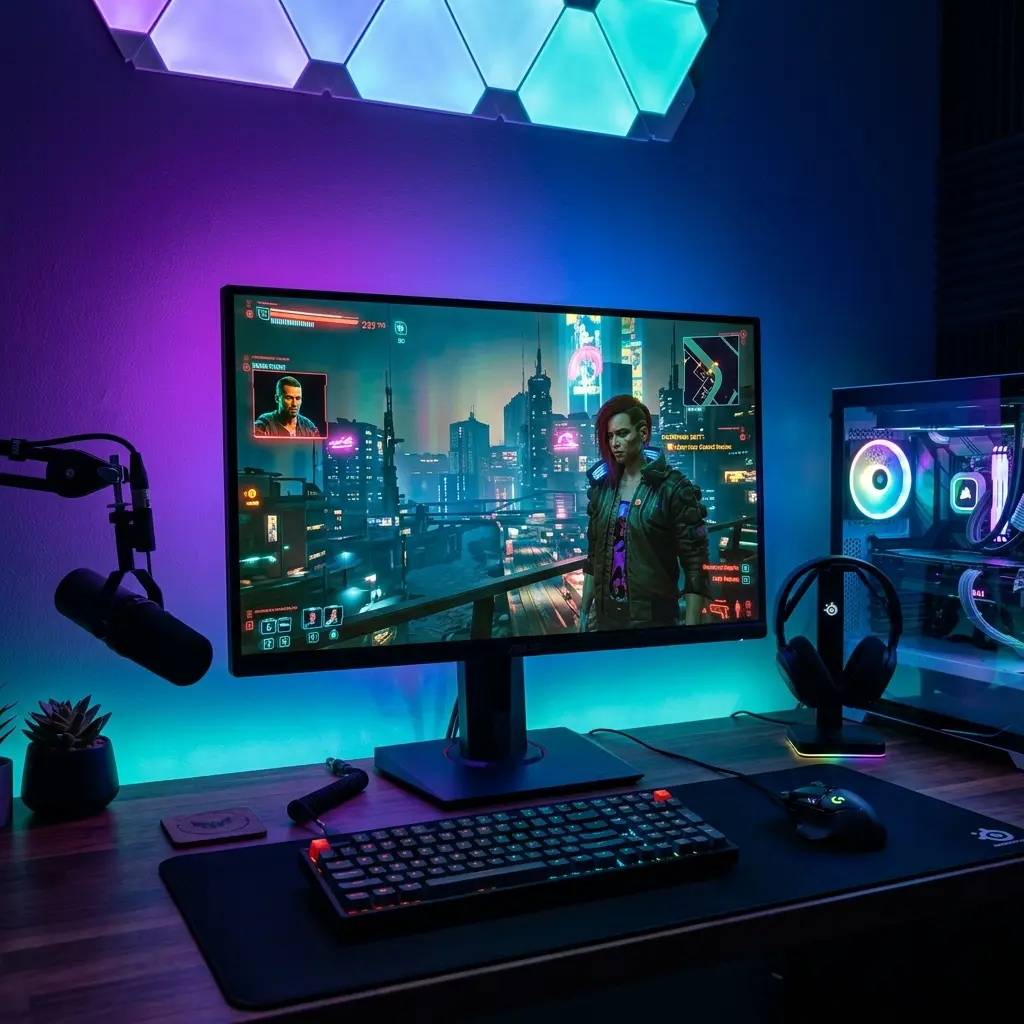
Curved monitors offer immersive visuals, while flat monitors provide a traditional viewing experience. The choice depends on specific needs and preferences.
Physical Aspects and Resolution
Curved monitors typically feature a concave design that enhances peripheral vision, making images feel more immersive. Flat monitors maintain a traditional surface, which may be better for tasks requiring precise alignment, such as graphic design.
Performance and Technology
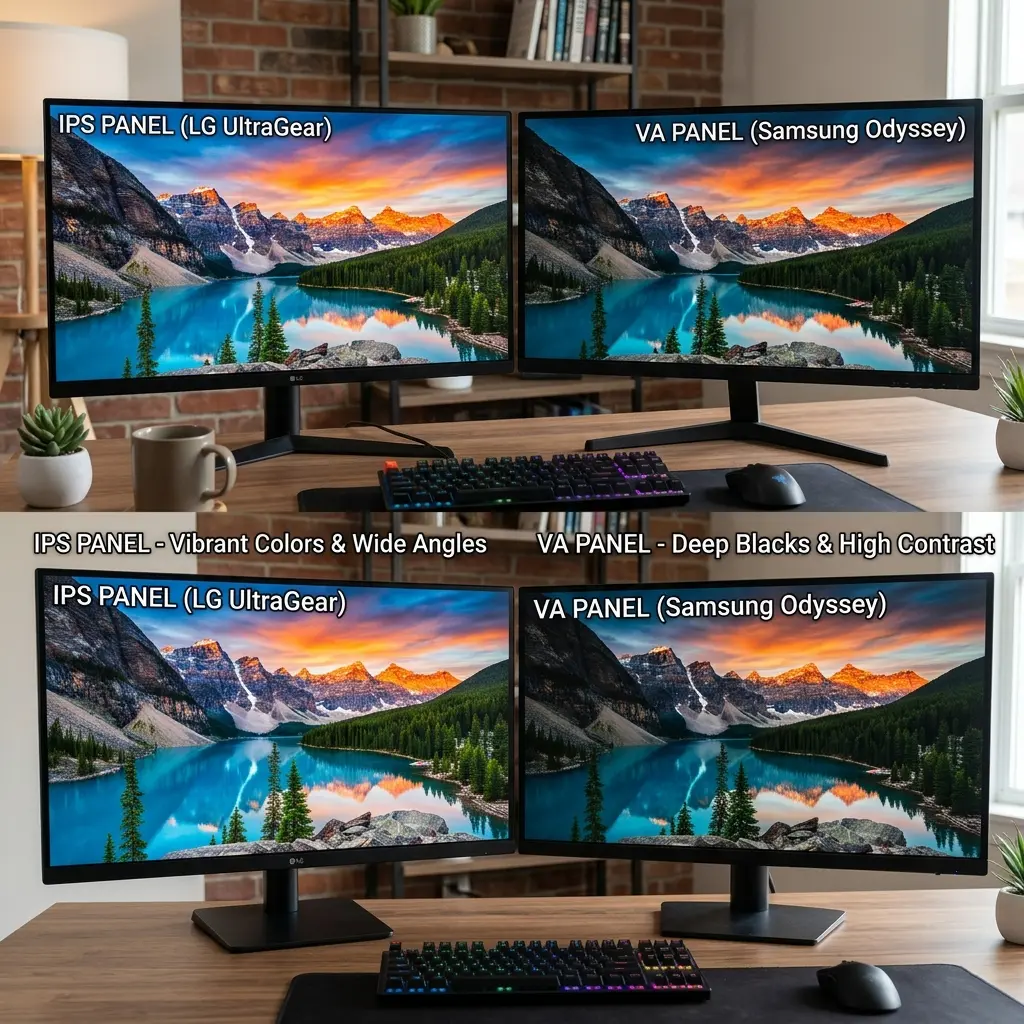
Curved displays often utilize advanced technologies such as VA or OLED panels, providing deeper contrasts and vibrant colors. Flat monitors, particularly those with IPS technology, excel in color accuracy and wide viewing angles.
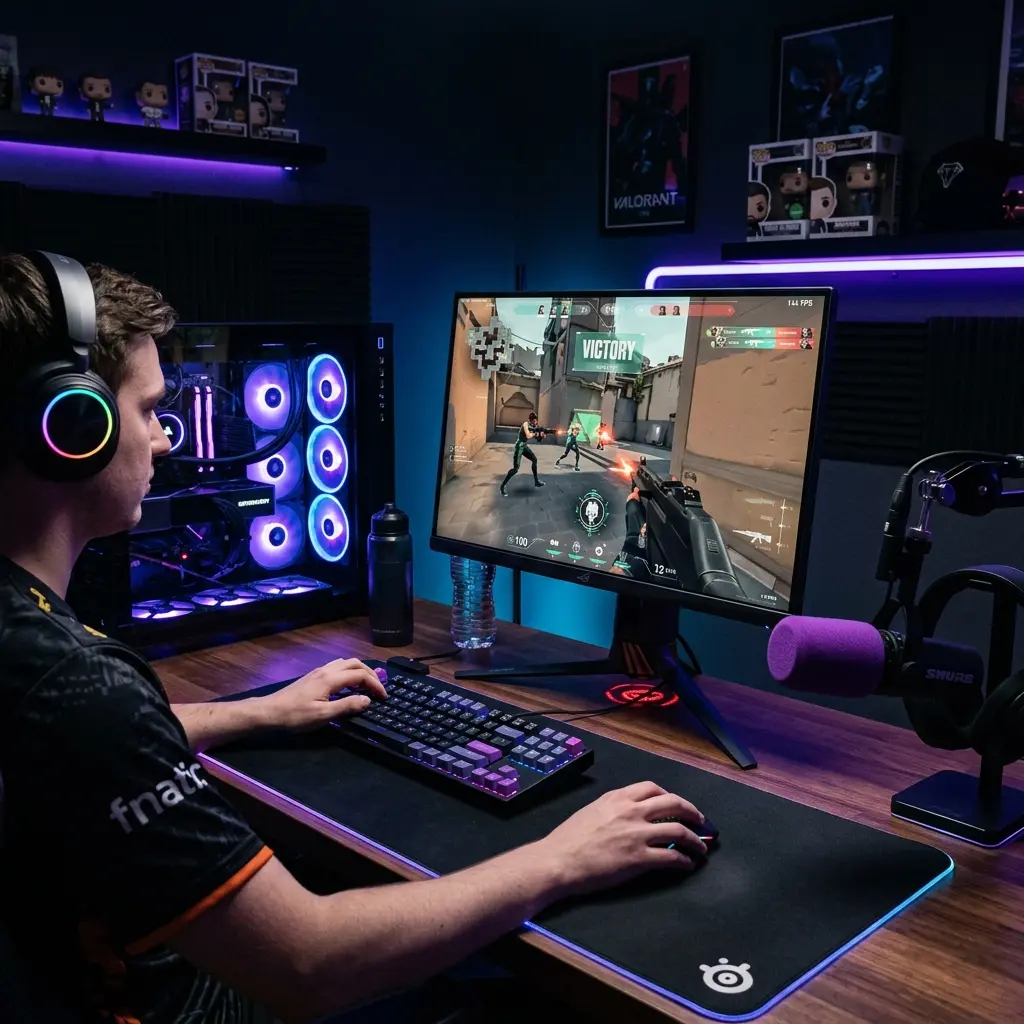
Ergonomics and Visual Comfort
The curvature of a monitor can reduce eye strain by allowing a more natural line of sight. Flat monitors may require more adjustments to ensure a comfortable viewing position, particularly in multi-monitor setups.
| Feature | Curved Monitor | Flat Monitor |
|---|---|---|
| Immersion | High | Moderate |
| Color Accuracy | Varies | High (especially IPS) |
| Viewing Angles | Good | Excellent |
| Space Requirements | More depth needed | Standard |
| Price Range | Higher | Varies widely |
Materials and Durability
Curved monitors often use high-quality plastics and glass for their surfaces, leading to enhanced durability. Flat monitors may also utilize similar materials but can vary significantly in build quality across different brands.
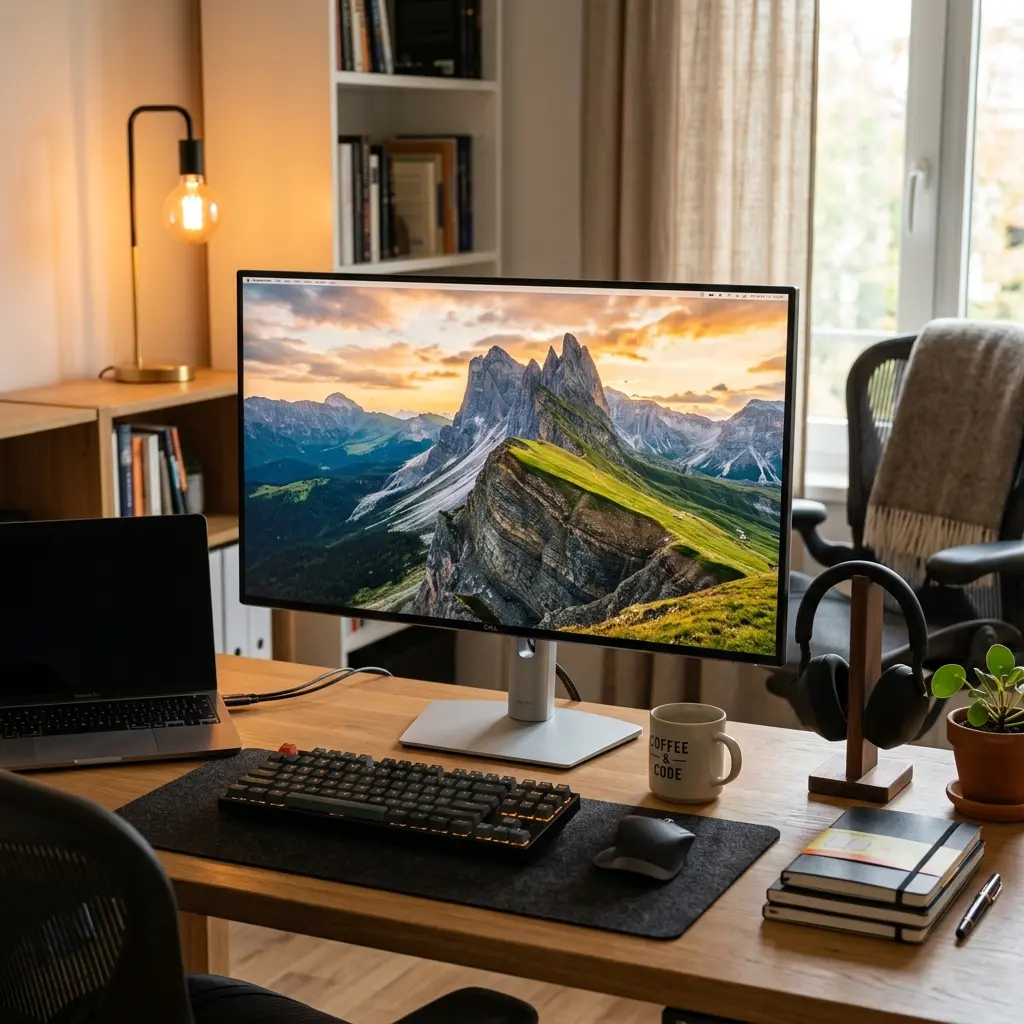
DomineTec Tip: Ensure the monitor's height and distance match eye level to minimize neck strain and enhance visual comfort.
Buying Recommendations and Brands
When selecting between curved and flat monitors, consider brand reputation and specific model reviews. Leading brands such as Samsung, LG, and Dell offer reliable options in both categories.
- Determine the primary use case: gaming, professional work, or general use.
- Assess available desk space and monitor size preferences.
- Check the monitor's refresh rate and response time for gaming.
- Compare panel technologies: IPS for color accuracy, VA for contrast, OLED for depth.
- Review warranty and customer support options.
Value Analysis and Verdict
Curved monitors often command a premium price due to their unique design and immersive capabilities. Flat monitors, while typically less expensive, can provide exceptional performance for standard tasks and gaming alike.
Color Accuracy and Calibration
Color accuracy is critical for tasks such as graphic design, photography, and video editing. Curved monitors often provide more consistent color reproduction across the screen due to their design, which minimizes color distortion at the edges.
Flat monitors, while capable of excellent color accuracy, may suffer from color shifts when viewed from extreme angles. This can pose a challenge for professionals who require precise color matching.
Many monitors offer factory calibration, but the effectiveness varies by brand and model. Users should consider purchasing a color calibration tool to ensure their monitor meets specific color accuracy standards.
Ultimately, the choice between a curved and flat monitor for color accuracy will depend on the intended use and the viewer's position relative to the screen.
Gaming Experience and Immersion
For gamers, the choice between curved and flat monitors significantly impacts immersion. Curved monitors envelop the viewer’s field of vision, creating a more engaging gaming experience.
Flat monitors can also provide a satisfying gaming experience, especially for competitive gaming, where quick reflexes and peripheral vision are essential. The flat surface allows for easier multi-monitor setups.
Refresh rates and response times are crucial for gaming performance. Curved monitors often support high refresh rates, which can enhance smoother gameplay, but it’s vital to ensure the monitor meets the user’s gaming needs.
In summary, while curved monitors may offer a more immersive experience, flat monitors provide advantages in competitive scenarios and multi-display setups, making the choice subjective based on individual gaming preferences.
Viewing Angles and Screen Size
Viewing angles play a pivotal role in determining how well a monitor performs in different environments. Curved monitors tend to maintain color consistency and contrast at wider angles, making them suitable for collaborative workspaces.
Flat monitors can exhibit color and contrast degradation when viewed from the sides, which may not be as noticeable at smaller screen sizes. However, larger flat screens can struggle with this issue, particularly in a multi-user setting.
The screen size also impacts the effectiveness of both monitor types. Curved monitors are often available in larger sizes, enhancing the immersive experience, while flat monitors can offer a wider variety of sizes to fit diverse setups.
Ultimately, the optimal choice depends on the intended use and the viewing environment, as both curved and flat monitors have unique strengths based on their design and screen size.
Price Range and Market Trends
The price range of curved and flat monitors can vary significantly based on features and specifications. Curved monitors are often priced higher due to their advanced technology and design, but prices have been decreasing as they become more mainstream.
Flat monitors typically offer a broader price spectrum, accommodating budget-conscious consumers and professionals alike. As technology evolves, flat monitors continue to improve in performance and features without significantly increasing in price.
Market trends indicate a growing preference for curved monitors among gamers and multimedia professionals, while flat monitors remain popular for office use and general tasks.
Consumers should monitor market trends and pricing strategies to find the best value for their specific needs, considering the long-term investment in the monitor's performance and features.
Personalization and Aesthetic Appeal
Personalization plays a crucial role in choosing between curved and flat monitors. Curved monitors often have a modern aesthetic that appeals to gamers and creatives, providing a unique look to any workspace.
Flat monitors are available in various designs, allowing users to select models that complement their setup and personal style. This variety enables consumers to prioritize aesthetics along with functionality.
Some manufacturers offer customizable RGB lighting options, primarily on curved monitors, enhancing the overall visual experience. This feature has become popular among gamers who seek to create immersive environments.
In essence, the choice between curved and flat monitors can also reflect personal preferences in design and aesthetics, making it an essential factor in the decision-making process.
Impact on Eye Strain and Fatigue
Eye strain and fatigue are common concerns for users spending extended periods in front of screens. Curved monitors, with their ability to reduce glare and reflections, can help alleviate some of these issues, making for a more comfortable viewing experience.
Flat monitors, while also equipped with anti-glare technologies, may not provide the same level of comfort in bright environments. Users often report increased fatigue when using flat screens for long durations due to glare and the necessity of adjusting their viewing angles.
Additionally, features such as blue light filters and flicker-free technology are essential in both monitor types. Users should prioritize these features regardless of the monitor shape to minimize eye strain.
Ultimately, the impact on eye strain varies among individuals, but the ergonomic benefits of curved monitors often make them a preferable choice for long-term use.
Future Developments and Innovations
The technology landscape for monitors is rapidly evolving, with both curved and flat monitors benefiting from advances in display technology. Future developments may include enhanced curvature designs that further improve immersion and visual comfort.
Innovations in display panels, such as OLED and mini-LED technology, will likely enhance color accuracy, contrast, and response times for both types of monitors. This advancement can lead to better performance across various tasks.
As gaming and multimedia consumption continue to rise, manufacturers are likely to focus on optimizing monitor features specifically tailored to these markets, including features that enhance immersive experiences.
In conclusion, the future of monitors promises exciting developments, and prospective buyers should stay informed about emerging technologies to make informed choices about their next purchase.
Environmental Impact and Energy Efficiency
The production and disposal of monitors have significant environmental implications. Curved monitors often use more materials due to their design, which can lead to a larger carbon footprint during manufacturing.
Flat monitors, being simpler in design, may require less raw material and energy in the production process, potentially making them a more eco-friendly option.
Energy consumption is another critical factor. Many curved monitors come with advanced features that can enhance energy efficiency, such as adaptive brightness and power-saving modes.
Evaluating the energy ratings and sustainability practices of manufacturers can help consumers make informed choices that align with their environmental values.
Compatibility with Workspaces and Setup
The choice between curved and flat monitors can significantly affect workspace organization and aesthetics. Curved monitors often necessitate a specific positioning and distance to optimize the visual experience.
In contrast, flat monitors provide more flexibility in terms of placement and can be easily mounted on walls or stands without the need for specialized setups.
Curved monitors can create immersive setups, particularly in multi-monitor configurations; however, they may require more desk space and careful planning to avoid glare.
Understanding the compatibility of a monitor with existing workspace elements, such as furniture and lighting, can influence the overall user experience and satisfaction.
Usage Scenarios and Target Audiences
Different user types may benefit from either curved or flat monitors based on their specific needs and use cases. Curved monitors are often favored by gamers and movie enthusiasts who desire an immersive viewing experience.
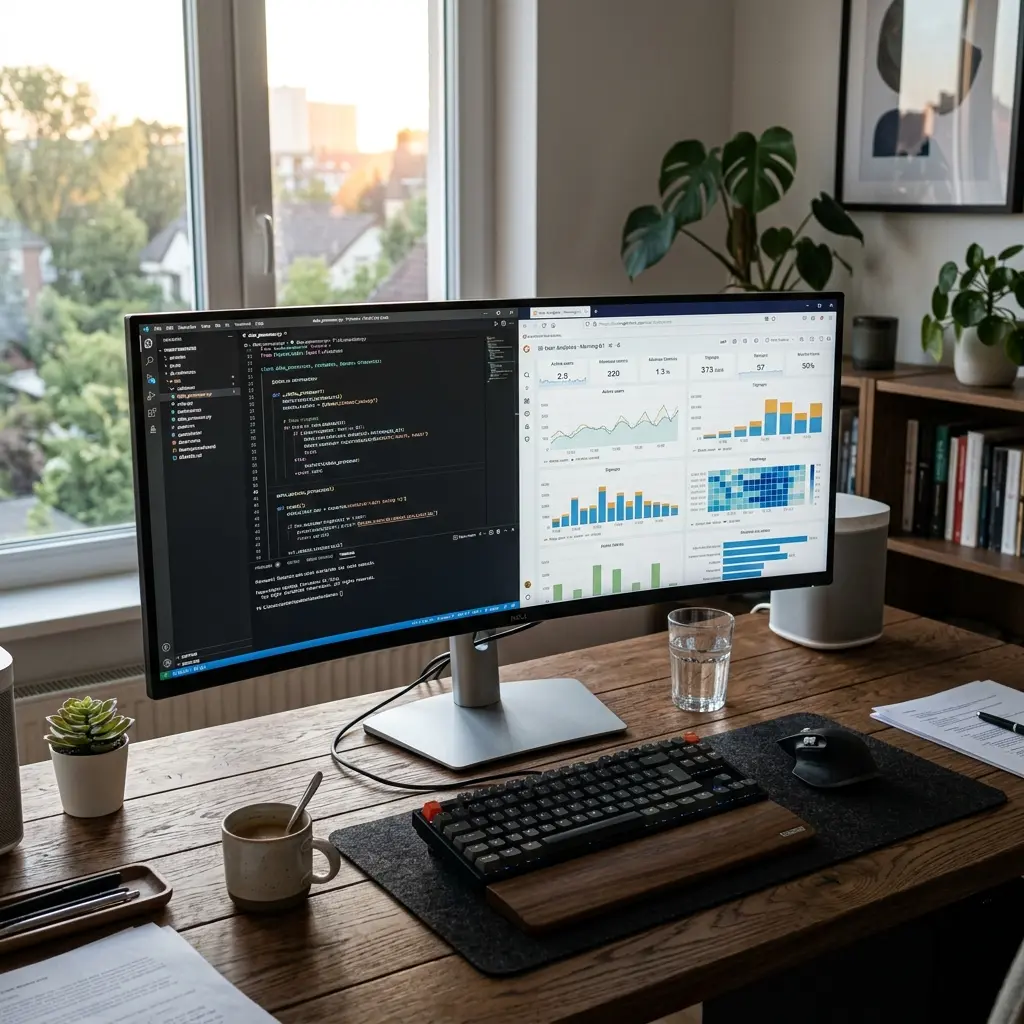
Flat monitors are frequently chosen by professionals in fields like graphic design, programming, and office work, where accurate color representation and ease of multitasking are paramount.
For casual users, the choice may depend on personal preference and budget, with flat monitors generally being more affordable and versatile for everyday tasks.
Identifying the primary use case for the monitor can help narrow down the options and lead to a more satisfying purchase decision tailored to individual requirements.
Connectivity Options and Compatibility
When choosing between curved and flat monitors, connectivity options play a crucial role in ensuring compatibility with various devices. Most modern monitors come equipped with a range of ports, including HDMI, DisplayPort, and USB-C, which can significantly affect the overall user experience.
Flat monitors often provide a more standardized range of connectivity options, making them versatile for different setups. In contrast, some curved monitors may offer specialized ports that enhance their immersive features, but this can sometimes lead to compatibility issues with older devices.
Users should also consider the importance of daisy chaining monitors, especially for multi-monitor setups. Curved monitors can present challenges in this area, as their design may limit the effectiveness of this feature compared to flat monitors.
Ultimately, assessing the connectivity landscape for both types of monitors can help users make informed decisions based on their specific use cases and equipment compatibility.
Impact on Productivity and Workflow
The choice between curved and flat monitors can significantly influence productivity and workflow in both professional and creative environments. Curved monitors are often praised for their immersive experience, which can enhance focus and reduce distractions.
In contrast, flat monitors typically offer a more traditional viewing experience, which some users may prefer for tasks that require precise alignment and multi-window setups. The flat surface allows for easier arrangement of multiple applications without the distortion that can occur with a curved display.
Moreover, the design of the monitor can affect how information is absorbed. Curved monitors can create a more engaging workspace, particularly for creative tasks like graphic design and video editing, where an immersive experience may lead to better outcomes.
Ultimately, understanding how each monitor type impacts workflow can guide users in selecting the right display for their specific professional needs, balancing immersion with practicality.
Long-Term Investment Considerations
When selecting between curved and flat monitors, long-term investment considerations play a crucial role in decision-making. Curved monitors often come with a higher price tag due to their advanced technology and unique design, which can be seen as a premium investment for some users.
Users should also consider the longevity of the monitor. Curved monitors, while appealing, might be more susceptible to certain types of damage, such as screen warping or pixel failure, due to their shape. Flat monitors, with their simpler design, may offer increased durability over time, potentially leading to a better long-term value.
Another factor to consider is the resale value of the monitors. Curved monitors can retain value better in certain markets due to their perceived modernity and features. However, flat monitors remain popular and widely used, which can also support a decent resale market.
Ultimately, long-term investment considerations should include the monitor's expected lifespan, potential for resale, and the evolving market trends that may affect future value. Careful evaluation of these factors can help users make informed purchasing decisions that align with their long-term needs.
Impact on Collaboration and Team Dynamics
In professional environments, the choice between curved and flat monitors can significantly influence collaboration and team dynamics. Curved monitors, with their immersive designs, can enhance individual focus and productivity, but they may not be as conducive to collaborative efforts. The curvature can limit viewing angles, making it challenging for multiple users to engage with the content simultaneously.
Conversely, flat monitors are typically designed with wider viewing angles, which can facilitate better collaboration in team settings. When multiple team members gather around a flat screen, everyone can see the display clearly without straining or adjusting their positions. This accessibility can lead to more effective brainstorming sessions and group discussions.
Furthermore, the choice of monitor can affect the overall atmosphere of a workspace. Curved monitors can create a more personal and engaging environment, ideal for individual tasks, while flat monitors contribute to a more communal and open space, fostering teamwork and interaction. The impact on collaboration should be weighed carefully, especially in organizations emphasizing teamwork.
In conclusion, the decision between curved and flat monitors extends beyond personal preference to encompass the dynamics of collaboration and teamwork. Understanding how each type of monitor affects group interactions can help organizations select the best options for their work environments.
Frequently Asked Questions
Are curved monitors better for gaming?
Curved monitors can enhance immersion in gaming, particularly for first-person shooters or simulation games. However, flat monitors remain a popular choice for competitive gaming due to their focus on color accuracy.
Do curved monitors cause more eye strain?
Curved monitors are designed to reduce eye strain by providing a more natural viewing angle. Individual experiences may vary based on personal sensitivity.
Can a flat monitor be wall-mounted?
Yes, flat monitors are generally easier to wall-mount due to their design and VESA compatibility. Curved monitors can also be mounted but may require special considerations.
What is the ideal size for a curved monitor?
The ideal size for a curved monitor typically ranges from 27 to 34 inches, depending on user preferences and available space. Larger sizes can enhance immersive experiences but may require more desk depth.
Is a higher refresh rate better?
A higher refresh rate results in smoother visuals, particularly beneficial in fast-paced gaming scenarios. For general use, a refresh rate of 60Hz is usually sufficient.
<



