WiFi Client Isolation vs Switch Port Isolation in Ubiquiti UniFi: Setup Guide
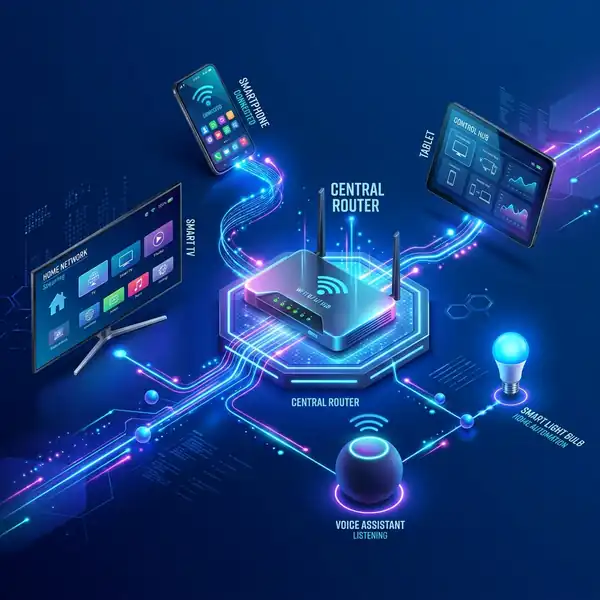
WiFi Client Isolation and Switch Port Isolation serve different purposes in Ubiquiti UniFi networks, enhancing security and traffic management.
Understanding WiFi Client Isolation
WiFi Client Isolation prevents communication between wireless clients on the same access point. This feature is crucial in public networks to enhance security and privacy.
Understanding Switch Port Isolation
Switch Port Isolation limits communication between devices connected to different ports on a managed switch. This is useful in scenarios where traffic segmentation is needed to improve security.
Technical Comparison of Isolation Methods
| Feature | WiFi Client Isolation | Switch Port Isolation |
|---|---|---|
| Layer of Operation | Layer 2 (WiFi) | Layer 2 (Ethernet) |
| Scope | Wireless clients | Wired devices |
| Implementation | Access Point settings | Switch settings |
| Use Case | Public hotspots | Internal network segmentation |
| Impact on Performance | Minimal | Low |
DomineTec Tip: Always test isolation configurations in a controlled environment before deploying them in production.
- Access the UniFi Controller interface.
- Select the WiFi Network settings for WiFi Client Isolation.
- Toggle the 'Enable Client Isolation' option.
- For Switch Port Isolation, navigate to the switch configuration settings.
- Enable the 'Port Isolation' feature for desired ports.
- Apply the changes and reboot the devices as necessary.

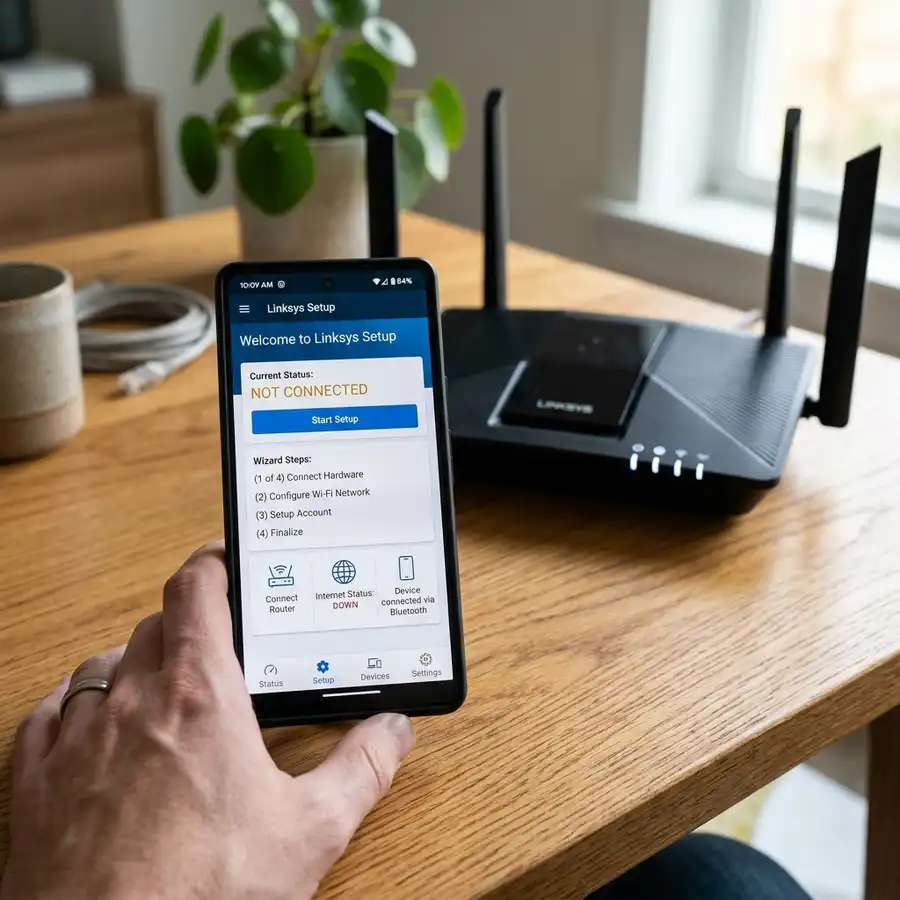
Benefits of Implementing WiFi Client Isolation
WiFi Client Isolation enhances security by preventing connected devices from communicating with each other. This is particularly beneficial in public networks where users may have sensitive information.
Another advantage is the reduction of network congestion. By isolating clients, unnecessary broadcasts and communications between devices are minimized, leading to improved performance for all users.
Client isolation can also simplify network management. With devices unable to see each other, issues like unauthorized access or data breaches can be more easily contained and monitored.
Implementing WiFi Client Isolation can also enhance user privacy. Each client operates in its own virtual space, protecting personal data from other devices on the same network.
Considerations for Switch Port Isolation
Switch Port Isolation provides a robust layer of security, particularly in environments with multiple user devices. This method ensures that devices connected to the same switch cannot communicate with each other.
When configuring switch port isolation, it is essential to understand the physical topology of the network. Proper mapping of devices to their associated ports can help prevent accidental isolation of critical devices.
Another consideration is the impact on network performance. While isolation improves security, it can also hinder services that rely on communication between devices, such as file sharing or printing.
It is crucial to evaluate the specific needs of the network before implementing switch port isolation. Understanding user requirements can lead to an optimized configuration that balances security and functionality.
Best Practices for Configuring WiFi Client Isolation
When setting up WiFi Client Isolation, it is recommended to clearly define user groups and their access levels. This helps in creating a more tailored isolation strategy based on user needs.
Regularly updating firmware and software is vital for maintaining the integrity of the isolation feature. Manufacturers often release updates that improve security protocols and patch vulnerabilities.
Monitoring network traffic can provide insights into the effectiveness of the isolation configuration. Analyzing logs can help identify any potential breaches or performance issues.
Finally, educating users about WiFi Client Isolation can facilitate smoother operation. Users should understand the limitations of isolated networks, particularly concerning shared resources.
Strategies for Switch Port Isolation Deployment
Deploying Switch Port Isolation requires careful planning to ensure optimal network functionality. Begin by categorizing devices based on their role and the level of isolation required.
Implementing VLANs can enhance the effectiveness of switch port isolation. By segmenting traffic, VLANs provide an additional layer of separation that complements port isolation.
Consider the use of managed switches for more granular control over port settings. Managed switches allow network administrators to configure isolation policies on a per-port basis, enhancing security measures.
Regular audits of switch port configurations can help identify misconfigurations. These audits ensure that all isolation policies are being effectively enforced across the network.
Advanced Features of UniFi Regarding Isolation
UniFi provides advanced features that facilitate robust isolation mechanisms. One such feature is the ability to create guest networks with integrated isolation settings.
Another notable capability is the integration of firewalls with isolation policies. This allows for more sophisticated control over traffic flows and enhances overall network security.
UniFi also supports the implementation of user groups, enabling granular control over which users can communicate with each other. This feature is useful for enterprise environments where security needs vary significantly.
Utilizing analytics tools within UniFi can provide insights into the effectiveness of isolation settings, allowing administrators to make data-driven decisions for future configurations.
Security Implications of Isolation Techniques
The main security implication of WiFi Client Isolation is a reduced attack surface. With devices unable to interact directly, the risk of lateral movement by an attacker is significantly lowered.
Switch Port Isolation also mitigates risks by ensuring that compromised devices cannot easily spread malware or access sensitive information on the network.
However, it’s important to note that isolation techniques are not foolproof. Additional security measures, such as intrusion detection systems, should be considered to complement isolation strategies.
Regularly reviewing and updating isolation policies is crucial to address evolving security threats. Staying informed about the latest vulnerabilities can help maintain an effective security posture.
Integrating Isolation with Network Monitoring Tools
Integrating isolation techniques with network monitoring tools can provide enhanced visibility into network performance and security. Monitoring tools can alert administrators to unusual activity that may indicate a breach.
Using software that supports SNMP (Simple Network Management Protocol) allows for real-time tracking of device communication and isolation effectiveness. This can inform necessary adjustments to isolation settings.
Additionally, analytics from monitoring tools can guide decisions on whether to adjust isolation policies based on user behavior and network usage patterns.
Ultimately, combining isolation techniques with robust monitoring systems can lead to a more secure and efficient network environment, fostering both safety and performance.
Limitations of WiFi Client Isolation
WiFi Client Isolation, while beneficial, has its limitations that network administrators must consider.
One significant limitation is the potential impact on user experience, particularly in environments requiring device communication, such as file sharing or printing.
In public WiFi settings, clients may expect to access shared resources, which isolation can hinder, leading to dissatisfaction.
Moreover, diagnostic tools and services that rely on inter-device communication may become less effective, complicating troubleshooting efforts.
Performance Impacts of Switch Port Isolation
Switch Port Isolation can also affect network performance, particularly in high-density environments.
Isolating ports can lead to increased latency in communication between devices, as each device must rely on broader network pathways.
This can be particularly problematic in scenarios where low-latency connections are crucial, such as in real-time applications like VoIP or online gaming.
Network architects should assess the trade-offs between security and performance when implementing switch port isolation.
Use Cases for Advanced Isolation Techniques
Advanced isolation techniques can be employed in various scenarios, tailored to specific network requirements.
In a corporate setting, isolation can protect sensitive data by segmenting employee devices from guest WiFi networks.
Educational institutions may utilize isolation to prevent students from accessing unauthorized resources, maintaining a controlled learning environment.
Healthcare facilities can leverage isolation to comply with regulations, ensuring patient data is securely segmented from other network traffic.
Monitoring and Troubleshooting Isolated Networks
Monitoring isolated networks can be challenging, but it is crucial for maintaining security and performance.
Network administrators should implement robust logging and monitoring solutions to track traffic and identify potential issues in isolated segments.
Regular audits and testing of isolation configurations can help ensure they remain effective without compromising network functionality.
Utilizing tools that visualize network traffic can significantly aid in understanding the behavior of isolated clients and ports.
Configuration Challenges in WiFi Client Isolation
Configuring WiFi Client Isolation can present several challenges, particularly in larger networks with multiple access points. Ensuring that isolation settings are consistently applied across all devices is crucial for effective network security.
Interference from legacy devices that do not support isolation features can complicate the setup. This necessitates a thorough audit of all connected devices to identify compatibility issues before enabling isolation.
Additionally, client isolation settings may inadvertently block legitimate traffic. Careful planning and testing in a controlled environment are recommended prior to widespread deployment.
Network administrators should also consider the user experience, as isolation may impact certain services like AirPlay or file sharing. Clear communication with users about the implications of isolation can mitigate frustration.
Comparative Analysis of Performance Metrics
Performance metrics can vary significantly between WiFi Client Isolation and Switch Port Isolation implementations. Understanding these metrics is essential for making an informed choice about which method to use.
WiFi Client Isolation typically introduces latency due to the additional processing required for managing client connections. As a result, applications that require real-time communication may experience diminished performance.
In contrast, Switch Port Isolation tends to offer lower latency since it operates at the hardware level. This is particularly beneficial for high-bandwidth applications that demand a reliable and fast connection.
Monitoring tools can be utilized to track performance metrics, allowing network administrators to evaluate the impacts of isolation techniques on overall network efficiency and user experience.
Future Trends in Network Isolation Techniques
The evolution of network isolation techniques is poised to adapt to emerging technologies and threats. As the number of connected devices continues to grow, so too does the need for robust isolation methods that scale effectively.
Machine learning and artificial intelligence are expected to play a significant role in enhancing isolation capabilities. These technologies can help in dynamically adjusting isolation settings based on network traffic patterns and device behavior.
Furthermore, the integration of isolation techniques with IoT devices will require new protocols that ensure secure communication without compromising isolation. This presents both challenges and opportunities for network design and security.
As organizations increasingly prioritize cybersecurity, the demand for advanced isolation strategies will likely drive innovations in tools and technologies aimed at providing seamless, secure network environments.
Configuring VLANs for Enhanced Isolation
VLANs (Virtual Local Area Networks) can significantly enhance network isolation capabilities when used in conjunction with WiFi Client Isolation or Switch Port Isolation. By segmenting network traffic into distinct VLANs, administrators can control the flow of data between devices, providing a more secure and organized network structure. This segmentation allows for the implementation of specific security policies tailored to the needs of different user groups.
Setting up VLANs in a Ubiquiti UniFi environment involves creating VLANs in the UniFi Controller and assigning them to specific networks or SSIDs. This configuration ensures that devices on one VLAN cannot communicate with devices on another unless explicitly permitted by firewall rules. Administrators can create separate VLANs for guests, IoT devices, and corporate devices, effectively minimizing the risk of unauthorized access and data breaches.
Moreover, VLAN tagging within UniFi switches allows for the identification of traffic from different VLANs, ensuring proper routing and isolation. It's essential to configure trunk ports that can carry multiple VLANs to prevent any potential leaks between different segments of the network. This setup enhances overall security and performance by reducing broadcast traffic and simplifying network management.
Testing VLAN configurations is crucial to ensure that isolation measures are functioning as intended. Tools such as packet analyzers can help verify that devices on different VLANs cannot communicate with each other, confirming the effectiveness of the isolation strategy. Regular audits of VLAN configurations and policies contribute to maintaining a secure and efficient network environment.
Implementing Access Control Lists (ACLs) for Isolation
Access Control Lists (ACLs) provide a granular level of control over network traffic, complementing WiFi Client and Switch Port Isolation. By defining specific rules that dictate which devices can communicate with each other, ACLs enable network administrators to enforce security policies effectively. This is particularly useful in environments where sensitive data is handled or where compliance with regulations is necessary.
In a UniFi network, ACLs can be configured at both the switch and router levels. By specifying IP addresses or MAC addresses, administrators can create rules that allow or deny traffic between devices. For example, a rule can be established to prevent communication between guest devices and internal corporate resources, ensuring that sensitive information remains protected from unauthorized access.
Implementing ACLs requires careful planning and consideration of the network's architecture. Administrators must assess which devices need to communicate and which should remain isolated, creating rules that reflect these requirements. Additionally, it is vital to regularly review and update ACLs to accommodate changes in the network, such as the addition of new devices or changes in user roles.
Monitoring the effectiveness of ACLs is essential for maintaining a secure network. Logging and reporting features within the UniFi Controller can provide insights into traffic patterns and help identify any potential breaches or misconfigurations. Regularly auditing ACLs ensures that they remain aligned with organizational security policies and continue to protect the network from unauthorized access.
Frequently Asked Questions
What is the primary benefit of WiFi Client Isolation?
This feature enhances security by preventing wireless clients from communicating with each other, useful in public networks.
When should Switch Port Isolation be used?
Switch Port Isolation should be implemented in environments requiring strict segmentation of network traffic between wired devices.
Can both isolation methods be used simultaneously?
Yes, both WiFi Client Isolation and Switch Port Isolation can be effectively combined to enhance overall network security.
Will isolation impact network performance?
Both isolation methods have minimal impact on performance, as they primarily restrict communication rather than bandwidth.
How to troubleshoot isolation issues?
Review configuration settings and ensure that devices are properly connected to the correct access points and switch ports.




