Guest Network Mode vs Wireless Client Isolation in Ubiquiti UniFi: Comparison Guide
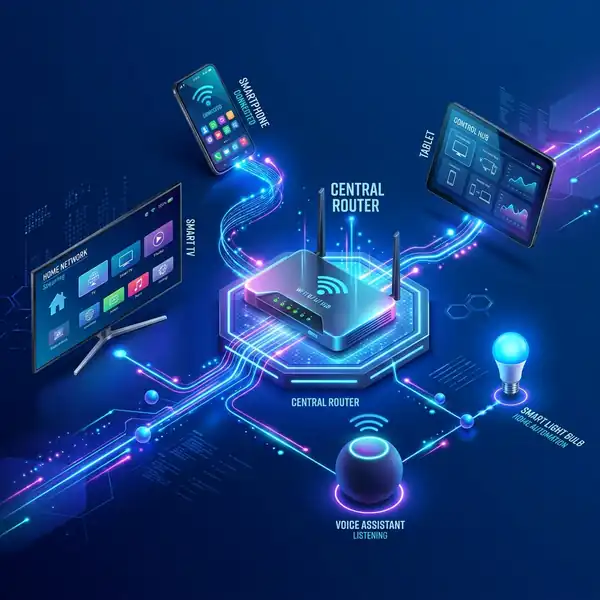
Guest Network Mode and Wireless Client Isolation serve distinct purposes in Ubiquiti UniFi networks.
Understanding Guest Network Mode
Guest Network Mode creates a separate SSID for guest access, isolating guest traffic from the main network.
This feature is essential for providing internet access to guests without compromising the security of internal resources.
Explaining Wireless Client Isolation
Wireless Client Isolation restricts client-to-client communication on the same SSID, ensuring privacy among connected devices.
This mode is beneficial in environments where multiple users share the same wireless network without needing to interact with each other.
Comparison of Network Policies
| Feature | Guest Network Mode | Wireless Client Isolation |
|---|---|---|
| Network Access | Separate SSID | Same SSID |
| Client Isolation | Yes | Yes |
| Access Control | Limited to Guest Policies | All Clients Access |
| Use Case | Guests | Shared Networks |
Configuring Guest Network Mode
- Log into the UniFi Controller.
- Navigate to Settings > Wireless Networks.
- Select "Create New Wireless Network."
- Enable "Guest Network" and configure the SSID.
- Set the security and access controls as needed.

Configuring Wireless Client Isolation
Wireless Client Isolation can be activated on existing SSIDs through the UniFi Controller.
Navigate to the SSID settings and enable the "Wireless Client Isolation" option to restrict peer-to-peer communication.
DomineTec Tip: Utilize VLAN tagging for enhanced security and traffic management in guest networks.
Conclusion
Guest Network Mode and Wireless Client Isolation are both vital for maintaining security and privacy in a network.
Choosing the right option depends on specific use cases and desired network configurations.
Security Implications of Guest Network Mode
Implementing Guest Network Mode can significantly enhance the security posture of a network by isolating guest devices from the main network.
This isolation prevents unauthorized access to sensitive resources, safeguarding crucial data and devices from potential threats.
Ensuring that the guest network employs robust security protocols, such as WPA3, is essential to mitigate vulnerabilities.
Regular monitoring and updates are critical to maintaining the security integrity of the guest network and preventing exploitation.
Performance Considerations for Wireless Client Isolation
Wireless Client Isolation can impact network performance by limiting communication between devices, which is crucial for certain applications.
This limitation is beneficial for security but may hinder functionalities like file sharing and local streaming between devices on the same network.
Network administrators must evaluate the specific needs of users when deciding to enable this feature to balance security and performance.
Using traffic analysis tools can help in understanding the network load and optimizing performance while maintaining isolation.
Best Practices for Guest Network Management
Effective management of Guest Networks includes regular review of connected devices to ensure unauthorized access is minimized.
Implementing time-based access controls can further enhance security by limiting guest access during off-hours when not needed.
Providing clear instructions and support for guests can improve their experience while maintaining the network's integrity.
Using captive portals can help in collecting usage data and enforcing acceptable use policies among guests.
Advanced Features of Ubiquiti UniFi for Network Segmentation
Ubiquiti UniFi offers advanced features for network segmentation, allowing administrators to create multiple VLANs for different user groups.
This capability enhances security and performance by ensuring that traffic from different segments does not interfere with each other.
Utilizing Quality of Service (QoS) settings can prioritize critical traffic, improving the overall user experience on the network.
Network segmentation can also aid in compliance with regulations by ensuring that sensitive data is isolated from less secure environments.
Integrating IoT Devices with Guest Networks
As IoT devices proliferate, integrating them into Guest Networks presents unique challenges and opportunities for enhanced security.
Creating a dedicated guest network for IoT devices can help mitigate risks associated with their often weaker security measures.
Administrators should ensure that IoT devices are updated regularly and monitored for unusual activity to prevent potential breaches.
Implementing strict access controls can further enhance the safety of IoT integrations within guest networks.
Monitoring and Analytics for Network Performance
Monitoring tools and analytics are essential for evaluating the performance of both Guest Network Mode and Wireless Client Isolation.
Utilizing UniFi’s built-in analytics can provide insights into user behavior, device connections, and bandwidth usage.
Regular analysis of this data can help identify trends and potential issues that may affect network performance and security.
Incorporating third-party monitoring solutions can further enhance visibility and enable proactive management of network resources.
Future Trends in Guest Networking Solutions
The future of guest networking solutions is likely to be shaped by advancements in AI and machine learning, enhancing security and user experience.
These technologies can enable dynamic access controls and automated threat detection, improving the overall resilience of guest networks.
The growing emphasis on privacy and data protection will drive innovations in network segmentation and access policies.
Staying informed about these trends will help network administrators adapt their strategies and tools to meet evolving demands.
The Role of VLANs in Network Segmentation
Virtual Local Area Networks (VLANs) serve as a critical component for effective network segmentation in enterprise environments.
By isolating network traffic, VLANs improve security and performance, enabling administrators to enforce policies tailored to specific user groups.
Ubiquiti UniFi supports VLAN integration, allowing administrators to create distinct broadcast domains for different user types.
This segregation reduces the potential attack surface by limiting access between sensitive and non-sensitive data segments.
Impact of Network Overhead on Guest Connectivity
Network overhead can significantly affect the performance of guest networks, particularly in high-demand environments.
Factors such as encryption, authentication, and traffic management contribute to this overhead, impacting the user experience.
Ubiquiti UniFi provides tools for optimizing network performance by balancing load and managing bandwidth effectively.
Understanding these factors is essential for maintaining a seamless guest connectivity experience while ensuring network integrity.
Compliance and Regulatory Considerations for Guest Networks
Compliance with regulations such as GDPR and HIPAA is crucial for organizations operating guest networks.
Guest networks must implement measures that protect user data and privacy while adhering to relevant legal requirements.
Ubiquiti UniFi offers features that aid in compliance, such as user data anonymization and controlled access protocols.
Organizations should regularly review their network policies to ensure they align with evolving compliance standards.
Guest Network Analytics and User Behavior Insights
Understanding user behavior on guest networks can provide valuable insights for improving service delivery.
Analytics tools integrated within Ubiquiti UniFi allow administrators to track user engagement, device types, and connection durations.
This data can inform decisions on network enhancements, service offerings, and resource allocation for guest users.
Effective use of analytics fosters a more tailored and efficient guest network management strategy.
Challenges in Managing Multiple Guest Networks
Managing multiple guest networks presents unique challenges, including configuration complexity and resource allocation.
Ubiquiti UniFi's centralized management interface simplifies the process of overseeing various guest networks from a single dashboard.
Administrators must remain vigilant about maintaining consistent policies and security measures across all networks.
Developing a clear strategy for managing multiple guest networks can mitigate risks and enhance user experience.
Enhancing Security with Advanced Firewall Rules
Implementing advanced firewall rules is a critical step to enhance the security of guest networks. Ubiquiti UniFi allows administrators to create specific rules that govern traffic flow, helping to prevent unauthorized access and potential security breaches.
By utilizing features such as port filtering and protocol restrictions, network administrators can tailor the firewall settings to meet the specific needs of different user groups. This granular control ensures that guests only access the resources they require while keeping the main network secure.
Furthermore, applying time-based firewall rules can enhance security by limiting access during specific hours, thereby reducing the window of opportunity for malicious activities. This feature is particularly useful for businesses that operate during regular hours and want to restrict access outside of those times.
Regular reviews and updates to firewall rules are necessary to adapt to changing security landscapes. Continuous monitoring can help identify vulnerabilities and ensure that guest networks remain protected against emerging threats.
Optimizing Bandwidth for Guest Users
Bandwidth optimization is essential in maintaining a seamless experience for guest users. Ubiquiti UniFi offers several tools that allow administrators to manage bandwidth allocation effectively.
One effective method is to implement bandwidth limits on the guest network, ensuring that no single user can consume excessive resources, which could degrade the performance for others. Setting these limits can help maintain a balanced network experience for all connected devices.
Additionally, prioritizing traffic through Quality of Service (QoS) settings can significantly enhance the user experience. By identifying and prioritizing critical applications, such as video conferencing or streaming services, administrators can ensure that guest users have reliable access to essential services.
Monitoring bandwidth usage regularly allows for fine-tuning and adjustments based on real-time data. This proactive approach can help in addressing any performance issues before they affect user experience.
Implementing User Authentication Methods
User authentication is a vital component in managing guest access to networks. Ubiquiti UniFi provides several options for authenticating users, ensuring that only legitimate guests can access the network.
Captive portal authentication is one of the most common methods, requiring users to log in before gaining internet access. This approach not only enhances security but also allows for the collection of user information for marketing and analytics purposes.
Additionally, the integration of social media logins can ease the authentication process for users, making it more convenient and encouraging more guests to connect. By simplifying the login procedure while maintaining security, businesses can enhance guest satisfaction.
Regularly updating authentication protocols and methods is essential to keeping the network secure. Implementing two-factor authentication can further bolster security by adding an additional layer of verification for users accessing the guest network.
Utilizing Device Quotas for Guest Network Management
Device quotas are an effective strategy for managing guest networks, allowing administrators to limit the number of devices each user can connect. This functionality prevents a single user from monopolizing network resources.
Ubiquiti UniFi can enforce these quotas through its user management interface, allowing for a better distribution of bandwidth and ensuring that multiple guests can effectively use the network simultaneously. This is particularly beneficial in environments with high foot traffic, such as hotels or conference centers.
Implementing device quotas also helps in reducing the risk of unauthorized access. By limiting the number of devices, administrators can better control who is using the network and potentially identify any suspicious activity more easily.
For optimal management, it is crucial to regularly review and adjust device quotas based on user behavior and network performance. This adaptive approach ensures that the guest network remains efficient and secure.
Utilizing Multi-SSID Configurations for Enhanced Guest Access
Multi-SSID configurations allow organizations to create multiple service set identifiers (SSIDs) within a single wireless network infrastructure.
This approach can be beneficial for providing differentiated access levels and services for various guest groups, such as clients, vendors, or event attendees.
By assigning different SSIDs to distinct user groups, network administrators can tailor bandwidth limitations, access controls, and available resources based on specific needs.
Additionally, this configuration can help in organizing network traffic more efficiently, ensuring that critical internal applications are not adversely affected by guest usage.
Leveraging Captive Portals for Guest User Engagement
Captive portals serve as an effective tool for enhancing the guest user experience while ensuring secure network access.
These portals can be customized to include branding elements, terms of service, or even promotional materials, thereby improving user engagement.
Furthermore, captive portals can facilitate user authentication methods, such as social media logins or email verification, adding an extra layer of security while simplifying the connection process.
Tracking user interactions through captive portals can also provide valuable insights into guest behavior and preferences, enabling better service offerings in the future.
Cost-Benefit Analysis of Guest Network Implementation
Implementing a guest network can represent a significant investment for organizations, but it is essential to assess the cost against the potential benefits. Establishing a guest network requires not only the initial setup costs but also ongoing maintenance and management expenses.
Increased customer satisfaction is one of the primary benefits of having a dedicated guest network. Visitors often expect internet access, and providing a reliable connection can enhance their overall experience. This, in turn, can lead to repeat business and positive word-of-mouth referrals, which are invaluable for many organizations.
Moreover, separating guest network traffic from the main network helps minimize security risks. By isolating guest users, organizations can protect sensitive data and maintain operational integrity. This security benefit can prevent costly data breaches and the associated repercussions, providing a strong justification for guest network expenses.
Finally, organizations should consider potential operational efficiencies gained from a well-implemented guest network. Streamlined guest access processes and reduced troubleshooting time can lead to higher productivity among staff, further offsetting the initial and ongoing costs of managing the network.
Evaluating User Experience on Guest Networks
User experience is a critical factor in the effectiveness of guest networks. A seamless and user-friendly connection process can significantly enhance how guests perceive an organization.
Factors such as connection speed, ease of access, and device compatibility all contribute to the overall experience.
Connection speed is paramount; guests expect reliable and fast internet access. Organizations must ensure that the guest network is adequately provisioned to handle the expected number of concurrent users without sacrificing performance. Regular monitoring and adjustments may be necessary to maintain optimal speeds.
Ease of access is another vital aspect. Captive portals and authentication methods should be straightforward, minimizing barriers to entry for users. Complicated sign-in processes can frustrate guests, potentially leading to a negative impression of the organization.
Finally, organizations should gather feedback from users to identify areas for improvement. Surveys and analytics can provide valuable insights into user satisfaction and areas needing enhancement, allowing organizations to adapt their guest network strategies accordingly.
Frequently Asked Questions
What is the primary difference between Guest Network Mode and Wireless Client Isolation?
Guest Network Mode creates a separate SSID for guests, while Wireless Client Isolation restricts communication among clients on the same SSID.
Can Wireless Client Isolation be used with a Guest Network?
Yes, Wireless Client Isolation can be enabled on the Guest Network SSID for enhanced security.
How does Guest Network Mode affect bandwidth?
Guest Network Mode typically allows for bandwidth limitations to be set, controlling the amount of traffic guests can consume.
Is it possible to use VLANs with Guest Networks?
Yes, VLANs can be configured for Guest Networks to separate traffic and enhance network security.
What security measures are recommended for Guest Networks?
Implement strong passwords, enable encryption, and consider bandwidth limitations to secure Guest Networks.