Best VR 3D Modeling and Design Software
The best VR 3D modeling and design software enhances the creative process, allowing users to visualize and manipulate designs in immersive environments. Such software leverages virtual reality to provide intuitive ways to create, edit, and present 3D models.
Leading software options include Blender, Autodesk Maya, and Unity, each offering unique features tailored for various 3D modeling needs. The integration of VR within these platforms revolutionizes workflows, enabling designers to engage with their projects in unprecedented ways.
Top VR Headsets for 3D Modeling
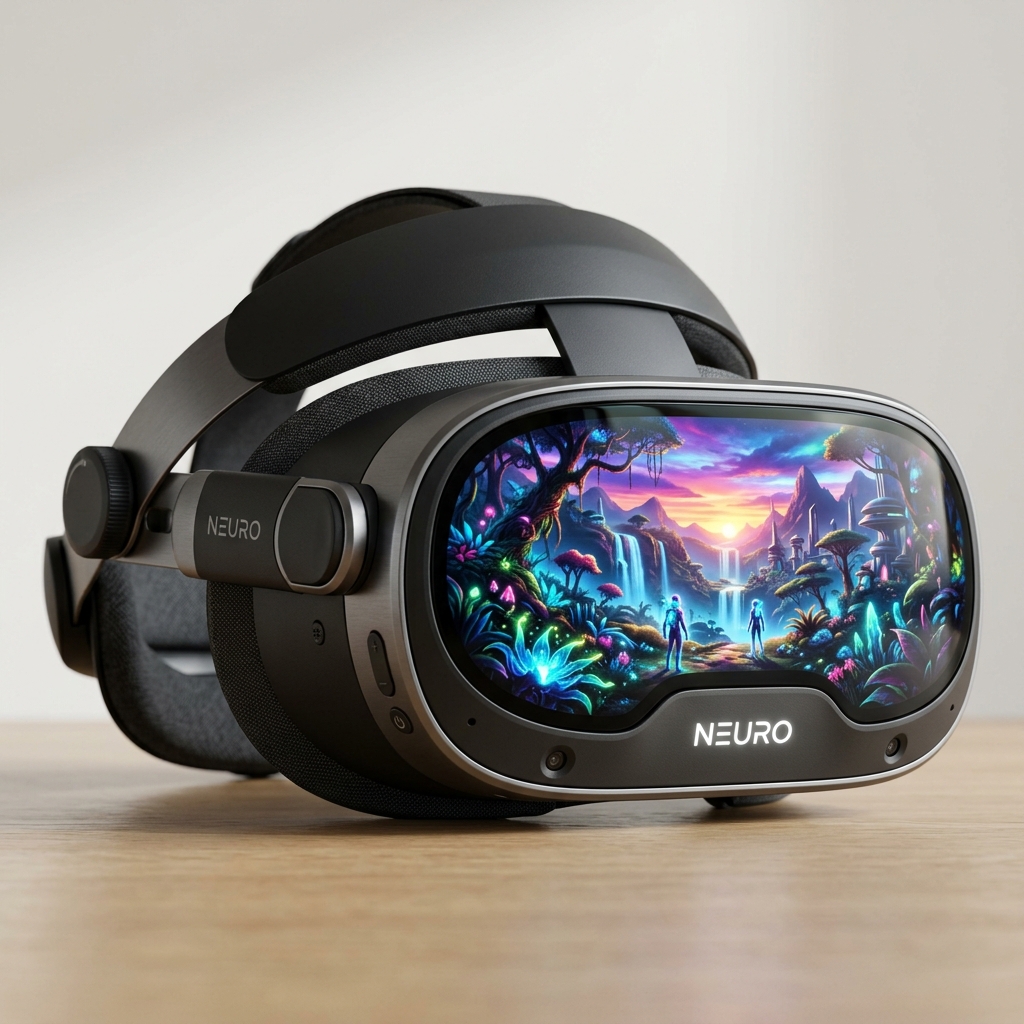
To fully utilize the capabilities of VR 3D modeling software, a high-performance VR headset is essential. Below is a comparison of the top VR headsets currently on the market to help determine the best fit for specific needs.
| VR Headset | Resolution | Refresh Rate | Field of View | Tracking Type | Price |
|---|---|---|---|---|---|
| Meta Quest 3 | 2064 x 2208 per eye | 120 Hz | 110° | Inside-out | $499 |
| Valve Index | 1440 x 1600 per eye | 144 Hz | 130° | External (Lighthouse) | $999 |
| PlayStation VR2 | 2000 x 2040 per eye | 120 Hz | 110° | Inside-out | $549 |
| Pimax Crystal | 5760 x 2880 per eye | 90 Hz | 140° | External (Lighthouse) | $1,599 |
| HTC Vive Pro 2 | 2448 x 2448 per eye | 120 Hz | 120° | External (Lighthouse) | $799 |
| HP Reverb G2 | 2160 x 2160 per eye | 90 Hz | 114° | Inside-out | $599 |
Features to Consider in VR 3D Modeling Software
When selecting VR 3D modeling and design software, several key features should be considered. These include compatibility with various VR headsets, user interface, performance, and specific tools tailored for modeling and design.
1. Compatibility and Integration
Ensure the software integrates seamlessly with the chosen VR headset. Compatibility enhances the overall experience and prevents technical issues during design sessions.
2. User Interface (UI)
A well-designed UI improves user experience, facilitating intuitive navigation and usage. Prioritize software with customizable interfaces for personalized workflows.
3. Performance
High performance is crucial for rendering complex 3D models in real-time. Look for software that optimizes CPU and GPU usage to maintain fluid interactions.
4. Specialized Tools
Different modeling tasks may require specific tools, such as sculpting, texturing, or animation. Choose software that offers robust toolsets tailored to particular design needs.
Popular VR 3D Modeling Software
Several software options stand out for their capabilities in VR 3D modeling and design. These include:
Blender
Blender is an open-source powerhouse known for its extensive features, including sculpting, animation, and rendering. Its VR capabilities allow users to immerse themselves in their projects, enhancing creativity.
Autodesk Maya
Autodesk Maya is favored in the industry for its comprehensive toolset for 3D modeling and animation. With VR support, designers can visualize their creations in real-time, streamlining the design process.
Unity
Unity stands out as a game engine with powerful 3D modeling capabilities. Its VR integration enables designers to create interactive experiences, making it ideal for game development and architectural visualization.
SketchUp
SketchUp is renowned for its ease of use and quick learning curve. The integration of VR features allows users to visualize designs within a virtual space, providing a unique perspective on architectural projects.
Rhinoceros 3D
Rhinoceros is a versatile software popular in industrial design and architecture. Its VR support facilitates immersive design evaluations, enabling more informed decision-making.
How to Choose the Right VR 3D Modeling Software
- Identify specific modeling needs and project requirements.
- Research software compatibility with chosen VR hardware.
- Consider user interface preferences for ease of use.
- Evaluate the performance metrics of different software options.
- Look for specialized tools that meet specific design objectives.
- Test software through demos or trials to ensure suitability.
- Read user reviews and feedback for additional insights.
DomineTec Tip: Consider the Meta Quest 3 for an optimal VR experience when using advanced modeling software.
Common Challenges in VR 3D Modeling
While VR 3D modeling offers numerous advantages, challenges exist. These include managing user fatigue, ensuring accurate tracking, and overcoming software limitations.
User Fatigue
Extended use of VR can lead to discomfort and fatigue. Regular breaks and the use of ergonomic setups can mitigate these effects.
Tracking Issues
Accurate tracking is essential for precise modeling. Users should ensure that their VR setup is optimized for the best tracking performance.
Software Limitations
Some software may lack certain features or tools necessary for specific tasks. It is vital to assess software capabilities against project requirements before committing.
Conclusion
Choosing the best VR 3D modeling and design software enhances creative processes and productivity. With the right tools and hardware, designers can create immersive experiences that redefine the boundaries of traditional design.
Frequently Asked Questions
What is VR 3D modeling software?
VR 3D modeling software allows users to create and manipulate 3D models in a virtual reality environment, enhancing visualization and interaction.
Which VR headsets are best for 3D modeling?
Popular VR headsets for 3D modeling include Meta Quest 3, Valve Index, and HP Reverb G2, each offering unique specifications and features.
Can Blender be used for VR modeling?
Yes, Blender supports VR modeling, allowing users to immerse themselves in their projects and streamline the design process.
How does VR enhance the 3D design process?
VR enhances the 3D design process by providing immersive experiences that facilitate better visualization, interaction, and collaboration.
What are the main benefits of using VR for 3D modeling?
Benefits of using VR for 3D modeling include enhanced creativity, improved spatial awareness, and the ability to visualize complex designs in real-time.
Introduction to VR 3D Modeling Software
Virtual Reality (VR) 3D modeling software is revolutionizing the way designers create and interact with their work. By immersing users in a three-dimensional space, these tools enhance creativity and efficiency.
Whether for gaming, architecture, or product design, VR platforms provide an intuitive environment that streamlines the modeling process. Designers can visualize their concepts from every angle, making adjustments in real time.
Top VR Software Options
Several software options stand out in the VR 3D modeling arena. Leading tools like Autodesk Maya and Blender offer robust features for creating stunning 3D models.
Unity and Unreal Engine also provide excellent frameworks for integrating VR into modeling workflows, facilitating a seamless transition from design to immersive experience.
Key Features to Look For
When selecting VR 3D modeling software, consider features such as user-friendly interfaces and compatibility with various VR headsets. Support for detailed textures and realistic lighting can significantly enhance the quality of the models created.
Additionally, collaboration tools are crucial for teams working remotely, allowing multiple users to interact in the same virtual space. These features can elevate the design process, making it more dynamic and engaging.
Benefits of Using VR in Design
Utilizing VR in 3D modeling offers numerous advantages, including improved spatial awareness. Designers can manipulate their creations in a virtual environment, leading to a better understanding of scale and proportion.
This immersive experience fosters innovation and experimentation, encouraging users to push the boundaries of traditional design. Enhanced visualization also aids in client presentations, making concepts easier to grasp.
Popular VR Headsets for Modelers
When diving into VR 3D modeling, the choice of headset is essential. Models such as the Oculus Quest 2 and HTC Vive Pro are popular due to their high resolution and comfortable design.
The Valve Index is another excellent option, offering precise tracking and a wide field of view. Selecting the right headset can significantly enhance the overall modeling experience.
Learning Resources and Communities
Numerous resources are available for those looking to master VR 3D modeling software. Online platforms like Udemy and Coursera offer comprehensive courses tailored to various skill levels.
Engaging with communities on forums like Reddit and Discord can also provide valuable insights and support from fellow designers. Networking with peers can inspire creative solutions and foster collaborative projects.
The Future of VR in Design
The future of VR in 3D modeling looks promising, with ongoing advancements in technology. As hardware becomes more accessible and software continues to evolve, more creators are expected to adopt these innovative tools.
Anticipated developments in artificial intelligence and machine learning will further enhance the capabilities of VR software, making it easier to create complex designs. The potential for transforming industries is immense, and staying updated will be crucial for aspiring designers.
Best VR 3D Modeling and Design Software
Virtual Reality (VR) has transformed the way designers and artists create 3D models. With the right software, users can immerse themselves in a virtual environment, enhancing creativity and efficiency in the design process.
Key Features to Look For
When selecting VR 3D modeling and design software, consider several key features. These include user-friendly interfaces, compatibility with various VR headsets, and powerful modeling tools.
- Intuitive User Interface: A user-friendly interface allows for easy navigation and learning, particularly for beginners.
- VR Compatibility: Ensure the software supports popular VR headsets, enabling a seamless experience.
- Advanced Modeling Tools: Look for tools that offer a wide range of features for precise modeling and design.
Top VR 3D Modeling Software
Several software options stand out in the VR 3D modeling space. Each of these programs offers unique features tailored to different user needs.
| Software | VR Headset Compatibility | Key Features |
|---|---|---|
| Oculus Medium | Oculus Rift, Oculus Quest |
|
| Tilt Brush | HTC Vive, Oculus Rift, Valve Index |
|
| Blender | Oculus Rift, HTC Vive |
|
| SketchUp Viewer | Oculus Quest, HTC Vive |
Publicidade |
| Gravity Sketch | Oculus Rift, HTC Vive, Windows Mixed Reality |
|
Oculus Medium
Oculus Medium is an immersive sculpting tool that allows artists to create detailed models in a virtual workspace. Its intuitive interface and powerful sculpting capabilities make it a favorite among designers.
Tilt Brush
Tilt Brush by Google offers a unique approach to 3D art by allowing users to paint in a virtual space. With various brushes and effects, artists can create stunning visuals that come to life in VR.
Blender
Blender is a versatile open-source software that combines 3D modeling, animation, and rendering. Its VR capabilities are continually improving, making it a great option for those who want a free yet powerful tool.
SketchUp Viewer
SketchUp Viewer allows users to view and present 3D models in a virtual environment. This software is particularly useful for architects and designers looking to showcase their work in an immersive format.
Gravity Sketch
Gravity Sketch enhances the design process by enabling real-time 3D modeling and collaboration. Its user-friendly tools facilitate a smooth workflow, making it ideal for both beginners and professionals.
Benefits of Using VR for 3D Modeling
Utilizing VR in 3D modeling provides numerous advantages. It enhances spatial awareness, allowing designers to explore their creations in a way that traditional tools cannot.
- Enhanced Spatial Awareness: VR allows designers to visualize their work in a 3D space, promoting a better understanding of scale and proportion.
- Improved Collaboration: Multiple users can work together in a virtual environment, facilitating real-time feedback and brainstorming sessions.
- Increased Creativity: Immersive environments stimulate creativity, encouraging designers to experiment with new ideas and techniques.
Considerations When Choosing VR Software
Choosing the right VR 3D modeling software involves several considerations. Assess personal needs, budget constraints, and the specific features required for projects.
- Project Requirements: Determine the specific needs of the project to find software that meets those requirements.
- Budget: Assess the cost of the software, including any additional expenses for VR hardware.
- Learning Curve: Consider how quickly one can learn and adapt to the software, especially for beginners.
Integrating VR into the Design Workflow
Integrating VR into the design workflow can streamline processes and enhance creativity. By using VR at different stages of design, artists can refine their ideas more effectively.
Conclusion
In conclusion, VR 3D modeling and design software offer exciting opportunities for artists and designers. By selecting the right tool, users can enhance their creative processes and produce stunning works.




