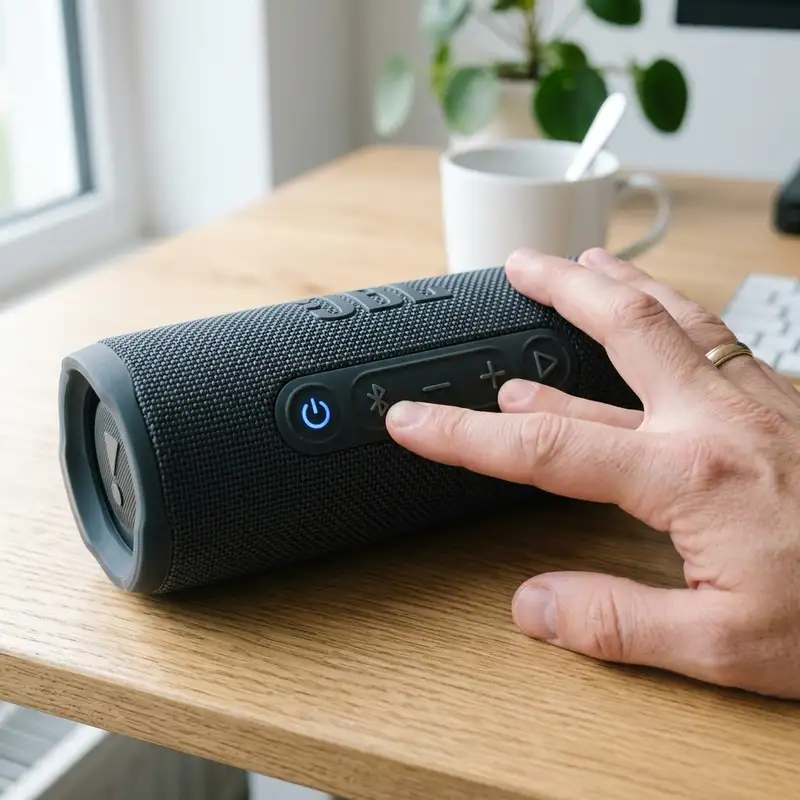
The best budget Bluetooth speaker to buy is the JBL Flip 6, offering the perfect balance of sound quality, durability, and price. With recent breakthroughs in wireless audio engineering, today's market features a diverse selection of portable speakers that deliver outstanding sound fidelity and long battery life without demanding a premium. Whether you need a rugged companion for outdoor adventures, a speaker for social gatherings, or simply an audio upgrade for your home office, selecting the right device requires analyzing key technical specifications. In this comprehensive guide, we examine the finest options available, comparing industry leaders like JBL, Xiaomi, QCY, and Anker Soundcore to help you make an informed decision.
Consumer expectations for affordable audio gear have risen dramatically in recent years. Today, a budget speaker is no longer expected to sound muddy or run out of battery after a few hours of play. Buyers demand rich bass response, reliable water resistance, stable wireless protocols, and enough battery life to last through a full day of activity. High-end features that used to be exclusive to expensive audiophile hardware are now standard in value-oriented models. Our review aims to dissect what makes a portable speaker a true value champion, helping you understand crucial physical specifications and choosing the model that fits your lifestyle perfectly.
1. Defining What Makes a Budget Bluetooth Speaker a High-Value Pick
The definition of value in portable audio has evolved with the release of highly efficient digital signal processors (DSPs) and custom-tuned passive radiators. Modern microcontrollers can extract surprisingly deep low-frequency responses and clean treble highlights from tiny drivers. As a result, low-cost speakers no longer produce tinny, distorted sound at high volumes. True value is determined by the intersection of price, build quality, and audio engineering. You should check the components and construction before purchase.
A primary indicator of a speaker's value is its wireless protocol version. Modern devices utilize Bluetooth 5.3 or newer, which significantly enhances energy efficiency. This newer standard reduces power consumption for both the source device (such as your smartphone) and the speaker itself. In addition, lower transmission latency ensures that audio remains perfectly synced when watching video content or gaming. Older devices running Bluetooth 4.2 or earlier suffer from annoying delay gaps and are far more susceptible to RF interference in congested environments. Bluetooth version details are essential for modern connectivity requirements.
A manufacturer's sound signature is another key element to consider. Some brands focus heavily on low-frequency punch, which works exceptionally well for energetic genres like hip-hop and electronic music. Other brands opt for a balanced, flat frequency response, highlighting mid-range vocals and high-frequency instruments, which is perfect for acoustic music, podcasts, and classical genres. Knowing your acoustic preferences will help you pick a speaker that offers the most satisfying listening experience. Each brand has its own specific tone control options available in companion applications.
2. Key Specifications: Power Output, Battery Life, and IP Ratings
When comparing wireless speakers, you must pay close attention to three main technical pillars to ensure you select the best unit for your needs. The core specifications to evaluate can be summarized into three key aspects for the buyer:
- RMS Power Output: The measure of clean, undistorted sound volume during daily playback.
- Nominal Battery Life: The total running time available on a single charge for outdoor activities.
- IP Certification: The chassis resistance against water ingress and microscopic dust particles.
Root Mean Square (RMS) power measures the continuous wattage an amplifier can deliver to its drivers without creating severe distortion. Avoid relying on peak power metrics like PMPO, which only indicate brief bursts of sound and do not reflect real-world capability. Always prioritize the RMS wattage for an accurate measurement of power. This is the only standard rating recognized globally for authentic audio performance comparison.
Battery performance is heavily impacted by playback volume and the dynamic range of your music. Manufacturers typically measure battery life under optimal laboratory conditions, playing audio at 50% volume. Playing music at maximum volume or outdoors can cut this running time in half. Look for devices that offer at least 12 hours of nominal battery life to ensure the speaker will last through your entire event without requiring a charge. Having a long-lasting lithium battery prevents interruption during your gatherings and outdoor trips.
The level of protection against dust and liquid ingress is defined by the IP rating. The first digit represents resistance to solid objects like sand and dust, while the second digit details water resistance. For example, an IP67-rated speaker is completely dust-tight and can survive temporary immersion in up to 1 meter of water for 30 minutes. An IPX7 rating is the minimum standard recommended for outdoor use, providing excellent water protection but lacking official dust tests. If you plan to use your speaker on sandy beaches or dusty trails, choosing an IP67-rated chassis is highly recommended to protect the internal components from grit.
If your speaker experiences pairing issues or signal dropouts, a simple hardware reset will usually fix the problem. You can read our guide on how to reset JBL Bluetooth speaker to clear the device's pairing cache and restore its default factory configuration. This process resolves most software bugs quickly and gets your device working properly again without needing technical repairs. It is a highly effective diagnostic step before sending a unit to support.
3. In-Depth Analysis of the Top Budget Models
The JBL Flip 6 remains a benchmark in the portable speaker industry. Featuring a two-way speaker system, it houses a racetrack-shaped woofer for mid-range frequencies and a separate tweeter for crisp high-end clarity. Dual passive radiators at both ends vibrate visibly to deliver a punchy bass performance. With 30W RMS of total output power, the Flip 6 fills medium-sized outdoor spaces easily. The speaker is built with durable fabric and rubber housing, making it tough enough to handle drops and scratches during transit. It represents a fantastic baseline for comparing other portable options.
The Anker Soundcore Motion+ is a favorite choice for listeners who want high-fidelity audio on a budget. Supporting high-resolution codecs like Qualcomm aptX, it transmits audio with minimal compression to preserve fine musical details. The Motion+ offers an ultra-wide frequency range from 50 Hz to 40 kHz, which is uncommon for portable speakers in this price range. Users can also access a dedicated app to customize their sound profile using a 9-band graphic equalizer, allowing for highly personalized audio tuning. It is often praised as the ultimate choice for critical indoor listening sessions.
The Xiaomi Outdoor Bluetooth Speaker is an ideal choice for users seeking maximum portability and clean design. Its compact cylindrical form fits easily into bottle holders or backpack pockets. The 16W RMS output is perfect for bedrooms, home offices, and small outdoor gatherings. Its 2600 mAh battery offers up to 13 hours of continuous playback, and the built-in noise-canceling microphone allows you to take hands-free phone calls clearly. It delivers reliable performance at an extremely reasonable entry-level price point.
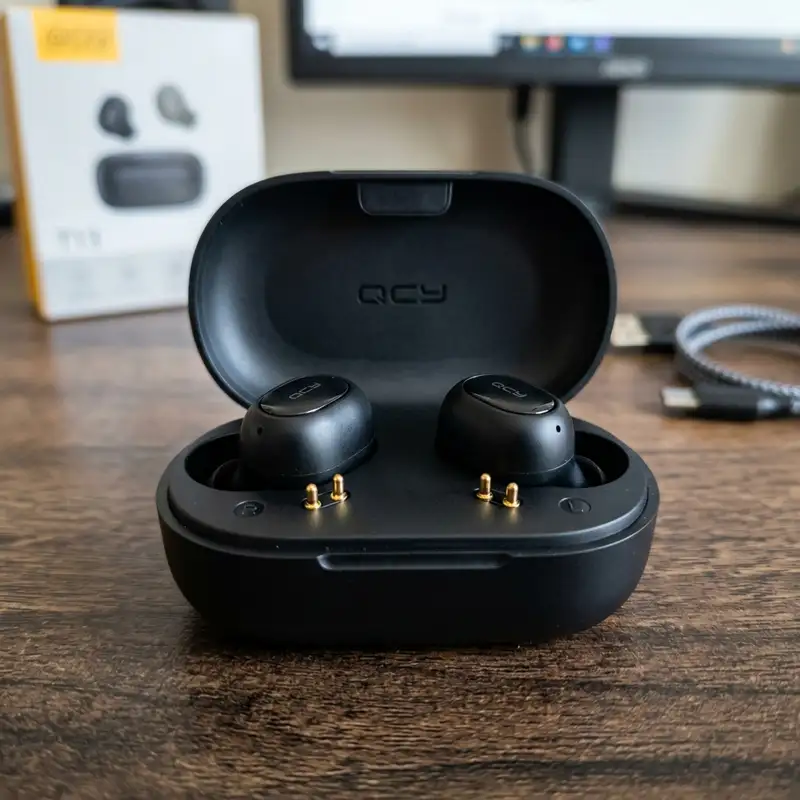
For those looking to spend as little as possible, the QCY Box1 is a highly competitive entry. Known for their affordable TWS earbuds, QCY has designed a budget-friendly speaker that offers 360-degree sound, RGB LED lighting that syncs to the music rhythm, and reliable water resistance. While it lacks the premium audio refinement of JBL or Soundcore, it easily outperforms generic no-brand speakers, making it an excellent starting point for budget-conscious buyers who want basic, functioning sound.
4. Detailed Specifications Comparison
To make your decision easier, we compiled the essential specifications of each model. Compare these technical details to find the speaker that best fits your requirements for power, battery life, and environmental protection. Having a side-by-side comparison simplifies identifying which feature set aligns with your personal goals.
| Model | RMS Power | Nominal Battery | IP Rating | Bluetooth Version |
|---|---|---|---|---|
| JBL Flip 6 | 30W RMS | Up to 12 hours | IP67 | Bluetooth 5.1 |
| Soundcore Motion+ | 30W RMS | Up to 12 hours | IPX7 | Bluetooth 5.0 |
| Xiaomi Outdoor | 16W RMS | Up to 13 hours | IP67 | Bluetooth 5.3 |
| QCY Box1 | 10W RMS | Up to 10 hours | IPX7 | Bluetooth 5.3 |
This comparison shows how different manufacturers optimize their products for specific target audiences. If you need a speaker that can withstand dust and sand from outdoor excursions, the IP67-rated JBL Flip 6 or Xiaomi Outdoor are your best options. The Soundcore Motion+ offers superior audio clarity but is limited to IPX7 protection, making it water-resistant but vulnerable to sand and dust. The QCY Box1 is highly competitive on price, sacrificing raw power to provide a lightweight, modern speaker with Bluetooth 5.3. Checking these metrics side by side clarifies your buying choice.
5. Managing Interference and Optimizing Bluetooth Signal
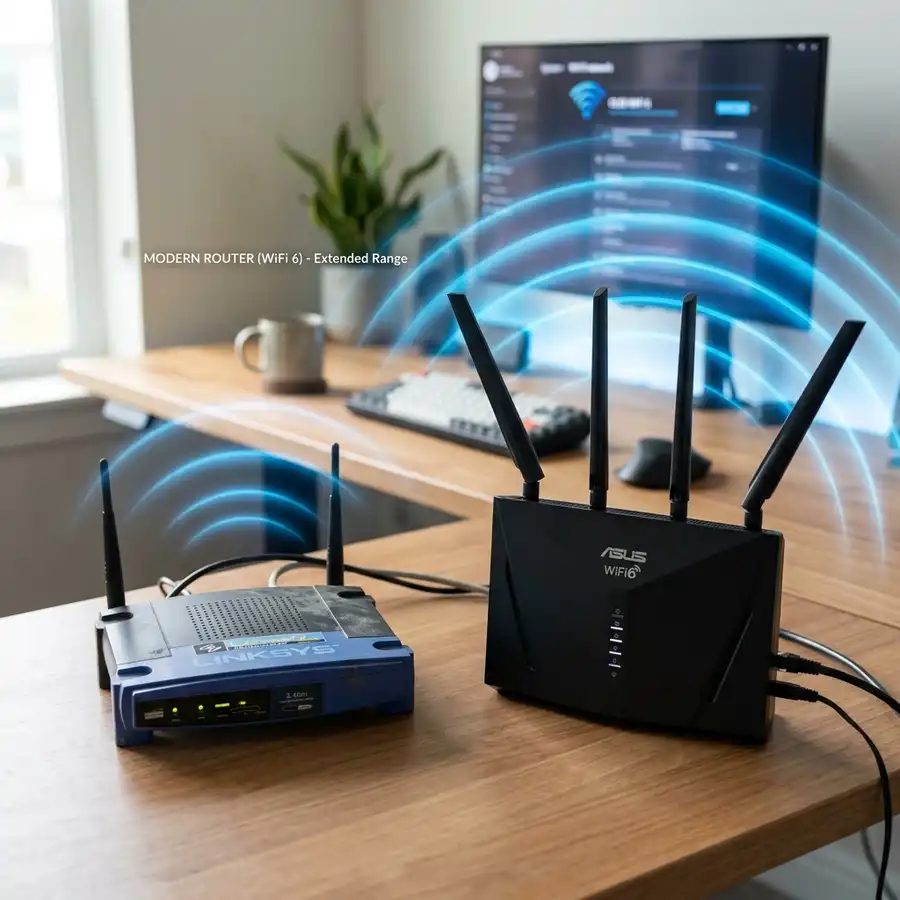
Because Bluetooth operates on the 2.4 GHz ISM band, it shares the airwaves with many other household wireless signals. Home Wi-Fi routers, cordless phones, baby monitors, and microwave ovens all emit radio waves in this same frequency range. In congested wireless environments, Bluetooth data packets can be lost, causing audio dropouts, stuttering, or complete disconnection. Understanding RF dynamics can help you minimize these common connection issues in high-interference settings.
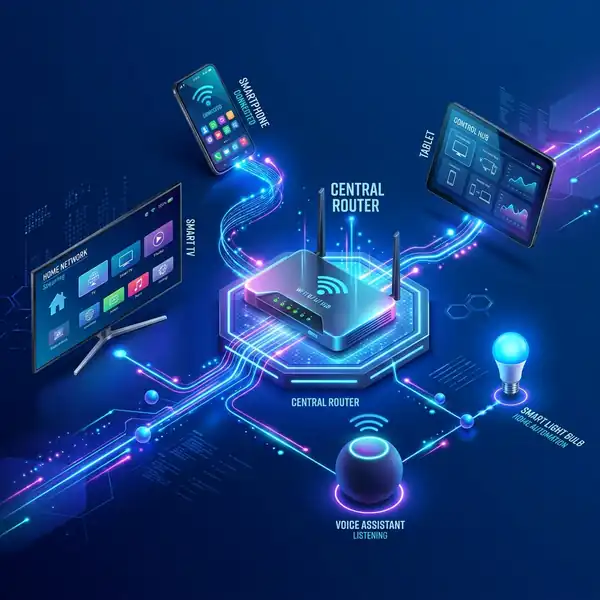
To ensure a stable connection, maintain a direct line of sight between your phone and the speaker, avoiding thick concrete walls or metal barriers that block radio signals. You can also configure your Wi-Fi router to use non-overlapping 2.4 GHz channels (such as 1, 6, or 11) or move your data-heavy devices to the 5 GHz band. This clears up the 2.4 GHz spectrum, allowing your Bluetooth devices to stream audio smoothly and reliably without constant dropouts or packet loss issues.
6. Settings and Audio Codecs to Improve Sound Quality
Many users buy high-quality speakers but fail to configure their phones to stream audio at the best possible quality. Bluetooth uses codecs to compress and transmit audio data. The standard codec is SBC, which is supported by all devices. iOS devices typically use AAC, which offers decent audio quality for everyday streaming. However, Android users have access to wider options that can dramatically improve audio performance when configured correctly.
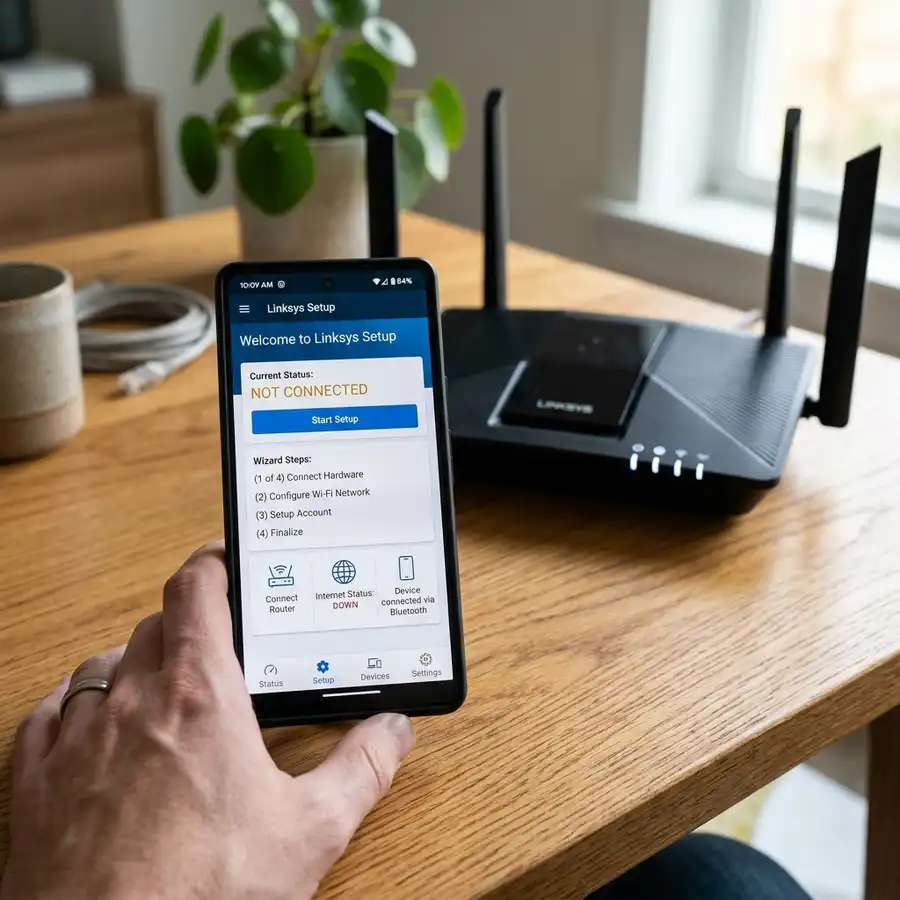
If you own a compatible Android device and your speaker supports high-resolution codecs like aptX or LDAC, you should enable them manually in the system's developer options. LDAC can transmit up to three times more audio data than standard SBC, preserving the fine details of high-resolution files. Also, check that your music app's equalizer settings are not introducing digital distortion by boosting bass frequencies excessively. Taking these configuration steps guarantees you get the absolute best acoustic output possible.
If you experience problems connecting your devices, you can follow our guide on how to pair JBL headphones to phone, as the wireless connection process is identical for speakers from the same manufacturer. Learning this step helps you connect quickly and avoids frustrating setup issues during gatherings. Knowing the exact sequence saves troubleshooting time and gets the music playing faster.
7. Battery Maintenance and Longevity Best Practices
Portable speakers rely on lithium-ion or lithium-polymer batteries to power their amplifiers. While these batteries offer high energy density and lack the memory effect of older rechargeable technologies, they degrade naturally over time. How you charge and store your speaker directly affects the overall lifespan of its internal battery cell. Implementing good habits early in your ownership cycle keeps the device running at peak efficiency for years.
A common mistake is letting the speaker's battery drain to 0% until the device shuts down. Letting the charge drop below 10% frequently puts stress on the lithium cell, accelerating the loss of capacity. Connect your speaker to a power source once the indicator reaches 20%. Similarly, do not leave the speaker plugged in continuously for weeks at a time, as keeping the battery at 100% capacity under warm temperatures degrades its health quickly. It is best to unplug the device once it reaches a full charge.
Dica DomineTec: Always use the original charging cable or a certified charger with the correct voltage and current ratings. Avoid cheap fast-chargers, as voltage spikes can damage the internal power management board and reduce battery life.
8. Summary: Choosing the Right Budget Speaker for Your Needs
Ultimately, the best value Bluetooth speaker depends on your personal listening habits and budget. No single model is perfect for every scenario, but there is an ideal choice for every user. If you spend a lot of time outdoors, camping, or near water, the IP67-rated JBL Flip 6 or Xiaomi Outdoor are excellent picks due to their rugged builds and excellent environmental resistance. They provide durability that keeps up with active environments and protects your investment.
If you prioritize audio quality and want detailed instrument separation and wide stereo imaging for indoor listening, the Anker Soundcore Motion+ is tough to beat in this price range. Finally, if you are on a very tight budget and need a simple, reliable speaker for podcasts and background music, the QCY Box1 offers a great entry-level experience without stretching your finances. Carefully evaluating your main use case will ensure you pick the most suitable portable speaker model.
Additionally, pay attention to the manufacturer's warranty and customer support. Brands like JBL and Anker are known for offering reliable warranties and responsive customer service, which can be a deciding factor if you run into any manufacturing defects. Buying from authorized retailers ensures that you receive a genuine product and have access to full warranty coverage in case of hardware issues. Spending a small amount more for official channels is always a smart insurance policy for your electronics.
Frequently Asked Questions
How do I find the actual power output of a Bluetooth speaker?
To find the true power output of a speaker, check the RMS (Root Mean Square) rating in the specifications. This measures continuous power output without severe audio distortion. Do not rely on PMPO ratings, which represent inflated peak numbers that cannot be sustained during normal playback.
Can I charge my portable speaker using a phone charger?
Yes, you can use a phone charger as long as it outputs standard 5V DC and meets or exceeds the minimum current rating (usually 1A or 2A) required by your speaker. The speaker's internal power manager will only draw the current it needs to charge safely.
What is the difference between IPX7 and IP67 ratings?
The difference lies in solid object protection. The 'X' in IPX7 means the device has not been officially tested for dust resistance, but it is waterproof against temporary immersion. The '6' in IP67 indicates the device is completely dust-tight and waterproof, protecting it from sand, dust, and water.
How do I connect two Bluetooth speakers together?
Most modern manufacturers offer dual-pairing features (such as JBL's PartyBoost or standard TWS stereo pairing). Connect the first speaker to your phone via Bluetooth, then press the dedicated pairing button on both speakers to link them directly to each other.




