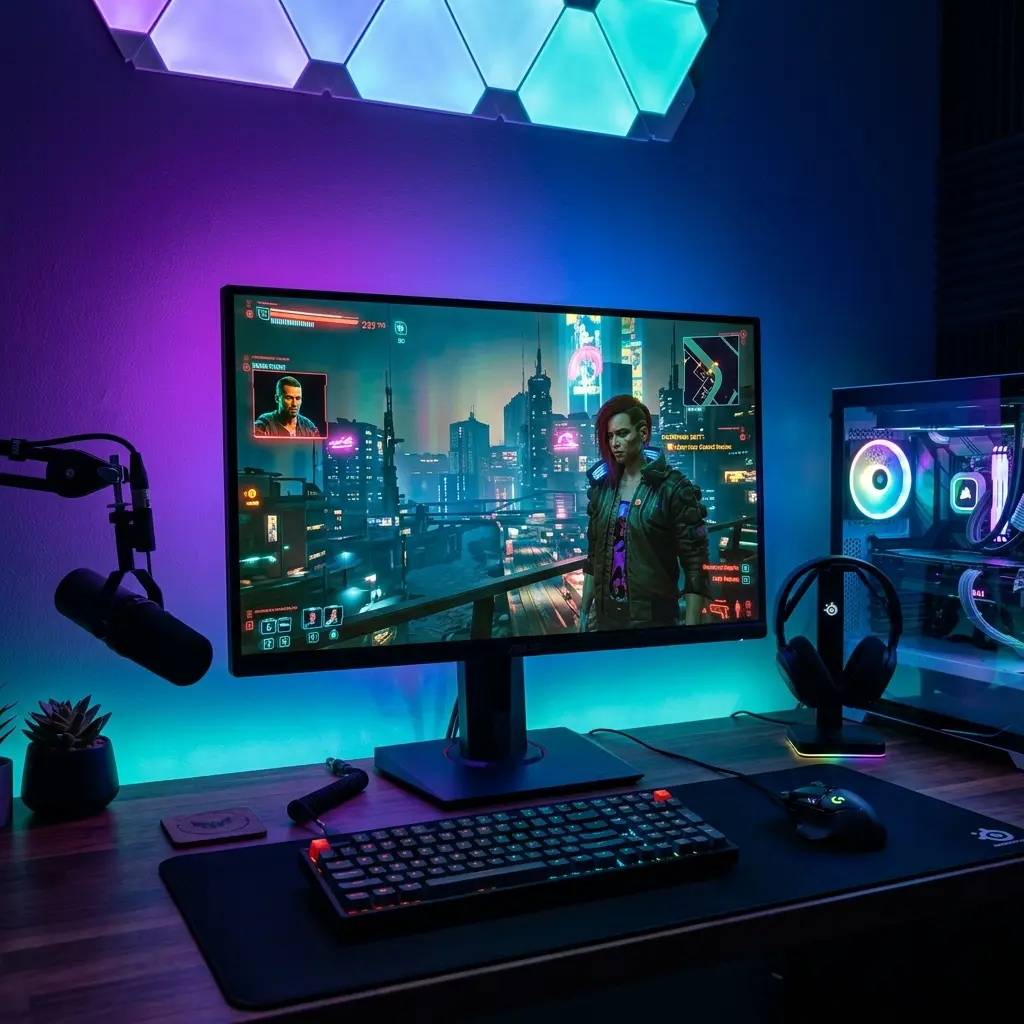
The best USB-C monitors with built-in docking stations combine connectivity, performance, and ergonomics for an optimal workspace.
Physical Aspects and Resolution
USB-C monitors are available in various sizes, typically ranging from 24 to 34 inches, with resolutions from Full HD (1920x1080) to 4K (3840x2160). The choice of screen size and resolution impacts both detail clarity and multitasking efficiency.
Performance and Technology
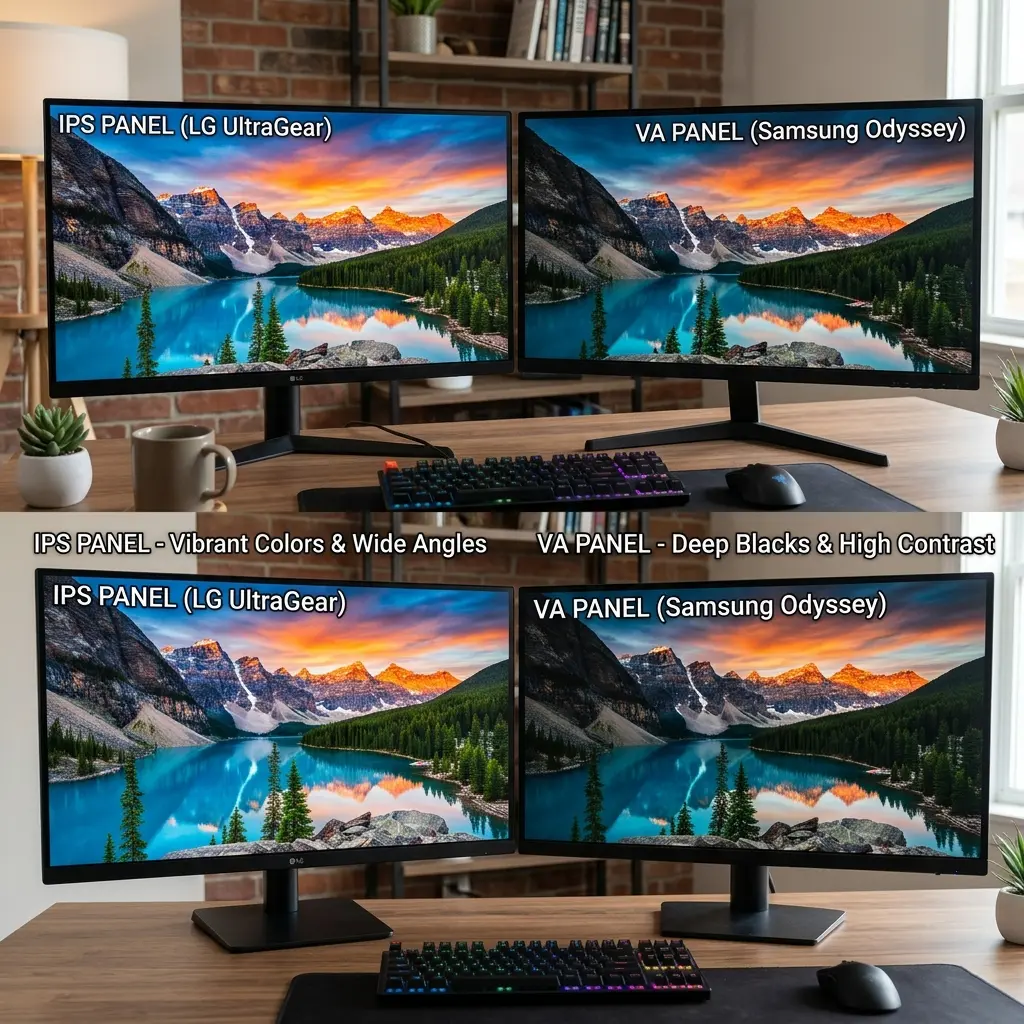
Advanced models feature IPS or OLED panels for superior color accuracy and viewing angles, while refresh rates can range from 60Hz to 144Hz. Technologies such as HDR and adaptive sync enhance visual experiences, especially during dynamic content playback.
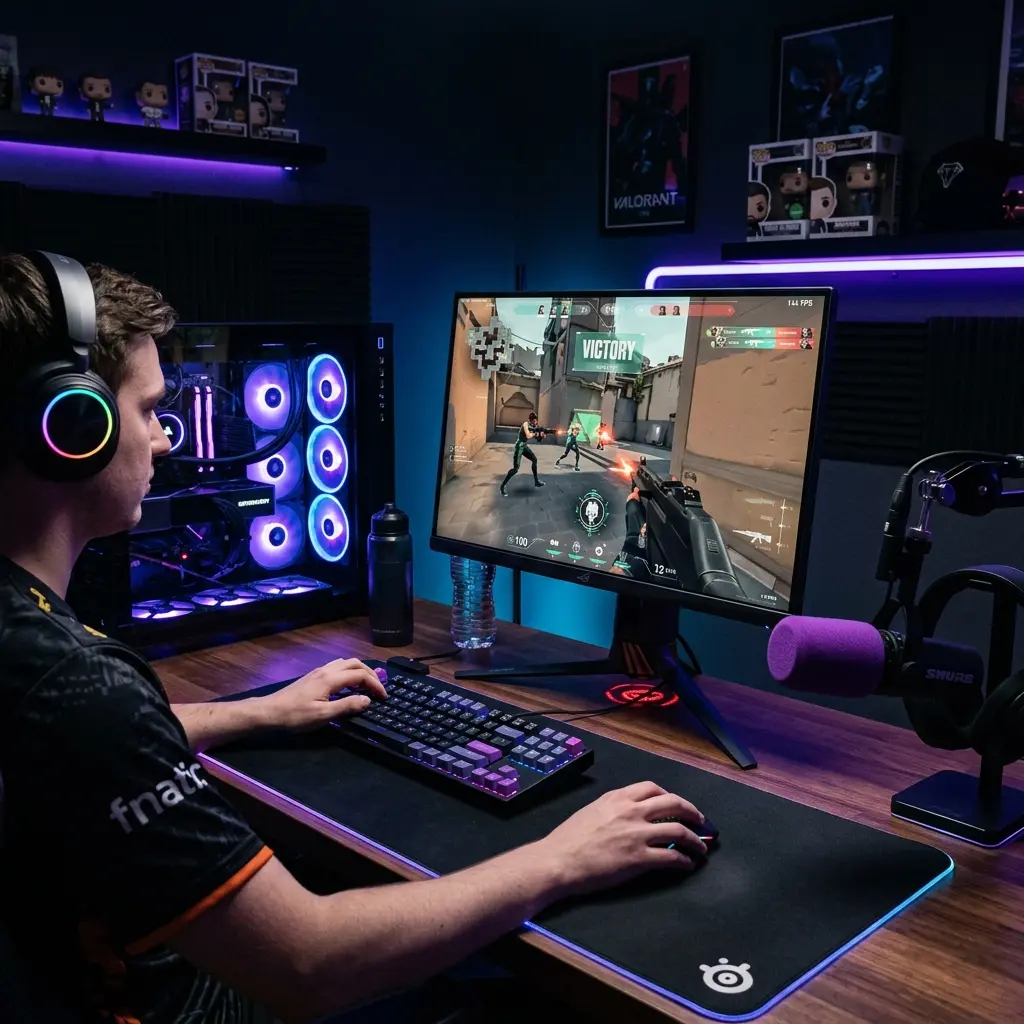
Ergonomics and Visual Comfort
Many USB-C monitors come with adjustable stands that allow for height, tilt, and swivel adjustments, promoting better posture and reducing eye strain. Screen coatings, like anti-glare and blue light filters, further enhance visual comfort during prolonged use.
| Monitor Model | Size | Resolution | Refresh Rate | Docking Features |
|---|---|---|---|---|
| Dell UltraSharp U2720Q | 27" | 4K | 60Hz | USB-C with 90W Power Delivery |
| LG 34WK95U-W | 34" | 5K | 60Hz | USB-C with 85W Power Delivery |
| ASUS ProArt PA32UCX | 32" | 4K | 60Hz | USB-C with 60W Power Delivery |
Materials and Durability
Monitors often utilize high-quality plastics and metal for their enclosures, ensuring durability and a premium feel. Glass panels are typically treated to resist scratches and fingerprints for long-lasting clarity.
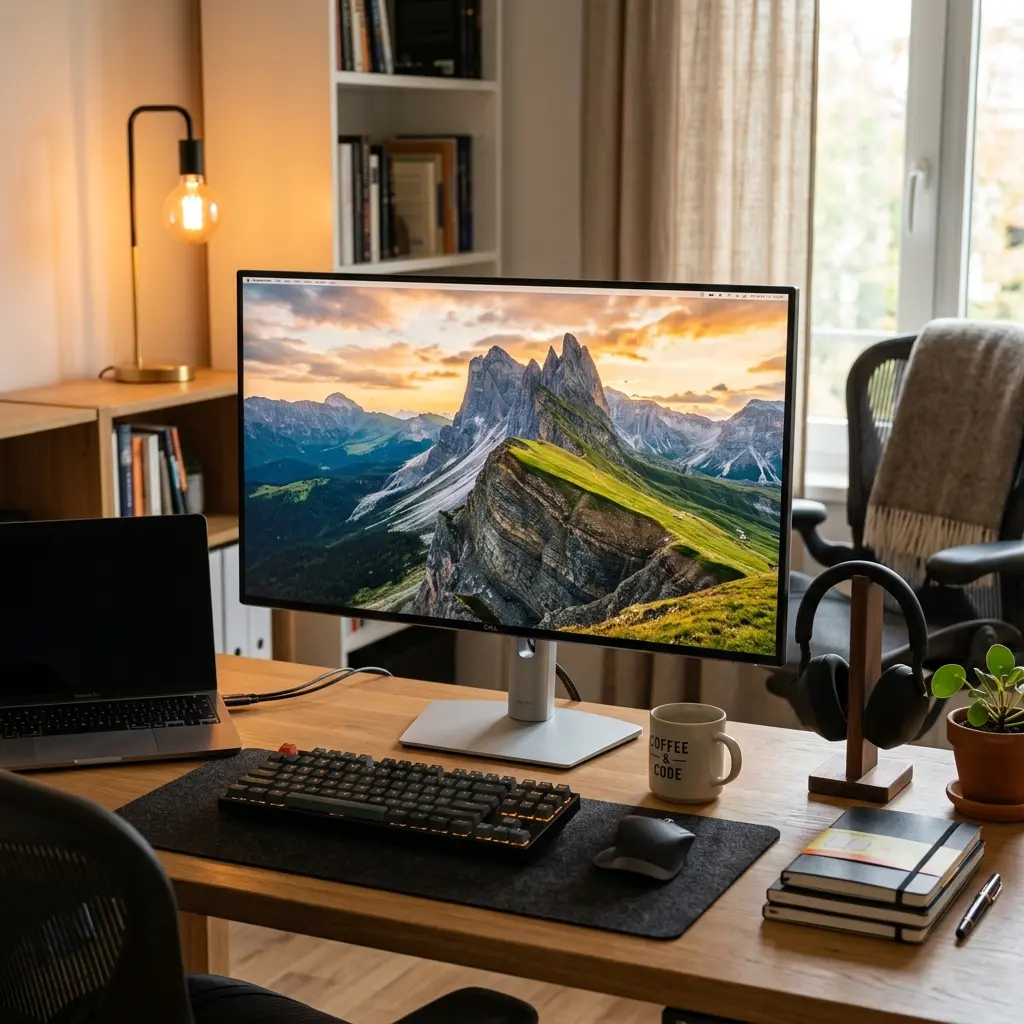
DomineTec Tip: Ensure that the monitor is positioned at eye level to minimize neck strain and promote a healthier posture.
Buying Recommendations and Brands
Leading brands such as Dell, LG, and ASUS offer robust USB-C monitors with docking stations that cater to various needs. The selection process should consider features like power delivery, screen size, and connectivity options.

- Assess workspace requirements, including size and resolution.
- Determine necessary connectivity options and power delivery needs.
- Evaluate ergonomic features for comfort during use.
- Research brand reliability and warranty offerings.
- Compare pricing and performance across models.
Value Analysis and Verdict
Investing in a USB-C monitor with a built-in docking station can significantly enhance productivity and workspace organization. These monitors provide excellent value through their multifunctionality and superior performance features.
Connectivity Options and Compatibility
The connectivity options available in USB-C monitors with built-in docking stations play a crucial role in their overall functionality. Most models feature multiple ports, including HDMI, DisplayPort, and USB-A, allowing users to connect various devices seamlessly.
Compatibility is another key aspect to consider when purchasing a USB-C monitor. Many monitors are designed to work with a wide range of laptops and desktops, but it is essential to verify that the specific model supports the devices you intend to use.
Furthermore, the ability to charge connected devices through USB-C ports enhances the convenience of these monitors. Users can power their laptops or smartphones while simultaneously using them as display outputs, reducing cable clutter.
Some monitors also offer advanced features such as daisy-chaining capabilities, which allow multiple monitors to be connected in sequence. This feature is particularly beneficial for professionals who require extensive screen real estate for multitasking.
Gaming Features and Capabilities
USB-C monitors with built-in docking stations are increasingly catering to gamers who seek a high-quality visual experience. Many models come equipped with features such as high refresh rates, low response times, and adaptive sync technology to enhance gaming performance.
Low input lag is another critical aspect for gamers; it ensures that actions taken on the controller reflect immediately on the screen. Monitors that provide a smooth gaming experience often include features like G-Sync or FreeSync, which help minimize screen tearing and stuttering.
Moreover, many gaming-oriented USB-C monitors support HDR (High Dynamic Range) technology, improving color accuracy and contrast. This results in more vibrant visuals, making gaming experiences more immersive.
Finally, the availability of customizable settings and gaming presets can further enhance the user experience, allowing gamers to tailor their display settings according to specific game genres or personal preferences.
Portability and Space Considerations
Portability is a significant factor for professionals who frequently travel or work in different locations. USB-C monitors with built-in docking stations are often designed to be lightweight and compact, making them easier to transport.
Some models come with foldable stands or integrated handles, further enhancing portability. This design consideration allows users to set up their workstations quickly and efficiently, regardless of their environment.
Space-saving features are also vital in modern workspaces, where real estate is often limited. Many USB-C monitors are designed to occupy minimal desk space, with options for VESA mounting to free up valuable surface area.
In addition, some monitors offer built-in cable management systems, helping to keep cords organized and out of the way, contributing to a cleaner and more efficient workspace.
Software and User Interface
The software that accompanies USB-C monitors can greatly enhance the user experience. Many manufacturers provide proprietary applications that allow for easy customization of display settings, such as brightness, contrast, and color profiles.
Some monitors feature on-screen display (OSD) controls, enabling users to navigate settings directly from the monitor without needing additional software. This user-friendly interface often includes pre-defined profiles for different tasks, such as gaming, graphic design, or office work.
Moreover, certain models offer features like Picture-in-Picture (PiP) and Picture-by-Picture (PbP), allowing users to multitask effectively by displaying content from multiple sources simultaneously. This is particularly useful for professionals who need to monitor various inputs at once.
Regular firmware updates and support for new technologies are additional benefits of modern USB-C monitors, ensuring they remain compatible with evolving devices and standards, which is critical for long-term investment.
Environmental Impact and Sustainability
As environmental awareness grows, the sustainability of USB-C monitors is becoming increasingly relevant. Many manufacturers are now focusing on eco-friendly materials and production processes to reduce their carbon footprint.
Energy efficiency is another important consideration; USB-C monitors often consume less power compared to traditional models. This not only lowers electricity bills but also minimizes environmental impact.
Some brands emphasize recycling programs, encouraging users to return old monitors for responsible disposal. This initiative contributes to reducing electronic waste and promoting a circular economy.
Additionally, certifications such as Energy Star and EPEAT indicate that a monitor meets specific environmental standards, providing consumers with the confidence that their purchase aligns with sustainable practices.
Additional Features and Customization Options
USB-C monitors with built-in docking stations often come with a range of additional features that enhance their versatility. For instance, integrated speakers and cameras can eliminate the need for extra peripherals in a cluttered workspace.
Customization options, such as adjustable color profiles and gamma settings, allow users to fine-tune their display according to their specific needs. This is particularly beneficial for creative professionals who require precise color accuracy.
Some monitors also offer programmable buttons that can be configured to perform specific functions, providing quick access to frequently used settings or applications. This feature can greatly enhance workflow efficiency.
Furthermore, built-in KVM (Keyboard, Video, Mouse) switches allow users to control multiple computers from a single set of peripherals, making it easier to manage different systems without switching hardware.
Future Trends in USB-C Monitor Technology
The future of USB-C monitors with built-in docking stations is likely to see significant advancements in technology. One of the anticipated trends is the integration of AI-driven features, which could optimize display settings based on user behavior and environmental conditions.
As 5G technology becomes more widespread, we may also see USB-C monitors that support wireless connectivity, allowing users to connect devices without the need for physical cables. This would further enhance portability and ease of use.
Increased focus on health and wellness may drive the development of monitors that incorporate blue light filtering and flicker-free technology, reducing eye strain during prolonged use.
Finally, the trend towards ultra-wide and curved displays is expected to continue, providing users with immersive viewing experiences that cater to both productivity and entertainment needs.
Security Features and Data Protection
As USB-C monitors with built-in docking stations become increasingly popular, security features are crucial to consider for both personal and professional use. Many models now include hardware-based security mechanisms to protect sensitive data from unauthorized access.
Some monitors offer built-in encryption for data transmitted through the USB-C connection, ensuring that sensitive information remains secure. This feature is particularly beneficial for businesses that handle confidential client information or proprietary data.
In addition to encryption, certain monitors provide physical security options, such as lock slots or tamper-proof designs. These features help deter physical theft and unauthorized access to the monitor and connected devices.
Furthermore, software solutions can enhance security by allowing users to manage access permissions and monitor connected devices. This is an essential consideration for environments where multiple users share the same workstation.
Energy Efficiency and Power Delivery
Energy efficiency is another significant aspect of USB-C monitors with built-in docking stations. Many modern models are designed to minimize power consumption while providing high-performance outputs. This is particularly important in today’s eco-conscious environment.
Power Delivery (PD) technology allows these monitors to not only transmit data but also supply power to connected devices, such as laptops and smartphones. This eliminates the need for multiple power adapters and reduces cable clutter on the desk.
Some monitors feature energy-saving modes that automatically adjust brightness and resolution based on usage, further improving energy efficiency. These settings can help users save on electricity bills while also extending the lifespan of the monitor.
Additionally, energy-efficient models often carry certifications such as ENERGY STAR, which indicates compliance with established energy-saving guidelines. Consumers can look for these certifications to make informed purchasing decisions.
Remote Work and Collaboration Features
With the rise of remote work, USB-C monitors with built-in docking stations are becoming essential tools for enhancing productivity and collaboration. Many models are equipped with features that facilitate seamless teamwork, even when team members are geographically dispersed.
Integrated webcams, microphones, and speakers are common in many USB-C monitors, enabling high-quality video conferencing and remote communication. This eliminates the need for additional peripherals, simplifying the setup for home offices.
Some monitors also support screen sharing and multiple display setups, allowing users to easily collaborate during virtual meetings. This feature is particularly useful for teams that require real-time collaboration on projects or presentations.
Moreover, compatibility with collaboration software enhances the functionality of these monitors. Users can easily access applications like Zoom, Microsoft Teams, or Google Meet directly from the monitor, streamlining the workflow and improving overall efficiency.
Compatibility with Operating Systems and Devices
USB-C monitors with built-in docking stations are designed to work seamlessly with a variety of operating systems, including Windows, macOS, and Chrome OS.
This compatibility ensures that users can connect their laptops, desktops, and even tablets without any significant hurdles, allowing for a smooth transition between devices.
Some monitors may require specific drivers or software updates to leverage all features fully, particularly for advanced functionalities like touch input or multi-monitor setups.
It is crucial for users to check the manufacturer's specifications to ensure that their devices are fully compatible with the monitor's capabilities.
Impact on Workflow and Productivity
Integrating a USB-C monitor with a built-in docking station can significantly enhance workflow and productivity, particularly for professionals working in fast-paced environments.
The ability to connect multiple peripherals, such as keyboards, mice, and external storage, through a single cable minimizes desktop clutter and allows for a more organized workspace.
Furthermore, many of these monitors support features like Picture-by-Picture (PbP) and Picture-in-Picture (PiP), enabling users to multitask effectively by viewing multiple sources simultaneously.
This capability can lead to improved efficiency, as users can manage several applications or documents without the need to switch between tabs or windows frequently.
Audio Features and Sound Quality
As the demand for more integrated solutions in technology continues to rise, audio features in USB-C monitors have become a significant consideration for users. Many modern USB-C monitors come equipped with built-in speakers that aim to deliver a satisfactory audio experience without the need for additional external speakers.
While the quality of built-in speakers may vary among different models, some monitors are designed with enhanced audio capabilities that include support for advanced audio technologies. This may include features like Dolby Audio or DTS sound, which can significantly improve the overall listening experience during video calls, streaming, or gaming.
In addition to built-in speakers, some USB-C monitors offer audio pass-through capabilities, allowing users to connect external audio devices directly through the monitor. This feature can streamline a workspace by reducing cable clutter while providing superior sound quality for professionals and casual users alike.
For those who prioritize audio quality, it is essential to review the specifications of the monitor's audio system. Look for monitors that have integrated microphones with noise-cancellation features, which can enhance audio clarity during virtual meetings, making them a valuable asset for remote work setups.
Multi-Monitor Setup and Arrangements
As remote work and digital collaboration continue to shape the modern workspace, many professionals are adopting multi-monitor setups to enhance productivity. USB-C monitors, with their versatile connectivity options, facilitate seamless multi-monitor arrangements that can significantly improve workflow.
When utilizing multiple USB-C monitors, users can benefit from features like daisy chaining, which allows multiple monitors to be connected in series using a single USB-C port. This capability reduces cable clutter and makes it easier to manage multiple displays, especially in tight work environments.
Moreover, some USB-C monitors support extended display modes, allowing users to spread their desktop across multiple screens. This feature is particularly useful for tasks that require multitasking, such as coding, design work, or financial analysis, enabling users to keep different applications open simultaneously.
It is crucial to consider the monitor's resolution and size when planning a multi-monitor setup. Ensuring that the monitors are of similar resolution and size can create a cohesive visual experience, minimizing distractions and enhancing overall productivity during work sessions.
Frequently Asked Questions
What are the benefits of USB-C monitors?
USB-C monitors provide streamlined connectivity, enabling data transfer and power delivery through a single cable, simplifying workspace setup.
Can USB-C monitors charge laptops?
Many USB-C monitors come with power delivery capabilities, allowing them to charge connected laptops while transmitting video and data.
Are built-in docking stations worth it?
Built-in docking stations reduce cable clutter and provide additional ports, enhancing overall connectivity and convenience.
How do I choose the right size monitor?
Choosing the right size depends on desk space and personal preference, with larger screens often providing better multitasking capabilities.
Do all USB-C monitors support video input?
No, not all USB-C monitors support video input; it is essential to check specifications for compatibility with desired devices.




