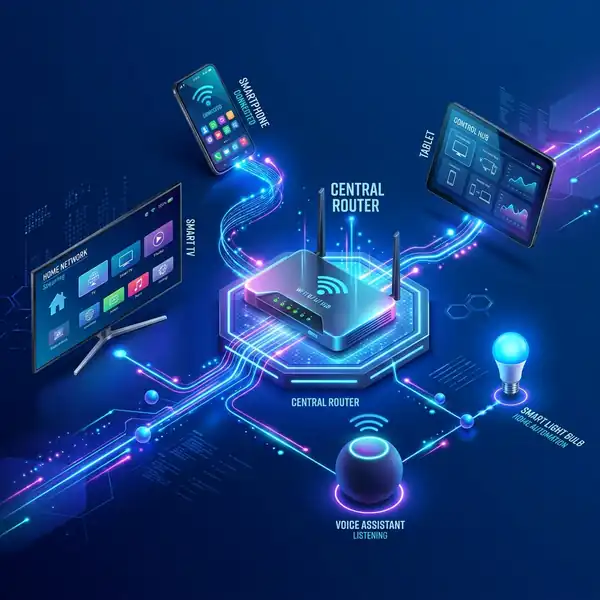
UniFi PoE switches are essential for powering cameras and access points effectively, combining reliability with advanced features.
UniFi Switch 24 PoE (US-24-250W)
The UniFi Switch 24 PoE offers 24 ports, with 250W of PoE power, supporting both 802.3af and 802.3at standards.
It provides Layer 2 switching capabilities and can be managed through the UniFi Controller for comprehensive network oversight.
UniFi Switch 16 PoE (US-16-150W)
This model features 16 Gigabit Ethernet ports and 150W of PoE power, making it ideal for smaller deployments.
Advanced monitoring features are available through the UniFi Controller, allowing real-time power management and network insights.
UniFi Switch Lite 8 PoE (US-Lite-8-60W)
Designed for compact environments, the UniFi Lite 8 PoE includes 8 ports with 60W of PoE budget, supporting basic camera and access point setups.
Its fanless design ensures quiet operation, suitable for noise-sensitive areas.
UniFi Switch 48 PoE (US-48-750W)
With 48 ports and a robust 750W PoE budget, the UniFi Switch 48 is designed for high-demand environments, supporting numerous devices.
Advanced Layer 3 features are available, including static routing and link aggregation, enhancing network performance and resilience.
UniFi Switch 8 PoE (US-8-60W)
This model provides 8 ports with a 60W PoE budget, suitable for small installations or branch offices requiring minimal equipment.
Easy integration with the UniFi ecosystem ensures streamlined management and monitoring through the UniFi Controller.
| Model | Port Count | PoE Budget | Layer 2/3 Features |
|---|---|---|---|
| US-24-250W | 24 | 250W | Layer 2 |
| US-16-150W | 16 | 150W | Layer 2 |
| US-Lite-8-60W | 8 | 60W | Layer 2 |
| US-48-750W | 48 | 750W | Layer 3 |
| US-8-60W | 8 | 60W | Layer 2 |
DomineTec Tip: Utilize the UniFi Controller to enable port profiles, ensuring consistent VLAN configurations across multiple switches.
- Connect the UniFi switch to the network and power it on.
- Access the UniFi Controller and adopt the switch from the "Devices" section.
- Configure VLAN settings by navigating to the "Settings" > "Networks" section.
- Set up PoE settings by adjusting the port configurations under the "Ports" section.
- Monitor performance and power usage in real-time through the dashboard.

Understanding PoE Standards and Their Impact on Camera and Access Point Performance
Power over Ethernet (PoE) technology is governed by a set of standards, primarily IEEE 802.3af, 802.3at, and 802.3bt. Each standard defines the power delivery capabilities and requirements, which directly influence the performance of connected devices such as cameras and access points.
IEEE 802.3af, also known as PoE, delivers up to 15.4 watts per port, which is typically sufficient for basic devices. However, many modern cameras and access points require more power, making the 802.3at (PoE+) standard, with up to 30 watts per port, a more suitable choice for high-demand applications.
The latest standard, IEEE 802.3bt, can deliver up to 60 watts per port, catering to devices that require significantly more power, such as high-resolution cameras equipped with advanced features. Understanding these standards ensures optimal deployment and performance of your network devices.
Choosing the right PoE standard is crucial for maintaining the functionality and efficiency of your surveillance and networking systems, as insufficient power can lead to device failures and performance issues.
Comparing Managed vs. Unmanaged PoE Switches for Surveillance Systems
Managed PoE switches offer enhanced features such as VLAN support, remote monitoring, and advanced security options, making them ideal for complex surveillance systems. These switches provide greater control over the network, allowing for tailored configurations that can optimize performance and security.
In contrast, unmanaged PoE switches are simpler, plug-and-play devices that require minimal setup, making them suitable for smaller or less complex installations. However, they lack the scalability and advanced features that managed switches provide.
For organizations planning to expand their surveillance capabilities in the future, investing in managed PoE switches can provide the necessary flexibility and control to adapt to changing needs. This is particularly important in environments where security requirements may evolve.
The choice between managed and unmanaged switches ultimately depends on the specific requirements of the installation, including the size of the network, the complexity of the surveillance system, and budget considerations.
Power Budget Considerations for PoE Switches in Large Deployments
When deploying PoE switches in environments with multiple cameras and access points, understanding the power budget is essential. Each PoE switch has a maximum power budget, which dictates how much power can be distributed across all connected devices.
For instance, a switch with a 250W power budget can only supply limited power to connected devices. Proper planning is necessary to ensure that the total power requirement of all devices does not exceed the switch's capacity, which could lead to insufficient power and device failure.
To effectively manage power distribution, it is advisable to calculate the total wattage required by all connected devices and leave some headroom for future expansion or additional devices. This proactive approach can prevent potential issues down the line.
Regular monitoring of power consumption can also help in identifying any anomalies or unexpected power usage, allowing for timely adjustments to the network configuration as needed.
Environmental Factors Affecting PoE Switch Performance
Environmental conditions can significantly impact the performance of PoE switches and the devices they power. Factors such as temperature, humidity, and physical obstructions can affect both power delivery and data transmission.
For optimal operation, PoE switches should be installed in environments that adhere to the manufacturer's specified temperature and humidity ranges. Excessive heat can lead to thermal throttling, reducing the switch's performance and lifespan.
Physical obstructions, such as walls or electronics, can interfere with signal strength, particularly for access points. Proper placement and installation of switches and devices are essential to mitigate these issues and ensure reliable network performance.
Implementing environmental monitoring solutions can aid in tracking conditions and triggering alerts for any deviations that may impact the performance of PoE switches and connected devices.
Best Practices for Cabling in PoE Installations
Proper cabling is crucial for the successful deployment of PoE switches, as the quality of cables directly affects both power delivery and data integrity. It is recommended to use high-quality Cat5e or Cat6 cables, which are designed to handle the power and data requirements of PoE devices.
Additionally, cable length plays an important role in performance. The maximum recommended length for Ethernet cables is 100 meters; exceeding this can lead to voltage drop and reduced performance. Keeping cable runs as short as possible can help in maintaining optimal performance.
Using solid copper cables rather than copper-clad aluminum can also enhance the reliability of power delivery and data transmission, as solid copper cables offer better conductivity and lower resistance.
Finally, ensuring proper cable management and avoiding interference from other electrical sources can help prevent potential issues that could affect the performance of PoE installations.
Monitoring and Managing PoE Devices Effectively
Effective monitoring and management of PoE devices are critical for maintaining the performance and reliability of network installations. Managed PoE switches often come with integrated management software that allows for real-time monitoring of power consumption and device status.
Regularly reviewing power usage can help identify devices that may be drawing excess power, which could indicate a malfunction or the need for maintenance. This proactive approach aids in preventing unexpected downtime and optimizes resource allocation.
Implementing alert systems can also enhance monitoring capabilities, enabling administrators to receive notifications for power outages, device failures, or unusual power consumption patterns. This allows for timely interventions to resolve issues before they escalate.
Incorporating network management tools can facilitate centralized control over multiple devices, making it easier to manage configurations and updates across the network, ultimately improving operational efficiency.
Future-Proofing Your PoE Network Infrastructure
As technology evolves, the demands on network infrastructure are likely to increase. Future-proofing your PoE network involves selecting switches and devices that can accommodate anticipated advancements in technology and increased power requirements.
Investing in PoE switches with higher power budgets and support for the latest PoE standards, such as IEEE 802.3bt, can ensure that your network is capable of supporting new devices and applications as they emerge.
Additionally, considering scalability during the initial deployment can facilitate future expansions without necessitating a complete overhaul of the existing infrastructure. Planning for additional ports and power capacity can save time and resources in the long run.
Regularly reviewing and updating your network infrastructure in line with technological advancements will help maintain performance and security, ensuring that your PoE network remains robust and capable of meeting future demands.
Integration of UniFi PoE Switches with NVR Systems
Integrating UniFi PoE switches with Network Video Recorder (NVR) systems enhances surveillance capabilities. NVRs offer centralized video management, allowing for efficient recording and playback of video feeds from connected cameras.
When selecting a UniFi PoE switch for integration, consider bandwidth requirements and the number of cameras deployed. High-resolution cameras may necessitate switches with higher throughput to avoid bottlenecks.
Utilizing UniFi's software-defined networking capabilities allows for seamless integration with NVRs. This ensures that video streams can be prioritized to maintain quality and reduce latency during peak usage times.
Furthermore, monitoring capabilities of UniFi switches can facilitate proactive management of NVR systems. Alerts for bandwidth usage and device status can help in maintaining optimal performance of the video surveillance setup.
Scalability and Expansion of PoE Networks
Scalability is a critical factor when deploying PoE networks, especially in environments with evolving needs. UniFi PoE switches provide modular solutions that can grow alongside expanding surveillance requirements.
Implementing a hierarchy of switches, starting with smaller models and scaling up to larger ones, can optimize costs and resource allocation. This tiered approach allows for gradual upgrades without overhauling the entire network.
UniFi's cloud management platform facilitates remote monitoring and configuration of multiple switches. This feature is particularly useful for organizations with multiple locations or rapidly changing infrastructures.
Planning for future scalability also includes ensuring that the existing cabling infrastructure can support higher power requirements and bandwidth. Regular assessments and upgrades of cabling will help accommodate future devices and technologies.
Security Measures for PoE Deployments
Implementing robust security measures is essential for protecting PoE deployments. PoE switches can be vulnerable to various cyber threats, making network security a top priority.
Utilizing VLANs (Virtual Local Area Networks) to segment traffic can enhance security by isolating surveillance data from general network traffic. This separation minimizes the risk of unauthorized access to sensitive video feeds.
Regularly updating firmware on UniFi switches and connected devices ensures that security vulnerabilities are patched. Staying informed about the latest security practices and threats is crucial for maintaining a secure network.
Additionally, employing network monitoring tools can help identify unusual activity or potential intrusions. Proactive monitoring allows for quick responses to security incidents, safeguarding the integrity of the surveillance system.
Understanding the Role of VLANs in PoE Network Management
Virtual Local Area Networks (VLANs) are essential for segmenting network traffic in environments utilizing PoE switches. By creating VLANs, network administrators can control traffic flow and enhance security by isolating sensitive devices such as security cameras and access points from the rest of the network.
Implementing VLANs allows for improved management of bandwidth and reduces broadcast traffic, which can be particularly beneficial in high-density deployments. For example, a VLAN dedicated to surveillance cameras can ensure that video streams do not interfere with general network traffic, leading to more reliable performance.
Additionally, VLANs facilitate easier troubleshooting and monitoring. By separating different types of devices within their own VLANs, administrators can quickly identify and resolve issues without affecting the entire network. This isolation is crucial in maintaining the performance and reliability of critical services.
When configuring VLANs with UniFi PoE switches, it is important to consider the overall network topology and the specific requirements of each device. Properly designed VLANs can enhance the efficiency of PoE networks and ensure optimal performance for cameras and access points.
Advanced PoE Management Features in UniFi Switches
UniFi PoE switches come equipped with advanced management features that enhance the capabilities of network administrators. These features include remote monitoring, port configuration, and power allocation management, which are vital for maintaining efficient operations in PoE deployments.
One of the standout features is the ability to monitor power consumption per port. This functionality allows administrators to see real-time power usage, enabling them to make informed decisions about power allocation and ensuring that devices receive adequate power without exceeding the switch's capabilities.
Furthermore, UniFi’s interface provides options for configuring individual ports, including enabling and disabling PoE on specific ports. This capability is particularly useful for managing devices that may not require constant power, thus optimizing energy consumption across the network.
Another important aspect is the alert system integrated into UniFi switches, which notifies administrators of any issues related to power delivery or device connectivity. This proactive approach allows for timely responses to potential problems, ultimately maintaining the integrity and reliability of the PoE network.
Frequently Asked Questions
What is PoE technology?
Power over Ethernet (PoE) allows network cables to carry electrical power to devices like cameras and access points, simplifying installations.
How to determine the appropriate PoE budget?
Calculate the total wattage required by all connected devices, ensuring the switch's PoE budget exceeds this total for optimal performance.
Can UniFi switches be used for non-UniFi devices?
Yes, UniFi switches can support non-UniFi devices as long as they are compatible with the PoE standards being utilized.
How to manage UniFi switches remotely?
Access the UniFi Controller via a web interface or mobile app to manage and monitor switches remotely with ease.
What are the benefits of using Layer 3 switches?
Layer 3 switches provide routing capabilities that enable inter-VLAN communication, enhancing network efficiency and control.